
How to Prevent Identity Theft and Fake Documents When Renting a Property
Protecting your property starts with a rigorous filter. Discover how to validate ID cards, detect altered documents, and check criminal records without intermediaries in Colombia.
IDIOMA DEL ARTÍCULO
Showing original language
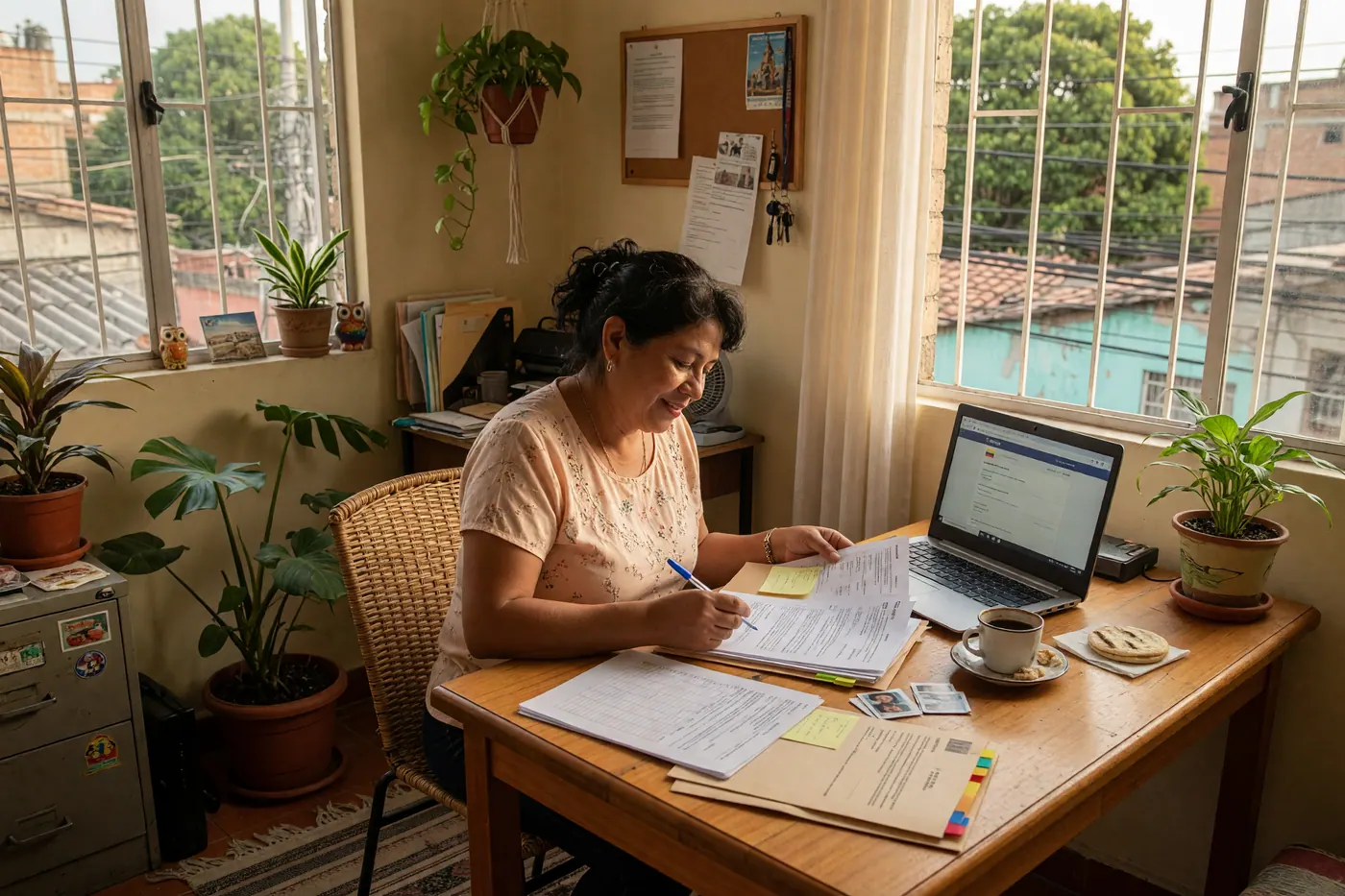
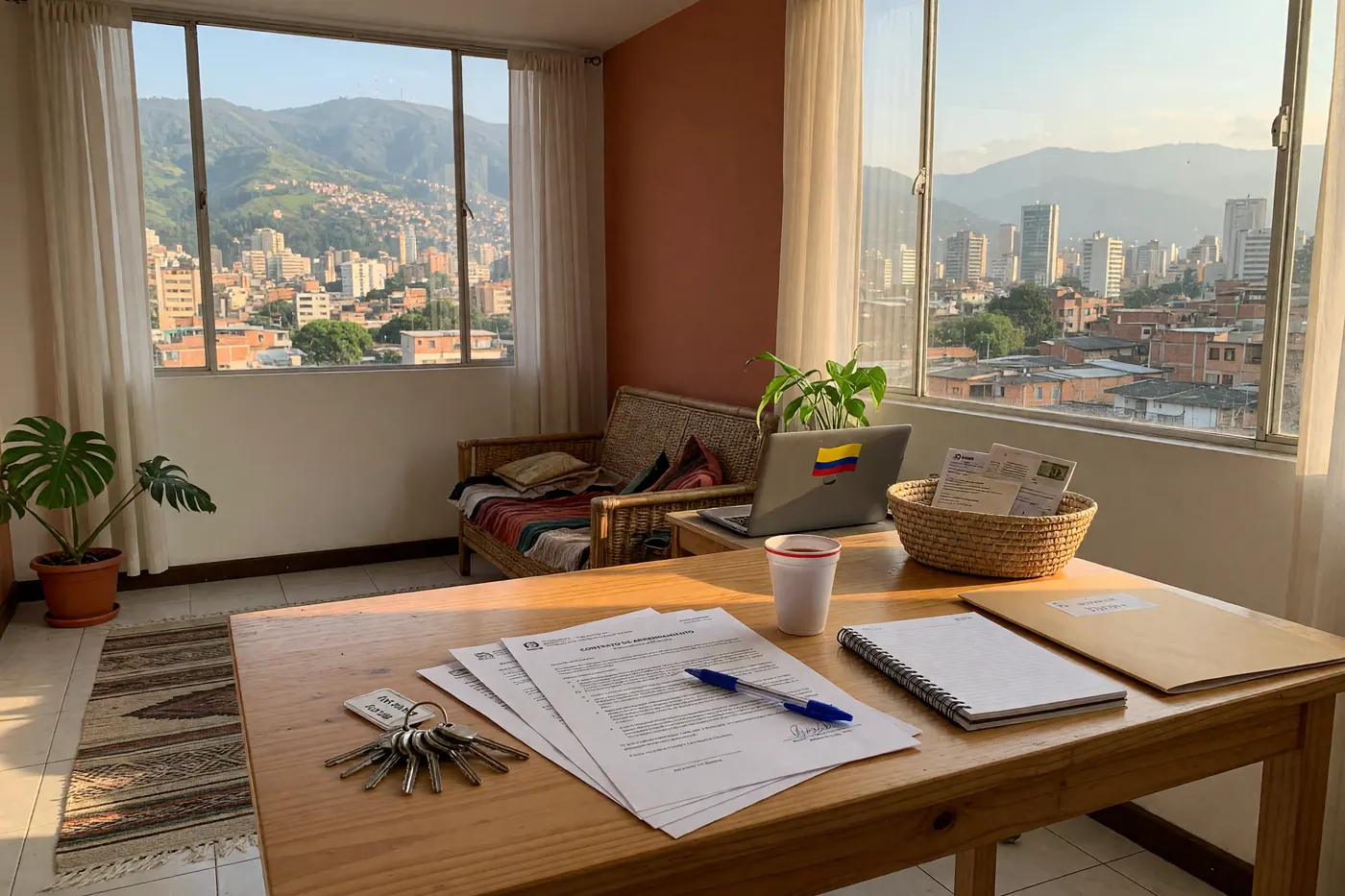
Handing over the keys to your property to a stranger always involves a leap of faith. However, in the direct rental market in Colombia, digital document alteration and identity theft have become recurring headaches for independent landlords. A bank statement edited in minutes or an employment certification issued by a ghost company can lead to months of non-payment and costly eviction processes.
Fortunately, you do not need to pay for complex background checks to perform an effective initial verification. Official government platforms and social security operators offer free, open-access tools to corroborate the veracity of the information presented by applicants.
The real risk of document alteration in direct rentals
When a property owner decides to rent their property without the intermediation of a real estate agency or a surety bond company, they assume direct responsibility for assessing the tenant's credit and legal risk. Many scammers take advantage of the direct landlord's lack of technical tools to present seemingly flawless portfolios with high incomes that only exist on digital paper.
Among the most frequently tampered documents are PDF bank statements, income certifications signed by alleged accountants, and employment letters from non-existent companies. A detailed analysis of these inconsistencies is the first line of defense to protect your real estate assets.
Step-by-step guide to verify the applicant's real identity
The first essential step before reviewing income is to confirm that the person signing the application is exactly who they claim to be. Never settle for just receiving a scanned photocopy without cross-referencing the data in national systems.
- Validity of the National ID (Cédula de Ciudadanía): Access the public portal of the Registraduría Nacional del Estado Civil. In the document inquiry module, enter the ID number to confirm if the document is valid, canceled due to loss of political rights, or reported as deceased.
- Foreigner ID (Cédula de Extranjería) or PPT: If the candidate is a foreigner residing in Colombia, request the Cédula de Extranjería (CE) or the Temporary Protection Permit (PPT) and verify their status on the official portals of Migración Colombia or the Ministry of Foreign Affairs.
- RUT inquiry at the DIAN: Request a copy of the Single Tax Registry (RUT). On the DIAN website, you can enter the NIT or ID number to validate that the document is active, that the economic activity matches what was stated, and that the contact details have not been recently modified.
To complement this initial validation phase, you can consult our guide on basic background and identity verification in Colombia.

How to detect altered bank statements and employment letters
Learning to read between the lines in financial documentation sent by the applicant is key to avoiding surprises. Modern graphic editing programs allow figures to be changed easily, but they often leave visible traces that betray the forgery.
When reviewing PDF bank statements, pay attention to the fonts: if the balance or deposit figures have a different typeface than the rest of the text, are misaligned, or lack proportional tax charges such as the Financial Transaction Tax (4x1000), it is highly likely the file has been tampered with. Likewise, demand full statements downloaded directly from the bank's portal, avoiding partial screenshots.
In the case of employment certifications, cross-reference the information by entering the RUES registry to verify if the employer actually exists and is active in the Chamber of Commerce. Additionally, request the social security payment slips (PILA) issued by operators such as MiPlanilla, Simple, or Aportes en Línea, and verify the authenticity of the support through the slip code and payment date on the corresponding operator's website.
Judicial background and credit capacity with legal support
Once identity and the veracity of income are confirmed, the next step is to review the applicant's behavior history. Colombian legislation provides citizens with public databases to verify criminal and disciplinary records at no cost.
You can enter the Colombian National Police website to verify judicial records with the ID number, as well as the Inspector General of the Nation's (Procuraduría) portal to check for the absence of disciplinary sanctions. To consult credit bureaus like DataCrédito Experian or TransUnion, it is essential to first obtain written authorization signed by the applicant, strictly complying with the Habeas Data regulations established in Law 1581 of 2012 and Law 1266 of 2008.
Publish with clear filters to attract reliable tenants
Preventing fraud does not only depend on subsequent review, but on how you write your ads from day one. By publishing clear rules about the required documentation and announcing that identity and credit bureau validation will be performed, applicants with fraudulent intentions usually discard the offer immediately.
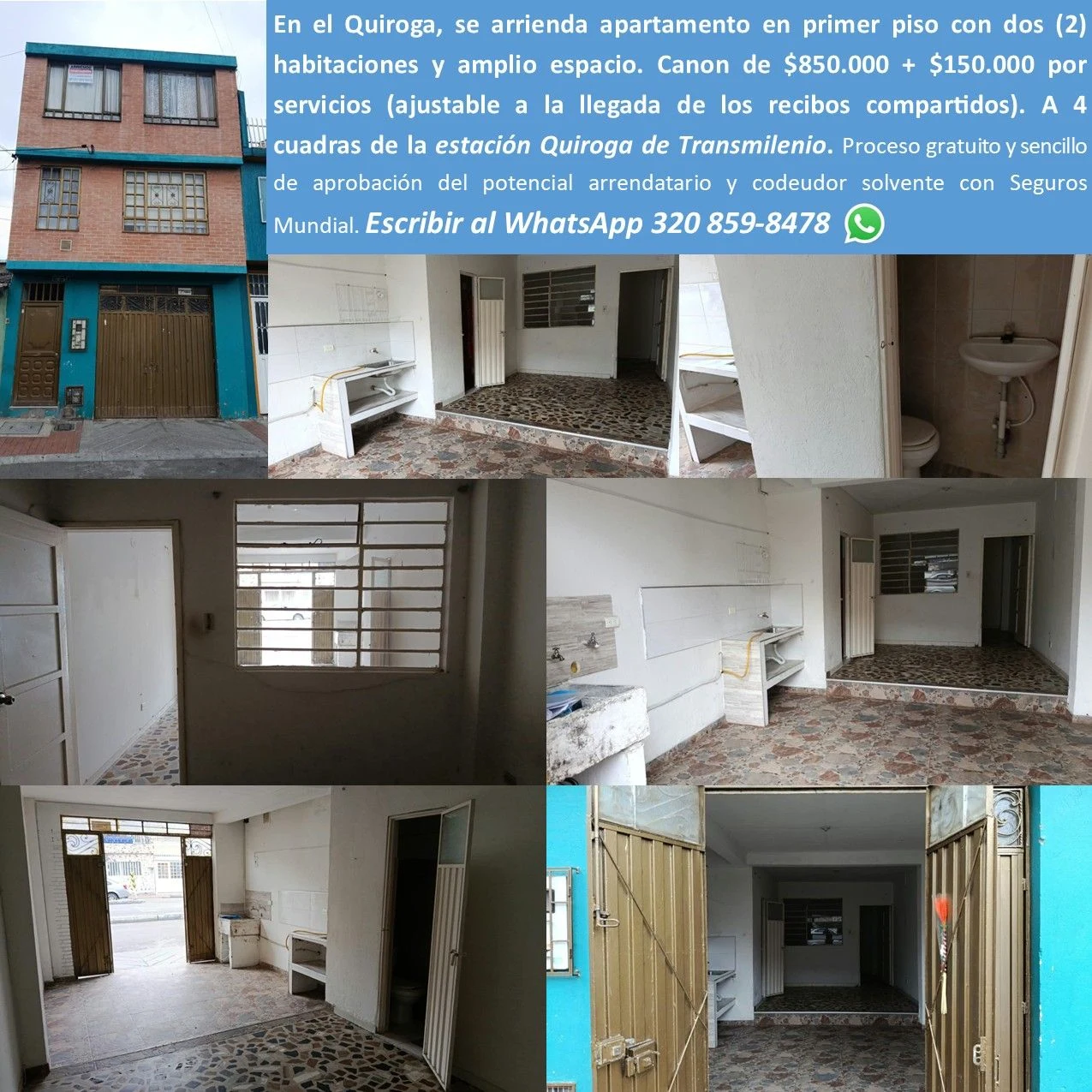
According to active listings on Colombia Move (August 2026), the supply of spaces and homes for direct rent requires transparent channels where owners and tenants can connect without commissions or unnecessary bureaucratic hurdles.
Frequently asked questions
❓ How can I know if a rental applicant's ID is authentic and valid?
You can verify the document's validity by entering the ID number in the document validity inquiry module of the Registraduría Nacional del Estado Civil. The system will tell you immediately and for free if the document is active or has legal notes.
❓ Is it mandatory to request written authorization to check a tenant's background and credit?
Yes, Law 1581 of 2012 and Law 1266 of 2008 (Habeas Data) require that the data subject provides prior, express, and informed authorization in writing to consult their credit reports or process their personal data for rental background checks.
❓ How can I verify if an employment certification submitted by an applicant is fake?
To validate the employment letter, check the company's existence at the Chamber of Commerce using the RUES portal, demand social security payment slips (PILA) to verify real contributions, and contact the company's human resources department directly via its official phone line.
❓ What red flags indicate that a PDF bank statement has been altered?
The main signs of editing are inconsistent fonts, irregular alignment of figures, transactions without the corresponding Financial Transaction Tax (4x1000) charge, or daily balances that do not mathematically match the inflow and outflow movements.
❓ Where can judicial records for a tenant in Colombia be checked for free?
Judicial records and active criminal convictions can be checked online for free on the Colombian National Police website, while disciplinary sanctions and state debts are reviewed on the Office of the Inspector General (Procuraduría General de la Nación) portal.
❓ What can I do if I discover that a candidate submitted fake documents during the rental background check?
You must immediately reject the rental application, refrain from handing over keys or signing a contract, and keep copies of the received documents as evidence for the decision made.



Comments
Loading comments...
Checking sign-in status...