
How to Offer Catering and Private Chef Services for Events in Colombia
Learn how to structure your private chef or catering business for events in Colombia. Understand sanitary regulations, how to quote without losing margins, and how to attract direct clients without intermediaries.
IDIOMA DEL ARTÍCULO
Showing original language
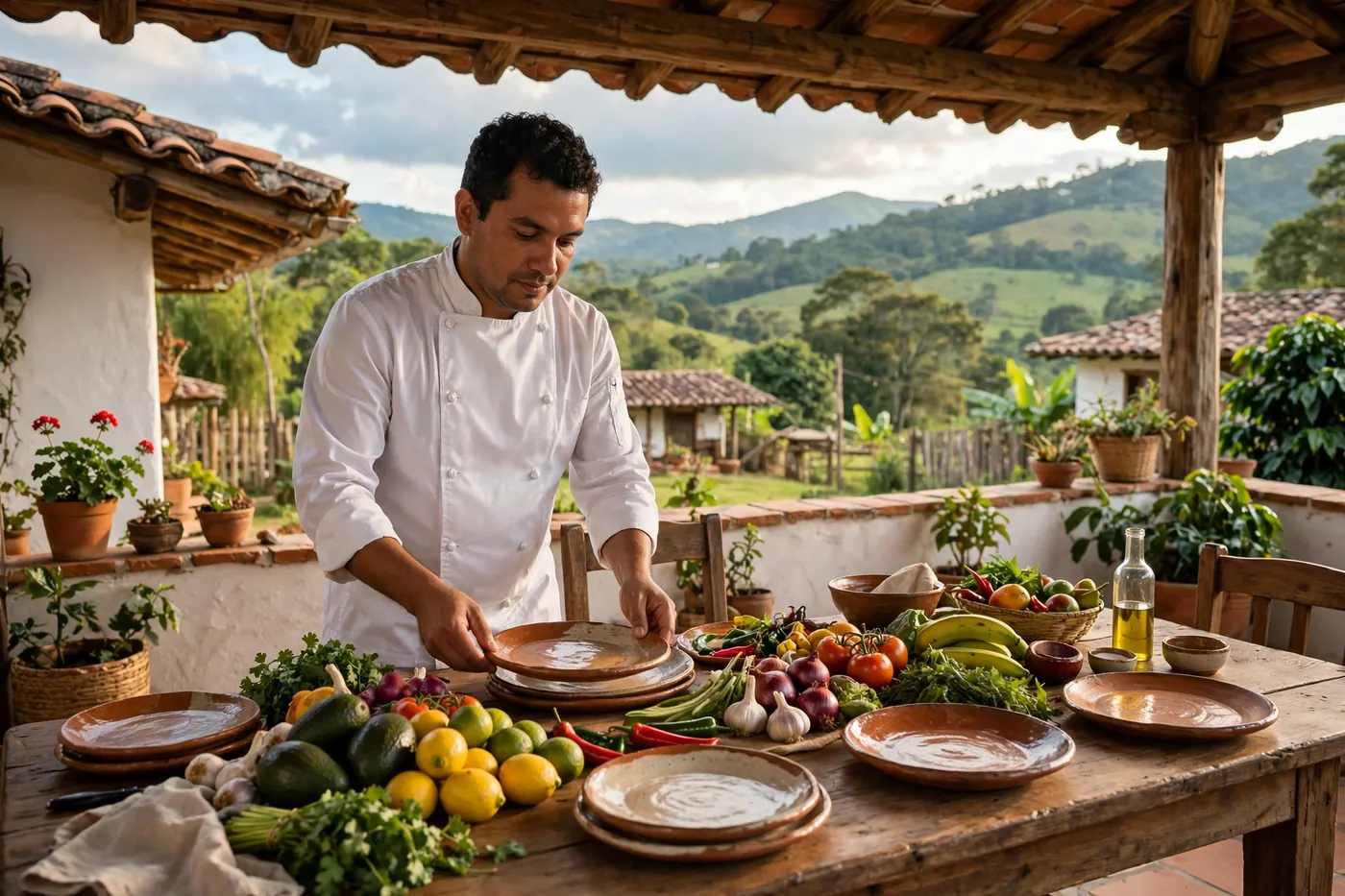
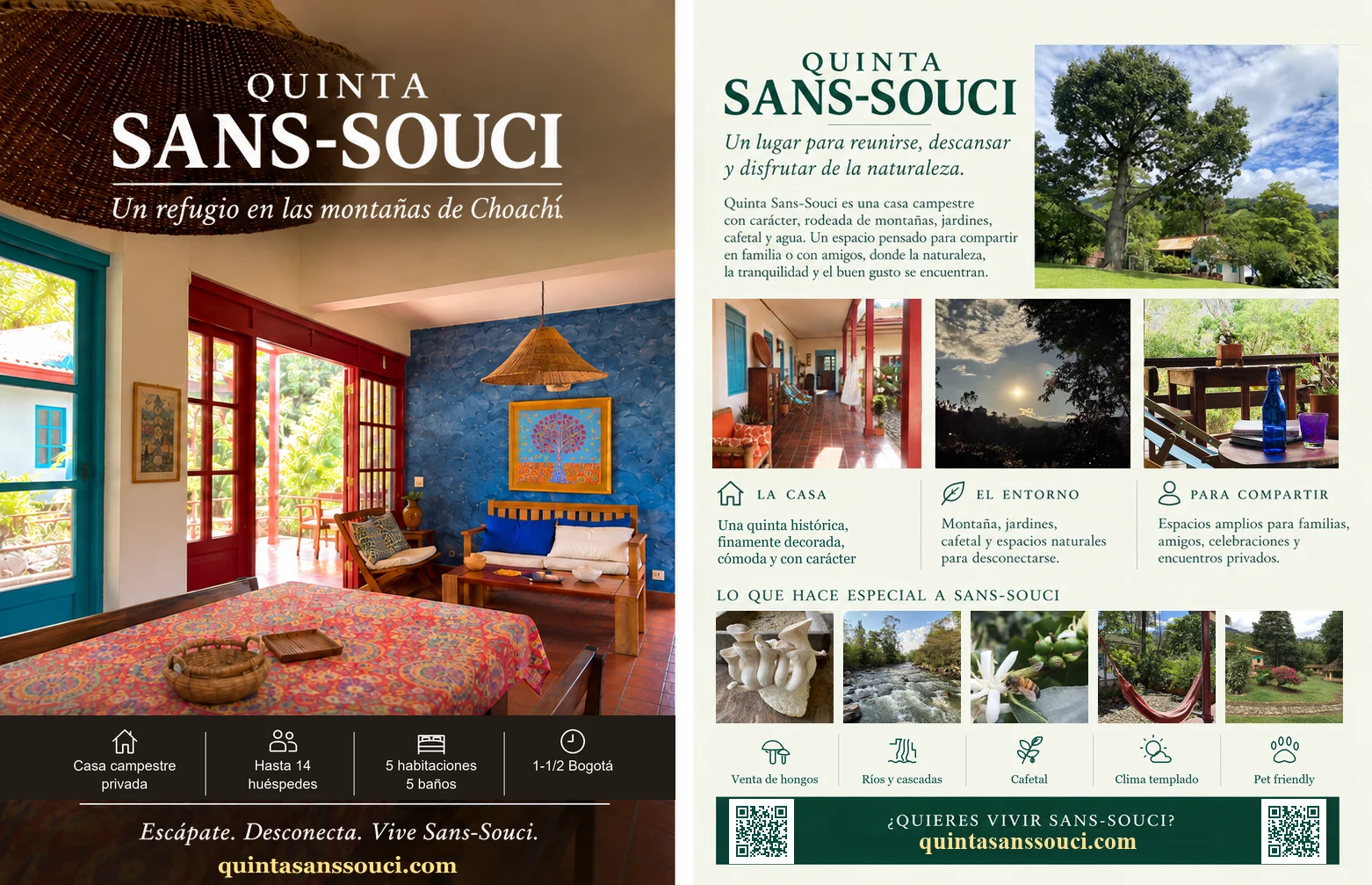
Renting recreation farms for weddings, family celebrations, and corporate retreats in the countryside of Antioquia (such as the Eastern Antioquia region and Rionegro) and the Sabana de Cundinamarca has transformed the independent hospitality sector. Every weekend, hosts and families seek personalized gastronomic experiences that go beyond the rigid menus of conventional hotels. For professional chefs, grill masters, and caterers, this scenario represents a profitable opportunity to work autonomously.
However, cooking outside a traditional commercial kitchen involves severe logistical challenges, clear commercial agreements, and strict compliance with Colombian sanitary standards. Offering a memorable gastronomic service requires combining culinary excellence with an impeccable operational structure.
Legal and Sanitary Requirements: Error-Free Formalization
One of the most frequent mistakes when starting as a private chef or home caterer is assuming that you need a sanitary registration from the National Institute for Food and Drug Surveillance (INVIMA). It is essential to distinguish between competencies: INVIMA regulates and issues sanitary registrations or notifications for packaged and processed foods distributed en masse in retail. The preparation of hot meals, banquets, and tasting menus for immediate consumption at events or private residences is subject to the sanitary-hygienic surveillance of the corresponding municipal or district health secretariat, under the guidelines of Good Manufacturing Practices (GMP).
To operate within the current legal framework in Colombia, you must comply with two fundamental regulatory pillars:
- Certification in hygienic food handling: In accordance with Resolution 2674 of 2013 of the Ministry of Health and Social Protection, all personnel involved in handling, cooking, and serving food must have a medical fitness certificate and a valid training certificate of at least 10 hours per year. If you need to certify your assistants or renew your document, check our guide on the food handling course and card in Colombia.
- Single Tax Registry (RUT): With the Directorate of National Taxes and Customs (DIAN), the main economic activity for this business model corresponds to CIIU code 5621 ("Event catering"), which covers the preparation and supply of food by contract for specific occasions. Keeping your RUT updated allows you to invoice companies and formalize payments with demanding hosts.
Kitchen Logistics in Recreation Farms and Open Spaces
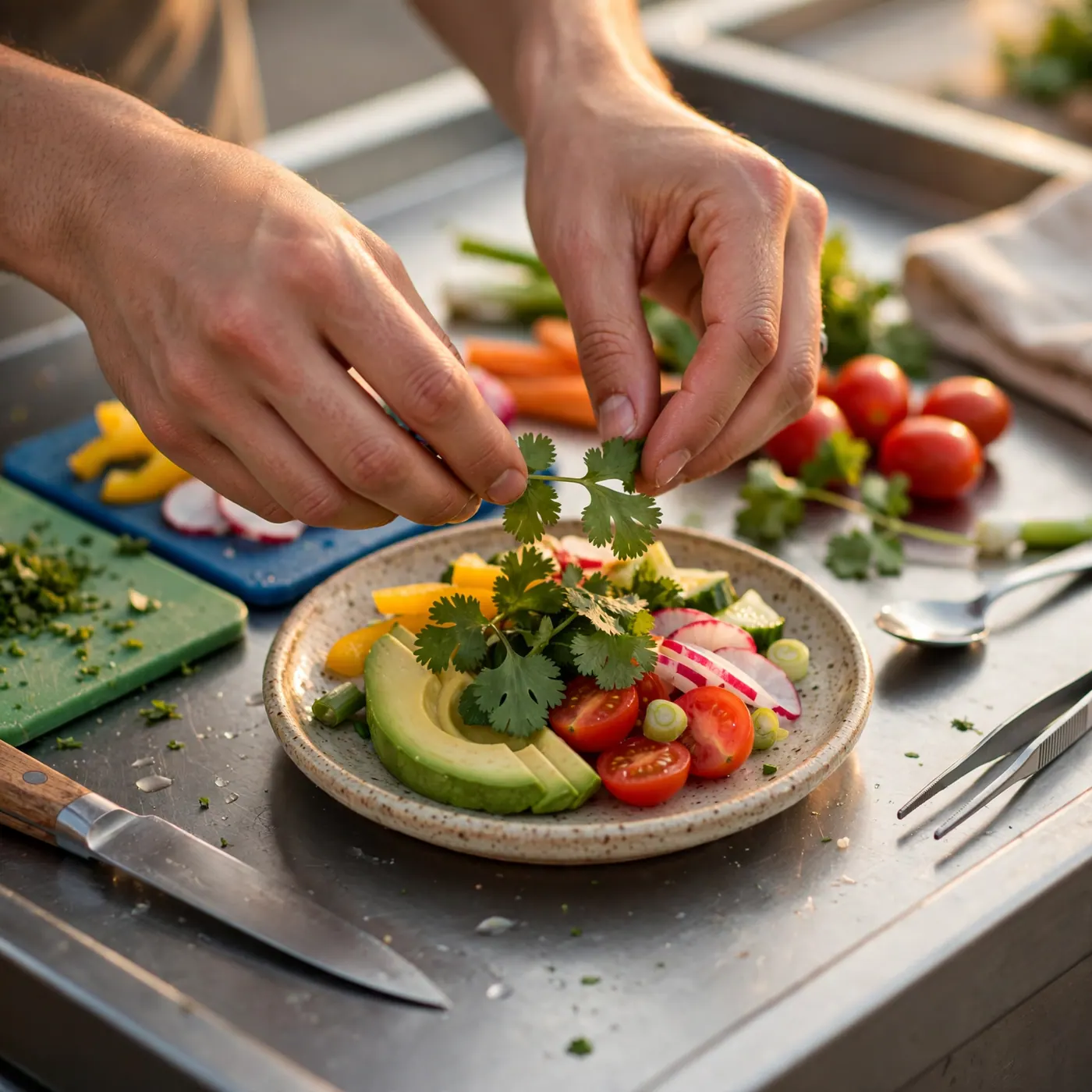
Working on country farms requires meticulous planning. Unlike the controlled environment of a restaurant, in a country house you may find domestic kitchens with worn-out burners, irregular water pressure, or electrical outlets incompatible with high-consumption portable ovens. Additionally, in many properties rented for short events, hosts are unaware of the facility's limits. Knowing the dynamics of listing farms and country houses for short events will help you understand the conditions in which owners turn over these spaces.
Before confirming the final menu, create a technical checklist with the host or farm administrator:
- Energy and gas type: Confirm if the stove works with piped natural gas or propane gas canisters (LPG), and if the voltage available at the outlets can support air fryers, industrial blenders, or processors without tripping the circuit breakers.
- Availability of potable water: In remote rural areas, verify if the property has treated water from the local aqueduct or if it depends on reserve tanks or wells. If in doubt, include bottled purified water in your operating budget for washing vegetables and cooking.
- Cold chain and thermal transport: Inter-municipal transport of marinated meats, dairy products, and base sauces represents the biggest critical control point. In accordance with food safety standards, use airtight isothermal coolers with sealed cooling gels and monitor the temperature with a digital probe thermometer. Never mix raw proteins with ready-to-serve food in the same container to prevent cross-contamination.
How to Quote Menus and Structure Profitable Budgets
Charging by intuition or basing prices on isolated social media posts is the fastest path to financial loss. The value of a private chef or catering service is not simply the market cost multiplied by three. You must consider all direct and indirect variables that make up the experience.
| Quote Item | What it Includes in Practice | Recommended Calculation Criteria |
|---|---|---|
| Raw Material (Food Cost) | Proteins, side dishes, fresh vegetables, spices, oils, and base drinks. | Must represent between 30% and 38% of the base price per guest. |
| Labor and Brigade | Fees for the head chef, assistant cooks, grill masters, and service waiters. | Rate for a full day or event shift (not hourly). |
| Logistics and Travel | Tolls, fuel, heavy equipment freight, extra coal, or ice. | Fixed value based on the municipal distance from your base of operations. |
| Dinnerware and Glassware | Rental or amortization of plates, glasses, linens, cutlery, and trays. | Unit cost per person plus a margin for breakage replacement. |
| Net Operating Margin | Real profit of the business before taxes and operational contingencies. | Range from 20% to 35% on the accumulated subtotal of the event. |
Never present a closed budget without detailing the minimum number of guaranteed guests. If you quote a menu for 20 people and only 12 show up the day before, your fixed costs for transport and assistants remain intact. Always state in your written proposal that the price per plate applies to the agreed base and that additional guests require at least 48 hours' prior notice.
Service Contracts: The 40% to 50% Deposit and Cancellation Policies
In event gastronomy, verbal agreements are a permanent source of conflict. Buying fine meats, seafood, and special vegetables requires outlays several days before the event. For this reason, the most reliable commercial standard in Colombia is to request a contractual deposit of between 40% and 50% of the total value to formalize the date reservation and finance the initial provisioning.
Formalize each event through a service provision contract or a written purchase order that includes essential clauses:
- Payment schedule: Stipulate 50% at the time of signing to block the date on your calendar, and the remaining 50% to be paid either 24 hours before the setup or upon arrival at the location, before starting food service.
- Cancellation policy: Specify that if the client cancels the event with less than five or seven days' notice, the deposit will be non-refundable, compensating for the perishable supplies already purchased and the lost date on your business calendar.
- Weather conditions and location: If the event is outdoors in a garden or country deck, clarify that the client is responsible for providing tents or an alternative covered area for the kitchen and dining area in case of heavy rain.
Strategy to Get Direct Clients Without Intermediary Commissions
Many event platforms and apps charge commissions ranging from 15% to 25% of the total billed, drastically reducing the independent chef's margin. To build a sustainable portfolio of recurring clients in your area, it is essential to develop direct acquisition channels where you maintain control of the negotiation and prices, a fundamental principle we also explore when analyzing how to offer independent services without app commissions.
Apply these three steps to position your professional profile:
- Impeccable visual portfolio: Photograph real setups, tables served in daylight, and clean plating with good natural lighting. Avoid blurry photos taken at midnight with direct flash. Clients buy the aesthetics of the event before tasting the flavor.
- Clarity in geographic coverage: Define exactly the areas where you operate without charging excessive surcharges (for example: Rionegro, the Oriente antioqueño, or the Sabana de Cundinamarca) and communicate an indicative base price range, with menus from a value per person that covers supplies and travel. This immediately filters out curious people without an adequate budget.
- Direct channel to WhatsApp: Make it easy for hosts to contact you instantly to request a PDF menu and check date availability smoothly, without endless forms.
According to the active records in the Colombia Move services section (September 2026), the category has accumulated more than 9,500 views from users interested in home and event solutions, with a notable shortage of ads dedicated to professional catering and country cooks. Publishing your gastronomic proposal in an open space positions you in front of families and organizers who are looking to hire trusted providers in their region.
Frequently asked questions
❓ What health permits does Colombian law require to offer catering at events?
The law requires a medical fitness certificate and a valid food handling card for the entire team according to MinSalud Resolution 2674 of 2013. No INVIMA health registration is required for dishes prepared on-site, but rigorous compliance with Good Manufacturing Practices is required for inspections by the local health secretariat.
❓ What is the CIIU code in the RUT to register catering and banquet services?
The official code in effect before the DIAN is CIIU 5621, corresponding to "Catering for events." Registering this activity on your RUT form accredits you as a formal provider of contract food services for private and corporate clients.
❓ How much money should be charged as a deposit to reserve a banquet or private event?
The standard professional practice in Colombia consists of charging between 40% and 50% of the total value at the time of signing the contract. This percentage guarantees the blocking of the date on the chef's calendar and finances the advance purchase of perishable supplies and proteins.
❓ How to transport meat and perishable products to remote estates safely without breaking the cold chain?
You must use high-density isothermal boxes or airtight coolers with frozen cooling gels to maintain safe temperatures below 4 °C. Carrying a food thermometer allows you to verify that meats and sauces do not reach the thermal danger zone during intermunicipal trips, in accordance with Resolution 2674 of 2013.
❓ What happens if the host cancels the event a few days before the agreed date?
If the current contract includes a clear cancellation clause, the deposit remains with the provider to cover the costs of supplies already purchased and the loss of the work date. In cancellations weeks in advance, rescheduling is usually agreed upon subject to calendar availability.
❓ Where can I promote my home chef or catering services without paying a commission per plate?
You can advertise in the Colombia Move services section and receive requests to your WhatsApp without giving up a percentage per plate. In the ad, you publish your coverage area and photos of real setups, and you can also use other open classifieds portals.


Comments
Loading comments...
Checking sign-in status...