
How to Request the Vehicle History Report and the Certificate of Title for a Car or Motorcycle
The RUNT Vehicle History Report and the certificate of title are not the same document. We explain how to request each one, what the PDF includes, and what to check before buying or selling a used motorcycle or car.

IDIOMA DEL ARTÍCULO
Showing original language
Short answer: the Historical Vehicle Record (Histórico Vehicular) is an informational PDF you request at www.runt.gov.co using the license plate; the certificate of title (certificado de tradición) is a different document and is issued by the transit authority where the vehicle is registered. The first does not replace the second, and the RUNT itself says so.
If you're going to buy a used motorcycle or sell yours, keep this in mind: many people pay for one paper thinking it's the other and then discover they're missing exactly what they needed for the transfer. Here's the step-by-step for each procedure, what each one shows, and what it doesn't.
Two different documents, two different offices
The Historical Vehicle Record is a digital document from the RUNT. It's used to check a car or motorcycle before buying or selling it, and you don't need to be the owner: the license plate is enough.
The certificate of title is issued by the transit authority where the vehicle is registered. It's the paper used when you're asked for the vehicle's title, for example in a sale.
In addition, the Historical Record depends on what the transit authorities and other actors have reported to the RUNT at the time of the query. The concession that operates the RUNT is not responsible for the accuracy of those reports. In practical terms: if an authority hasn't uploaded a piece of data, the PDF won't show it.
| Point | Historical Vehicle Record | Certificate of title |
|---|---|---|
| Who issues it | RUNT (www.runt.gov.co) | Registering transit authority |
| What it is | Informational PDF document | Certificate from the authority |
| How it's requested | With the plate, payment via PSE | According to each authority's procedure |
| Replaces the other | No | No |
Once you're clear on the papers and about to close the deal, the next step is the transfer; for that, see the step-by-step guide to vehicle transfer. The fees for that procedure are in the guide to official transfer fees. It covers Bogotá and Medellín.
How to request the Historical Vehicle Record at runt.gov.co
- Go to www.runt.gov.co and look for the Historical Vehicle Record option (Solicite aquí).
- Enter the plate of the car or motorcycle.
- Fill in your details: name, ID number, email and department.
- At the end, the notice of the right of petition (article 23 of the Constitution) appears. If you want the owner history, mark SÍ.
- Pay via PSE. The amount is the one shown in the portal's calculation before you pay. Don't rely on prices from blogs or old files.
- You receive the PDF in your email. If you need it again, go to Consulte aquí with the plate and the request number.
Watch out for step 4, where people most often make mistakes: the list of owners (name, ID number and ownership dates) arrives in a second PDF, and only if you marked SÍ. If you marked NO, that history won't come, and you'll need to make another request. And it's also no guarantee that the current owner will appear if the authority hasn't reported them yet.
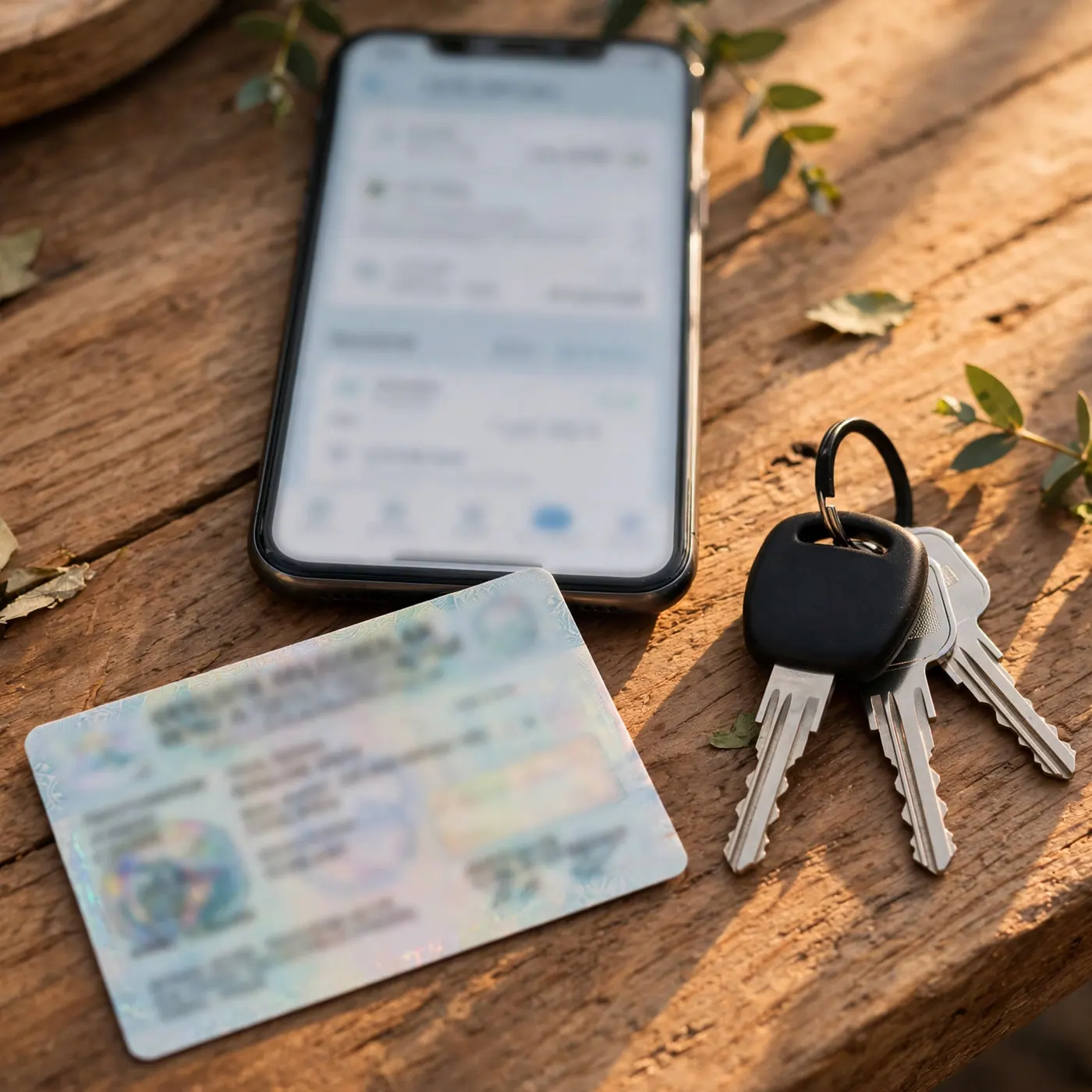
What the PDF includes and what it doesn't
According to the RUNT, the report may show:
- Registration certificate and registering authority.
- Characteristics: engine, chassis, make, line, model, color and service type.
- Liens and precautionary measures (pledges, seizures).
- Warranties and, if they exist, import or auction records.
- Validity of the technical-mechanical inspection and the SOAT.
- Accidents already recorded in the system.
- Owner history, only if you marked SÍ in the request.
What you should not expect: the actual mechanical condition, a workshop appraisal, or accidents nobody reported. If an accident has already been reported in the system, the report may include it. The PDF is paper, not a physical inspection. That's why, even if the report comes back clean, you still need a vehicle appraisal before paying.
Don't expect to see traffic citations or fines explained here either; that's a different query, covered in the guide to traffic citations and fines by plate in SIMIT and RUNT.
Certificate of title: requested where the vehicle is registered
There is no single national button: each transit authority calculates and issues its own. A concrete example: Bogotá. It's the case I can back up with the Ventanilla Única de Servicios de Movilidad.
In Bogotá: $58.400. That amount applies only to a vehicle registered there and recorded in the RUNT (car, motorcycle, self-propelled machinery, trailer or semi-trailer). It was published by the Ventanilla Única, in effect since January 1, 2026, and consulted on October 26, 2026. It is not a national fee: each authority sets its own. The applicant must be registered in the RUNT—if you aren't yet, the registration in the RUNT as a natural person comes first—and payment can be made via PSE or other methods through that window.
- The PDF arrives in your email and remains available for 24 hours on the scheduling page.
- A third party can request it without a power of attorney.
- It doesn't include the owner's ID number, phone or address.
- The certificate with copies of the vehicle's documents is in person and, if the holder isn't the one requesting it, requires a power of attorney, special power of attorney or mandate.
If your vehicle is registered elsewhere, check the procedure with your transit authority or its mobility secretariat; don't assume the amount or the process is the same.
Before posting your motorcycle
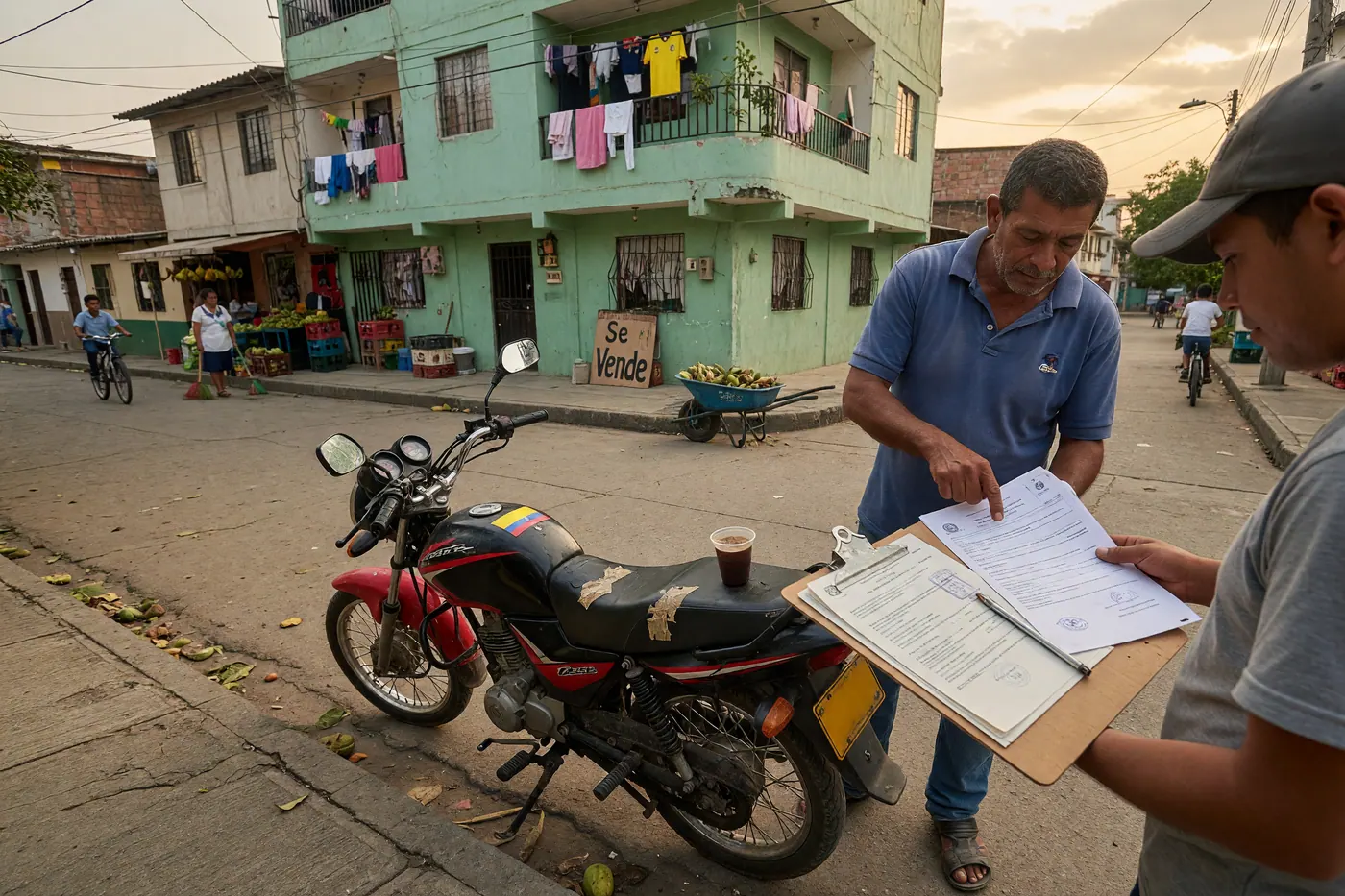
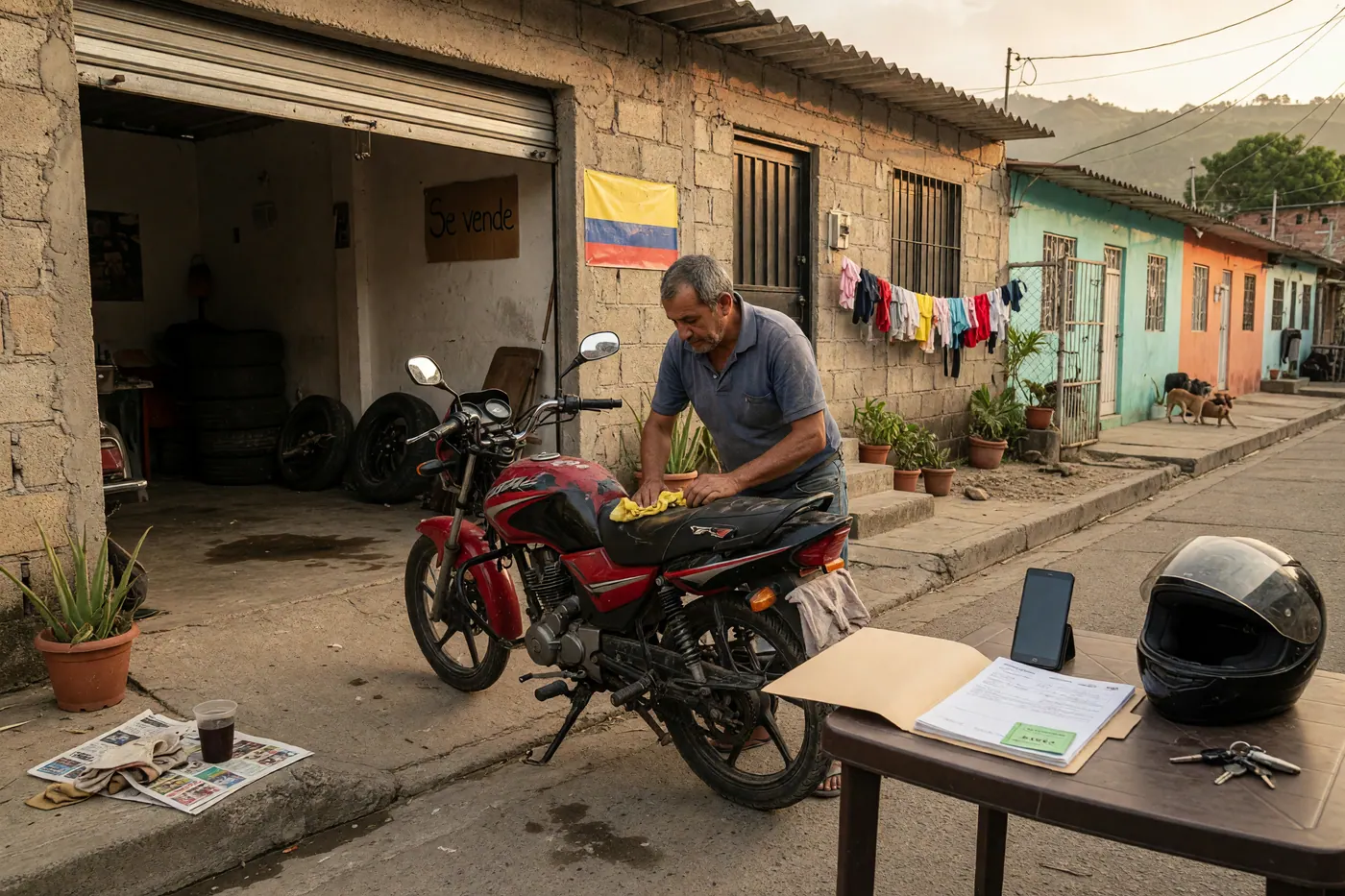
If you're selling, get your own Historical Record before writing the listing. Cross-check three things against what you're going to say: the owner, the pledges and the seizures. A listing that says "papers up to date" when the report shows a registered pledge will cost you serious buyers and, worse, an argument at the moment of payment.
If there's a pledge or seizure, say so in the listing from the first line and don't present the motorcycle as free of liens. Selling that way is possible, and in this guide on how to sell with a registered pledge you'll find the details of the process. To put together the motorcycle listing, also see how to sell a motorcycle in Colombia without commission. Before writing the plate in the ad, check what to look for in RUNT, SOAT and fines. Photos don't replace the PDF: a buyer who knows what they're doing will ask to see the report.
An honest note: the procedure is a bit tedious and depends on the authorities having reported correctly; sometimes the report comes back with data that doesn't match reality, and you'll have to go to the authority to correct it before selling.
How to recognize the official channel
The only official RUNT portal is www.runt.gov.co. If a page charges you to "check the plate" or imitates the RUNT design, it is not the official channel. Payment via PSE should come from the request made within runt.gov.co.
Also be careful not to confuse tools: the citizen query by plate and owner's document, which shows the validity of the SOAT and technical-mechanical inspection, is not the Historical Vehicle Record or the certificate of title. For phone numbers and support channels, use those published at runt.gov.co on the day you make the request, not those in old documents.
Frequently asked questions
❓ Does the Historical Vehicle Record replace the certificate of title?
No. The certificate of title is issued by the transit authority where the vehicle is registered. The Historical Record is an informational RUNT document and depends on what the authorities and other actors in the system have reported.
❓ Do I have to be the owner to request it with the plate?
No. Anyone with the plate can request it at www.runt.gov.co and pay via PSE. You only need to fill in your own details as the applicant and an email where you'll receive the PDF.
❓ How do I see previous owners?
At the end of the request, mark SÍ in the notice of the right of petition under article 23 of the Constitution. The list arrives in a separate PDF. If you mark NO, that history won't come, and it's also not guaranteed that anything the authority hasn't reported will appear.
❓ How much does the Historical Vehicle Record cost?
It's the amount shown in the calculation at runt.gov.co before you pay via PSE. Verify the current figure. Prices from old files or blogs may be outdated.
❓ Where do I request the certificate of title?
At the transit authority where the vehicle is registered. Example: Bogotá. There, for a vehicle already registered in the RUNT, the virtual certificate from the Ventanilla Única costs $58.400, consulted on October 26, 2026. Other authorities set their own amount and their own process.
❓ Does the free plate query already include the full history, or is a page that charges for the plate a scam?
The free plate query doesn't include the full history, and a page that charges only for checking the plate is not the official channel. That portal query is useful for seeing information such as the validity of the SOAT and technical-mechanical inspection. The Historical Vehicle Record is a separate procedure, with a request and payment, and the owner history only comes if you ask for it.
❓ What do I write in the listing if there's a pledge or seizure?
State that limitation explicitly in the post and don't present the vehicle as free of liens. Being clear from the start avoids arguments and filters out buyers who can actually close the deal.

Comments
Loading comments...
Checking sign-in status...