
How to Post Local Courier and Delivery Services Without Paying App Commissions
A practical guide for couriers and delivery drivers in Colombia looking to attract direct clients, calculate fair rates per kilometer, and post their services without depending on delivery apps.
IDIOMA DEL ARTÍCULO
Showing original language
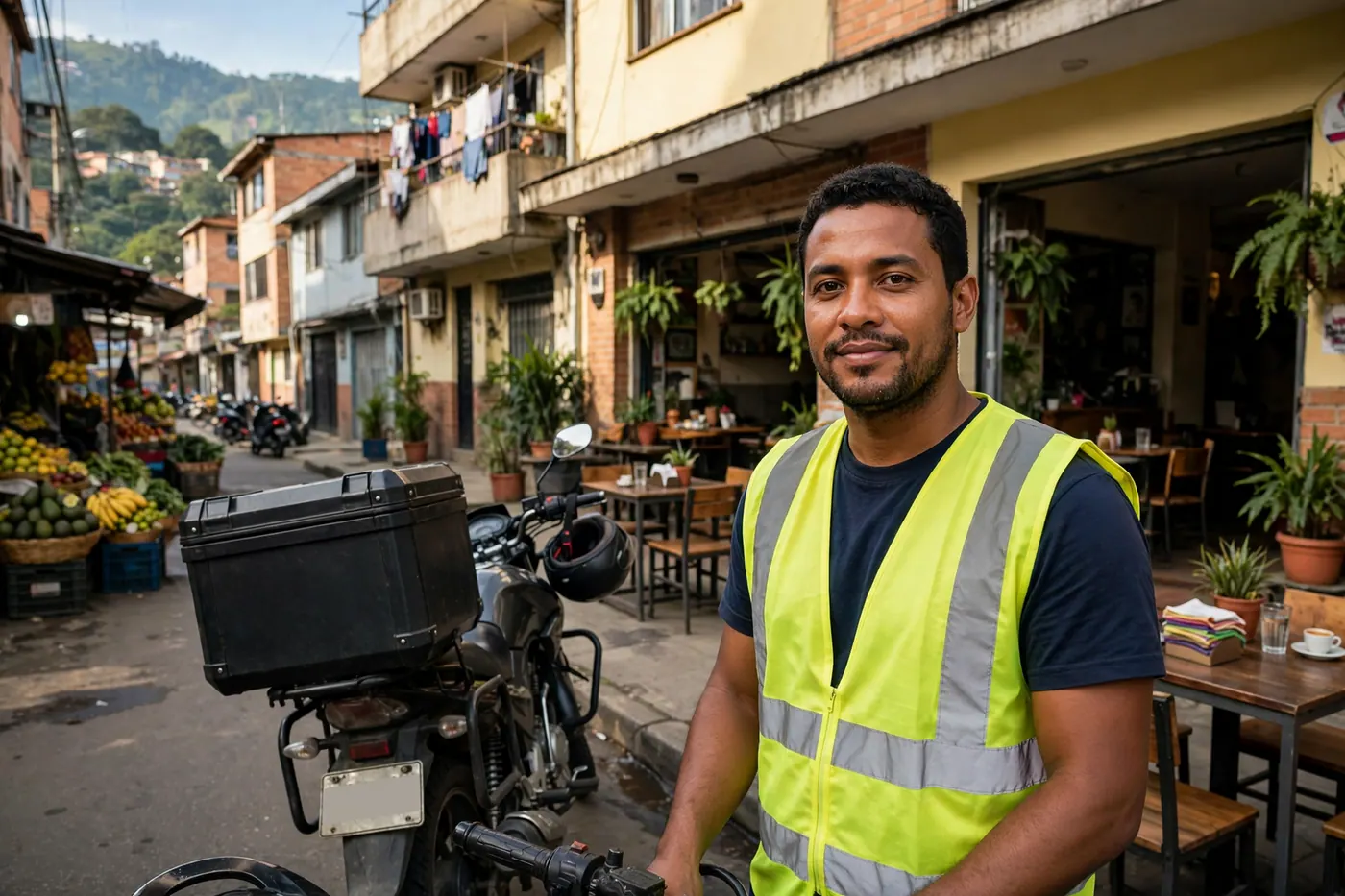
Depending exclusively on delivery apps or logistics platforms has become a dilemma for thousands of delivery workers in Colombia. Between retention percentages that eat into the profits of every trip, algorithmic sanctions with no right of reply, and dynamic pricing that doesn't always make up for the wear and tear on the motorcycle, many delivery workers are looking to take the step toward true independence.
Creating your own direct client base—by serving neighborhood pharmacies, local restaurants, law offices, notary offices, or e-commerce stores—allows you to keep 100% of what you earn and build stable business relationships. In this guide, we explain how to structure your private urban courier business, protect your legal reputation, and publish your services on direct channels without paying a single peso in commissions.
Legal requirements and trust factors for operating independently
When a local business or office hires a courier without intermediaries, their biggest concern is not the price, but the safety of their packages, documents, and money. Therefore, the first step to getting fixed clients is to present your credentials in order.
According to national traffic regulations (Law 769 of 2002), every motorcyclist providing urban transport or courier services must have:
- A2 Category Driver's License: Valid and registered in the traffic system.
- Compulsory Traffic Accident Insurance (SOAT): Active to respond to any medical eventuality on the road.
- Techno-Mechanical Inspection Certificate (RTM): Up to date, guaranteeing that the vehicle meets minimum safety and emission conditions.
The best selling point when dealing with a company or restaurant is to offer your national ID number and your vehicle's license plate for an immediate public query on the National Unique Traffic Registry (RUNT)platform. When a client verifies for themselves that your documents are up to date and you have no serious pending issues, the barrier of mistrust disappears immediately.
💡 Recommended reading: Check out our guide on how to organize your routes and equipment when offering delivery and urban courier services in Colombia.
How to structure your urban rates without losing money
The most common mistake for rookie independent couriers is to charge 'by eye' or copy standard app rates without calculating the real operating cost of the motorcycle (gasoline, oil changes, tire wear, and wait time). To charge accurately in cities like Bogotá, Medellín, or Cali, the ideal approach is to structure a tiered and transparent formula:
| Tariff Concept | Recommended billing criteria | Operational observations |
|---|---|---|
| Base minimum trip | 2 to 4 km radius from your starting point | Covers start-up, initial fuel, and basic pickup time. |
| Additional kilometer | Fixed value for each km that exceeds the base | Calculated based on the fastest GPS route. |
| Stop or extra point | 40% to 60% surcharge on the base rate | Applies when additional packages are picked up or delivered on the same route. |
| Waiting time or administrative errand | Fraction charged every 15 minutes after the initial courtesy period | Essential for bank errands, notary signatures, or filing invoices. |
| Night or extreme rain surcharge | Previously agreed percentage addition | Compensates for increased risk and reduced average speed. |
Publishing your rates with this clear structure avoids awkward haggling and conveys a professional image that businesses value and respect.
Operational security: cash on delivery and package confirmation
Handling high-value shipments and cash collections represents the greatest risk in independent courier work. To protect yourself and your client's merchandise, adopt rigorous protocols from day one:
- Prioritize immediate digital transfers: Encourage the end client to pay using mobile wallets like Nequi or Daviplata at the exact moment of receiving the package. You should only release the product once the business confirms receipt of the money in their account or you verify the credit if the collection was delegated to you.
- Set a cash limit for collections on delivery: If you carry cash, establish a prudent limit per route. When receiving bills, learn to recognize security marks and features to avoid fraud; you can consult our guide on how to identify fake bills in Colombia and avoid cash fraud.
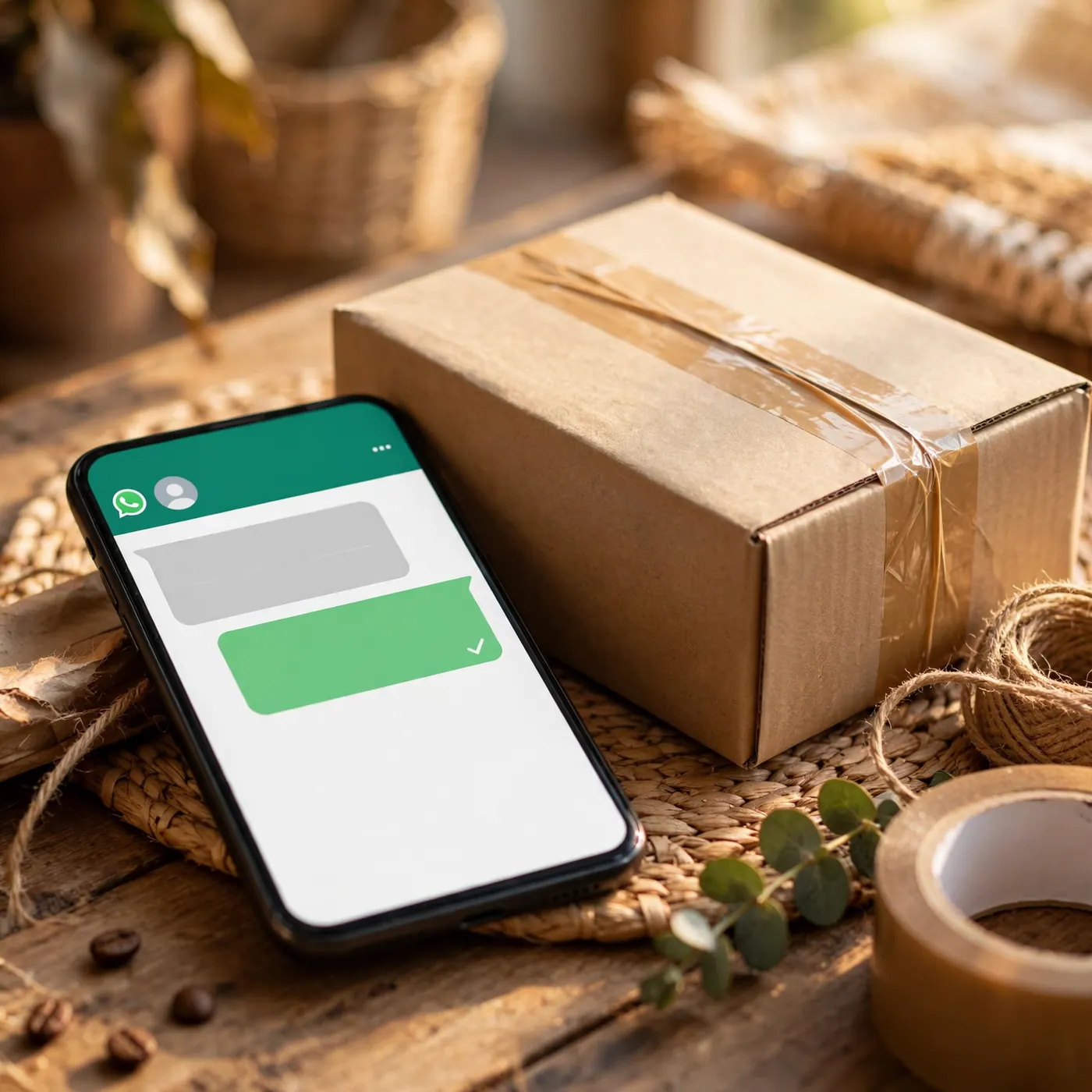
- Mandatory photographic proof via WhatsApp: Each delivery must be closed with a clear photograph of the package in the hands of the receiver or at the building's reception, recording the time and date. This digital record is your backup in case of any disputes regarding losses or delays.
- Visual inspection of the packaging: Never transport open or poorly sealed packages, or those whose content has not been declared beforehand in a general way. If the client seals the box in front of you, both parties are protected.
Social security and contributions as an independent worker
Working outside of apps implies taking direct control of your social protection. In Colombia, current legislation (supervised by the UGPP) establishes that independent self-employed workers who earn monthly net income equal to or greater than one current legal minimum monthly wage (2026 SMMLV: COP 1,750,905) must make comprehensive contributions to health, pension, and occupational risks.
To calculate your contribution, the legal presumption is applied based on a Contribution Base Income (IBC) of 40% of the net income earned in the month. This process is easily handled through electronic payroll operators (PILA). If you enter into service provision agreements with formal companies or businesses, they usually require your certificate of affiliation to an Occupational Risk Administrator (ARL), generally in risk class IV or V due to constant motorcycle use. Learn the details of this process in our article on ARL affiliation for independent workers with service provision contracts.
How to write an effective ad to attract direct clients
To get companies and businesses to call you every week, your internet ad must immediately answer the needs of the hiring party. Forget generic phrases like 'I do cheap deliveries' and write a structured profile with the following elements:
- Professional and direct title: Indicate the vehicle, city, and specialty (for example: 'Urban Motorcycle Courier for E-commerce and Offices — North and Center Coverage').
- Delimited coverage areas: Specify the neighborhoods, localities, or nearby municipalities where you regularly operate. Clients prefer couriers who know the routes in their sector.
- Available services: Specify if you handle banking errands, document filing, food delivery, express parcel services, or last-mile services.
- Cargo capacity: Describe your equipment (N-liter waterproof rigid trunk, reinforced rack, securing straps).
- Availability and hours: Detail your working hours and average response time for immediate or scheduled requests.
According to active listings on Colombia Move (September 2026), there are 2 active listings in the delivery category, while internal searches for "delivery and courier services offered" still lack sufficient results. Publishing your profile on the platform positions you directly in front of local merchants looking for trusted delivery riders without intermediaries.
Frequently asked questions
❓ What documents do I need to publish urban courier services privately in Colombia?
You need your ID (cédula), a valid A2 license, an active SOAT, and up-to-date mechanical inspection (RTM). With these documents, the client can verify your information via RUNT, according to the 2026 citizen inquiry.
❓ How can I charge for rides and deliveries to direct clients without losing money?
Charge a base rate for 2 to 4 km and add an amount per extra kilometer measured by GPS. In 2026, it is better to agree on surcharges for stops, waiting times during errands, or rain, rather than a flat, arbitrary price.
❓ How can I prove I am a safe and reliable courier for a company?
Provide your ID and license plate to verify your SOAT and RTM in the RUNT. Add a National Police background check and references from businesses; that public inquiry remains valid in 2026.
❓ Must I pay social security if I work as an independent delivery rider?
Yes: if your net monthly income reaches 1 SMMLV (Minimum Monthly Wage), you must contribute to health, pension, and occupational hazards (ARL). In 2026, the PILA system uses a presumptive contribution base (IBC) of 40% of that income, according to the UGPP.
❓ What should I do if a client asks for cash-on-delivery collection?
Set a cash limit and request a transfer via Nequi or Daviplata upon delivery. Do not hand over the package until payment is confirmed; in 2026, the most common risk remains counterfeit bills.
❓ How much does it cost to publish my courier listing on Colombia Move?
Publishing the listing is free and there is no commission per ride or per contact. In 2026, you agree on the price of each errand with the client outside of the platform.



Comments
Loading comments...
Checking sign-in status...