
San Andrés Island, Colombia: The Honest Visitor's Guide
The Sea of Seven Colors is real, the diving is excellent, and the rondón is worth the flight. Here's everything you need to know before visiting San Andrés Island.
IDIOMA DEL ARTÍCULO
Showing original language
San Andrés sits roughly 750 kilometers from the Colombian mainland, closer to Nicaragua than to Bogotá, and the moment you step off the plane into that flat Caribbean heat you realize you've arrived somewhere with its own distinct identity. The Raizal people — Afro-Caribbean, English-Creole speaking, Baptist — have lived on this 27-square-kilometer island for generations. Tourism arrived hard and fast, transforming the northern coast into a duty-free strip and resort zone, while the southern interior and the neighboring island of Providencia stayed closer to what the archipelago has always been.
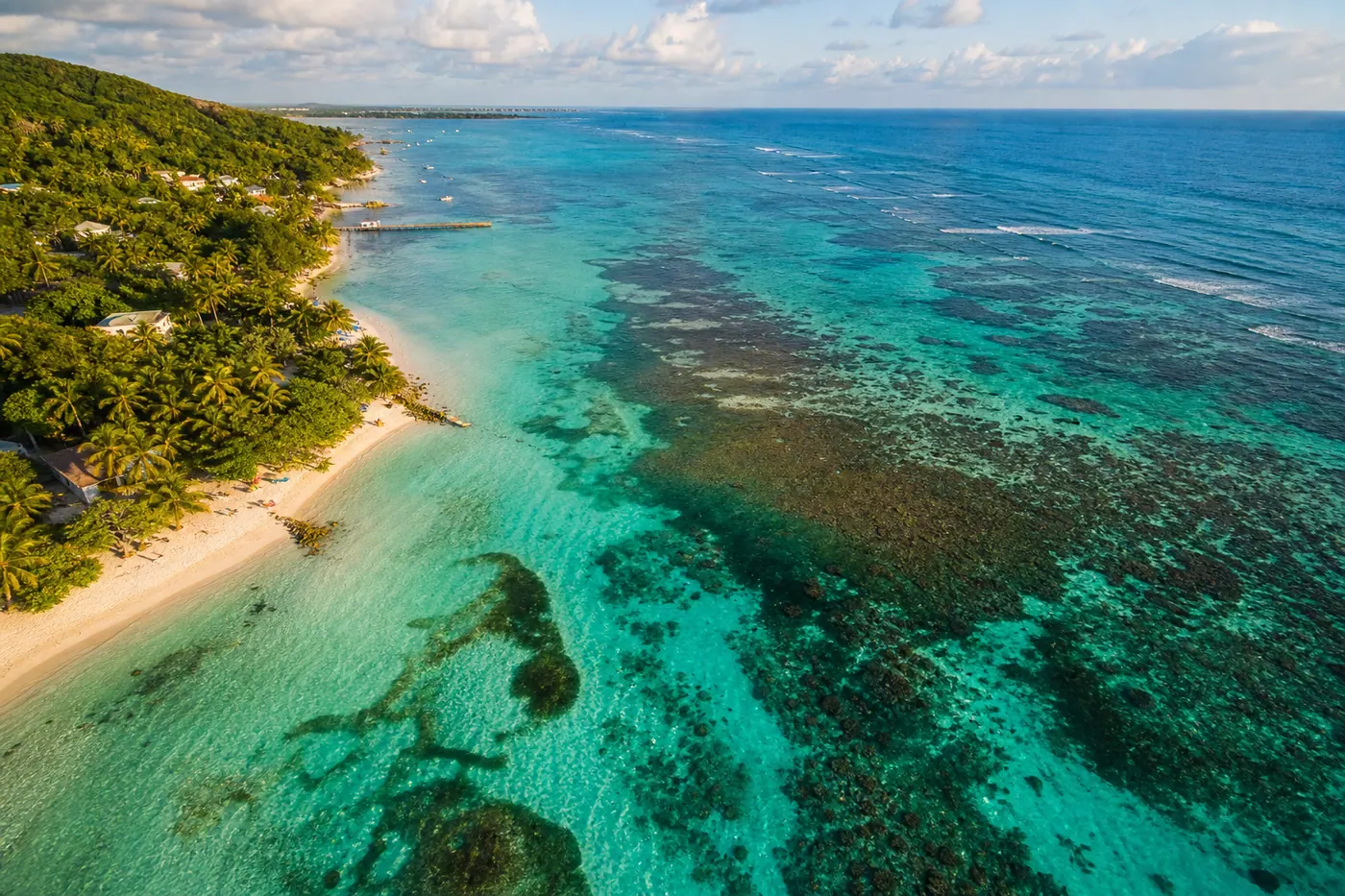
The honest version: San Andrés is beautiful in the ways the photos promise — the Sea of Seven Colors near Johnny Cay really does look like that, the diving is genuinely excellent, and the seafood is some of the best I've had in Colombia. But it's also crowded during high season, can feel overtouristed in the main beach areas, and the duty-free shopping district around Avenida Colombia is chaos. If you go in knowing what it is, you'll have a great time. If you arrive expecting an undiscovered paradise, you'll be disappointed.
What follows is a practical guide for both first-timers and people deciding whether the mainland Caribbean alternatives (Santa Marta, Tayrona) might suit them better.
San Andrés at a Glance
- Getting there: domestic flight only — Avianca, Wingo, JetSMART from Bogotá, Medellín, Cali
- Tourist card (tarjeta de turismo): mandatory for all visitors, ~$35,000–40,000 COP, paid on arrival
- Currency: COP; USD accepted at many shops
- Best time: December–March or July–August (dry seasons); avoid October–November
- Flight time: ~1.5h from Bogotá, ~2h from Medellín or Cali
- Must-do: Johnny Cay day trip, La Piscinita snorkeling, rondón stew
- Skip if: you want seclusion — go to Providencia instead
Getting to San Andrés
There are no roads from the mainland — the only way in is by plane. Flights depart from Bogotá (El Dorado), Medellín (Rionegro), Cali, and occasionally Cartagena. Avianca runs the most frequencies; Wingo and JetSMART offer cheaper tickets if you book early. Flight time is about 1.5–2 hours depending on origin.
Prices vary a lot by season. High season (December–January and Semana Santa) can push round-trip fares to $400,000–600,000 COP or more from Bogotá. Book 3–4 weeks out for reasonable prices, or 6–8 weeks out during holidays. Wingo and JetSMART frequently run flash sales.
One thing that surprises first-timers: the tourist card (tarjeta de turismo). Every visitor — including Colombian nationals — must pay this fee on arrival. It's currently around $35,000–40,000 COP per person and is non-negotiable. Some airlines include it in your fare, most don't. Have cash or a card ready at the airport.
There's also a soft quota on visitor numbers — the island limits annual visitors to around 500,000 to protect the ecosystem. During peak season this means flights book out well in advance, so plan ahead if you're going in December or January.
Where to Stay
The island divides roughly into three zones for accommodation:
The North End (along Spratt Bight and Av. Colombia) is where most hotels concentrate — convenient to the beach and restaurants, but noisy at night and right in the tourist heartland. This is where you'll find the chain hotels (Decameron, NH, GHL) and most mid-range options.
Sound Bay and La Loma (central and southern) are noticeably quieter and more local in character. Staying here means a short taxi or scooter ride to the main beaches, but you'll pay less and hear fewer jet skis. Several small locally-owned guesthouses operate in this zone.
Budget travelers often end up in El Centro, near the airport, which is chaotic but cheap. Not ideal for beach access.
One strong opinion: rent a golf cart or scooter for at least one day. The island is small enough to circumnavigate completely in under an hour, and having your own wheels makes every part of it accessible. Golf cart rental runs $70,000–120,000 COP per day.
The Beaches — What They're Actually Like
Spratt Bight is the main beach running along the north coast. It's wide, easily accessible, and lined with vendors, parasailing operators, and food stalls. It's not secluded, but the water is genuinely clear and the beach is kept reasonably clean. Good for a social beach day; not great if you want peace.
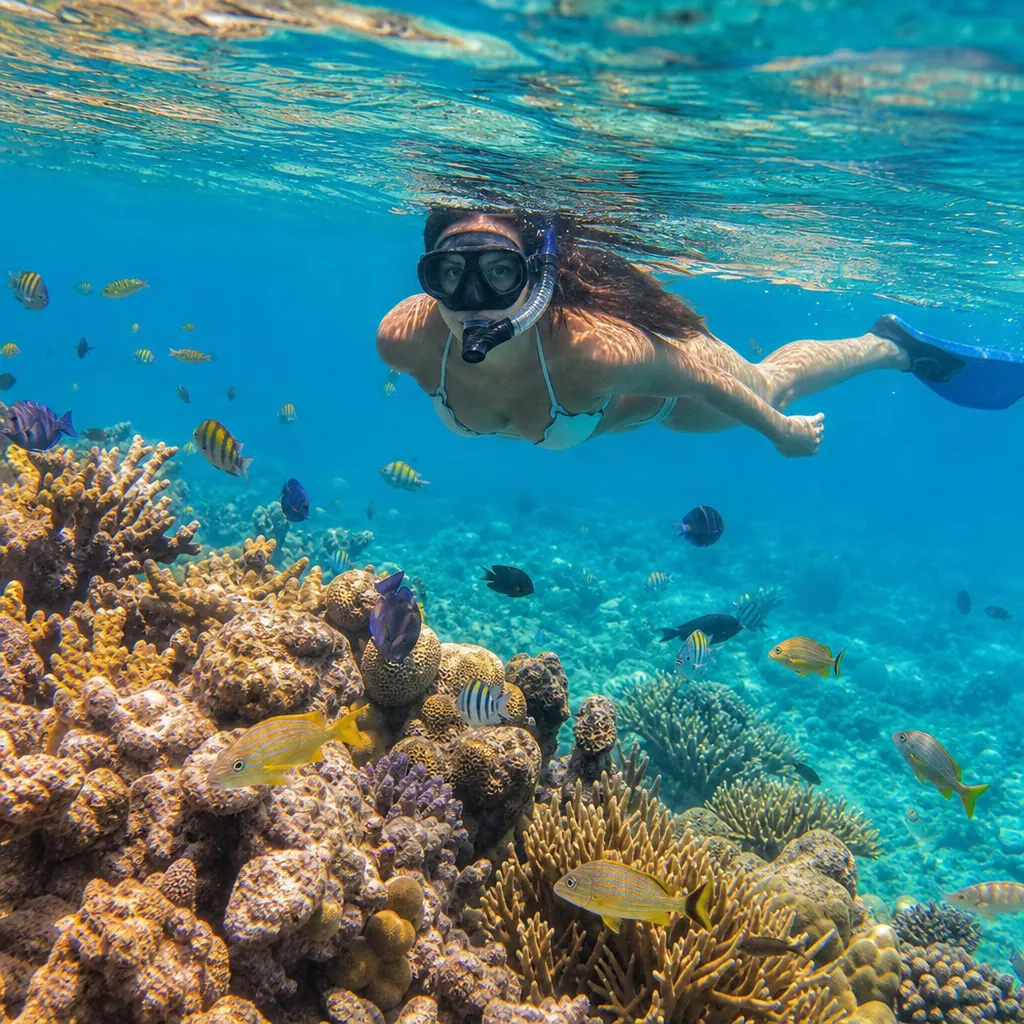
La Piscinita (or Piscina Natural) on the western side of the island is where I'd spend most of my time. This is a protected natural pool formed by a coral reef just offshore, shallow enough to wade in, with incredible snorkeling right from the shore. No boat required. You can see rays, sea turtles (occasionally), and a dense variety of reef fish. There's a small entrance fee (~$5,000 COP) and a basic restaurant on site.
Rocky Cay and Cocoplum Beach on the southeastern shore are less developed and popular with locals on weekends. Rockier underfoot but worth it if you want to escape the tourist density.
El Cove is a quiet bay near La Loma that most visitors skip entirely. Calmer water, a few small fishing boats, and genuinely no crowds on weekdays.
Diving, Snorkeling, and the Johnny Cay Day Trip
San Andrés is part of the Seaflower UNESCO Biosphere Reserve, and the diving reflects that. Visibility regularly exceeds 25–30 meters, water temperature stays around 28°C year-round, and the reef systems — including the iconic wall dives and caverns around Nirvana and The Pyramid — are some of the best in the Caribbean outside of Belize and Cayman. A single-dive package runs $80,000–120,000 COP including equipment rental; PADI Open Water courses are available too.
The Johnny Cay day trip is the must-do on San Andrés. Boats leave from the main dock roughly every 30 minutes starting at 8am, cost around $30,000–50,000 COP each way, and take 20 minutes. Johnny Cay is a small coral island with powdery sand and the famous multi-colored water that every San Andrés photo features. Go early (arrive by 9am) — by midday the island is packed and the boat queue is long.
Acuario and Haynes Cay are nearby stops often combined with Johnny Cay on boat tours. Acuario is a shallow sandbar where you can wade knee-deep among starfish and stingrays — genuinely impressive. Combined boat tours run $60,000–80,000 COP and typically visit 2–3 cays in a morning.
One note on connectivity: the reefs and cays have no cell service. If you're worried about staying reachable, download offline maps and let people know your plan. For data coverage on the island itself, Colombian SIM cards (Claro has the best signal) work fine, or pick up a travel eSIM before you arrive.
If you're heading to multiple destinations across Colombia, a data eSIM from Saily covers Colombia well and saves you the hassle of buying a local SIM at each destination.
What to Eat in San Andrés
Rondón is the dish to order. It's a Caribbean stew made with coconut milk, snails (caracoles), fish, plantains, yuca, and breadfruit, simmered for hours into something that tastes like nowhere else in Colombia. Every restaurant in the La Loma area does a version; the version at Miss Celia's (if she's still operating) is worth seeking out. Don't rush it — rondón is a weekend dish and often takes an hour to prepare.
Fresh crab is everywhere and absurdly cheap compared to the mainland. Grilled whole or stuffed and baked, it's one of those meals that justifies the trip. Pair it with patacones (fried plantain) and a coconut-based sauce.
The North End restaurant strip is tourist-priced and mediocre on average. Venture into El Centro and La Loma for better cooking at lower prices. La Regatta is a reliable mid-range option with solid views; La Fonda Antioqueña is a decent spot if you want a break from seafood.
Fresh fruit juices made with local tropical varieties — breadfruit, sapote, mamoncillo — are worth trying at the mercado municipal on a weekday morning.
San Andrés vs Providencia — Which One is Right for You?
Providencia is San Andrés's smaller, much less developed neighbor, reachable by a 40-minute propeller flight from San Andrés (a few flights daily, limited seats — book well in advance). The contrast is dramatic.
| San Andrés | Providencia | |
|---|---|---|
| Vibe | Resort town, busy | Remote Caribbean village |
| Beaches | Developed, accessible | Wild, secluded, stunning |
| Diving | Excellent, many operators | World-class, fewer crowds |
| Accommodation | All budgets, plentiful | Limited, book far ahead |
| Nightlife | Active | Minimal |
| Connectivity | Decent cell service | Weak to nonexistent |
| Best for | First-timers, couples, groups | Serious divers, escapists |
If you have 4 days, consider splitting 2 nights on each island. If you have only a weekend, San Andrés is the default choice. If you want to escape entirely and genuinely disconnect — go to Providencia and leave the laptop at home.
Keep Reading
Practical Tips Before You Go
Travel insurance matters here — you're in a remote island location, medical facilities are limited, and getting evacuated to the mainland is expensive. SafetyWing Nomad Insurance covers emergency medical and evacuation globally and is worth it for any island trip.
- Book flights at least 3 weeks out; 6–8 weeks during Christmas and Semana Santa
- The tourist card (~$35,000–40,000 COP) is mandatory — have cash ready at the airport
- Claro has the strongest mobile signal on the island; other carriers work too
- Sunscreen is essential — Caribbean UV is intense; reef-safe sunscreen is worth using near La Piscinita
- Most beaches have vendors — negotiate jet ski and boat rates, they're often quoted high for tourists
- ATMs exist near El Centro but run out of cash during peak weekends — bring enough COP
- Johnny Cay gets packed after 11am — take the first boat of the day
- If you're prone to seasickness, the crossing to the cays can be choppy
San Andrés isn't the hidden gem it maybe once was, but it delivers on the things it promises: proper Caribbean water, good diving, and a food culture distinct from anything on the mainland. Go for the snorkeling and the rondón, rent a golf cart and drive around the whole island at least once, and take the boat out to Johnny Cay before the day crowd arrives. If you want more peace, add a night or two in Providencia — it's worth the extra flight.
Subscribe for More Colombia Travel Guides
More guides to Colombia's cities, beaches, and hidden spots — delivered to your inbox.
Frequently Asked Questions
❓ Do Colombian nationals need a tourist card for San Andrés?
Yes. The tarjeta de turismo is mandatory for everyone visiting San Andrés — Colombians included. It costs around $35,000–40,000 COP per person and is paid on arrival at the airport. Some airlines include it in the fare; check your booking before assuming it's covered.
❓ When is the best time to visit San Andrés?
December through March is the main dry season — clear water, less wind, best diving visibility, but also peak prices and crowds. July and August are a second dry window and slightly less crowded than the Christmas period. Avoid October and November if possible — those are the wettest months and seas can be rough.
❓ Is San Andrés good for scuba diving?
Very much so. San Andrés is consistently ranked among the top dive sites in the Colombian Caribbean. The Seaflower Biosphere Reserve protects the reef system, visibility is excellent year-round, and there are options from beginner-friendly shallow dives to advanced wall dives. Multiple operators offer PADI certification courses on the island.
❓ How do I get from San Andrés to Providencia?
By air — small propeller planes (Satena, occasionally charter services) fly the 20-minute route several times daily. Seats are limited, so book as soon as you know your dates. There is also a high-speed ferry service (technically available but irregular — check current status before relying on it). Budget for the tourist card again on Providencia.
❓ What currency should I bring to San Andrés?
Colombian pesos (COP) for everyday spending. USD is accepted at duty-free shops and some tourist-facing businesses, but you'll get better rates paying in COP. There are ATMs in El Centro, but they run out of cash during busy weekend periods. Bring enough COP from the mainland to be safe.



Comments
Loading comments...
Checking sign-in status...