
How to Deposit Money from the Sale of a Car or House into Your Colombian Bank Account
Selling a vehicle or property involves moving significant amounts of money. Learn the exact documents needed to support your transaction with the bank and avoid having your funds frozen.
IDIOMA DEL ARTÍCULO
Showing original language
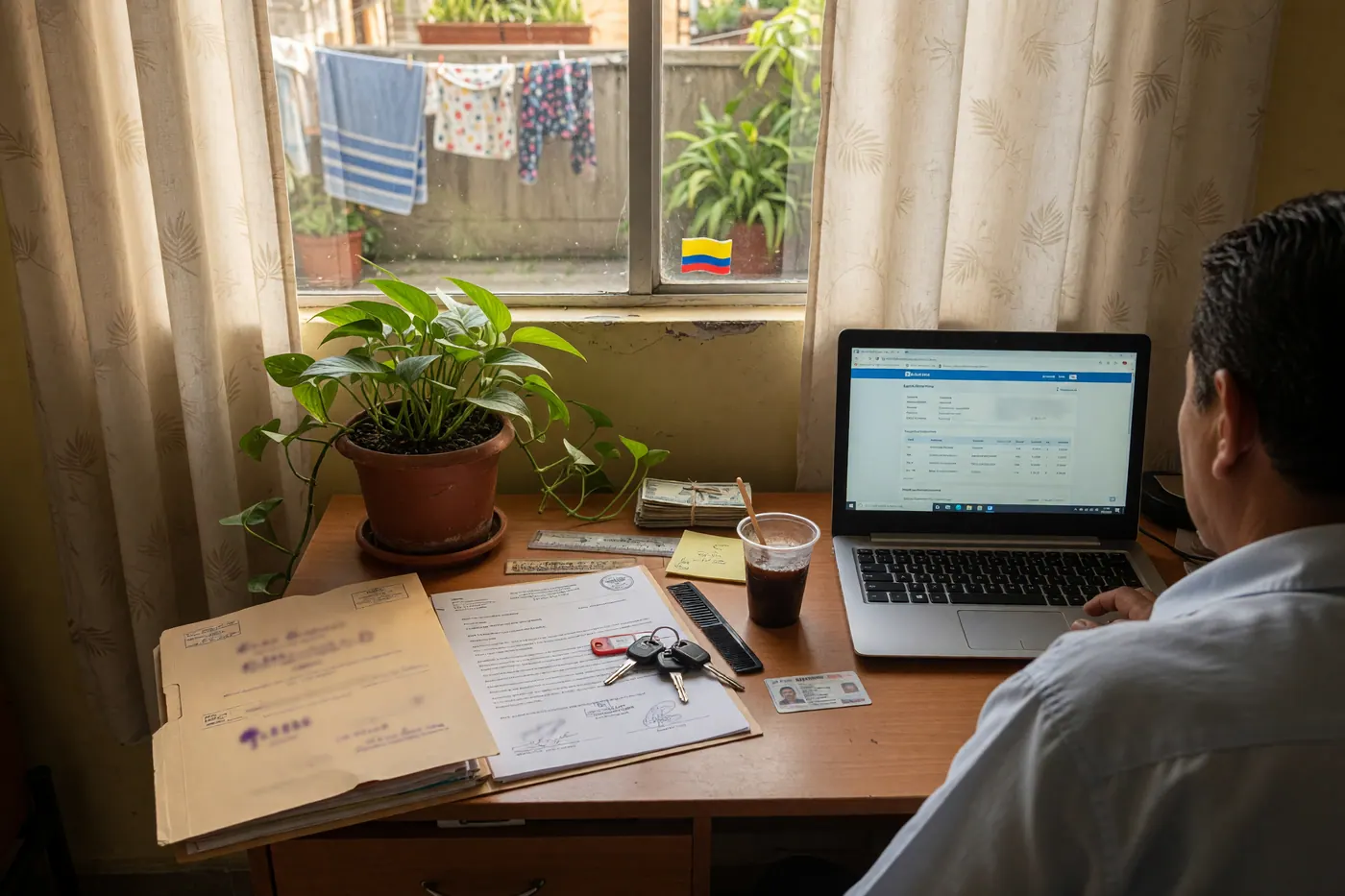
Closing a vehicle or property sale is a major achievement, but for many private sellers in Colombia, the real headache begins when it is time to bank the money. Upon receiving a high-value transfer or attempting to deposit the payment at a teller window, it is common for the financial institution to place the transaction under review, immediately request supporting documentation, or temporarily block the funds.
This procedure is not arbitrary or a specific sanction; it responds to prevention protocols required by national regulations. Understanding how source-of-funds verification works and preparing the appropriate document package before the transaction allows the money to enter your savings or checking account without unjustified delays.
Why the bank requests supporting documents when receiving large amounts
In Colombia, all financial institutions overseen by the Financial Superintendency of Colombia are required to implement the System for the Administration of the Risk of Money Laundering and Terrorism Financing (SARLAFT), within the framework of Law 1121 of 2006. Under this framework, each bank establishes transactional profiles for its clients based on their regular income, occupation, and declared economic activity.
When a sum enters your account that drastically breaks your usual deposit pattern, the automatic compliance systems issue an alert. At that point, the compliance officer or the teller must apply a due diligence procedure to verify where the money comes from.
It is very important to clarify that there is no single legal amount in pesos that automatically triggers the request for supporting documents for all institutions. Each bank defines its own internal operational thresholds within its risk model. Therefore, relying on rumors about exact figures can lead to surprises; it is prudent to assume that any income from the sale of a high-value asset will require documentary justification.
Bank transfers vs. cash: the risk of the financial trail
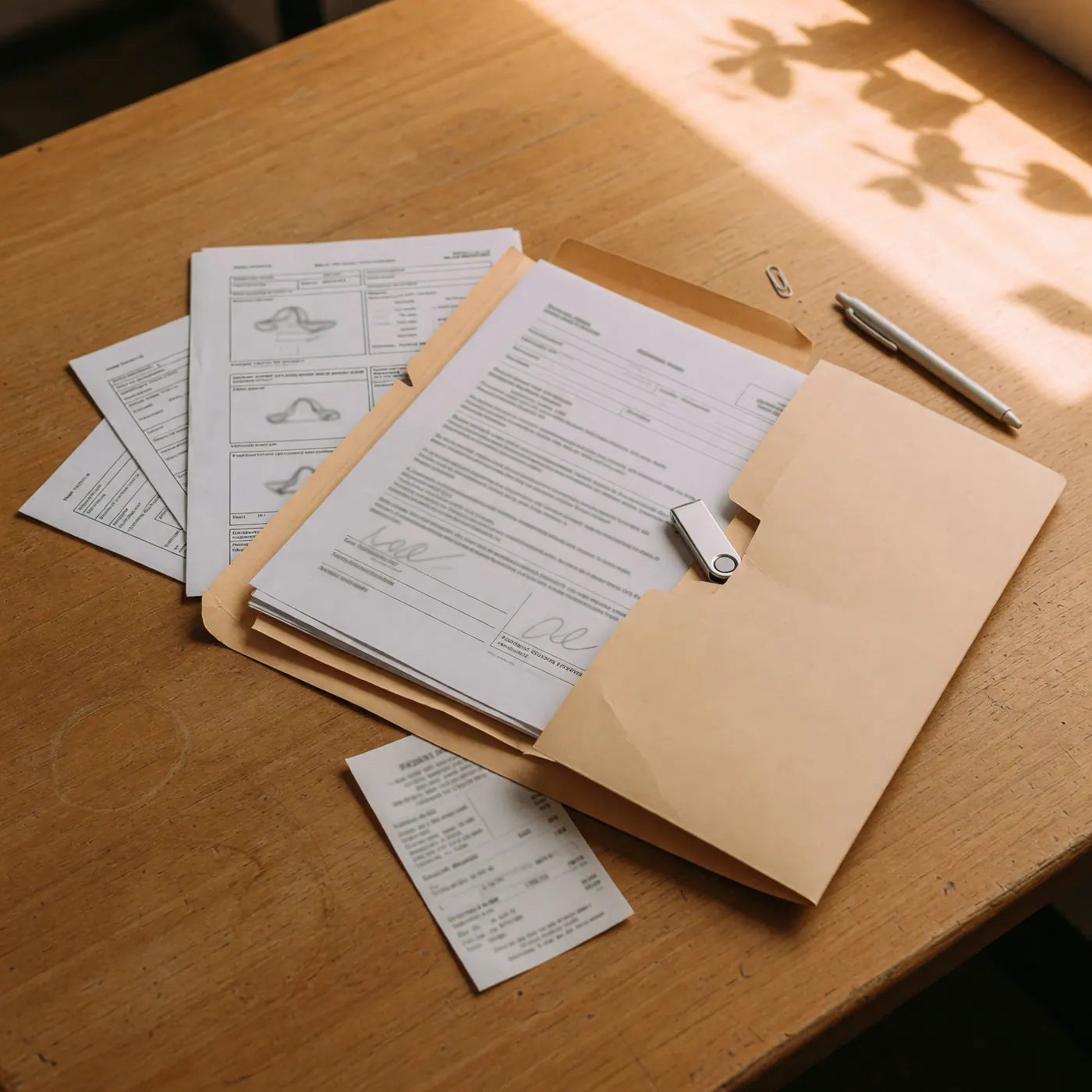
The payment method you choose with the buyer determines how agile the verification process will be at the bank. In financial compliance and security practice, there are substantial differences between the various options:
- Direct bank transfer (or cashier's check): This is the most transparent and recommended route. By transferring directly from the buyer's account to the seller's account, the bank has full traceability of the money from account to account.
- Bulk cash deposits: Attempting to deposit large sums of cash at a teller window is the channel that generates the highest security and prevention alerts. In addition to exposing oneself to physical security risks, the bank usually requires stricter proof regarding the origin of that cash.
Security and compliance note: Avoid splitting the money into multiple small deposits with the intention of bypassing automatic controls. This practice, known as structuring, is easily detected by the transactional monitoring algorithms of the institutions and usually triggers reports of unusual operations to the UIAF.
Supporting document package for the sale of a used vehicle
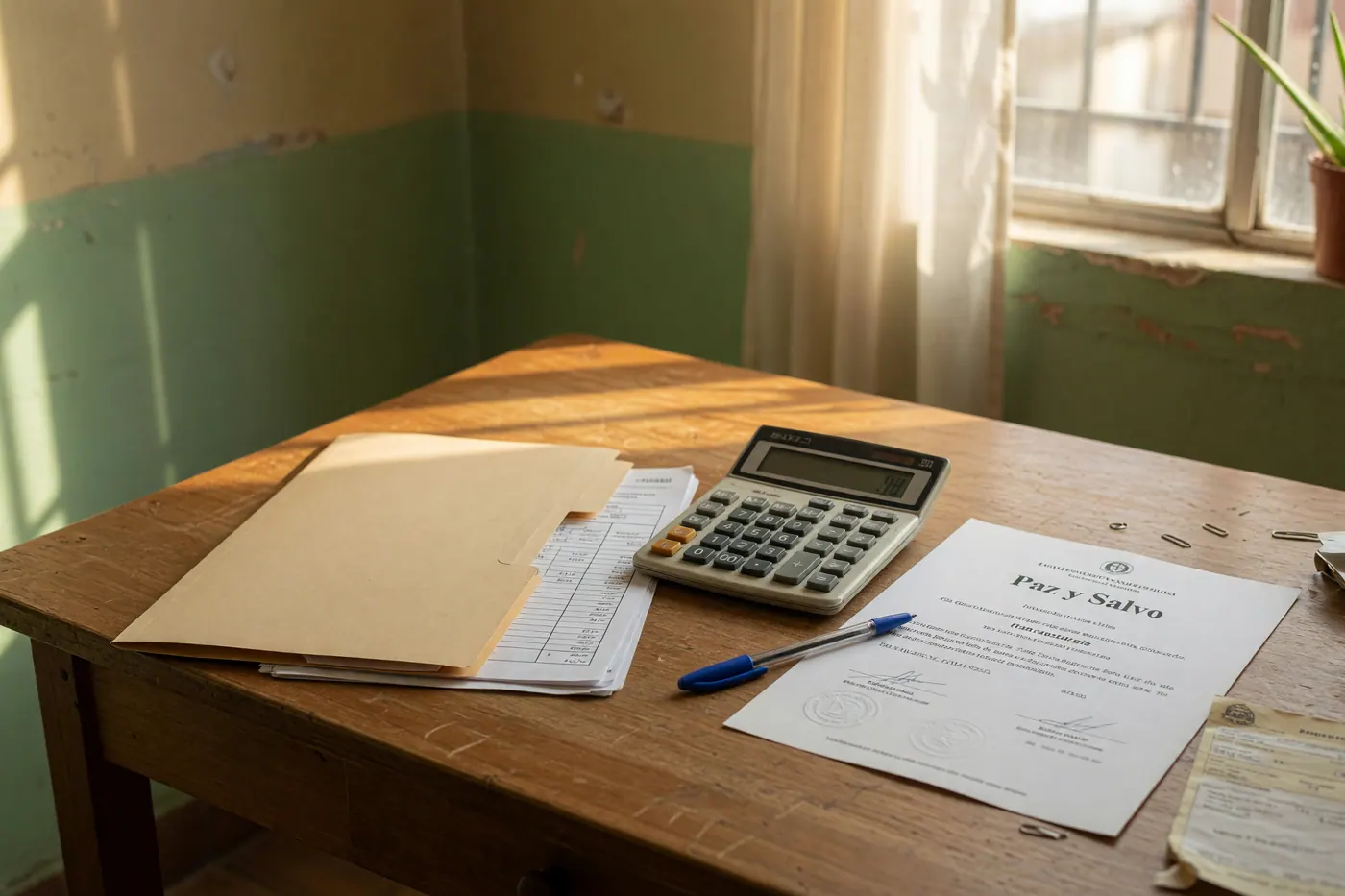
If you have just sold a private car or motorcycle, the bank receipt or a mobile app screenshot are not enough to certify the operation if the institution requires verification. To back up the income from the sale of a vehicle, gather the following documents:
- Signed purchase agreement: Where the buyer, the seller, the agreed price, the vehicle license plate, and the established payment method are clearly identified.
- Transfer certificate or registered process: The support with the most legal weight is the proof of initiation or completion of the transfer process before the competent transit authority, registered on the RUNTplatform. This proves that the vehicle's ownership effectively changed holders.
- Supplementary supports: Copy of the vehicle's taxes up to date and proof of the transfer where the holder sending the money matches the buyer listed in the contract.
Before handing over the keys or receiving transfers from strangers, it is advisable to check for liens and pledges on the used vehicle in the RUNT to ensure the transaction is completely clean and legal.
Supporting document package for the sale of a property
In the case of houses, commercial premises, or land, the documentary process is more standardized thanks to notary and registration involvement. The package usually required by the bank's compliance area includes:
- Promise of sale (Promesa de compraventa): If signed prior to the formal negotiation, to justify advances or earnest money received via transfer.
- Copy of the Public Deed (tradition before the Superintendency of Notary and Registration): Granted before a notary, where the sale price, the involved parties, and the payment conditions are stated.
- Notarial proof of source withholding tax: The receipts for payment of taxes and notarial fees issued during the signing.
- Certificate of Tradition and Freedom (Certificado de Tradición y Libertad): Recently dated, where the annotation of the sale or the filing of the registration process already appears.
To know in detail how mandatory tax deductions work in these types of operations, you can review our guide on withholding tax on the sale of real estate in Colombia.
Difference between bank controls (SARLAFT) and tax obligations (DIAN)
It is very common to confuse the bank's work with the tax oversight of the National Tax and Customs Directorate (DIAN). Although they are interconnected, they respond to two completely different concepts:
The bank requests information to comply with money laundering prevention regulations and to verify that the money comes from a lawful business. For its part, the DIAN evaluates the tax effects of the operation in your annual income tax return. Having justified the money to the bank does not exempt you from reporting the income or calculating if a capital gain was generated in your tax return, according to the tax regulations currently applicable to your particular case.
Likewise, keep in mind the rules of the Financial Movements Tax (4x1000). This tax taxes debits or money outflows from financial accounts, not the isolated fact of receiving the sale deposit, except for specific legal exemptions on marked savings accounts contemplated by the Tax Statute.
How to agree on clear payment conditions from the initial announcement
The best way to avoid banking hurdles is to screen buyers from the very first moment. According to active listings on Colombia Move (August 2026), there is currently 1 active listing and 114 views in the car category: supply is thin compared to buyers who are already looking. When you list a high-value asset, establishing transparent communication channels and defining bank-based payment methods drastically reduces attempts at cash payments of dubious origin or bounced checks.
If you already have your personal bank account ready and operational—a process you can consult in our guide to opening a bank account in Colombia—, the next step is to connect directly with serious buyers willing to complete transparent procedures.
Furthermore, when managing transfers with unknown persons, it is advisable to apply preventive measures to avoid scams with fake transfers and altered receipts before signing the final title transfer. You can also check the vehicle section if you are comparing car and motorcycle listings.
Frequently Asked Questions
❓ Can the bank ask me for documents if I deposit the money from the sale of a car or a house?
Yes, banking entities are required by SARLAFT regulations to verify the origin of funds when unusual amounts are received in an account. There is no single limit in pesos set by law; each bank applies its own risk controls, according to the framework in force as of August 2026.
❓ What documents serve to support this money to the bank?
For vehicles, the sales contract and the transfer registered with the transit authority in the RUNT are required. For real estate, the promise, the deed, and the certificate of tradition are used. That package is the usual trail in force as of August 2026.
❓ How much will I be charged in 4x1000 tax for depositing the sale payment?
None: the 4x1000 tax applies to debits and withdrawals, not the deposit of sale proceeds. The Tax Statute in force as of August 2026 regulates exemptions for marked accounts.
❓ Is it safe for the buyer to pay me for the sale in cash?
Cash is not prohibited in a personal sale, but it complicates the banking trail. Depositing large sums via teller triggers more verifications, according to compliance practices in force as of August 2026.
❓ Do I have to notify the DIAN in addition to submitting papers to the bank?
The banking procedure is only for anti-money laundering prevention. Declaring the sale to the DIAN depends on your income and asset thresholds in your annual income tax return, which will determine if capital gains apply, according to DIAN rules in force as of August 2026.
❓ What should I do if my bank account is put under review after the deposit?
Submit copies of the supporting documents (deed or RUNT transfer) through the entity's formal customer service channels. Avoid informal intermediaries. Each entity's internal procedure is the one in force as of August 2026.
❓ Where can I list my vehicle to arrange transparent transfers?
You can list your vehicle in specialized classified sections like Colombia Move, clarifying from the ad the price, the willingness for immediate transfer, and the requirement for payment via direct bank transfer. The Colombia Move car category is active as of August 2026.
Disclaimer: This article is for informational and practical purposes only. It does not constitute personalized legal, tax, or financial advice. Policies for verifying the origin of funds depend on the internal regulations of each banking entity and the legislation in force in Colombia as of August 2026.

Comments
Loading comments...
Checking sign-in status...