
Buying Specialty Coffee Beans in Colombia: Independent Roasters, Origin Regions, and Cupping Guide
A practical buyer's guide to specialty whole beans in Colombia: decoding SCA scores, regions, processing styles and roast dates, plus verified independent roasters in Bogotá and Medellín.
IDIOMA DEL ARTÍCULO
Showing original language
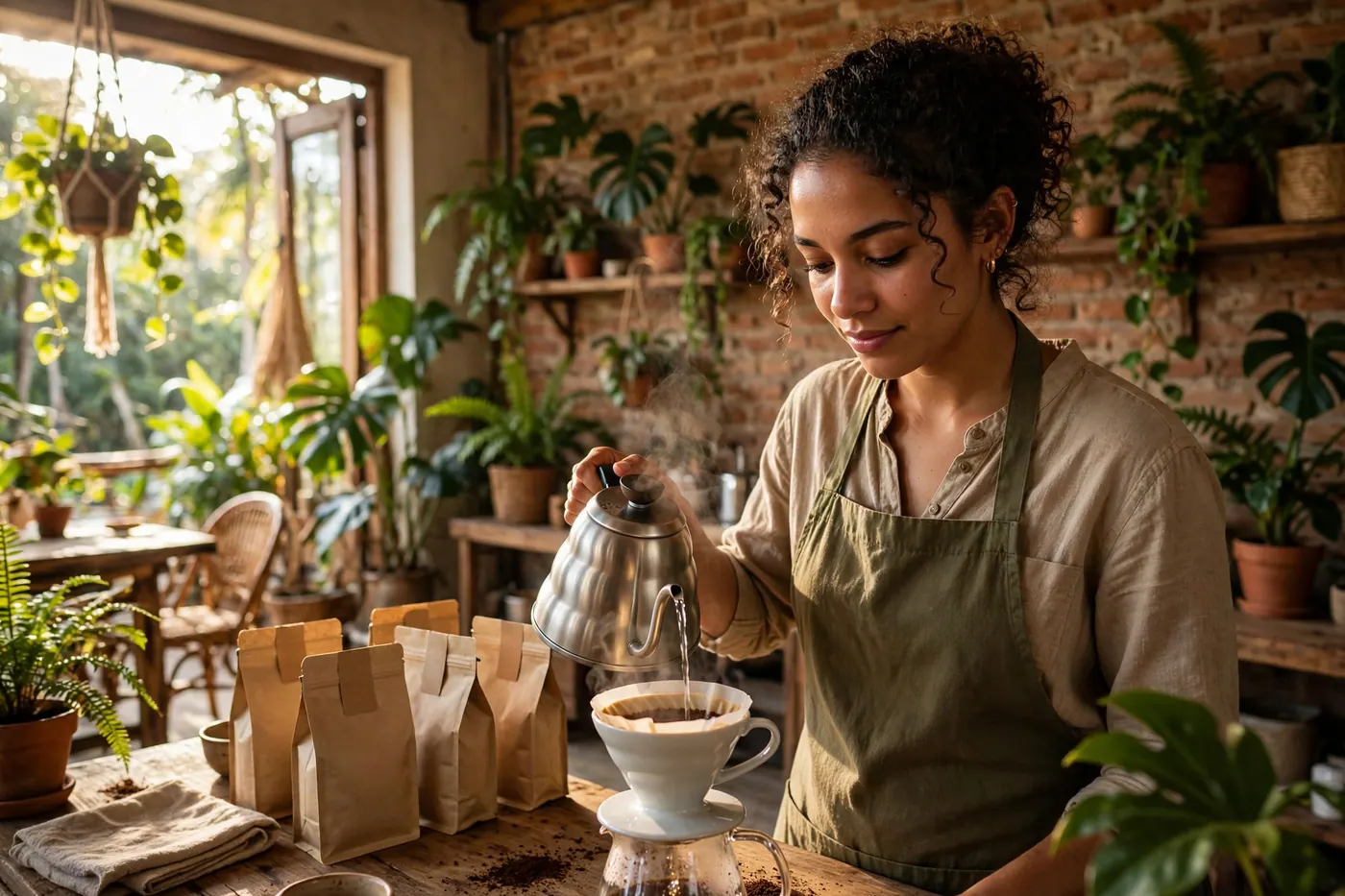
The first time I bought a bag of coffee in a Colombian supermarket, I assumed the country's famous beans would be sitting right there on the shelf, fresh and cheap. The bag was fine. It was also dark, pre-ground, and carried no roast date at all. The good stuff, it turns out, is a few neighborhoods away at independent roasters, and knowing how to read a bag is what separates a great cup from an expensive disappointment.
Quick answer: buy whole beans with a printed fecha de tueste (roast date) from an independent roaster, choose an origin that matches your taste, and drink them within roughly 30 days of roasting.
The Myth That Colombia Keeps Only the Leftovers
You will hear that Colombia exports every good bean and keeps the garbage. There is a kernel of truth: domestic coffee was historically pasilla, the lower-grade residue left after export-grade lots were shipped, according to the Federación Nacional de Cafeteros (federaciondecafeteros.org). But the claim is outdated. Origin roasters, Café Amor Perfecto among the pioneers since 1997, proved locals would pay for the real thing, and today some of the world's best lots are roasted and sold in Bogotá, Medellín and the Coffee Axis.
Supermarkets have also caught up. Chains such as Éxito Wow and Carulla stock specialty shelves now. My honest take: they are fine in a pinch, but the roast dates are often weeks or months older than a craft roaster's bag. If you are also stocking your pantry, see our guide to specialty organic staples and artisan pantry goods in Colombia.
Decoding the Bag: SCA Scores, Varietals and the Roast Date
The Specialty Coffee Association scores coffee on a 100-point scale (sca.coffee):
- Below 80: commercial or commodity grade.
- 80 to 84.99: very good, entry-level specialty.
- 85 to 89.99: excellent specialty.
- 90+: rare, competition-level micro-lots.
Varietals matter too. You will see Castillo, Caturra, Colombia and the pricey Geisha on labels, all Arabica types researched by Cenicafé. A bag naming the farm, altitude, varietal and process is a good sign; a bag saying only "export quality" is not.
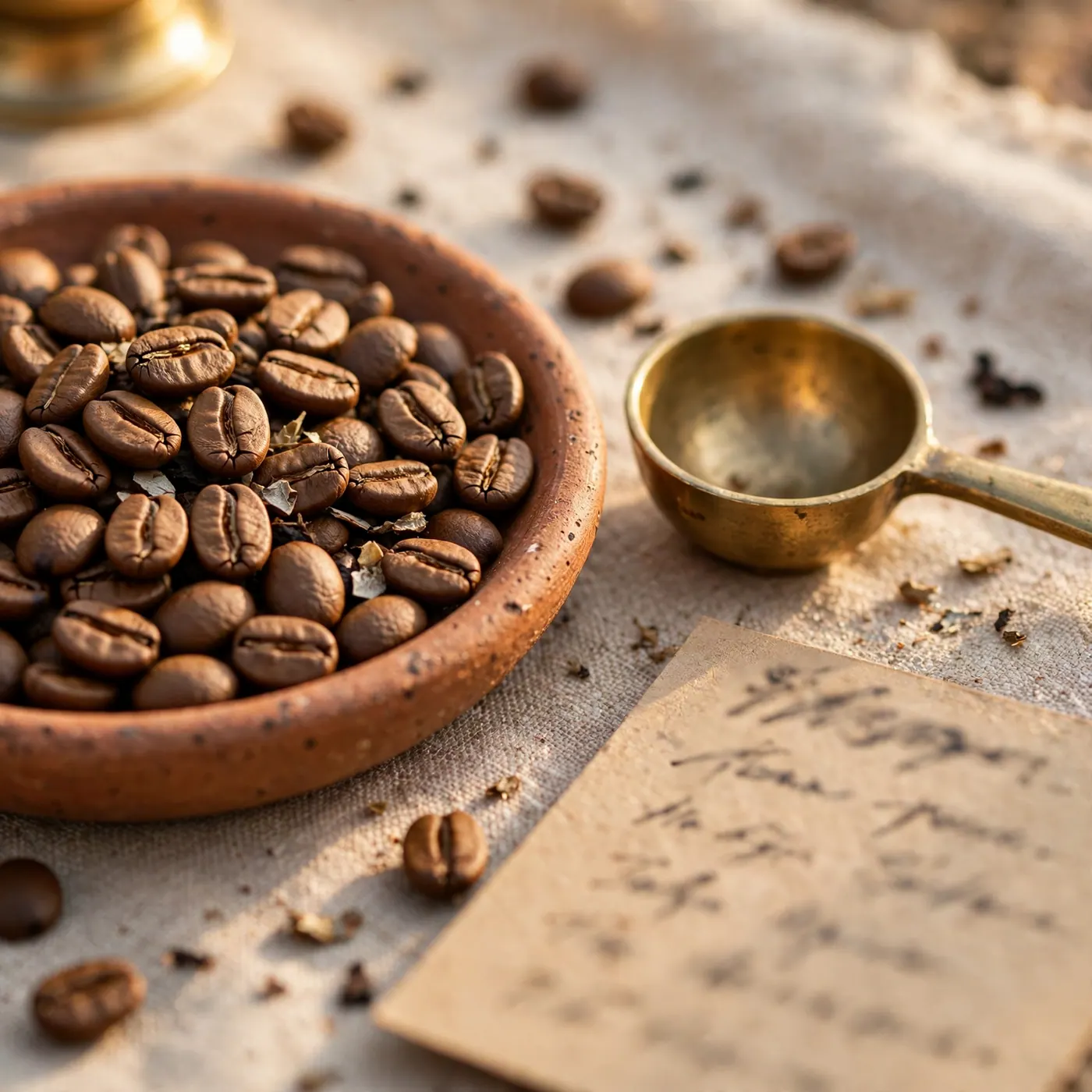
The non-negotiable item is the roast date. Insist on Fecha de Tueste, not Fecha de Vencimiento. An expiry date tells you nothing about freshness. Beans rest a few days to degas, then drink best for roughly the first month. Skip unsealed, dark, oily bags in tourist gift shops with no provenance. And buy whole beans; a good shop will grind on request if you lack a burr grinder. If you need one, read about home coffee grinders for whole-bean specialty coffee (in Spanish).
Which Colombian Origin Matches Your Palate?
Colombia has two harvests a year, the main crop (cosecha principal) and the smaller mitaca or traviesa, so fresh cherries are being picked somewhere almost year-round. Antioquia and the central Coffee Axis peak from October to January, while southern departments like Huila and Nariño peak between April and August.
| Origin | Typical cup | Good for |
|---|---|---|
| Huila | Bright acidity, floral, citrus, stone fruit | Filter and pour-over fans |
| Nariño | Volcanic sweetness, crisp citric acidity | Those who like clean and lively |
| Antioquia | Chocolate, caramel, hazelnut, round body | Milk drinks, easy daily cups |
| Quindío, Caldas, Risaralda | Fruity, balanced, cane-sugar sweetness | All-rounders |
| Sierra Nevada | Heavy body, dark cocoa, nutty | Espresso lovers |
Regional profiles vary by farm and process, so treat this as a starting map, not a rule. If the Coffee Axis tempts you to live closer to the source, our piece on living in the heart of Colombia's coffee triangle is a good next read.
Washed, Honey or Anaerobic Natural
Processing shapes the cup as much as geography. Three styles dominate among craft roasters:
- Washed (lavado): clean, crisp acidity. The safest starting point.
- Honey: mucilage stays on during drying, giving syrupy sweetness and medium body.
- Natural or anaerobic fermentation: fruit dried in the cherry or sealed in oxygen-free tanks for 48 to 120+ hours, producing intense tropical, winey, almost boozy notes.
My opinion: start with washed, move to honey, and only then try anaerobic. Those fermented lots can taste startling, and some people find them closer to fruit wine than coffee. Not a downside if you know it going in, but a waste of money if you wanted a classic cup.
Verified Independent Roasters in Bogotá and Medellín
Each venue below is listed with its neighborhood and street address from the roasters' own published information.
Bogotá
- Café Amor Perfecto, Chapinero Alto, Carrera 4 #66-46: sensory café and coffee education lab.
- Café Devoción, Chapinero, ground floor of the Hilton Hotel at Carrera 7 #72-41: farm-to-cup roasting, with beans roasted 10 to 30 days after harvest.
- Café San Alberto, El Retiro/Chapinero, Calle 81 #9-33: urban tasting room for Quindío single-estate coffee.
Medellín
- Pergamino Café, El Poblado, neighborhood café at Calle 10B #36-38; boutique roastery on Vía Primavera at Carrera 37 #8A-37.
- Rituales Compañía de Café, Laureles, Circular 74A #39b-22: single-origin coffees from La Sierra in Comuna 8.
On price, independent roasters' 250 g to 340 g bags of washed or honey micro-lots typically run roughly COP 30,000 to 65,000. Experimental anaerobic lots and Geisha cost noticeably more. Prices change, so check the roaster's own site. The cheapest and freshest route is usually straight from the roaster. If you are budgeting for café culture in the Aburrá Valley, see our Envigado monthly budget breakdown.
Seasonal Note: Rainy Afternoons and the November Long Weekend
Late October and early November is Colombia's second wet season and also the start of the main harvest in Antioquia and Caldas. The Todos los Santos long weekend is a natural moment to book a cupping at an indoor lab such as Café Amor Perfecto's, then carry home a couple of fresh bags for slow rainy mornings. Cupping is simply tasting coffee side by side with a spoon, which teaches your palate faster than any label.
Home Setup and Storage
Colombian humidity is rough on beans. Keep them in an airtight, opaque container away from the stove and window, buy smaller bags more often, and never refrigerate them. Grind just before brewing. A cheap hand burr grinder beats a fancy machine used on stale pre-ground coffee. According to active listings on Colombia Move (October 2026), the café category has no active listings, while the alimentos section shows 4 active listings and 136 views.
Frequently Asked Questions
❓ What does an 80+ or 85+ SCA score on a Colombian coffee bag mean?
A score of 80 or above means the coffee qualifies as specialty grade on the SCA's 100-point scale. A score of 85 to 89.99 is excellent, and 90+ is rare, competition-level. Scores come from trained cuppers, so check who scored it (verify with the official source, as accessed).
❓ How much do specialty coffee beans cost in Colombia?
Standard 250 g to 340 g bags of specialty whole beans from independent roasters typically cost roughly COP 30,000 to 65,000. Experimental fermentations and rare varietals such as Geisha or Pink Bourbon cost more. Prices vary by roaster and change over time (verify with the official source, as accessed).
❓ Can I buy good whole-bean coffee at regular Colombian supermarkets?
Yes, upscale chains like Carulla or Éxito Wow carry specialty lines. Independent roasters, though, usually offer fresher roast dates and traceable single-farm origins. Whichever you choose, look for a printed roast date and put back any bag without one.
❓ What is the difference between washed, honey, and anaerobic coffees in Colombia?
Washed coffees taste clean with crisp acidity, honey coffees have syrupy fruit sweetness and medium body, and anaerobic natural lots taste intensely tropical and winey. If you are unsure, start with washed and work your way toward the fermented styles.
❓ How long after the roast date should I brew Colombian coffee beans?
Let beans rest roughly 5 to 7 days after roasting so carbon dioxide can escape, then brew them at their best between about day 10 and day 30. Espresso often benefits from the longer rest, while filter brews open up sooner.
❓ Is it easy to find decaf specialty coffee in Colombia?
It is possible, and top roasters often offer specialty decaf made with the sugarcane (ethyl acetate) method, which keeps sweetness and origin character. Selection is smaller than for regular beans, so ask your roaster or order ahead.


Comments
Loading comments...
Checking sign-in status...