
Things to Do in Cali, Colombia: The Honest Visitor Guide
Cali gets dismissed on most traveler shortlists. The people who stay longer say something different. Here's what's actually worth your time — and what to skip.
IDIOMA DEL ARTÍCULO
Showing original language
Cali lands near the bottom of most traveler shortlists — after Medellín, Bogotá, Cartagena, and usually Salento. Most people who pass through give it two days, stay in Granada, catch a salsa show designed for tourists, and decide it's fine but not exactly what they expected. The ones who stay longer say something different.
I spent three weeks in Cali on what was supposed to be a long weekend. The salsa kept me. Not the polished, choreographed kind — the peña kind, where a 65-year-old man in a guayabera pulled me onto the floor at midnight and showed me footwork I still can't replicate. But it's not just the salsa. Cali runs hotter, louder, and more Colombian than Medellín. The city hasn't been polished for expat consumption, and that's the point.
This guide covers what's actually worth your time: the salsa scene as it really works, the day trips locals actually do, a zoo that consistently surprises visitors, and a neighborhood that gets Sunday mornings exactly right. It also tells you what to skip.
⚡ What to Know First
- Best cultural experience: Take a salsa class at a local peña in Barrio San Nicolás — not a polished tourist school in Granada
- Best free activity: Walk through San Antonio on a Sunday morning; the hilltop views and coffee shops are worth the climb
- Best day trip: Lago Calima, 1.5 hours away — Colombian families have been coming here for decades
- Don't miss: El Zoológico de Cali — genuinely one of the best zoos in Latin America
- Honest heads-up: Cali nightlife starts at 1am. If you arrive at a club before midnight, you're early
The Salsa Scene: How It Actually Works
Cali is the salsa capital of the world — and unlike most cities that claim a title, this one holds up. Cali-style salsa is different from what you'll encounter in Bogotá, New York, or a cruise ship dance class. It's tighter, lower, built around intricate footwork rather than spinning, and it rewards patience. You don't learn it in a day. That said, even a two-hour beginner class gives you enough to get on the floor and not embarrass yourself completely.
The best entry point is a class at one of the traditional dance schools in the city, not the polished academies in Granada that charge $40 USD for a group session with other tourists. Look for schools like Son de Cali, Swing Latino, or Agencia Latina — many of these have trained world championship competitors, and classes run 30,000–50,000 COP (about $7–12 USD) per person for an hour. You'll be dancing alongside Colombians who are genuinely there to improve, which is a completely different experience.
After dark, the real action is in the peñas — small, unmarked salsa clubs where the music runs live and the bartender pours rum by the bottle rather than the glass. They're not Instagram-friendly, there's no dress code beyond 'don't wear shorts,' and nobody is performing for you. Juanchito, a municipality 15 minutes east of the city center, is the epicenter. It's a distinct vibe from Granada at 1am on Saturday — bring pesos, go with a local if you can, and expect to stay until 5am or leave at midnight feeling like you missed it.
One real caveat: Cali nightlife runs late. Showing up to a club before 11:30pm means you're alone. The serious dancing starts around 1am. Either fully commit to the schedule or stick to daytime classes and skip the clubs.
Keep Reading: Learning Salsa in Colombia — how to find classes, costs, and what style fits you
El Zoológico de Cali: Half a Day Well Spent
The Cali Zoo is one of the best in Latin America, and it rarely appears in tourist guides. It's not a flashy attraction — no roller coasters, no misting fans — but it's large, green, well-maintained, and home to more than 200 native Colombian species. Andean bears, jaguars, giant anteaters, river otters, caimans, and two species of tapir live here alongside manatees in a proper river enclosure. The grounds are set among bamboo groves and streams, and they've clearly thought about animal welfare, which you notice when you compare it to other zoos in the region.
Entry runs about 45,000 COP ($11) for adults. The zoo is near the Río Cali, accessible by taxi or InDrive from anywhere in the city. Budget 3–4 hours. The one complaint: it gets genuinely crowded on weekends and during school holidays. Going Tuesday or Wednesday morning, right when it opens at 9am, is noticeably calmer and the animals are more active.
San Antonio: Cali's Most Walkable Neighborhood
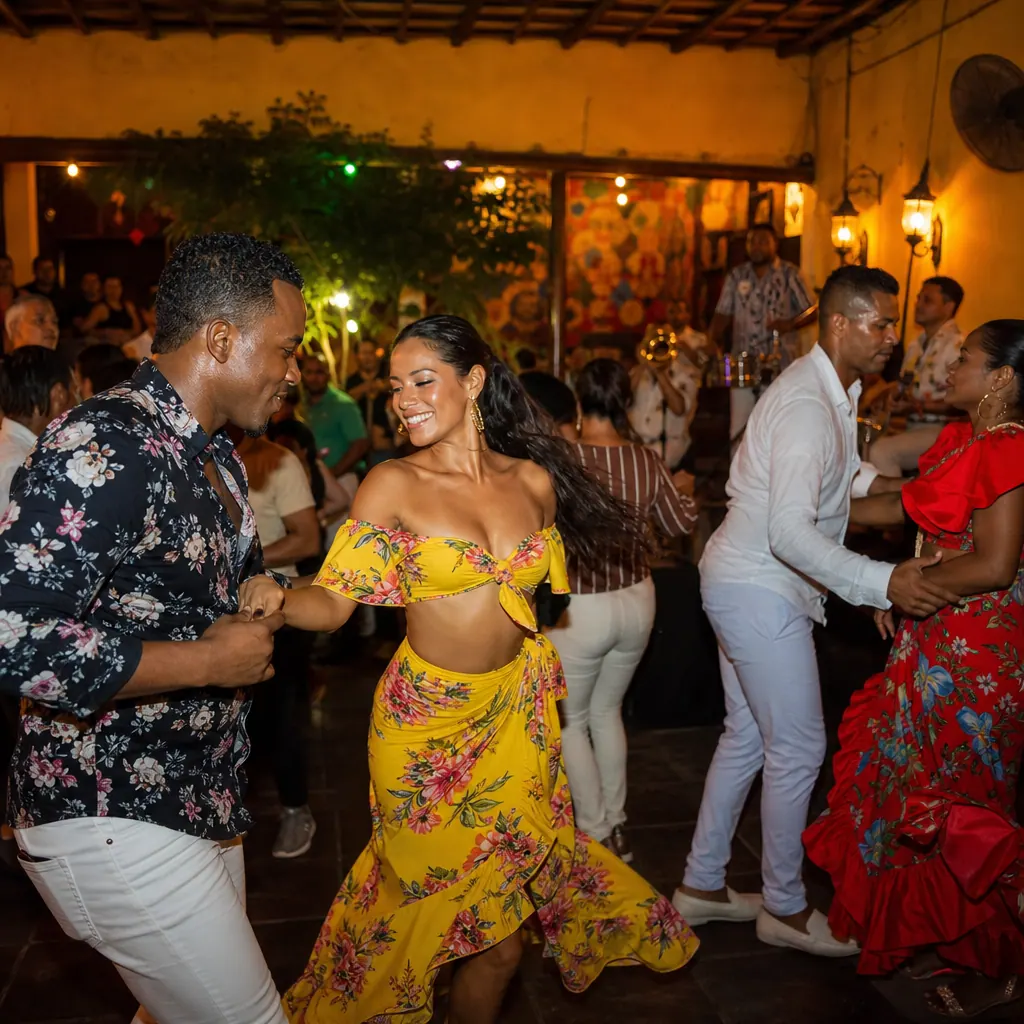
San Antonio is a hillside neighborhood in western Cali that works on a completely different logic from the rest of the city. Cobblestone streets, colonial houses painted in faded yellow and terracotta, coffee shops that don't bother with signs because they're always full, and a pace that makes you slow down without trying. It's the one part of Cali that you can actually walk through — street to street, café to viewpoint — without it feeling fragmented or unsafe.
The neighborhood church sits on a small hill with a view over the city that gets particularly good around 4–5pm when the light turns orange and the traffic noise fades out. On Sunday mornings, there's a street market with artisan goods, used books, and the kind of food stalls selling pandebono and empanadas de pipián that make you realize you've been eating the wrong empanadas everywhere else. The Ermita church, a few minutes' walk toward downtown, is worth a brief stop for the Gothic-Byzantine architecture.
A short walk downhill from San Antonio puts you on Avenida 9N in Granada — the restaurant strip where Cali's food scene concentrates. The best pandebono I've had in Colombia came from a small bakery near the corner of 9N and Calle 14N. Ask a local where the nearest bakery is; they'll have a strong opinion. Granada also has solid Pacific coast seafood restaurants — the Pacific is only three hours away, and the fresh fish options reflect that proximity.
Keep Reading: Best Neighborhoods in Cali for Expats — full breakdown of Granada, San Antonio, Ciudad Jardín, and more
Day Trips from Cali Worth the Drive
Cali's geography is underrated. Within two hours you have mountains, rivers, a large reservoir, and access points toward the Pacific coast. Here's what's actually worth the effort:
Lago Calima
A large reservoir two hours north of Cali in the hills above Darién, Lago Calima has been a Colombian weekend destination for decades. Windsurfing schools rent equipment for beginners, lakeside restaurants serve fried fish with patacones, and the town has cheap rooms if you want to stay overnight. It's very Colombian and not at all touristy. The road up from Darién winds through mountainous terrain and passes through El Dorado before the lake comes into view — the drive itself is half the appeal. Best as an overnight to avoid the Sunday return traffic.
Pance River
On weekends, half of Cali loads into cars and drives 40 minutes south to Pance, a river town at the base of the Farallones de Cali nature reserve. You pay a small entrance fee (around 15,000 COP) to access the river, find a flat rock or shallow pool, and spend the day in the water. It's crowded on Sundays — genuinely packed — which is part of the charm if you're into that, or a reason to go early or skip it if you're not. The river is clear, the mountains are visible, and the food stalls around the entrance have decent fish and cold beer.
Cristo Rey and Cerro de las Tres Cruces
Two hilltop viewpoints within the city itself, both involving a taxi ride plus a short walk. Cristo Rey has the more famous Christ statue; Las Tres Cruces has the better 360-degree view. Neither is as dramatic as the photos suggest — the real value is understanding how the city is laid out in its valley. Worth the effort if you're spending more than two days in Cali and want context. Not worth building your itinerary around.
| Day Trip | Distance | Approx. Cost | Best For |
|---|---|---|---|
| Lago Calima | 1.5 hrs | ~150,000 COP/day incl. food | Waterfront, relaxation, overnight |
| Pance River | 40 min | ~15,000 COP entry | Swimming, family picnics |
| Cristo Rey viewpoint | Within city | Free (taxi ~15,000 COP) | City panoramas |
| Buenaventura | 3 hrs | Full day, variable | Pacific coast, serious travelers |
What to Skip (My Honest Take)
The tourist salsa shows in Granada — the ones advertised at hotel front desks that bundle dinner and a performance for $50 USD — are fine but they're not the real thing. You're watching professional dancers perform salsa for foreigners. Take a class instead.
The 'historic Cali' walking tour pitched as a half-day activity isn't particularly rewarding compared to what you'd find in Cartagena or Bogotá. The colonial architecture is scattered and many buildings are in rough shape. A 20-minute walk near the Ermita church is enough.
Expat-oriented food tours priced at $60+ per person. Cali's food scene is genuinely good but eating it with a guided group at curated stops defeats most of the pleasure. Wander into the restaurant row on Avenida 9N, pick somewhere with Colombian families at the tables, and order the bandeja pacífica if it's on the menu.
🇨🇴 Find Tours, Services & Rentals in Cali
Browse local service providers and short-term rentals in Cali on Colombia Move — listings posted directly by owners and locals, contact via WhatsApp, free to post.
Explore Cali listings →Keep Reading: Things to Do in Medellín — the honest Medellín activity guide for comparison
Frequently Asked Questions
❓ Is Cali safe for tourists?
Cali has higher crime statistics than Medellín, but the neighborhoods where you'll actually spend time — Granada, San Antonio, El Peñón, Ciudad Jardín — are manageable with normal precautions. Don't flash expensive gear, use InDrive or Uber over unmarked taxis at night, and avoid walking alone in unfamiliar areas after midnight. The problems visitors run into almost always involve going somewhere they were advised not to go.
❓ How do I get from Cali Airport to the city?
Alfonso Bonilla Aragón Airport (CLO) is about 20 km north in Palmira. InDrive and Uber operate from the arrivals area — expect 25,000–45,000 COP to Granada or San Antonio. Taxis are available but negotiate the fare before getting in. There's no reliable bus connection worth recommending for visitors arriving with luggage.
❓ When is the best time to visit Cali?
The Feria de Cali (December 25–30) is the biggest event of the year — a five-day salsa festival with concerts, parades, and parties across the city. If salsa culture is the draw, time your visit around it. Outside of that, the dry season runs December–February and June–August. Cali is hot year-round (25–30°C), but the rainy months bring daily afternoon downpours that make outdoor activities frustrating.
❓ Do I need Spanish to get around Cali?
More than you would in El Poblado, yes. Cali is less internationally oriented than Medellín. Salsa schools often have bilingual instructors, but restaurants, taxis, and everyday services outside Granada will be Spanish-only. At minimum, learn numbers and basic food vocabulary before you arrive — it makes a real difference.
❓ How does Cali compare to Medellín for a short visit?
Choose Cali if you want the salsa culture, Pacific coast food, and a city that still feels genuinely Colombian rather than expat-curated. Choose Medellín if you want walkable neighborhoods, strong expat infrastructure, and more to do in a single district. Cali isn't a consolation prize — it's a different experience entirely. Some people prefer it.
If Cali has you thinking about living there — not just visiting — the full expat living guide has the practical details: neighborhoods, rent prices, safety, and what day-to-day life actually looks like.
Keep Reading: Living in Cali, Colombia: The Honest Expat Guide — neighborhoods, rent, safety, and daily life


Comments
Loading comments...
Checking sign-in status...