
Cost of Living in Cali, Colombia: Full Monthly Budget Breakdown
The honest numbers on what life in Colombia's salsa capital costs — from budget backpackers to comfortable expats living well.

IDIOMA DEL ARTÍCULO
Showing original language
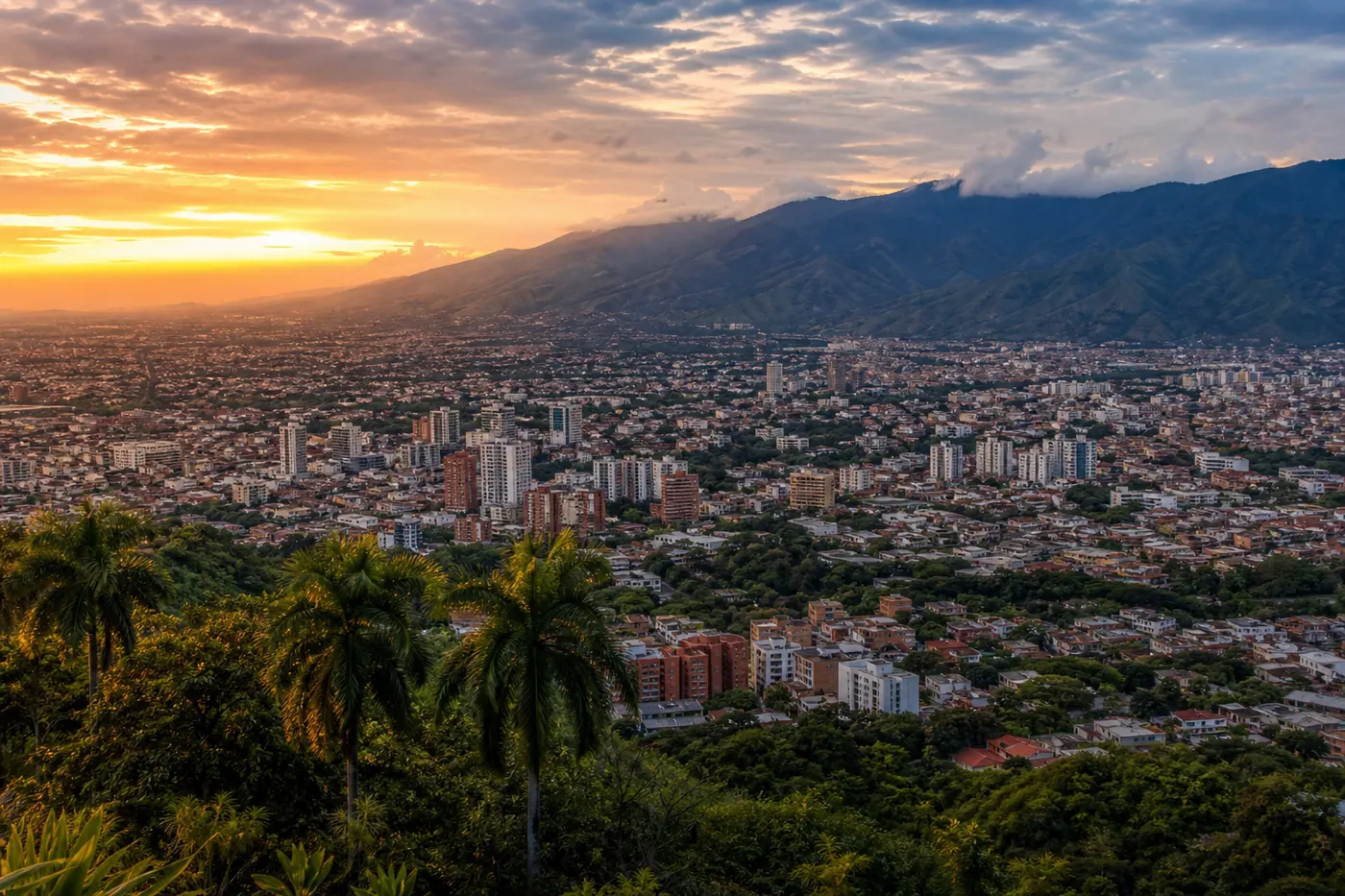
Cali doesn't ease you in. The heat hits you before you even get your bag off the carousel — a thick, tropical weight that Medellín and Bogotá never quite match. Within a week I'd stopped checking the forecast (it doesn't change) and started figuring out why caleños seem so genuinely unbothered about everything. The answer, I eventually realized, is partly cultural and partly economic: this city is cheap, warm, and has better salsa than anywhere on earth. That combination does something to your stress levels.
Colombia's third-largest city gets less expat attention than Medellín or Bogotá, which keeps prices honest. A comfortable one-bedroom in a safe neighborhood runs $350–550/month. An almuerzo corriente — the set lunch that feeds half the working city every day — still costs under $3.50. Compare that to Bogotá, where the same quality of life runs 30–40% more, and you start to understand the arithmetic.
This breakdown covers what Cali actually costs across three budget levels: frugal-but-comfortable local budget, a solid expat lifestyle, and premium. I've included specific numbers in both COP and USD at the current ~COP 4,100/$1 rate. If you're looking for a place to live, you can browse Cali apartments and houses on Colombia Move — free to post, no commission, and listed by real owners.
What you need to know first
- Frugal budget: ~$850–1,100/month (shared or budget 1BR, home cooking, MIO transit)
- Comfortable expat budget: ~$1,400–1,900/month (private 1BR in Granada or San Antonio, eating out regularly)
- High-comfort budget: $2,500–3,500/month (spacious 2BR in Ciudad Jardín or El Ingenio, A/C all day)
- Cali runs 15–25% cheaper than Medellín and 30–40% cheaper than Bogotá for comparable neighborhoods
- Biggest wildcard: electricity — Cali's heat means A/C usage can double your utility bill
Housing — Cali's Best Value Proposition
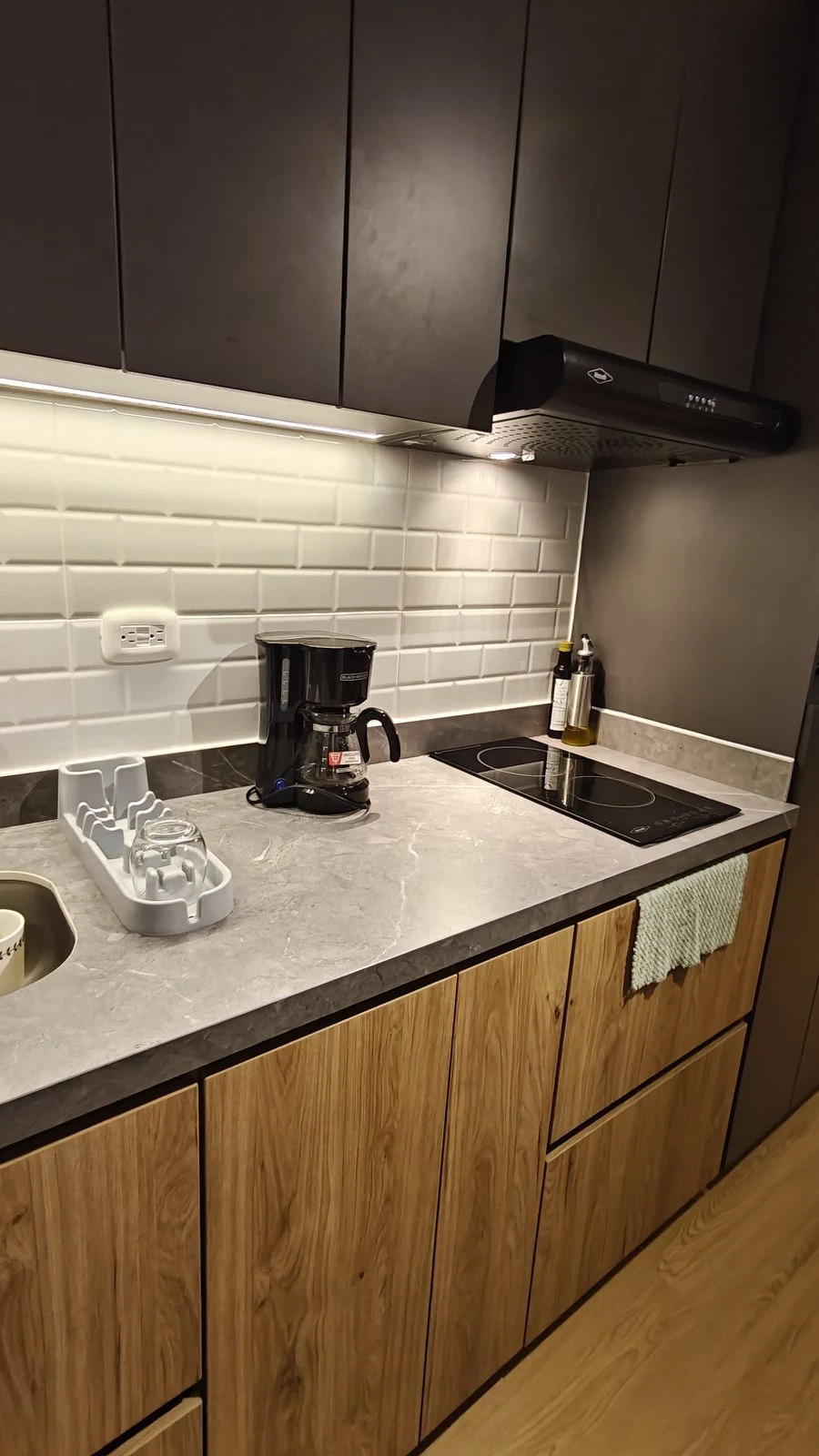
Rent in Cali is genuinely one of the best deals in any major Latin American city. The neighborhoods expats tend to land in — Granada, San Antonio, El Peñón, Ciudad Jardín — are walkable, safe, and still reasonably priced. A furnished one-bedroom in Granada runs COP 1,400,000–2,000,000/month ($340–490). Unfurnished is 15–20% cheaper. Two-bedrooms in the same area: COP 2,000,000–2,800,000 ($490–680).
Budget seekers find solid deals in Alameda, Miraflores, or the edges of San Fernando — areas Colombians live in every day where a basic furnished studio rents for COP 900,000–1,300,000 ($220–320). Not glamorous, but functional and safe. At the premium end, Ciudad Jardín and El Ingenio offer newer construction with pools and gyms; expect COP 2,800,000–4,200,000 ($680–1,020) for a modern two-bedroom.
The honest tip: go direct to owner and skip the real estate agencies. Agency fees (often one month's rent) evaporate quickly when you find listings through word of mouth or Colombia Move. Cali's inventory turns over steadily, and owners posting directly often negotiate on the first month or two.
| Type | Neighborhood | COP/month | USD/month |
|---|---|---|---|
| Budget studio (furnished) | Alameda, Miraflores | 900k–1.3M | $220–320 |
| Mid-range 1BR (furnished) | Granada, San Antonio | 1.4M–2.0M | $340–490 |
| Mid-range 2BR (furnished) | Granada, El Peñón | 2.0M–2.8M | $490–680 |
| Premium 2BR | Ciudad Jardín, El Ingenio | 2.8M–4.2M | $680–1,020 |
Keep Reading
Cali, Colombia: The Complete Expat Guide
Neighborhoods, safety, salsa culture, and everything else you need before moving.
Food — Where Cali Really Stands Out
The almuerzo corriente is Cali's secret weapon. For COP 10,000–15,000 ($2.50–3.70) you get a full three-course lunch — soup, rice, protein, plantain, salad, juice — at any neighborhood restaurante. Eat lunch out every working day and you'll spend less than $80/month on meals. That math doesn't work in many cities.
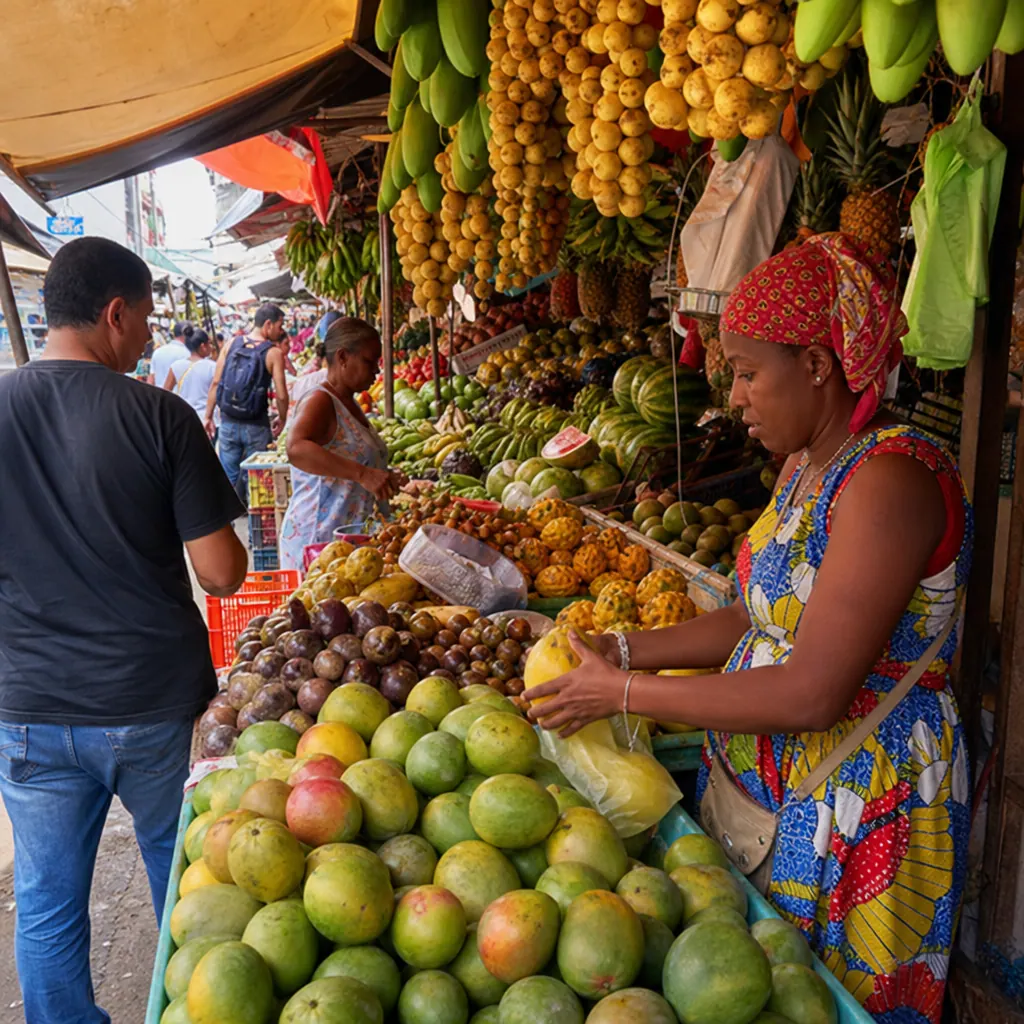
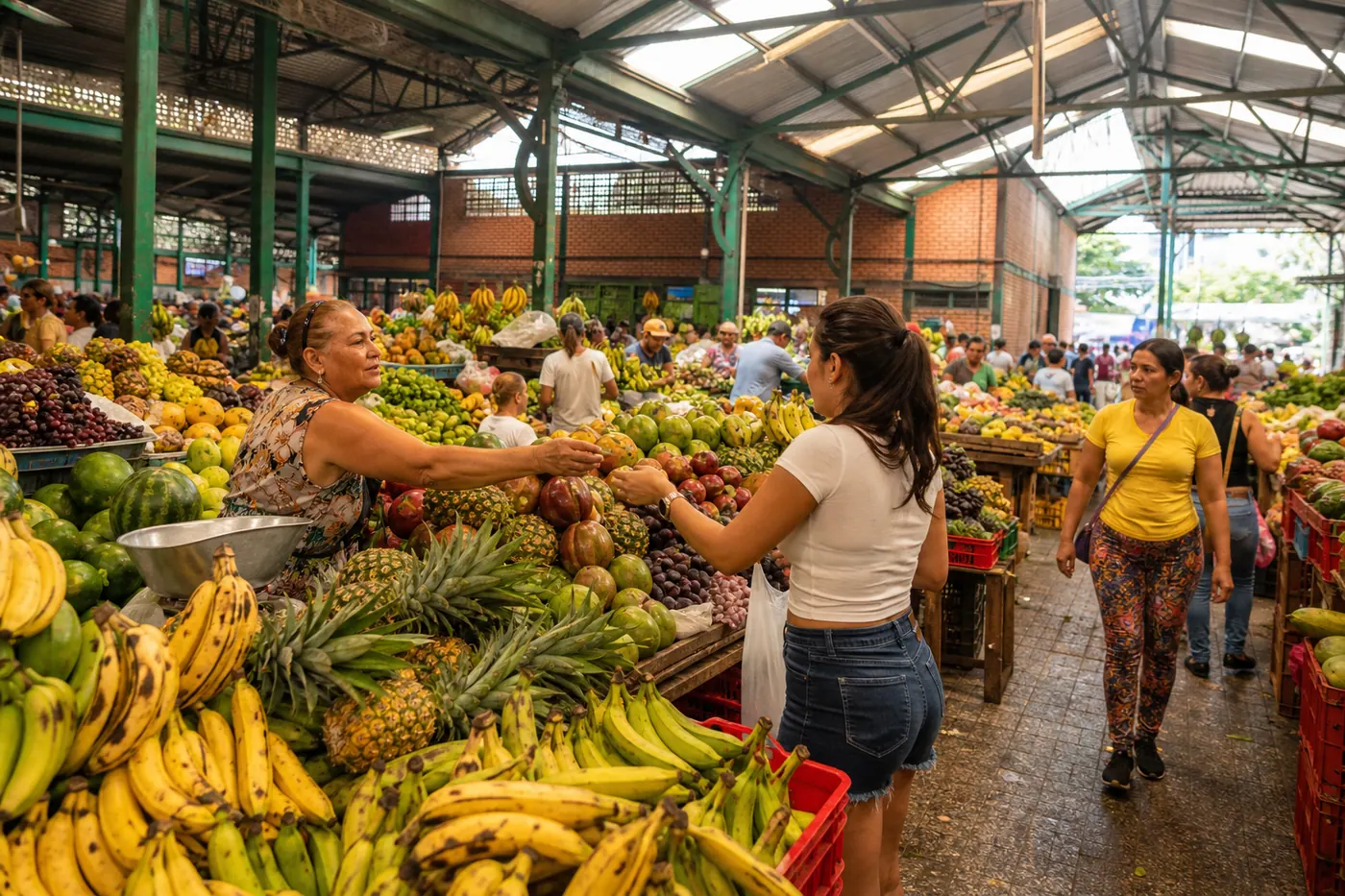
Cali's Galería Alameda is the real grocery discovery — a massive covered market where local produce is dramatically cheaper than any supermarket. Avocados for COP 2,000, a full bag of lulos for COP 3,000, fresh-cut meat by the kilo. I'd estimate shopping here cuts your grocery bill by 25–35% versus going to Éxito. The only annoying thing is the logistics: you can't browse Galería on Rappi. You have to go in person, which is actually kind of nice once a week.
For supermarkets, the hierarchy goes: D1 and Ara for the best prices on packaged goods and pantry staples (COP 250,000–350,000/month), La 14 for a broader selection at mid-range prices, Éxito and Jumbo for imported items and convenience. A typical month of groceries including one Galería run and regular D1/Ara visits runs COP 420,000–600,000 ($100–145) if you cook most meals.
| Item | COP | USD |
|---|---|---|
| Almuerzo corriente (set lunch) | 10,000–15,000 | $2.50–3.70 |
| Dinner in Granada restaurant | 40,000–80,000 | $10–20/person |
| Monthly groceries (home cooking) | 420,000–600,000 | $100–145 |
| Beer in a bar | 8,000–18,000 | $2–4.50 |
| Coffee (café or tinto) | 2,500–6,000 | $0.60–1.50 |
Getting Around Cali: MIO, InDrive & Motorcycles
The MIO is Cali's bus rapid transit system — extensive but genuinely confusing at first. A single trip costs COP 2,950 (~$0.72) with a rechargeable card (Tarjeta MIO). Once you figure out the route logic, it connects most of the city adequately. The honest assessment: getting from Granada to Ciudad Jardín is fine. Getting anywhere off the main corridors takes patience and sometimes two transfers.
InDrive and Beat are the dominant ride-hailing apps in Cali — Uber operates more quietly here than in Medellín due to local regulation. InDrive lets you negotiate the price, which sounds appealing until you realize most caleño drivers will counteroffer anything. Budget COP 8,000–15,000 for most in-city trips, COP 18,000–30,000 for longer crosstown rides. Motos (motorcycle taxis) are everywhere in Cali and extremely cheap — around COP 3,000–6,000 for short trips — but come with obvious tradeoffs on safety.
If you're living here longer-term, many expats pick up a cheap used moto (COP 3,000,000–5,000,000/$730–1,220 for a basic Honda) to cut transport costs dramatically. Transit per month for a car-free expat using a mix of MIO and InDrive realistically runs COP 120,000–250,000 ($30–60).
Utilities — The Heat Makes This Complicated
Here's where Cali diverges from Medellín's eternally mild numbers. It's hot. If you're renting a place with A/C and you actually use it — especially at night — your electricity bill will surprise you. A modest apartment running A/C for 6–8 hours daily can rack up COP 150,000–250,000/month ($37–60) in electricity. Without A/C or with ceiling fans only: COP 60,000–100,000 ($15–25).
Water is cheap — typically COP 30,000–50,000/month ($7–12) for solo living. Gas for cooking: COP 15,000–25,000/month. Internet from Claro or ETB fiber averages COP 60,000–100,000/month ($15–25) for a solid connection — Cali's fiber coverage in expat neighborhoods is reliable. A prepaid phone plan from Claro or Tigo with data runs COP 25,000–50,000/month ($6–12).
| Utility | COP/month | USD/month |
|---|---|---|
| Electricity (no A/C) | 60,000–100,000 | $15–25 |
| Electricity (with A/C) | 150,000–250,000 | $37–60 |
| Water | 30,000–50,000 | $7–12 |
| Gas (cooking) | 15,000–25,000 | $4–6 |
| Home internet | 60,000–100,000 | $15–25 |
| Mobile phone plan | 25,000–50,000 | $6–12 |
Entertainment, Salsa & Going Out
Salsa is not a tourist activity here — it's a utility. Caleños dance salsa the way other people walk to work. A group salsa class at a reputable school in the city runs COP 25,000–50,000/session ($6–12), with monthly packages bringing that down significantly. I'd budget at least two or three classes a week if you're serious about learning — your social life here will depend on it more than you think.
Granada is the main restaurant and nightlife neighborhood — think tapas bars, rooftop spots, and discotecas that run until 6am. A night out with dinner and dancing: COP 80,000–150,000 ($20–37) is realistic for a normal evening; more if you're bottle-service-ing. Parque del Perro is the more low-key evening option — outdoor bars, food carts, groups of people standing around being loud in the best way possible. Beer at Parque del Perro runs COP 8,000–12,000 ($2–3).
Cali has strong gym culture — BodyTech and SmartFit have multiple locations at COP 60,000–100,000/month ($15–25). Public parks like Parque de la Caña, Ecoparque de las Garzas, and the Farallones trails offer free alternatives. The city doesn't have the same hiking-accessible mountains as Medellín, but the Parque Nacional Natural Farallones is within a 45-minute drive.
Healthcare in Cali
If you're employed or a registered independent contractor, you'll contribute to EPS — Colombia's public/subsidized health insurance. Your contribution is calculated as a percentage of your declared income (around 12.5%, split with employer if applicable). The quality in Cali is functional but variable; for anything non-urgent, private clinics like Clínica Imbanaco and Clínica Los Farallones are consistently good and affordable by international standards.
A private specialist consultation runs COP 80,000–180,000 ($20–44). Dental cleanings: COP 60,000–120,000 ($15–30). For expats still in the first few months before EPS enrollment, travel insurance like SafetyWing covers emergencies at ~$45/month — not perfect, but it bridges the gap and it's worth it before you know the local system.
🩺 Arriving in Cali without EPS yet?
SafetyWing Nomad Insurance covers emergency medical treatment and hospitalization from ~$45/month. It's not a replacement for EPS long-term, but it's a practical bridge for your first 90 days.
What a Full Month Actually Costs: Three Scenarios
Here's how the math stacks up across three realistic lifestyle levels. These are honest composites, not best-case numbers.
| Category | Frugal ($850–1,100) |
Comfortable ($1,400–1,900) |
High-Comfort ($2,500–3,500) |
|---|---|---|---|
| Rent | $250–350 | $400–550 | $700–1,100 |
| Food & groceries | $150–200 | $250–350 | $400–600 |
| Transport | $25–40 | $40–70 | $80–150 |
| Utilities (incl. internet) | $45–65 | $80–120 | $120–200 |
| Entertainment & going out | $50–80 | $150–250 | $300–500 |
| Health insurance | $25–45 | $45–80 | $100–150 |
| Miscellaneous | $50–100 | $100–200 | $200–400 |
| Total | $595–880 | $1,065–1,620 | $1,900–3,100 |
The frugal budget is achievable but tight — it assumes shared housing or a very cheap solo room, minimal eating out, and MIO-only transport. The comfortable budget is what most digital nomads earning $3,000–4,000/month end up spending naturally. High-comfort is for people who don't want to think about it at all.
📖 Related Reading
FAQ
❓ Is Cali cheaper than Medellín to live in?
Yes, meaningfully so. Rent in comparable neighborhoods runs 15–25% cheaper, and local services (restaurants, domestic help, gym memberships) trend slightly lower. The main caveat is electricity — Cali's heat means A/C costs can eat into the savings if you run it constantly.
❓ Can I live in Cali on $1,000/month?
Tightly, yes. You'd need to share housing or find a budget studio (COP 900,000–1,200,000), eat almost all meals at home or at almuerzo corriente spots, use the MIO bus system, and skip the nightlife most weeks. It works better as a transition budget than a permanent lifestyle — by month three you'll want to either earn more or spend more.
❓ What's the most expensive part of living in Cali?
Rent is the largest single line item, as in any city. After that, the surprise for most expats is electricity from A/C usage. Entertainment and salsa-related nightlife can also add up fast — Cali's social culture makes it easy to justify spending COP 50,000–100,000 several nights a week without even trying.
❓ Do I need a car in Cali?
Not if you live in or near Granada, San Antonio, or El Peñón. The MIO and InDrive/Beat cover most practical destinations. A moto is a popular middle ground — cheap to buy used, cheap to run, and faster than the MIO on crosstown trips. Full car ownership adds COP 200,000–400,000/month in parking, fuel, and maintenance at minimum.
❓ What are the best neighborhoods in Cali for expats on a budget?
San Antonio and lower Granada offer the best price-to-vibe ratio — walkable, culturally rich, and 15–20% cheaper than the newer northern neighborhoods. Alameda is worth considering for very budget-conscious expats who don't mind a quieter scene. Avoid areas west of the Autopista Simón Bolívar without doing proper research first.
🏠 Looking for an apartment in Cali?
Browse real listings from owners and agents on Colombia Move — direct contact, no agency fees, free to post.
Browse Cali Listings →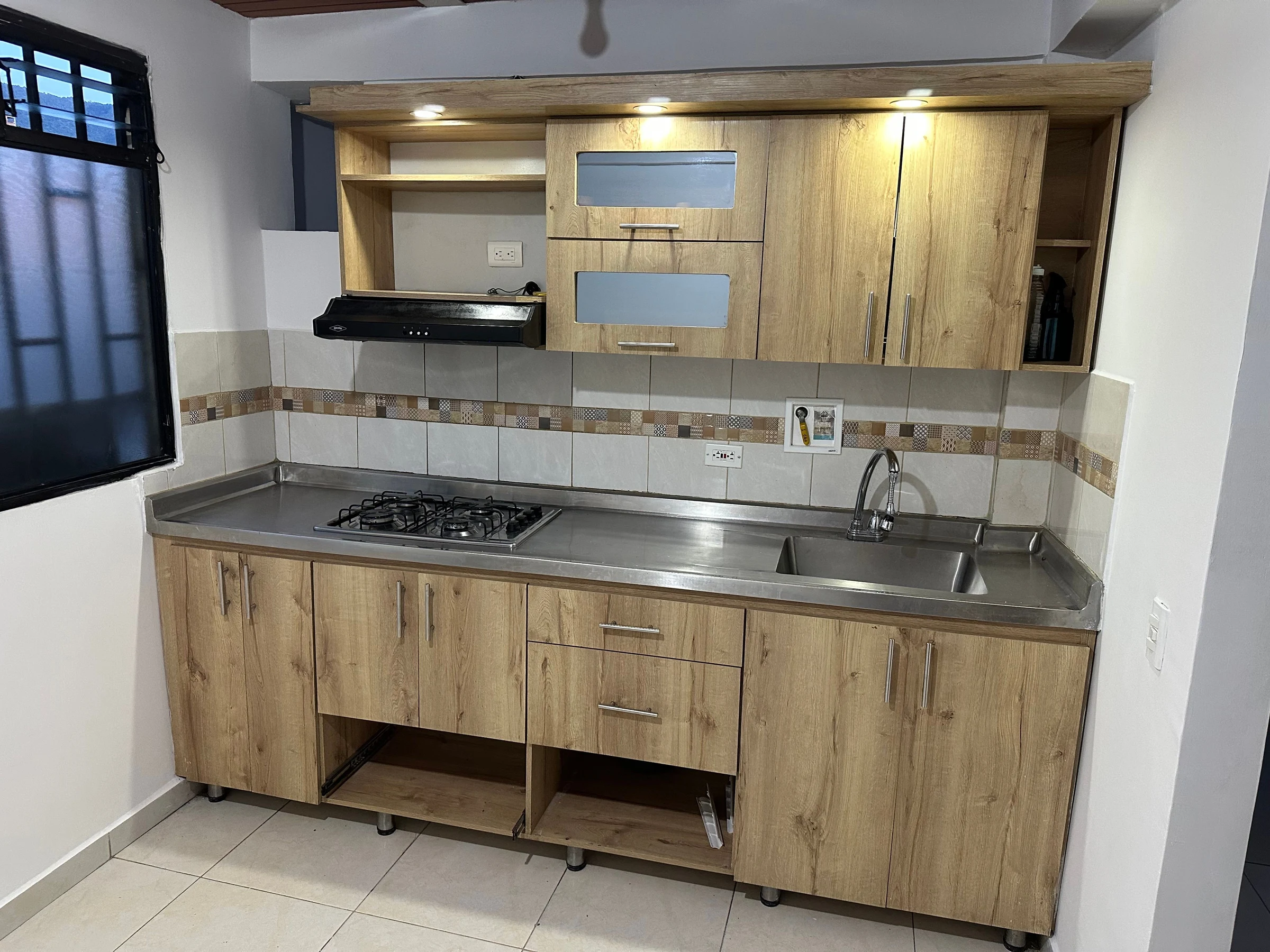

Comments
Loading comments...
Checking sign-in status...