
Living in Sabaneta, Medellín: The Honest Neighborhood Guide
Sabaneta is Medellín's most affordable southern municipality — its own town, not a neighborhood — with Metro Line A access and rents 20–35% cheaper than El Poblado. Here's what living there actually looks like.
IDIOMA DEL ARTÍCULO
Showing original language
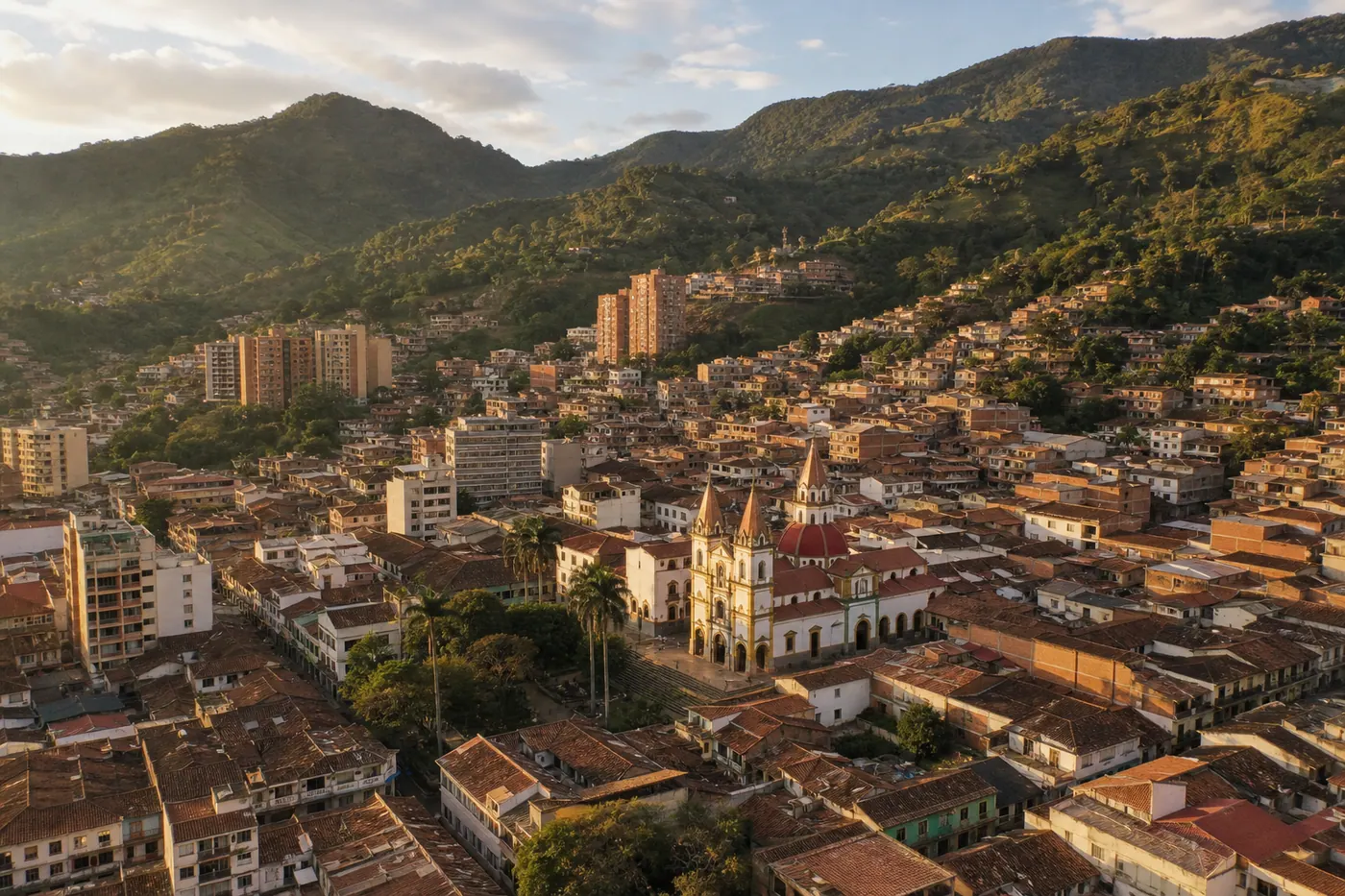
The conversation about where to live in Medellín usually stalls at the same three options. El Poblado is expensive. Laureles is the smart middle ground. Envigado is the quiet alternative. Meanwhile, Sabaneta — sitting just south of Envigado on Metro Line A — barely comes up, and that's a genuine oversight.
Sabaneta is the kind of place that doesn't announce itself. There's no Instagram-famous café on every corner, no cluster of co-working spaces competing for digital nomad attention. What it has instead is a functioning Colombian municipality — 300,000 people, its own mayor and police force, a parque principal where families actually gather on Sunday afternoons, and rents that are noticeably cheaper than anything north of the Envigado border. If you're staying more than a month and prioritizing budget and daily quality of life over proximity to brunch culture, it deserves a serious look. If you want to see real-world options right now, you can browse apartments and houses on Colombia Move — posting is completely free.
This guide covers what living in Sabaneta actually looks like: real rent prices, the sub-zones worth knowing, how the Metro commute works, and the honest comparison with Envigado.
🏠 What to Know First About Sabaneta
- Southernmost municipality in the Aburrá Valley — its own town, not just a neighborhood of Medellín
- Rent runs 20–35% cheaper than El Poblado for the same size apartment
- Admin fees are low: most buildings charge COP 80,000–180,000/month
- Metro Line A connects Sabaneta to El Poblado in ~18 minutes, Parque Berrío in ~30
- Strong Colombian character — less expat infrastructure, more tiendas de barrio, genuinely quieter
Rent Prices in Sabaneta in 2026
These are ranges pulled from actual listings in 2026. Sabaneta has gotten more attention from price-conscious expats and returnee Colombians over the last couple of years, so prices have drifted up slightly — but it remains the most affordable municipality in the southern Aburrá Valley.
- Studio / 1BR unfurnished: COP 800,000 – 1,400,000/month (~$197–$344)
- 1BR furnished: COP 1,300,000 – 2,200,000/month (~$320–$541)
- 2BR unfurnished: COP 1,300,000 – 2,400,000/month (~$320–$590)
- 2BR furnished: COP 2,000,000 – 3,400,000/month (~$492–$836)
- 3BR unfurnished (house or large apt): COP 2,100,000 – 3,800,000/month (~$516–$934)
The cuota de administración (monthly admin fee) is where Sabaneta pulls further ahead. Most mid-range residential buildings charge COP 80,000–180,000/month — significantly lower than the COP 300,000–700,000 you'll see in El Poblado towers or newer Envigado complexes. Older buildings and casas in the hillside barrios sometimes have no admin fee at all.
Utilities are similar to the rest of the metro area: expect COP 150,000–260,000 for electricity, gas, and water combined in a standard 1-2BR. Air conditioning is rarely needed at Sabaneta's altitude — this saves real money versus coastal cities.
Deposits typically run one to two months' rent, often negotiable if you're renting direct from the owner.
The Sub-Zones Worth Knowing
Sabaneta isn't one uniform area. The municipality stretches from flat land near the Metro line up into hillside barrios with very different characters. Here's how to think about the main zones:
La Doctora / Parque Principal Area
La Doctora is the commercial and cultural heart of Sabaneta — this is where the parque principal is, surrounded by the church, old commercial streets, and the kind of restaurants that serve bandeja paisa to locals rather than to food tourists. This is also where the annual Festival de Jericó and the Virgen del Carmen celebrations draw enormous crowds every July, which is either charming or overwhelming depending on your tolerance for noise and crowds.
Rents here skew slightly higher than the surrounding barrios — more visibility, more walkable to services. A decent 2BR unfurnished in this zone runs COP 1,500,000–2,200,000. The trade-off is that this area is busier during the day and on weekends. Not chaotic, but not quiet either.
El Carmelo and Barrio San Diego
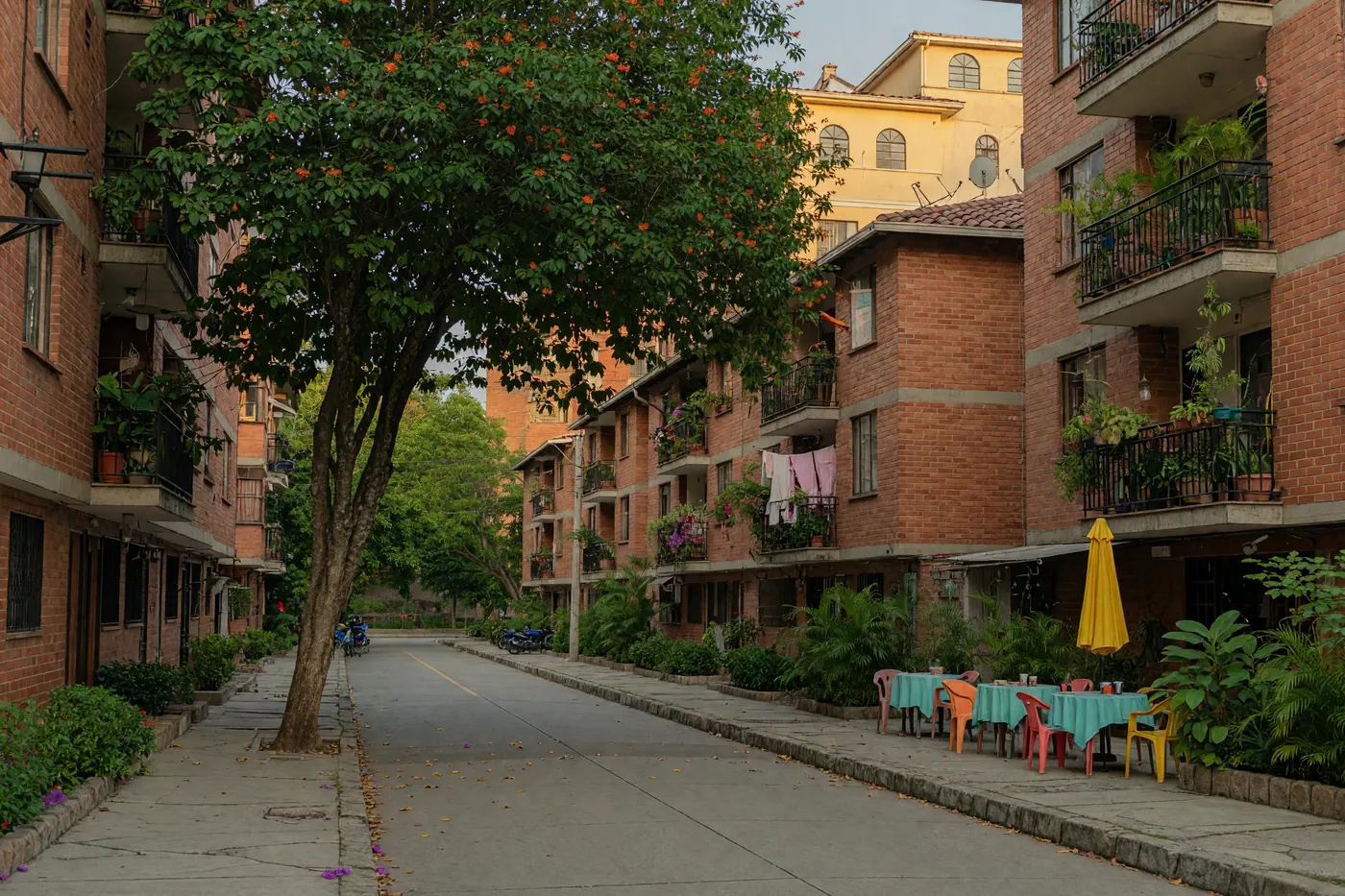
These residential barrios sit on the western and southern flanks of the municipality, primarily estrato 3–4 housing. Newer apartment complexes have appeared here in the last five years — mid-sized buildings with small gyms, covered parking, and admin fees in the COP 100,000–160,000 range. These are genuinely good-value options for families or longer-term residents who don't need to be central.
You'll need a car or bike or a short bus ride for most errands, but the neighborhood is calm and the streets are safe. This is where Colombians from other cities look when they're relocating to the metro area with a family and a budget.
Sabaneta Centro — Near the Metro Station
The strip between the Sabaneta Metro station and the parque is the most practical zone for people who rely on the Metro for their commute. It's not particularly scenic — it's a working commercial corridor — but you can walk to the station in 10–20 minutes depending on exactly where you are, and bus routes cover the rest. Rents here tend to be the lowest in the municipality: a basic furnished 1BR can go for COP 1,100,000–1,600,000. The apartments aren't new, but they're functional.
Los Pinos and the Hillside Barrios
Moving uphill away from the Metro, the character changes completely. These are quieter, greener, more distinctly Colombian residential areas — casas with patios, smaller apartment buildings, and views across the valley. Estrato 3 territory, mostly. You'll need a motorcycle or car to get around conveniently up here, or be comfortable with buses that run every 20–30 minutes. The reward is meaningfully lower rent and a level of tranquility that flat-land zones can't match. A 3BR house up here can rent for COP 2,000,000–2,800,000 — not bad for what you get.
What Daily Life Actually Looks Like
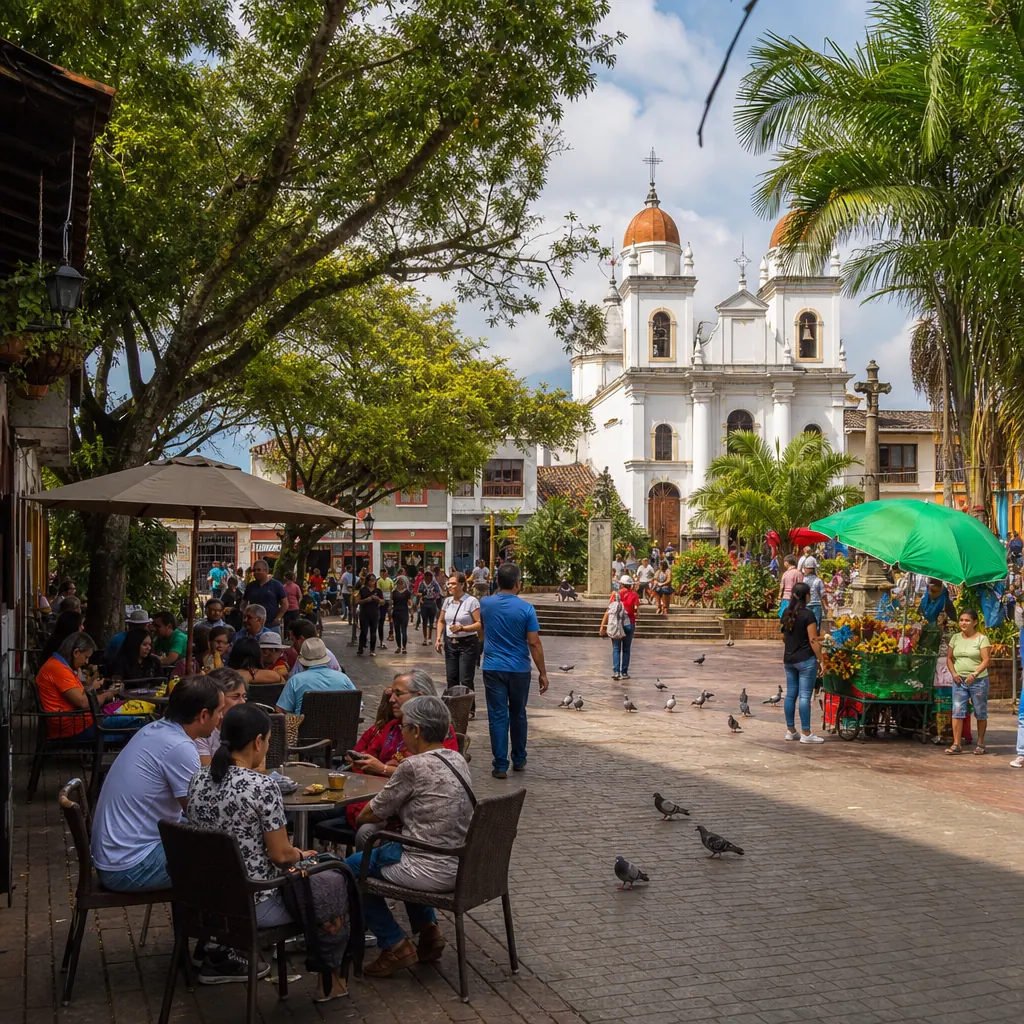
Sabaneta doesn't perform for visitors. That's the first thing you'll notice. There's no neighborhood-wide effort to package the experience for expats or digital nomads. The tiendas de barrio are selling eggs and panela and softdrinks to their regulars, not specialty coffee to remote workers. This is either a plus or a minus depending on what you came to Colombia for.
The food scene is genuinely good, but in a different way than El Poblado. You're not eating at a trendy fusion restaurant — you're at a fondita serving a three-course lunch for COP 14,000–18,000, or at one of the several good carnicerias that do grilled meats on weekends. There are some newer cafés and restaurants targeting the growing middle-class Colombian market (not expats specifically), and those are solid. Specialty third-wave coffee? One or two options, but you'll commute to Envigado or El Poblado for that.
The parque principal on Sunday mornings is one of the best things about Sabaneta. Families show up, kids run around, vendors sell obleas and fresh juice, and nothing is trying to be anything other than what it is. It's the kind of scene that takes three months to appreciate but that most expats who've lived in El Poblado for too long quietly miss.
One frustration I'll be upfront about: supermarket options are decent but limited compared to Envigado. There's a Carulla and Éxito within reasonable distance, and D1 and Ara for budget shopping, but the range isn't the same as a central neighborhood. You adapt quickly — or you do one weekly shop in Envigado and fill in daily with the local market.
Getting Around from Sabaneta
Metro Line A is Sabaneta's biggest asset for daily commuting. The Sabaneta station sits at the southern terminus of Line A, which means the trains heading north are relatively uncrowded when you board — you'll almost always get a seat, which is not something people in other neighborhoods can say.
- Sabaneta → Ayurá (Envigado border): 2 stops, ~4 minutes
- Sabaneta → El Poblado: 5 stops, ~12 minutes
- Sabaneta → Parque Berrío (city center): 10 stops, ~22 minutes
- Sabaneta → Bello (north end): ~40 minutes
The Metro card (Civica) costs COP 3,350 per trip. You can load it at any station. The daily cap system (where multiple trips in a day are capped at a certain total) sometimes helps if you're commuting multiple times — check the current Transporte Metro rules.
Uber and InDrive work reliably throughout Sabaneta. A trip to El Poblado typically runs COP 12,000–20,000 depending on traffic. Heading to Envigado or Laureles is cheaper. Rush hour on Avenida Las Vegas north toward El Poblado can be brutal — if you're commuting at 7–9am or 5:30–7:30pm regularly, the Metro is the only sane option.
Cycling from Sabaneta north to Envigado or even El Poblado is feasible on the ciclovía routes that run along the valley on Sundays and some evenings, but it's not the same cycling-friendly infrastructure as Bogotá's Ciclovía. For daily cycling as a commute option, the terrain and traffic make it challenging unless you're north of the main commercial zone.
Sabaneta vs. Envigado — The Honest Comparison
This is the comparison most people moving to the southern valley actually face. Both are their own municipalities. Both have a proper Colombian character. The differences come down to rent, Metro access, and the degree to which you want expat infrastructure nearby.
| Factor | Sabaneta | Envigado |
|---|---|---|
| 1BR unfurnished rent | COP 900k–1.5M | COP 1.1M–1.9M |
| Admin fee typical | COP 80k–180k | COP 100k–250k |
| Metro access | 1 station (Sabaneta, Line A) | 2 stations (Ayurá, Envigado) |
| Expat presence | Low (growing) | Medium |
| Colombian town feel | Very strong | Strong |
| Restaurant/café scene | Good local options, limited specialty | Better variety |
| Best for | Budget-conscious, families, full immersion | Balance of expat access and local life |
The honest verdict: Envigado is the better option if you want expat-accessible services, a broader café and restaurant scene, and slightly easier Metro access (two stations instead of one). Sabaneta makes sense if you're budget-first, staying long-term, comfortable in Spanish, or specifically looking for that proper Colombian town feel that Envigado's Las Vegas strip has mostly lost.
I'd also note: if you're comparing Sabaneta to El Poblado, the lifestyle difference is much larger than a rent comparison suggests. El Poblado has 24/7 English-friendly services, international restaurants, rooftop bars, and a constant stream of other foreigners to meet. Sabaneta has almost none of that. That's fine — many people prefer it — but go in with accurate expectations.
📖 Keep Reading
Average Rent in Medellín by Neighborhood: What Apartments Actually Cost — full breakdown across El Poblado, Laureles, Envigado, and the metro area.
Finding a Rental in Sabaneta
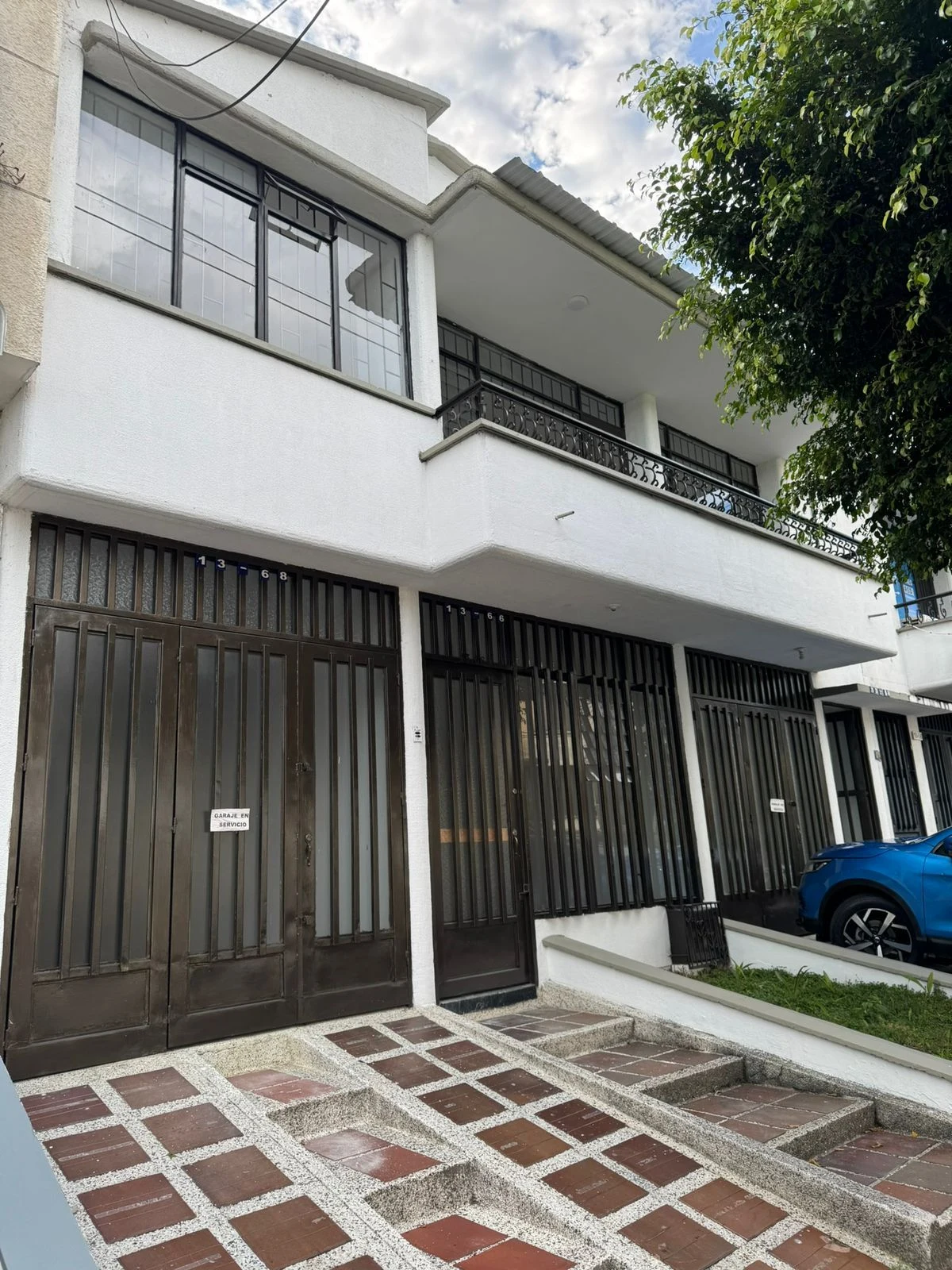
Arriendo directo — renting directly from the owner without an agency — is more common in Sabaneta than in El Poblado or even Laureles. Owners in the southern municipalities still post directly more than in the center, which means lower upfront costs (no agency fee, which typically runs one month's rent) and more flexibility on deposits and move-in dates.
Colombia Move has a growing inventory of direct-owner listings from Sabaneta and the southern valley — you can browse Sabaneta rentals on Colombia Move without going through an agency. Listings include WhatsApp contact so you can reach owners directly, and the platform is free to use.
Facebook grupos for Sabaneta and the Aburrá Sur are also worth checking — search "Arriendo Sabaneta" or "Arrendamientos Aburrá Sur" and you'll find active groups where owners post directly. The downside is no photo standards and a higher proportion of older, less-documented apartments.
Practical tip: when viewing apartments in Sabaneta, ask specifically about the cuota de administración before falling for a rent price that looks good on paper. Buildings with pools, gyms, or 24-hour security have fees that can add COP 150,000–300,000 monthly — always get that number upfront.
🏘️ Browse Sabaneta Rentals Direct From Owners
No agency fees, no hidden commissions. Find direct-owner listings in Sabaneta and the southern valley on Colombia Move — free to search, easy to contact sellers via WhatsApp.
Browse Sabaneta Apartments →📖 Keep Reading
The Real Cost of Renting in Medellín: Rent Is Only the First Line — what admin fees, utilities, and deposits actually look like in 2026.
Frequently Asked Questions
❓ Is Sabaneta safe?
Yes — Sabaneta is one of the safest municipalities in the Medellín metro area. It's predominantly estrato 3–5 residential, with a strong community character and low levels of street crime compared to central Medellín. The same general awareness rules apply everywhere in Colombia (don't flash expensive items, use apps over cash in unknown areas), but Sabaneta specifically is considered a very safe place to live. Families with children live there in large numbers, which is usually the most accurate signal.
❓ How long does it take to get from Sabaneta to El Poblado?
About 12–15 minutes by Metro from the Sabaneta terminus to the El Poblado station. Add 10–15 minutes of walking time on each end and you're looking at a 35–45 minute door-to-door commute. By Uber or InDrive during off-peak hours it's 15–25 minutes and costs COP 12,000–20,000. During rush hour, the Metro is dramatically faster.
❓ Is Sabaneta a good option for digital nomads?
Honest answer: it depends on what you need. If you want to be surrounded by coworking spaces, English-speaking neighbours, and specialty coffee, Sabaneta isn't the right fit — go to El Poblado or Laureles. If you work from home, are comfortable in Spanish, and want to cut your rent by 25–35% while still having reliable Metro access to the centre, Sabaneta is genuinely good. Internet speeds in modern buildings are comparable to anywhere in the metro area (50–200 Mbps fiber through Claro or ETB is available). The coworking scene is minimal, but coworking spaces in Envigado are a short bus ride away.
❓ What is the difference between Sabaneta and Envigado?
Both are independent municipalities in the southern Aburrá Valley, but Envigado is larger, more developed, and better served by the Metro with two stations. Envigado has more cafés, restaurants, and expat-accessible services in the Las Vegas corridor. Sabaneta is smaller, retains a stronger traditional Colombian town character, has lower rents, and feels less cosmopolitan. Envigado is where you go for a balance of local and expat life. Sabaneta is where you go when you want to pay less and don't need that balance.
❓ Do I need Spanish to live in Sabaneta?
Yes, more than in El Poblado or Envigado's Las Vegas area. Most services in Sabaneta — supermarkets, tiendas, restaurants, local offices — operate entirely in Spanish. There are very few businesses with English-speaking staff. Basic conversational Spanish is enough to get by for everyday tasks. If you're moving from a context of no Spanish at all, it might be worth spending a month in El Poblado first to build some foundation before moving south.
Comments
Loading comments...
Checking sign-in status...