
Living in Cali, Colombia: The Honest Expat Guide
Cali lands near the bottom of most expat shortlists — which is partly why rent hasn't hit Medellín prices yet. Here's what living in Colombia's salsa capital actually looks like.
IDIOMA DEL ARTÍCULO
Showing original language
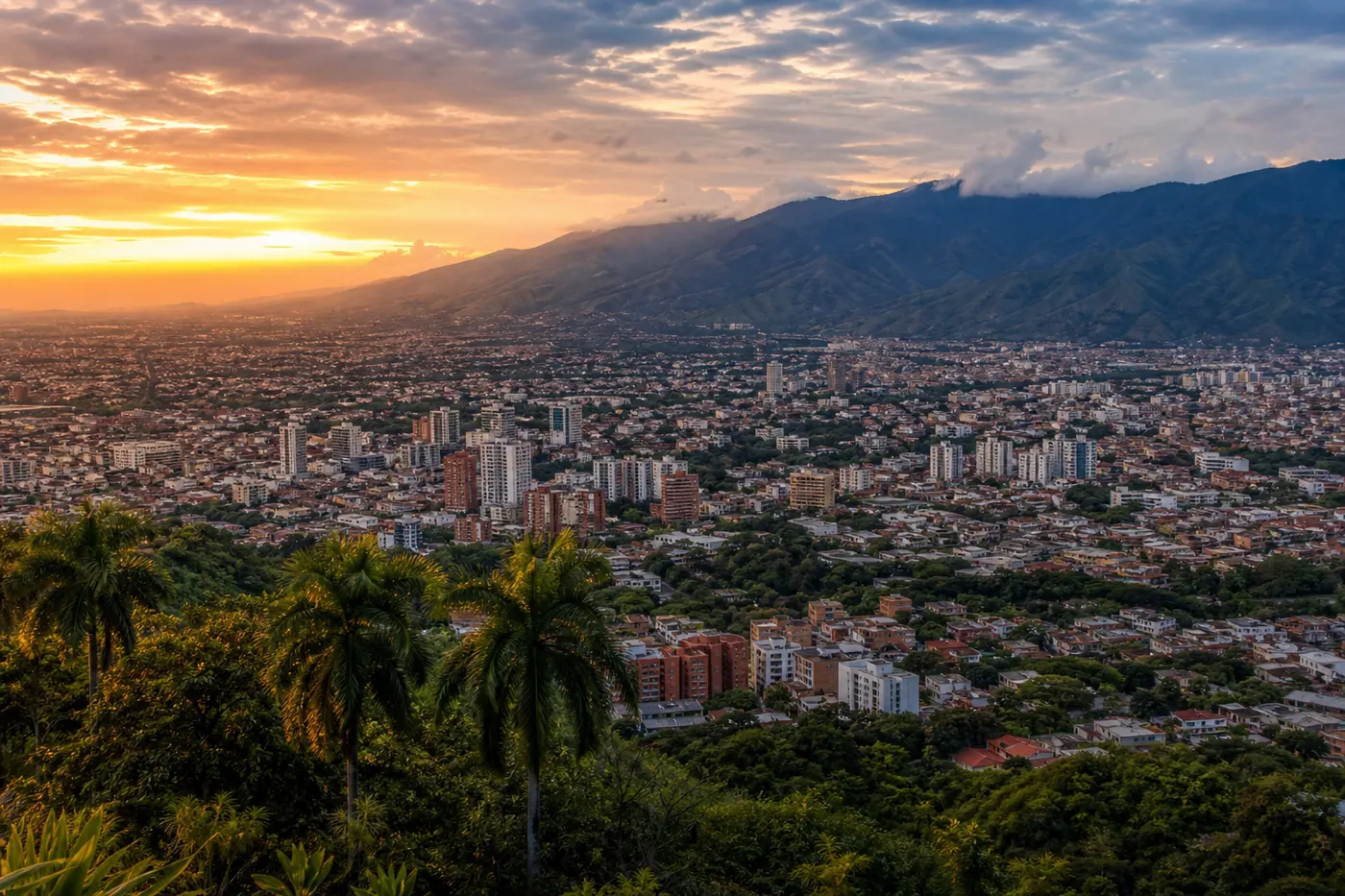
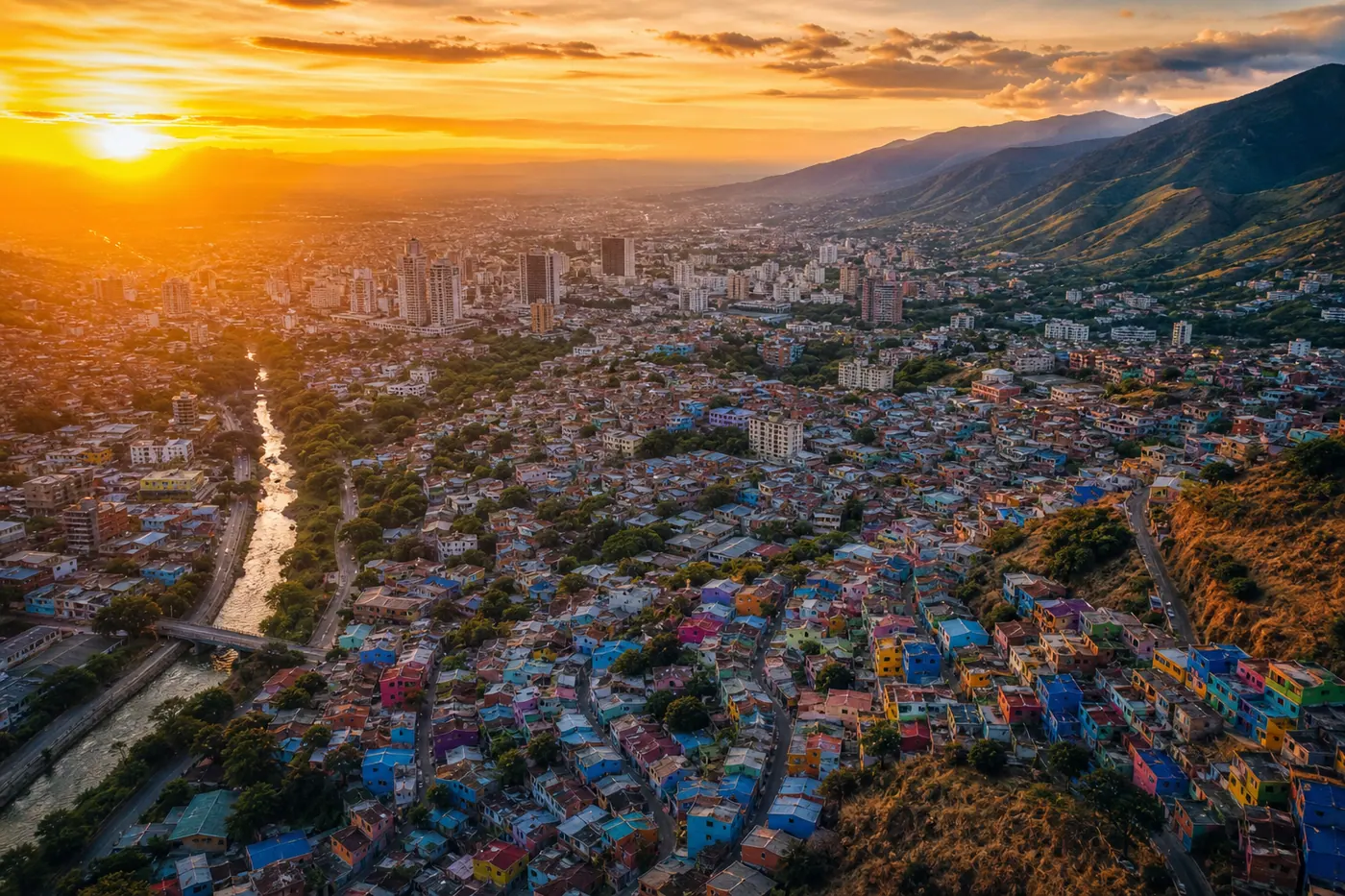
The first thing I noticed when I stepped out of the car in Granada was the heat — not the oppressive, suffocating kind you get in Barranquilla, but something warmer and more insistent than Medellín's eternal spring. Then, somewhere between the taxi and my rental building, I heard it: a speaker playing salsa from one window, vallenato drifting from the next building over. Cali doesn't ease you in.
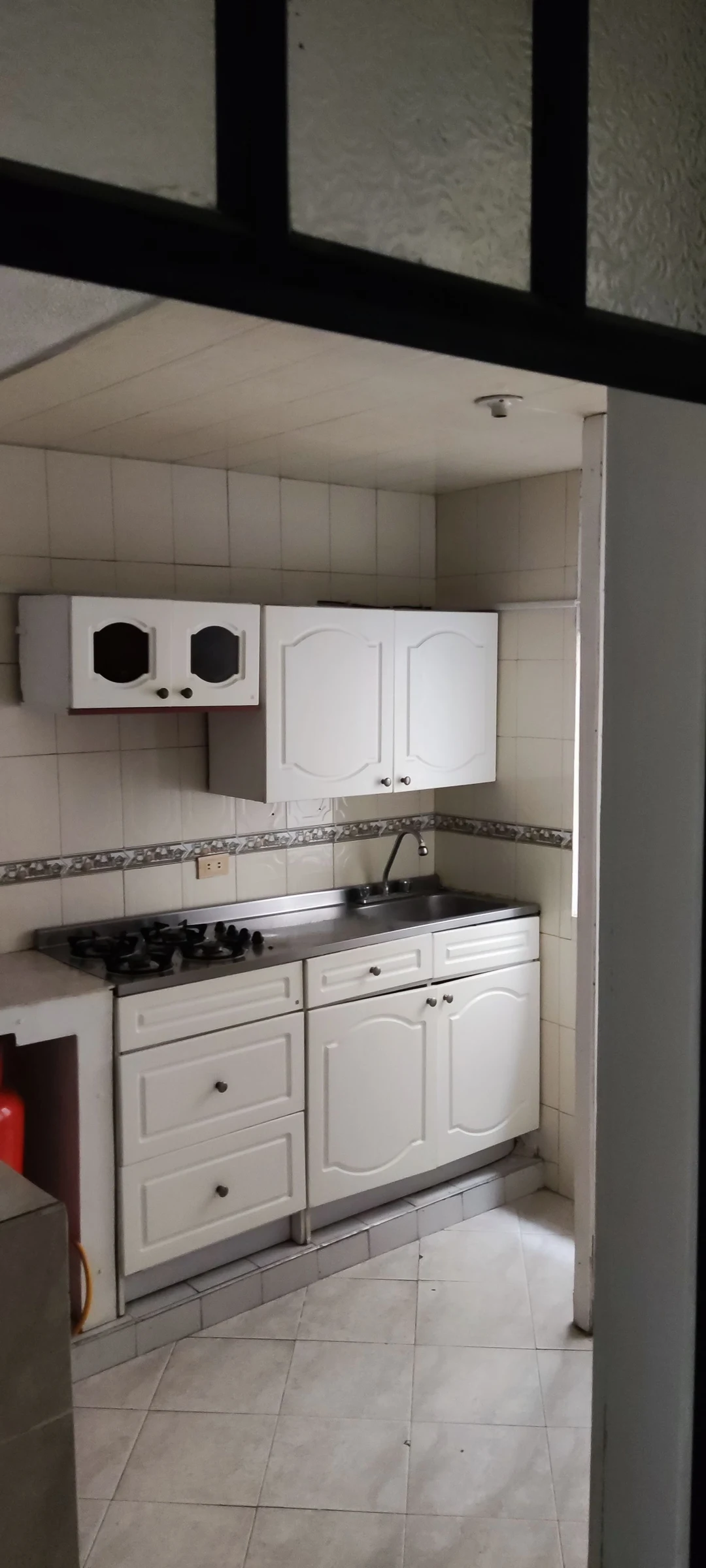
Cali is Colombia's third-largest city and consistently lands near the bottom of expat shortlists. Most people make a beeline for Medellín — and Medellín earns the reputation. But this is partly why rent in Granada hasn't hit El Poblado prices yet, why the city still feels genuinely Colombian rather than expat-adjacent, and why the people who do land in Cali tend to talk about it with a specific enthusiasm you don't always hear from people up north. If you want to see real-world options right now, you can browse apartments and houses on Colombia Move — posting is completely free.
This guide covers what living in Cali actually costs, which neighborhoods make sense for expats (and why), how healthcare and transport work, and the honest parts other guides skip — like the power cuts and the fact that the city's social life orbits salsa in a way that's hard to opt out of.
Cali at a Glance
- Climate: 28–32°C year-round — warm but not Caribbean-coastal suffocating
- Rent: $300–600/month furnished, depending on neighborhood
- Best neighborhoods: Granada (easiest start), San Antonio (most character), El Peñón (artsy mid-range)
- Spanish required: More than Medellín — plan to actually learn it
- Expat community: Small but tight (~5,000 in the main Facebook group vs. 80,000+ for Medellín)
- Why people stay: The salsa, the warmth, the price, the realness
What Makes Cali Different from Every Other Colombian City
Cali sits at around 1,000 meters above sea level — low enough that it runs warm year-round (28–32°C during the day, rarely below 20°C at night), high enough that the air isn't the heavy, wet heat of Barranquilla or Santa Marta. If Medellín's spring climate feels too cool for you, Cali is the answer. If Bogotá's cold and gray grinds you down, Cali is definitely the answer.
But the bigger difference is cultural. Cali is the global capital of salsa — not as a tagline, but as a verifiable fact. The World Salsa Festival happens here every September. Salsa schools in the traditional Cali style are on every other block in Granada and El Peñón. Your taxi driver practices footwork at red lights. This isn't background decoration; it's the organizing principle of social life. If music and movement matter to you, nowhere else in Colombia comes close.
The expat community is notably smaller than Medellín or Bogotá. The main Facebook group has a few thousand members; the Medellín equivalent has tens of thousands. That cuts both ways: you'll need functional Spanish sooner, and your social network won't be handed to you by a ready-made expat scene. But the upside is genuine integration at a pace that Medellín's bubble makes almost impossible. Most long-term expats in Cali say the smaller community was the thing that forced them to actually get good at Spanish — and they don't regret it.
What Living in Cali Actually Costs
Cali sits at an interesting price point: meaningfully cheaper than Medellín for comparable quality, considerably cheaper than Bogotá, and still more expensive than smaller cities like Pereira or Manizales.
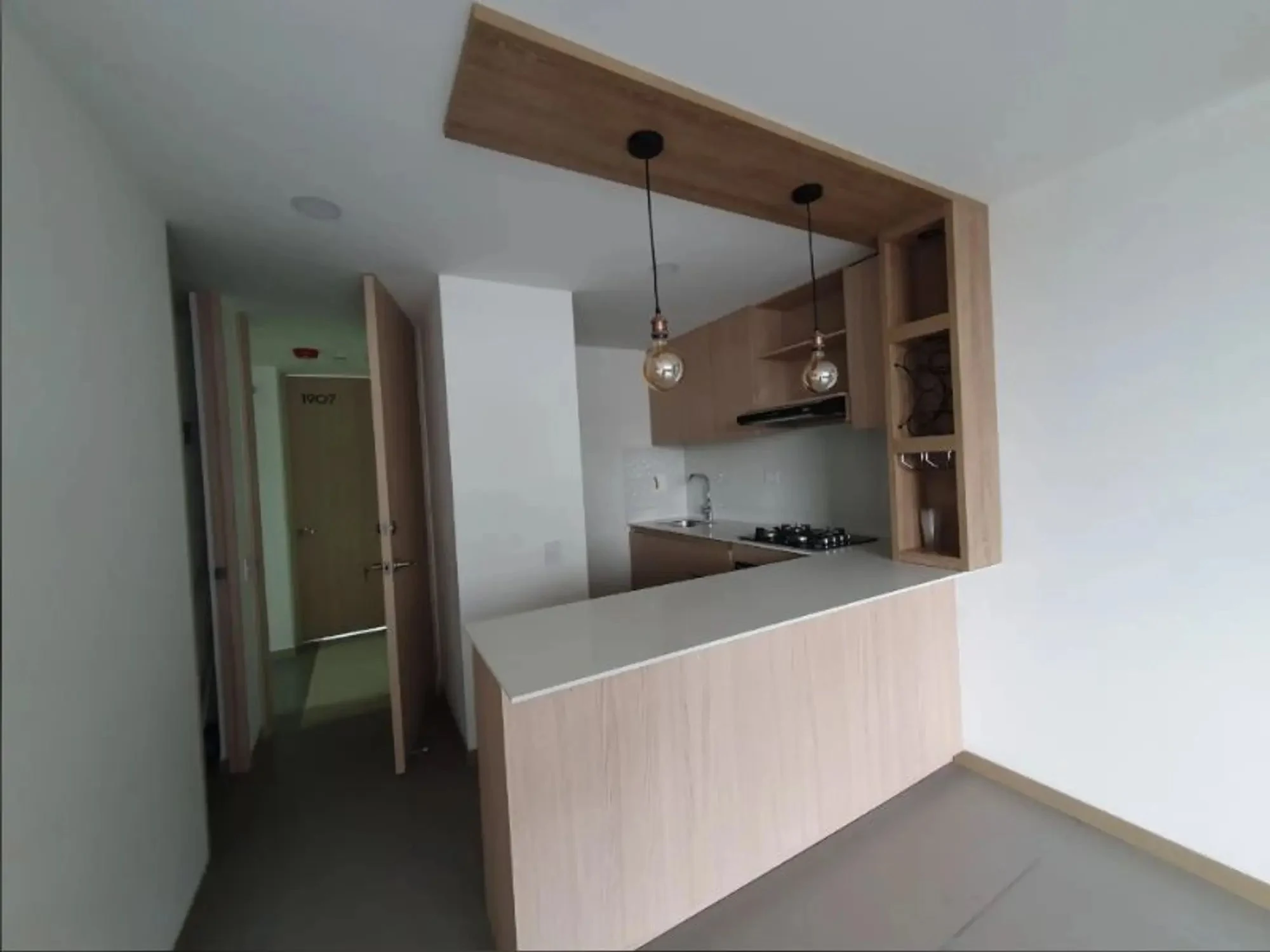
Rent is the biggest variable. In Granada — the expat default — expect to pay 1.8–2.5 million COP/month ($450–625) for a furnished one-bedroom. San Antonio runs 1.2–1.8 million COP ($300–450), sometimes less for older units with more character. Ciudad Jardín starts around 2.5 million COP and goes up from there. Check whether your quoted rent includes internet and whether the AC is separate — both questions matter in Cali's heat.
| Category | Budget | Mid-Range | Comfortable |
|---|---|---|---|
| Rent (1BR furnished) | $300 | $450 | $600+ |
| Food (cooking at home) | $100 | $160 | $240 |
| Eating out | $60 | $110 | $190 |
| Transport (InDrive) | $30 | $55 | $80 |
| Internet + utilities | $55 | $75 | $95 |
| Monthly Total | ~$545 | ~$850 | ~$1,205 |
The transport number surprises people. InDrive is Cali's dominant ride-hailing app, and it's cheap — a 15-minute cross-Granada trip typically runs 10,000–14,000 COP ($2.50–3.50). You can comfortably go car-free without feeling the squeeze.
Getting Around Cali
InDrive dominates. Unlike Medellín, Uber has had a complicated regulatory history in Cali — InDrive is more reliable here and often cheaper. The app works exactly like any ride-hailing service: request a trip, the driver quotes a price, you accept or counter-offer. Most trips within the expat belt run 8,000–15,000 COP.
The MIO (Masivo Integrado de Occidente) is Cali's BRT bus network. It's functional, covers most of the city, and costs around 2,950 COP per trip. The air-conditioned stations are a genuine relief in the afternoon heat. The system runs more north-south than it does connecting the specific expat neighborhoods laterally, so it's better for longer cross-city trips than day-to-day errands.
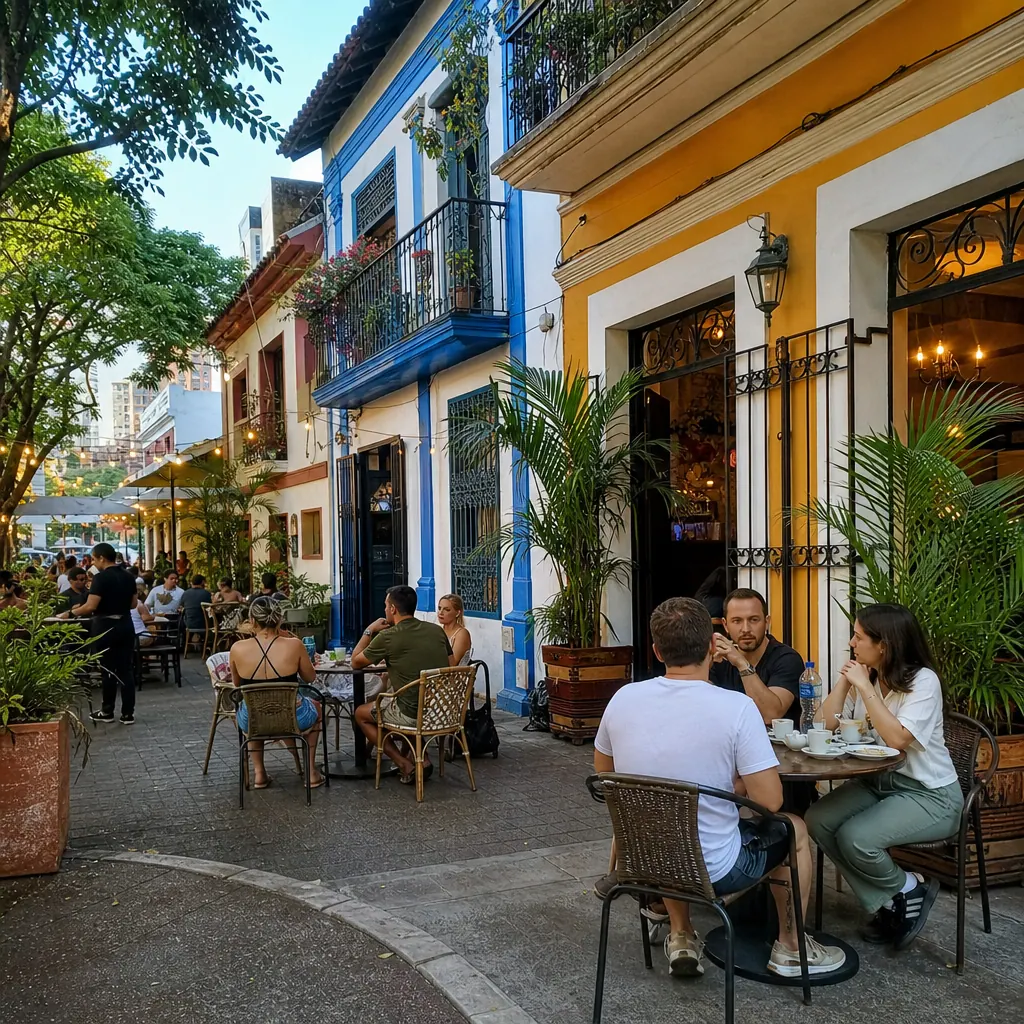
Walking is realistic within neighborhoods. Granada, San Antonio, and El Peñón are all walkable for daily life — supermarkets, cafés, pharmacies, restaurants — without needing a car. Ciudad Jardín is the exception; it's car-dependent for most needs. Cycling is a real option along the ciclovías that run beside the Río Cali, and some daily commuters use bikes in the flatter sections of the city.
Healthcare in Cali
Healthcare in Cali is better than the city's reputation might suggest. Two standout private hospitals: Fundación Valle del Lili (consistently ranked among the top five hospitals in Latin America) and Clínica Imbanaco. If you need something serious addressed, you're in a city that can handle it.
For expats planning to stay long-term, EPS health insurance is available through the standard process. The most common EPS options in Cali are Coomeva, EPS Sanitas, and Nueva EPS. Read our complete guide to getting EPS as a foreigner before going in — the enrollment process has specific requirements depending on your visa status.
Health Insurance Before You Have EPS
SafetyWing's Nomad Insurance covers Colombia month-to-month — useful for the first weeks before you've sorted EPS or medicina prepagada. Covers accidents, hospitalization, and emergency evacuation.
Check SafetyWing →Dental care is excellent and cheap by any comparison. A cleaning typically runs 60,000–100,000 COP ($15–25). More complex procedures — crowns, implants, orthodontics — are 30–50% of North American prices at quality clinics. No need to plan a medical tourism trip specifically for dental; just find a recommended clinic in Granada or El Peñón.
Setting Up Life in Cali
SIM card: Claro has the best coverage in Cali by a clear margin. Tigo is a serviceable alternative. Buy a SIM at any Claro or Tigo store — they're in every Éxito — and bring your passport. Monthly prepaid plans run 40,000–80,000 COP depending on data. If you want coverage before you land, Saily sells eSIMs for Colombia that work immediately on arrival.
Internet: Claro fiber is available in most expat neighborhoods and runs 60,000–90,000 COP/month for 50–200 Mbps. Availability is building-specific in older constructions, so ask your landlord specifically — don't assume. Tigo has fiber in some areas too.
Banking: For the first weeks, Nequi and Daviplata let you operate nearly cash-free in Colombia. For ATM withdrawals from a foreign account, Charles Schwab's checking account reimburses ATM fees worldwide and has no foreign transaction fee — a practical setup if you're not immediately opening a Colombian account. For sending money into the country, Remitly consistently gives better rates than a bank wire.
Grocery stores: Éxito is the main chain in Cali with the widest selection. D1 and Ara are everywhere for cheaper basics. For produce, Galería Alameda is an open-air market with excellent prices and variety — better selection than any supermarket for fresh ingredients and significantly cheaper.
Keep Reading
Cali vs Medellín vs Bogotá: A Quick Comparison
If you're still deciding between cities, this is the short version:
| Cali | Medellín | Bogotá | |
|---|---|---|---|
| Climate | 28–32°C warm | 22–25°C spring | 10–18°C cool |
| Rent (1BR) | $300–600 | $400–900 | $400–800 |
| Expat community | Small | Very large | Large |
| Spanish required | Yes, actively | Manageable | Yes, actively |
| Main draw | Salsa, warmth, price | Infrastructure, spring | Capital, culture, work |
For a deeper breakdown of which city fits which lifestyle — including Pereira as a wildcard — read our full guide to choosing between Colombian cities.
The Parts Nobody Warns You About
Power cuts happen. Cali's electrical grid is less reliable than Medellín or Bogotá, and the historic neighborhoods — San Antonio in particular — see outages more often. If you work remotely and need consistent power, budget for a UPS battery backup or choose a newer building. It's not a daily problem, but it's not a rare one either.
Security varies at the block level, not just the neighborhood level. Granada is generally comfortable, but the edges bordering less-polished areas shift the calculus at night. San Antonio borders the Centro Histórico, which gets sketchy toward the east after 9pm. The rule isn't 'avoid these neighborhoods' — it's 'research your specific block before signing a lease.' The Expats in Cali Facebook group has current, ground-level information that no general guide can replicate.
The salsa situation is not optional if you want a social life. You don't need to be skilled — but Cali's social scene orbits salsa in a way that makes neutral observers feel like outsiders. Asados, birthday parties, quinceañeros, rooftop nights — there will be dancing. Take a few classes when you arrive. You don't need to be good; you need to be willing. The locals will take you from there.
And the afternoon heat between 1–5pm is a real productivity consideration. Most Caleños schedule outdoor tasks in the morning or evening and structure their day around it. Air conditioning in your apartment isn't a luxury here — it's a daily quality-of-life decision that affects how much you actually get done.
FAQ: Living in Cali, Colombia
❓ Is Cali safe for expats?
The expat neighborhoods — Granada, El Peñón, San Antonio — are generally comfortable day and night with standard urban awareness. Cali's security situation has improved substantially over the past decade, but it varies significantly by block rather than by broad area. Research your specific street before committing to a lease, and ask the Expats in Cali Facebook group for current intel on specific locations you're considering.
❓ Do I need Spanish to live in Cali?
More than in Medellín, yes. Granada has enough expat infrastructure that you can survive initially without much Spanish, but landlords, doctors, government offices, and most social situations will be in Spanish. Most long-term Cali expats say the smaller bubble forced them to actually commit to the language — and most describe that as one of the better outcomes of choosing Cali over Medellín.
❓ How does the cost of living in Cali compare to Medellín?
Cali is roughly 15–25% cheaper than Medellín for comparable neighborhoods and apartment quality. The main savings are on rent and eating out. Transport costs are similar. If you're on a tighter budget or want more space for your money, Cali has a real edge.
❓ What's the best neighborhood in Cali for first-time expats?
Granada is the easiest landing: more English is spoken, furnished apartments are plentiful, and the café infrastructure makes the first month lower-friction. San Antonio is better once you have basic Spanish and want more genuine immersion. El Peñón is a good middle ground — artsy, walkable, slightly cheaper than Granada without sacrificing safety or convenience.
❓ Can I get EPS health insurance in Cali?
Yes. Multiple EPS providers operate in Cali — Coomeva, EPS Sanitas, and Nueva EPS are the most common. The process is the same as anywhere else in Colombia: you'll need a valid visa category that permits enrollment. Some expats opt for prepaid medicina (Colsanitas, Sura) instead for faster appointment access and better private hospital coverage.
Have a question about living in Cali?
Ask the Colombia Move community — expats and locals in Cali answer questions across housing, visas, daily life, and more.
Ask the Community →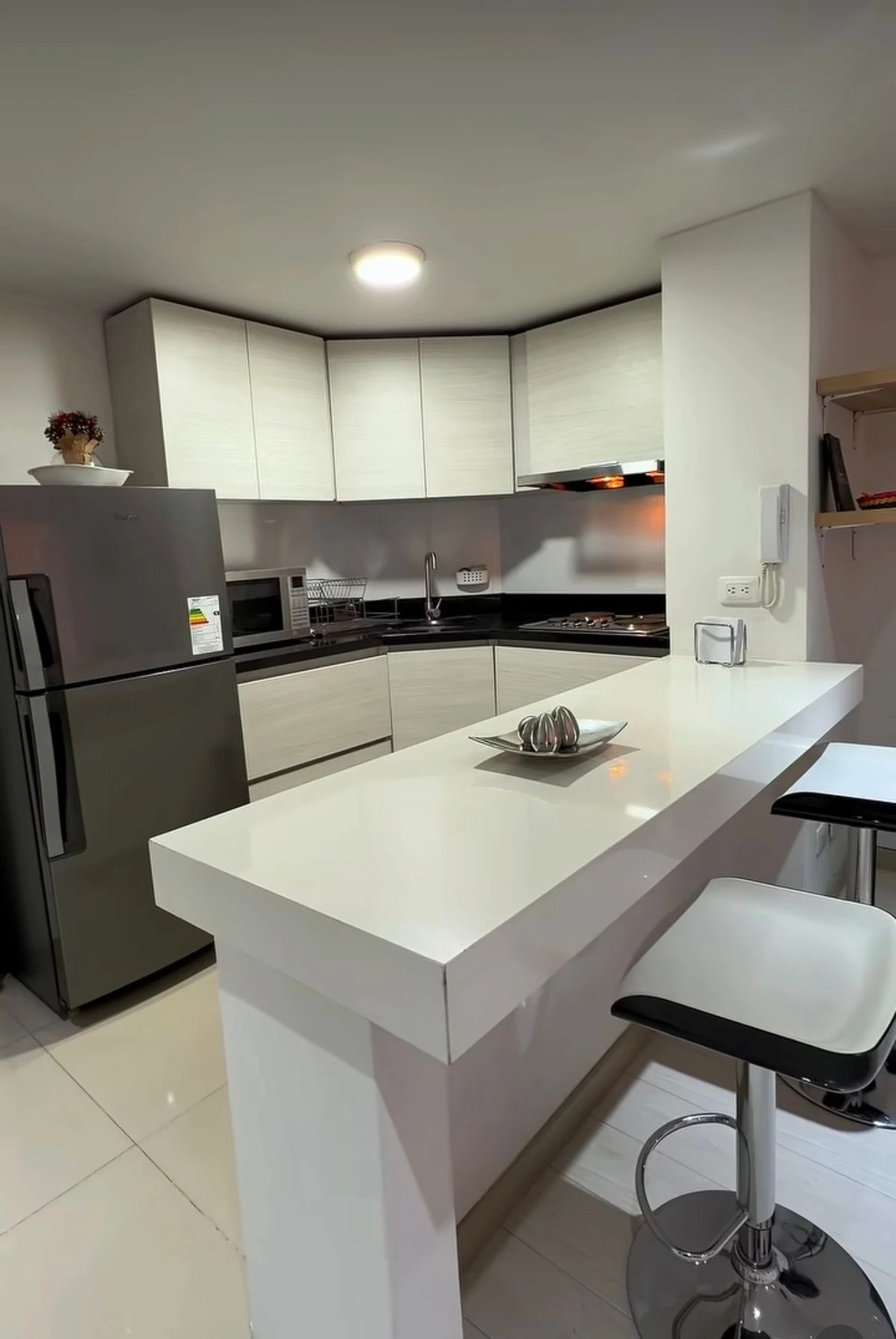

Comments
Loading comments...
Checking sign-in status...