
Living in Ibagué on a Budget: Colombia's Cheapest Major City
Escape the rising costs of Medellín and Bogotá. Everything you need to know about living in Ibagué on a roughly $600 monthly budget.
IDIOMA DEL ARTÍCULO
Showing original language
Quick answer: Ibagué is one of Colombia's most affordable major cities, where a single expat can live comfortably on $500 to $650 USD per month. It offers a mild mountain climate, incredibly cheap rent, and direct access to the stunning Combeima Canyon, making it a top choice for slow travelers on a budget.
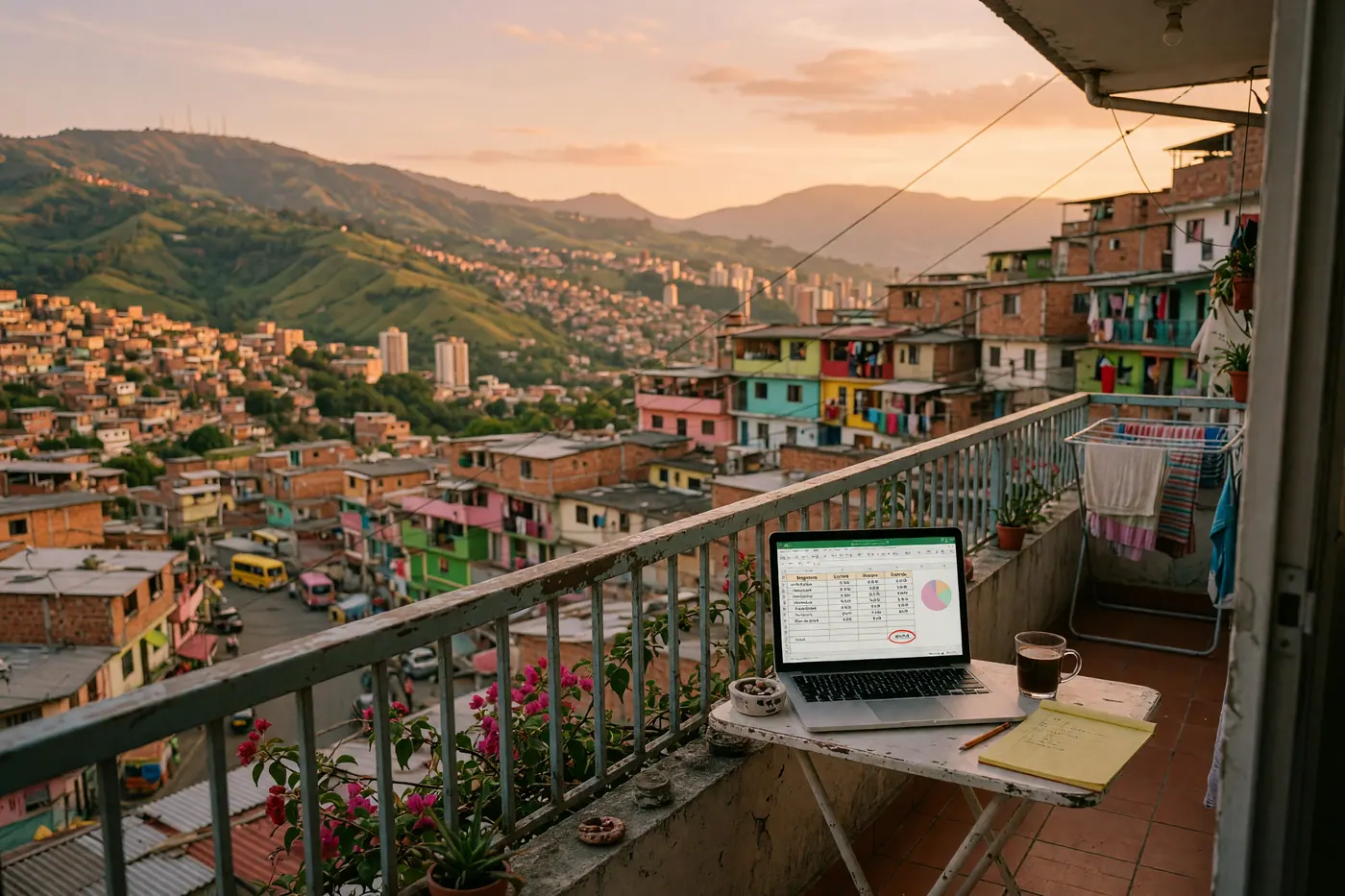
If you have spent any time looking at rent prices in Medellín or Bogotá lately, you might be feeling the pinch. Rents in the major expat hubs have spiked, pushing many foreigners to look for greener, more affordable pastures. The demand for cheaper housing is very real, and more and more newcomers are hunting hard for a city that won't drain their budget.
Ibagué, officially known as the "Musical Capital of Colombia," is exactly that alternative. Located just a three-to-four-hour drive from Bogotá, it consistently ranks among the cheapest major cities in Colombia. It offers a comfortable tropical highland climate—averaging between 19°C (66°F) and 30°C (86°F)—and serves as the gateway to some of the country's most dramatic Andean landscapes.
The Cost of Living in Ibagué in 2026
Let's talk numbers. The cost of living here is significantly lower than in the country's primary expat hubs—often 20% to 30% cheaper overall, with rent sometimes hitting a 50% discount. A single person can live comfortably in Ibagué for around $500 to $650 USD (approximately 1.7 to 2.2 million COP) per month.
To put that in perspective, the Colombian monthly minimum wage for 2026 is COP 1,750,905. If your budget is hovering around the $600 USD mark, you are living well above the local baseline. When compared to the national average for a single person, Ibagué stands out as a genuine bargain.
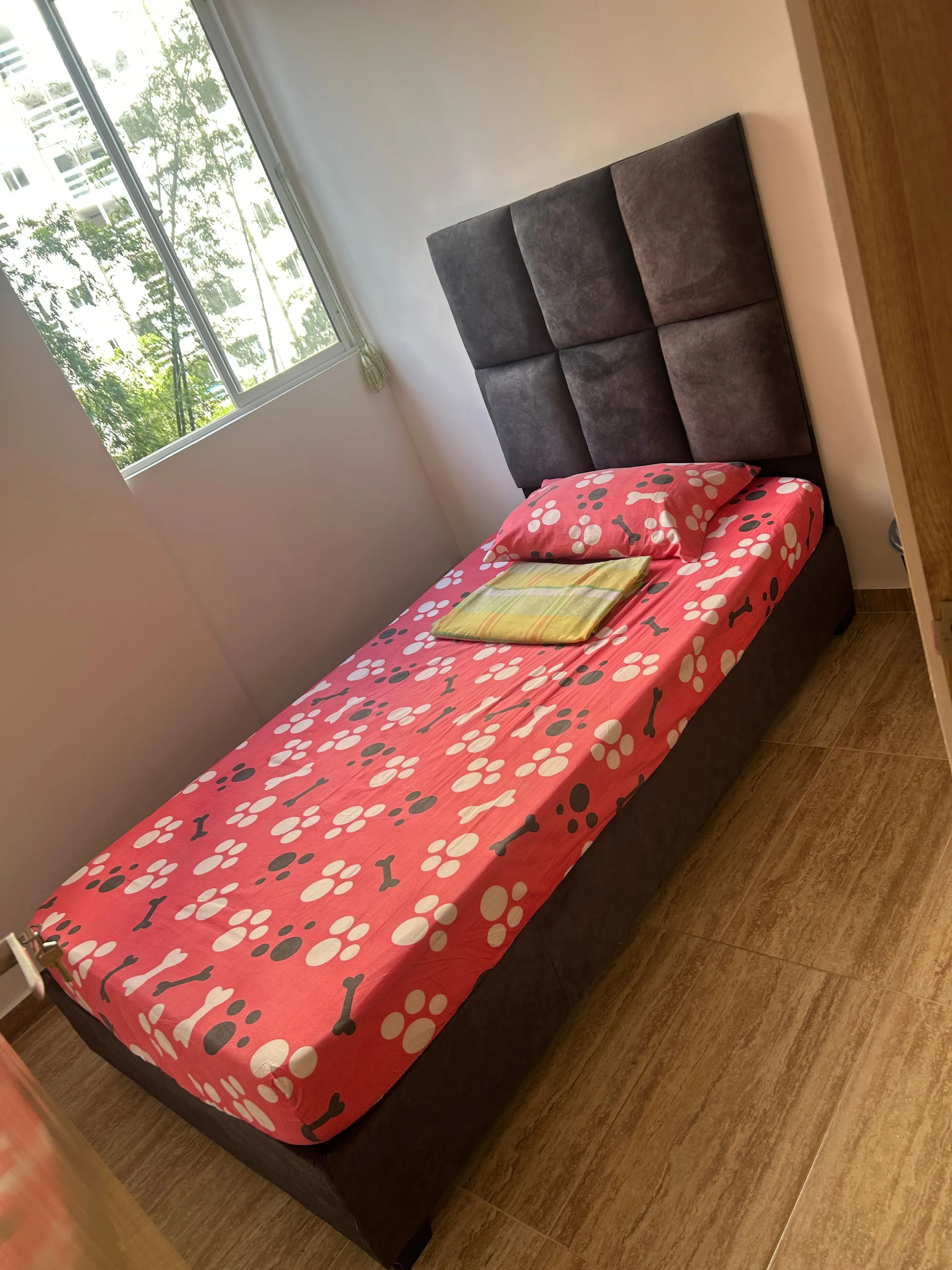
Rent is where you will see the biggest savings. A modern one-bedroom apartment in the city center averages around $200 to $270 USD (roughly 800,000 to 1,100,000 COP) per month. If you are willing to live just outside the center in a more traditional residential area, those prices drop to an astonishing $110 to $160 USD per month. Groceries and utilities are similarly inexpensive, especially if you shop at local markets rather than imported-goods supermarkets.
Where to Live: Safe & Popular Neighborhoods
Ibagué is a mid-sized city, and like anywhere in Colombia, picking the right neighborhood is crucial for both comfort and peace of mind. It is generally safer than Cali or Bogotá, but you still need to follow standard local street smarts—don't flash expensive electronics, and use ride-hailing apps like Uber or InDrive at night rather than hailing cabs off the street.
If you prefer historic charm and central convenience, La Pola and Cádiz are highly recommended. La Pola is one of the city's oldest neighborhoods, featuring colonial architecture, quiet streets, and easy access to the city center. Cádiz is slightly more commercial but keeps a traditional, residential feel.
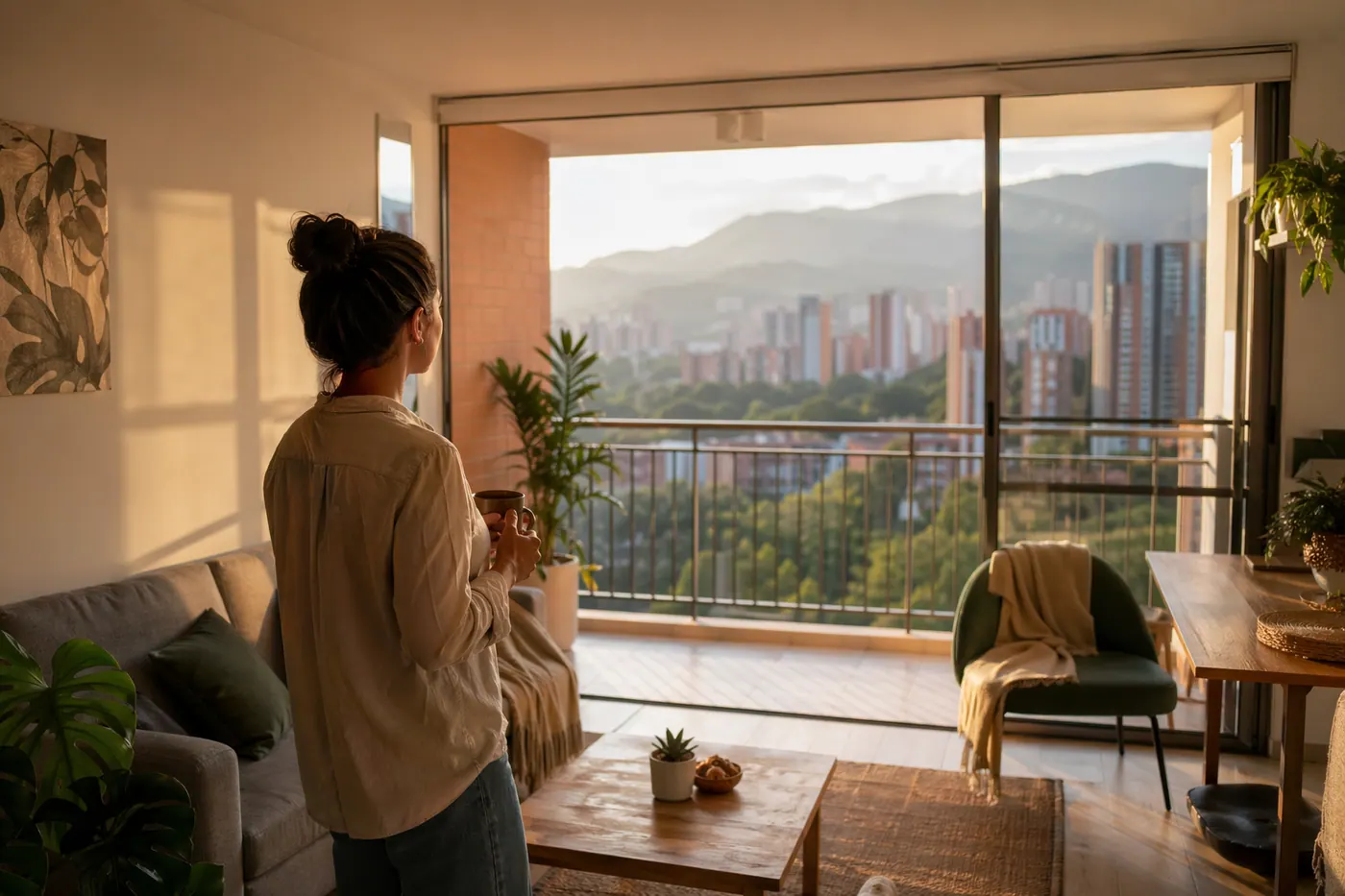
If you are after modern amenities, El Vergel and Calambeo are the upscale choices. These areas are known for their gated communities (conjuntos cerrados) that offer private porters, swimming pools, and gyms. La Samaria is another rapidly developing sector with brand-new apartment buildings and modern infrastructure.
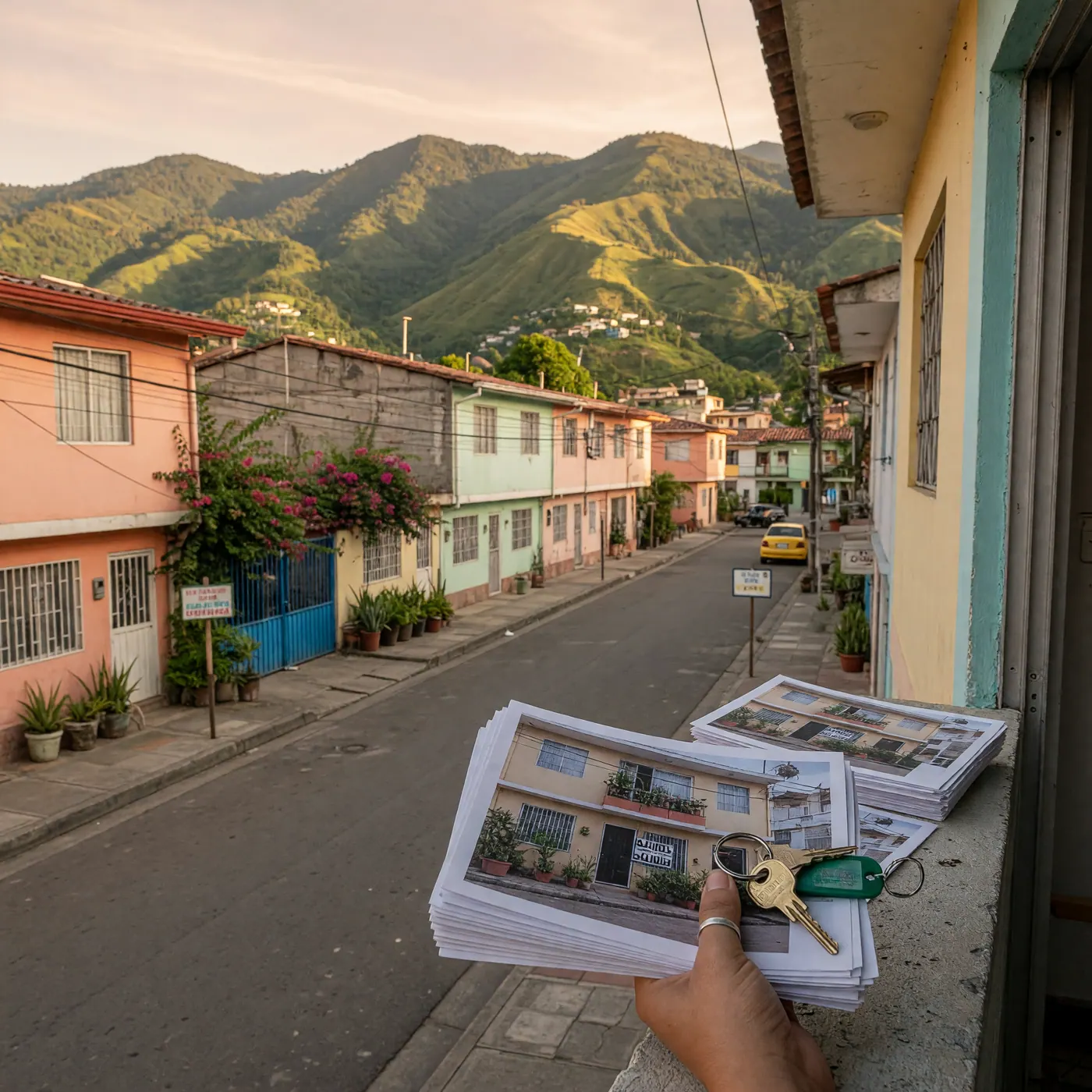
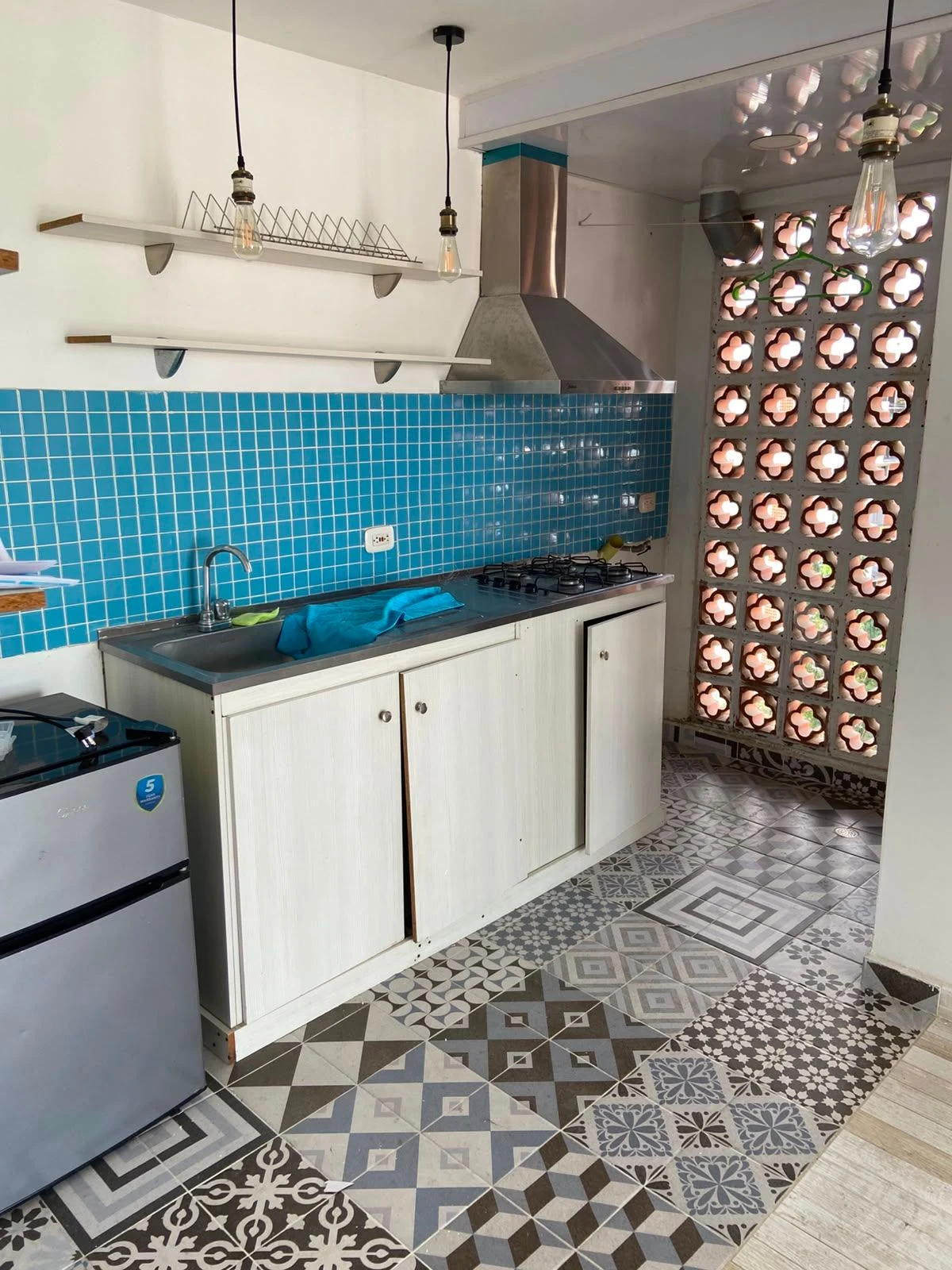
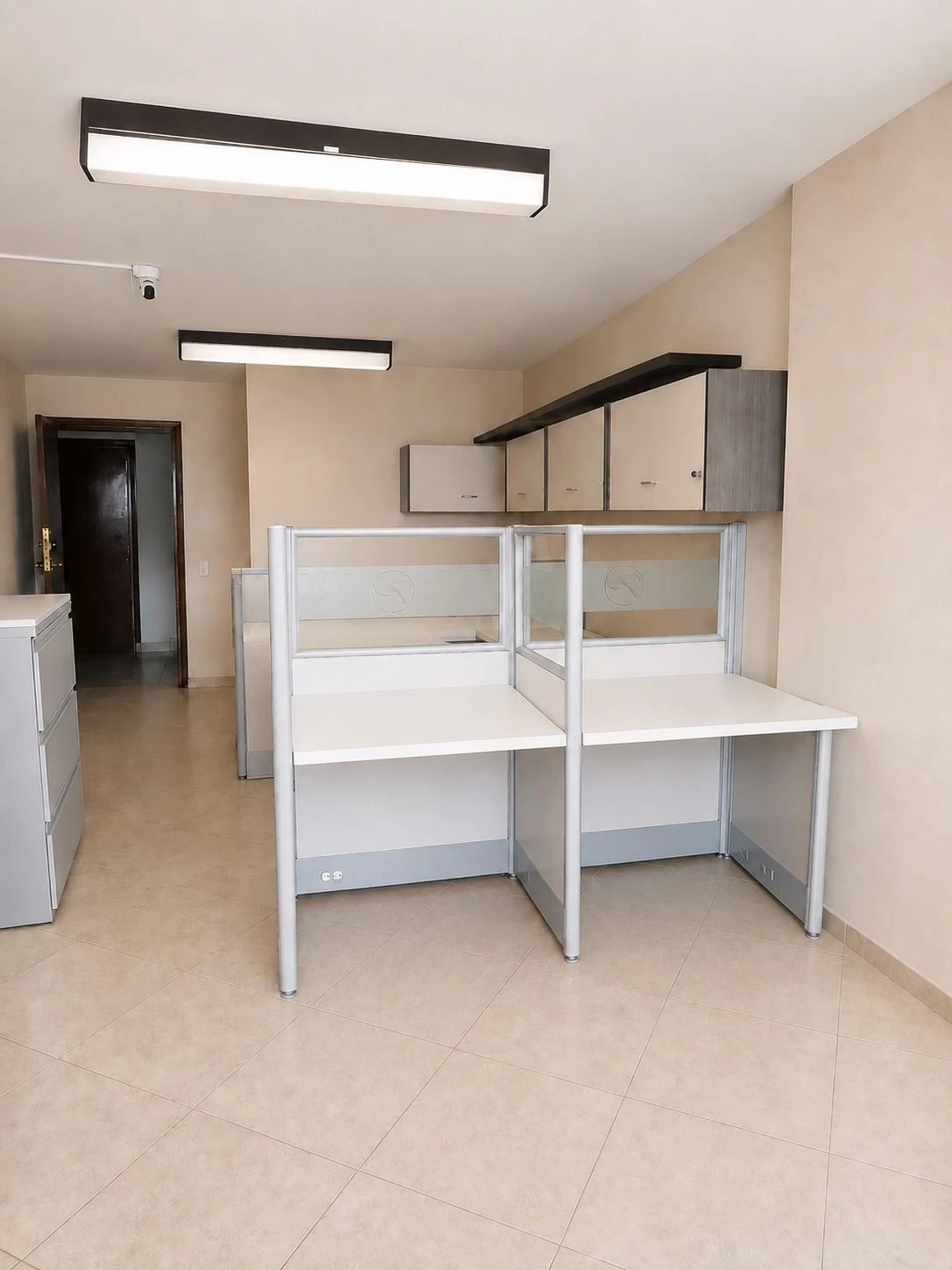
Finding one of these rentals straight from the owner is half the battle. You can browse current homes and post what you are looking for on Colombia Move's housing section, where you contact landlords directly over WhatsApp without paying agency commission.
The Adventure Gateway: Combeima Canyon & Nevado del Tolima
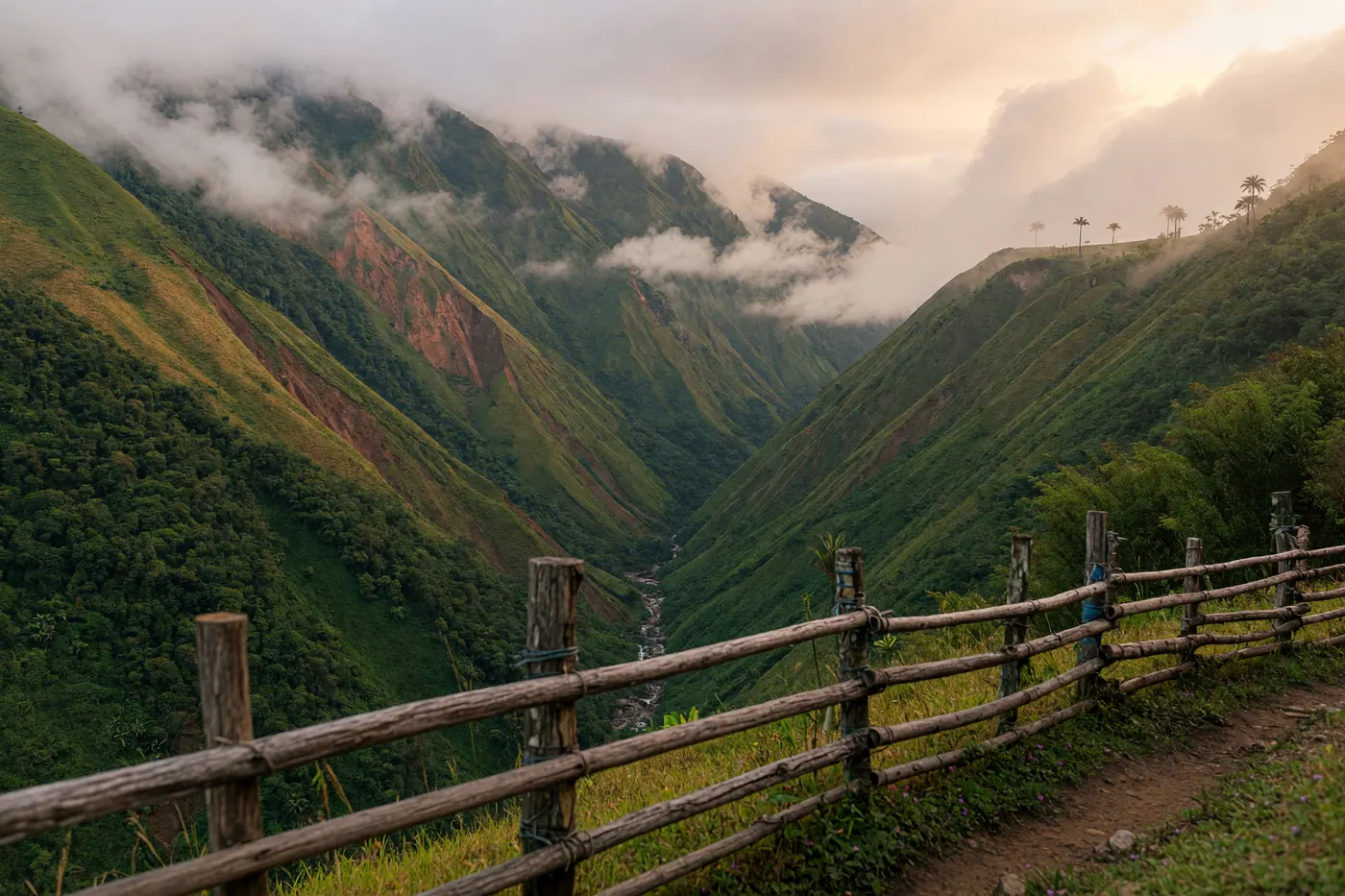
One of the biggest draws of living in Ibagué is the immediate access to world-class nature. Just 45 minutes (about 18 kilometers) from the city center lies the Combeima Canyon, a lush ecological reserve that feels a world away from urban life.
Getting there is incredibly cheap and easy. You can catch the local buseta Route 48 (operated by Transmusical) from a stop in the city center directly to the terminal village of Juntas. The ride costs less than 3,000 COP (about $0.70 USD). Honestly, the only downside to Ibagué's transit is that the city still leans heavily on these older busetas, as the promised strategic public transit system (SETP) is still in transition in 2026. But for a cheap ride to the mountains, Route 48 does the job perfectly.
Juntas is more than just a scenic village; it is the primary southern base camp for ascending the Nevado del Tolima. Rising to 5,221 meters (17,130 feet) above sea level, this snow-capped volcanic peak is one of the best treks in Colombia. But do not mistake this for a casual weekend hike. It is a grueling, multi-day, high-altitude expedition that demands excellent physical acclimatization, proper cold-weather gear, and a certified local mountain guide.
Gastronomy & Culture: The Musical Capital
You cannot live in Tolima without diving into its heavy, flavorful cuisine. The absolute standout is the lechona tolimense—a whole suckling pig stuffed with yellow peas, rice, and meat, slow-roasted until the skin is perfectly crisp. You will find the best, most authentic portions at the La 21 galería or in the Zona G of La Macarena. Pair it with a traditional tamal tolimense for a Sunday breakfast and you will quickly understand why locals are so proud of their food.

Beyond food, Ibagué earns its title as the Musical Capital through its conservatory and year-round cultural festivals. The city keeps a slower, more deliberate pace than the sprawl of Bogotá. If you are a slow traveler, a budget-conscious remote worker, or someone who prioritizes mountain access over big-city nightlife, Ibagué deserves a spot on your radar.
Frequently Asked Questions
❓ Is Ibagué safe for expats and solo travelers?
As of 2026, Ibagué is generally safer than larger cities like Bogotá or Cali, but standard Colombian safety precautions still apply. Stay in well-lit, populated neighborhoods like La Pola or El Vergel, avoid walking alone late at night, and use registered cabs or ride-hailing apps like Uber or InDrive instead of flagging rides on the street.
❓ How much does it cost to rent an apartment in Ibagué in 2026?
Renting in Ibagué is incredibly cheap in 2026, with a modern one-bedroom apartment in the city center averaging $200 to $270 USD (approx. 800,000 to 1,100,000 COP) per month. Outside the center or in more traditional residential areas, prices drop to between $110 and $160 USD per month.
❓ What is the best way to get from Ibagué to the Combeima Canyon?
The easiest and cheapest way to reach the Combeima Canyon is by taking the local buseta Route 48 (operated by Transmusical) directly to its terminal stop in the village of Juntas. The ride takes about 45 to 60 minutes from the city center and costs less than 3,000 COP (~$0.70 USD) as of 2026.
❓ Can I climb Nevado del Tolima directly from Ibagué?
Yes, the village of Juntas in the Combeima Canyon serves as the primary southern gateway for ascending the 5,221-meter Nevado del Tolima. However, this is a highly demanding, multi-day high-altitude expedition that requires excellent physical fitness, proper cold-weather gear, and a certified local mountain guide.
❓ What is the climate like in Ibagué?
Ibagué has a very comfortable tropical highland climate, with temperatures typically hovering between 19°C (66°F) at night and 30°C (86°F) during the day. The mountain breezes from the Combeima Canyon keep the city feeling much fresher than low-lying tropical regions.
Comments
Loading comments...
Checking sign-in status...