
Living in Popayán, Colombia: Honest Expat Guide to the White City
Popayán is Colombia's most overlooked city — colonial architecture, year-round spring weather, and a cost of living that makes even Medellín look expensive. Here's the honest guide.
IDIOMA DEL ARTÍCULO
Showing original language
Most people planning a move to Colombia scroll past Popayán without a second thought. Medellín gets the Instagram reels, Bogotá gets the international flights, Cartagena gets the romance — and Popayán sits quietly in the Cauca Valley, all gleaming white colonial architecture and coffee-scented mountain air, waiting for the few who bother to look.
I'll be direct: Popayán is not for everyone. If you need a buzzing expat community, rooftop bars every weekend, and a non-stop flight to Miami, this isn't your city. But if you want to actually live in Colombia — slowly, cheaply, authentically — Popayán is doing something the bigger cities have largely lost.
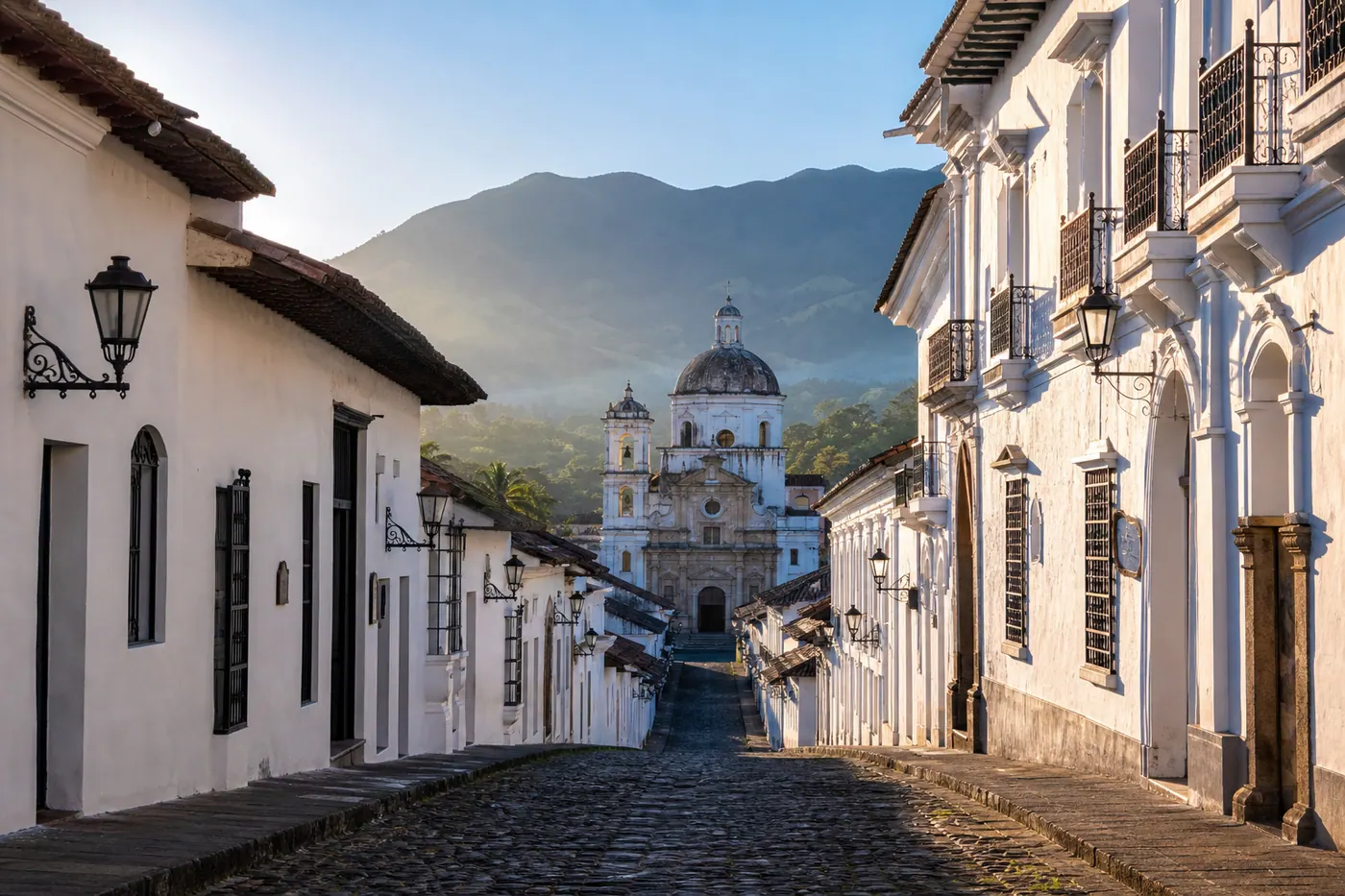
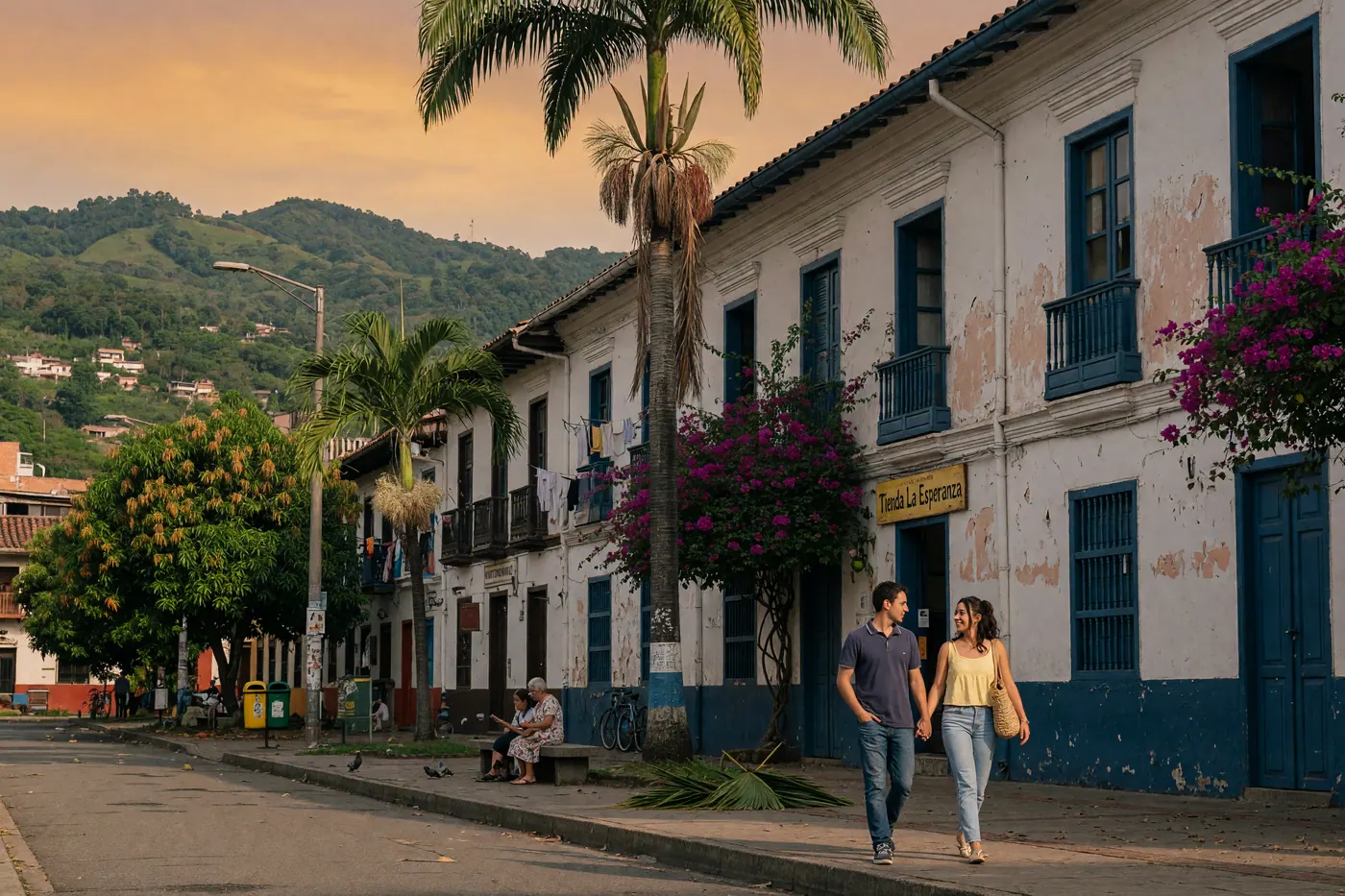
The city sits at 1,702 meters (5,584 feet) in the Cauca department, about 2.5 hours from Cali by bus, home to roughly 320,000 people. It's called La Ciudad Blanca — "The White City" — not as a metaphor but literally: by law, historic buildings in the colonial center must be painted white. Walking through El Centro on a clear morning, the Andes framing every street corner, is the kind of thing that makes you understand why people come to Colombia and never quite leave.
What to Know About Popayán First
- Population: ~320,000 — big enough to have everything you need, small enough to feel human
- Altitude: 1,702 m (5,584 ft) — spring-like 18–22°C year-round
- Average rent: 700,000–1,800,000 COP/month (~$175–$450)
- Nearest airport: PPN — direct flights to Bogotá; Cali is a 2.5-hour bus ride
- Best for: budget expats, retirees, slow travelers, and anyone priced out of Medellín
- Spanish required: very little English spoken outside university circles
What Makes Popayán Worth Considering
Popayán is a university city. The Universidad del Cauca has been here since 1827, which means the city has an educated, curious population that keeps things interesting without the usual big-city chaos. There are enough cafés, bookshops, and cultural events to fill a week without the noise and pace of Medellín. The university also keeps prices anchored — landlords can't charge Poblado rates when most of their tenant pool is a college student.
Colombia officially recognized Popayán as a UNESCO Creative City of Gastronomy in 2005, one of the first cities in Latin America to receive that designation. The local cuisine is genuinely distinctive: pipián (a peanut-based sauce served over potatoes and chicken), empanadas de pipián, and sopa de maní are staples you won't find cooked quite this way anywhere else in the country. The Muestra Gastronómica every August is worth planning around if you're already based here.
Then there's the location. Within a few hours you have the pre-Columbian archaeological site at Tierradentro (also UNESCO-listed), the Puracé National Natural Park with active volcanoes and thermal springs, and reasonable access to the Pacific coast. The Eje Cafetero is about four hours north. Popayán is one of the better-positioned cities in Colombia for weekend trips — assuming you want weekend trips that aren't just to a mall.
Cost of Living in Popayán
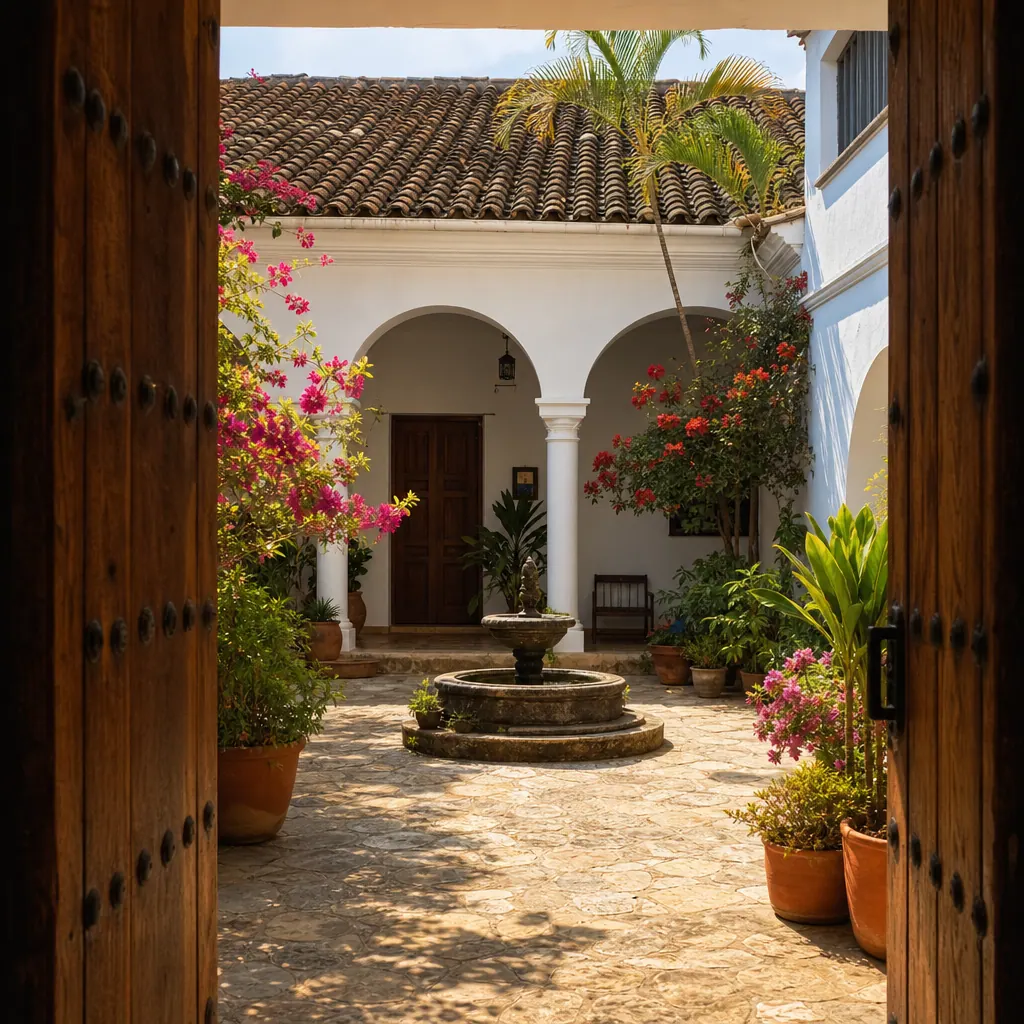
A furnished one-bedroom in a decent area — Barrio Bolívar, La Esmeralda, or Palermo — runs 800,000–1,400,000 COP per month (roughly $200–$350). Unfurnished apartments in the same zones can drop to 600,000–900,000 COP. Compare that to El Poblado in Medellín, where 1,400,000 COP barely gets you a studio, or Chapinero in Bogotá, where the same budget rules out anything comfortable. For what you pay in Popayán, you typically get space, a proper kitchen, and often a small patio or garden.
Outside rent, costs stay low. A menú del día at a local restaurante — soup, main course, juice, sometimes dessert — costs 8,000–12,000 COP ($2–$3). Groceries at D1 or Ara are similar to what you'd pay anywhere in Colombia, but the near-total absence of gringo pricing makes daily eating noticeably cheaper than in tourist-heavy cities. Here's how Popayán compares:
| Monthly Expense | Popayán | Medellín | Cali |
|---|---|---|---|
| 1-bed furnished apt (good area) | 700k–1.2M COP | 1.5M–2.5M COP | 1.1M–2M COP |
| Lunch menú del día | 8,000–12,000 COP | 12,000–18,000 COP | 10,000–16,000 COP |
| Taxi across city | 6,000–10,000 COP | 12,000–22,000 COP | 9,000–16,000 COP |
| Monthly utilities (apt) | 80,000–150,000 COP | 120,000–250,000 COP | 100,000–200,000 COP |
| Gym membership | 40,000–70,000 COP | 80,000–150,000 COP | 60,000–100,000 COP |
A realistic monthly budget for one person living comfortably: 2,000,000–3,500,000 COP ($500–$875), covering rent, food, transport, internet, and some entertainment. Retirees who want restaurant meals and occasional travel tend to land around $700–$900 total. People who cook at home can do it for less than $500.
Neighborhoods to Know
El Centro is the historic colonial heart — the neighborhood you came to Popayán to see. White-painted churches, cobblestone streets, and the Puente del Humilladero are all here. It's a fine place to visit, but day-to-day noise from festivals and student life makes it less ideal as a long-term base. Short-term furnished rentals here are plentiful and atmospheric if you're testing the city first.
Barrio Bolívar and the streets around Calle 5 sit just a step removed from the center and are more practical for everyday life — established residential blocks, local shops, bakeries, and walking distance to everything. Good value with no tourist premium. This is where a lot of the Colombian professional class actually lives.
La Esmeralda and Palermo are where most foreign residents and local professionals end up. Slightly newer construction, quieter streets, better internet infrastructure, and close enough to the center for dinners out without the centro noise. If I were moving to Popayán tomorrow, I'd start my apartment search here.
Healthcare in Popayán
Popayán has a stronger healthcare base than you'd expect for a city its size, anchored by Hospital Universitario San José — a teaching hospital affiliated with the Universidad del Cauca that handles complex cases from across Cauca and neighboring departments. For EPS-level care, the main providers have presence here: Sura, Sanitas, Medimás, and Salud Total all operate in the city. Getting affiliated as a foreigner follows the same process as anywhere else in Colombia.
Private clinics include Clínica La Estancia and Clínica del Norte, both well-regarded for non-emergency care. Dental work is particularly affordable: a basic cleaning runs 50,000–80,000 COP; a crown that costs $1,500 in the US typically runs 400,000–700,000 COP here. Quality-to-cost for routine care is excellent, and wait times at private clinics are usually much shorter than in the larger cities.
📖 Keep Reading
Everything you need to know about EPS, private insurance, and navigating Colombia's healthcare system as a foreigner.
Healthcare in Colombia for Expats: EPS vs Private Insurance →Working Remotely from Popayán
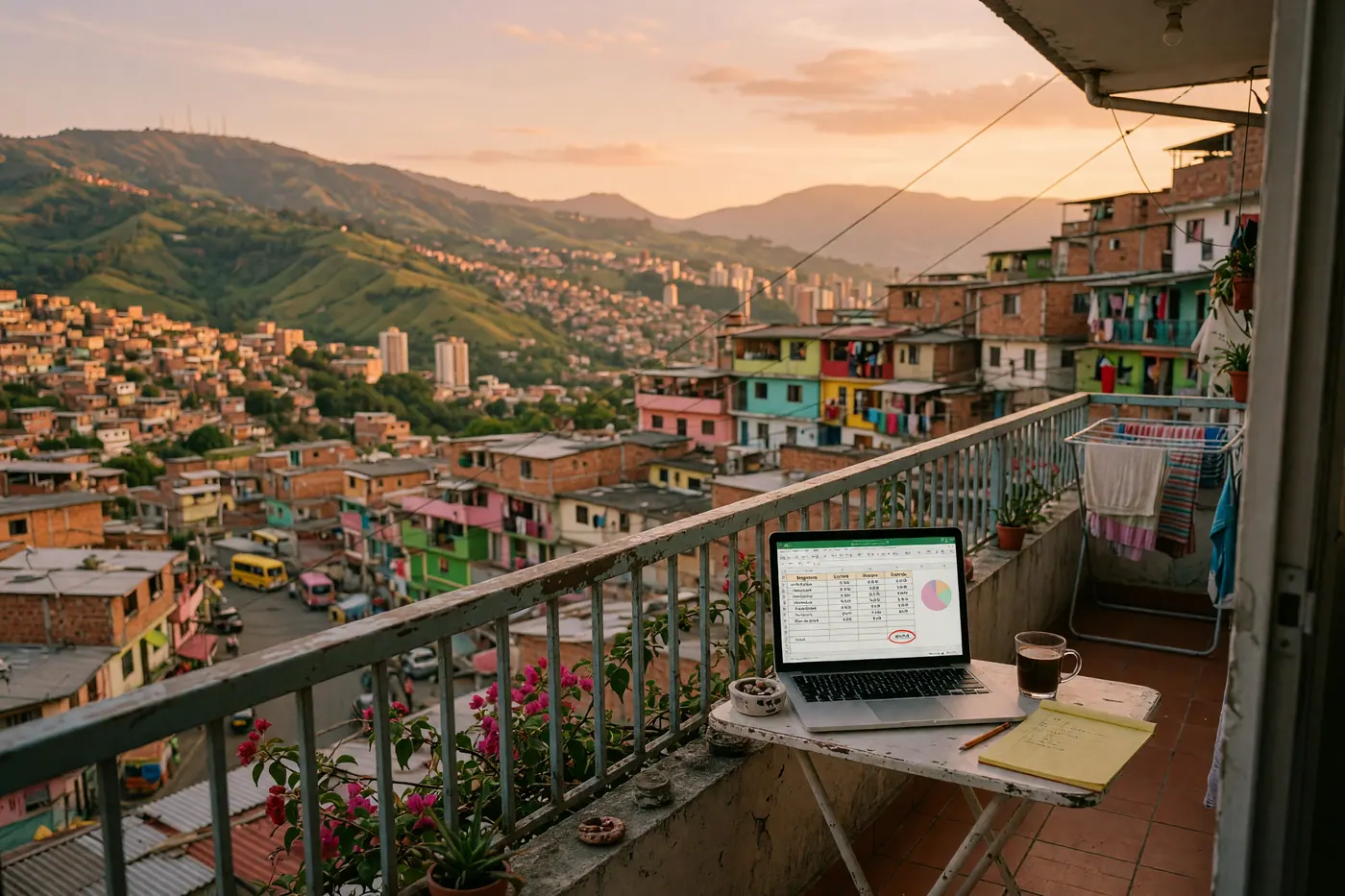
Fiber internet has arrived in Popayán, though coverage varies by neighborhood. In La Esmeralda and Palermo, Claro and Movistar both offer fiber plans at 50,000–90,000 COP/month. El Centro gets decent cable internet, but the fiber buildout is slower there. Realistic download speeds of 50–100 Mbps are achievable — more than enough for video calls and cloud work. Test the connection before signing a lease; ask the landlord which provider serves the building.
Dedicated coworking is limited, but the café work culture fills the gap. Cafés around Calle 4 and Carrera 6 near the university have become the informal remote-work spots — reliable WiFi, fresh coffee, and nobody bothers you for sitting three hours over a single cortado. Don't expect a full coworking infrastructure. Do expect a functional, quiet work environment for about $2 in coffee.
📖 Keep Reading
Working remotely from Colombia? Here's how to get the right legal status so you're not stuck cycling tourist visas.
Colombia Digital Nomad Visa: How to Apply →The Honest Downsides
Security in Popayán is more nuanced than in Medellín or Bogotá. The city itself is generally safe for daily life — petty theft exists as it does everywhere in Colombia, but violent crime in the main residential neighborhoods is not a regular occurrence. The complexity is the broader Cauca department: rural areas outside Popayán have historically been affected by armed group activity, and certain routes (particularly toward the Pacific coast) require current intelligence before traveling. Stay in the city and on established tourist routes outside it, and you're unlikely to encounter problems. Don't freelance in rural Cauca without local guidance.
The other real downside is that Popayán is quiet. The airport has a handful of daily flights, mostly to Bogotá, with Cali as a 2.5-hour bus alternative. If you travel frequently for work, that Bogotá connection becomes a regular feature of your life. Nightlife is tied to the university calendar and slows significantly mid-week. The expat scene is small enough that you'll recognize the same faces within months — which is either fine or fatal depending on what you want. Rainfall is also real: two distinct rainy seasons (March–May and September–November) bring weeks of grey skies and afternoon downpours. The moderate temperature compensates, but manage expectations around sunshine.
Getting There and Getting Around
From Bogotá, direct flights on Avianca or Latam take under an hour and cost 50,000–120,000 COP on good sale days. From Cali, the bus is the obvious call: Flota Magdalena, Coomotor, and other companies run the route every hour or so from Cali's terminal, taking 2.5–3 hours for 20,000–30,000 COP. The road through the Andes is well-maintained and genuinely scenic.
Inside Popayán, taxis cost 6,000–10,000 COP across most of the city. InDrive operates here with app-based pricing. City buses (SETP) run for 2,600 COP per trip and cover most neighborhoods adequately. El Centro, Bolívar, and the university area are all compact enough to navigate entirely on foot — which is honestly how most residents get through their day.
📖 Keep Reading
Comparing all of Colombia's major cities by cost, lifestyle, safety, and expat infrastructure.
Best Cities to Live in Colombia, Ranked for Expats →Frequently Asked Questions
❓ Is Popayán safe for expats?
The main residential neighborhoods are safe for day-to-day life, with standard precautions — don't flash valuables, avoid poorly lit streets at night. The city itself is not unusually dangerous for Colombia. The broader Cauca department has more complex rural dynamics, so stick to the city and established tourist routes outside it.
❓ Is Popayán good for digital nomads?
Workable but not a nomad hub. Fiber internet is available in the better neighborhoods, working cafés with reliable WiFi exist, and the low cost of living is compelling. The tradeoffs are limited coworking infrastructure, a very small English-speaking community, and fewer networking opportunities than you'd find in Medellín or Bogotá.
❓ How much does it cost to live in Popayán?
A comfortable single-person lifestyle — furnished apartment, eating out occasionally, transport, internet — runs roughly 2,000,000–3,500,000 COP/month ($500–$875). Couples sharing an apartment can live well for $900–$1,200/month combined. It's consistently one of the cheapest livable cities in Colombia.
❓ Can foreigners rent in Popayán without a Colombian guarantor?
Generally yes. Landlords in Popayán are more flexible than in Bogotá or Medellín. With 2–3 months deposit plus first month upfront, most private landlords will rent without a fiador. Furnished short-term apartments near the university routinely skip the guarantor requirement entirely.
❓ What's the climate like in Popayán?
Consistently mild — 18–22°C (64–72°F) year-round, which is why it's nicknamed "the city of eternal spring." There are two rainy seasons (March–May and September–November) with regular afternoon downpours. It never gets hot, never gets cold, but it does get grey and wet for stretches during rainy months.
📖 Keep Reading
How Popayán stacks up against Armenia, Manizales, Ibagué, and other budget-friendly Colombian cities.
Cheapest Places to Live in Colombia →


Comments
Loading comments...
Checking sign-in status...