
Hiring a Private Driver or Van for Intercity Trips and Finca Transfers in Colombia
Hiring a private van or dedicated chauffeur in Colombia offers comfortable door to door transit for group trips and rural finca getaways. Here is what you need to know about legal permits, toll customs, and booking protocols.
IDIOMA DEL ARTÍCULO
Showing original language
Planning a weekend escape to a countryside finca or organizing an intercity transfer with family, luggage, and pets rarely fits neatly into public transit schedules. While Colombia boasts an extensive long-distance bus network and urban ride-hailing apps, navigating multiple connections or attempting to squeeze eight passengers into two separate city cabs quickly turns logistical planning into a headache.
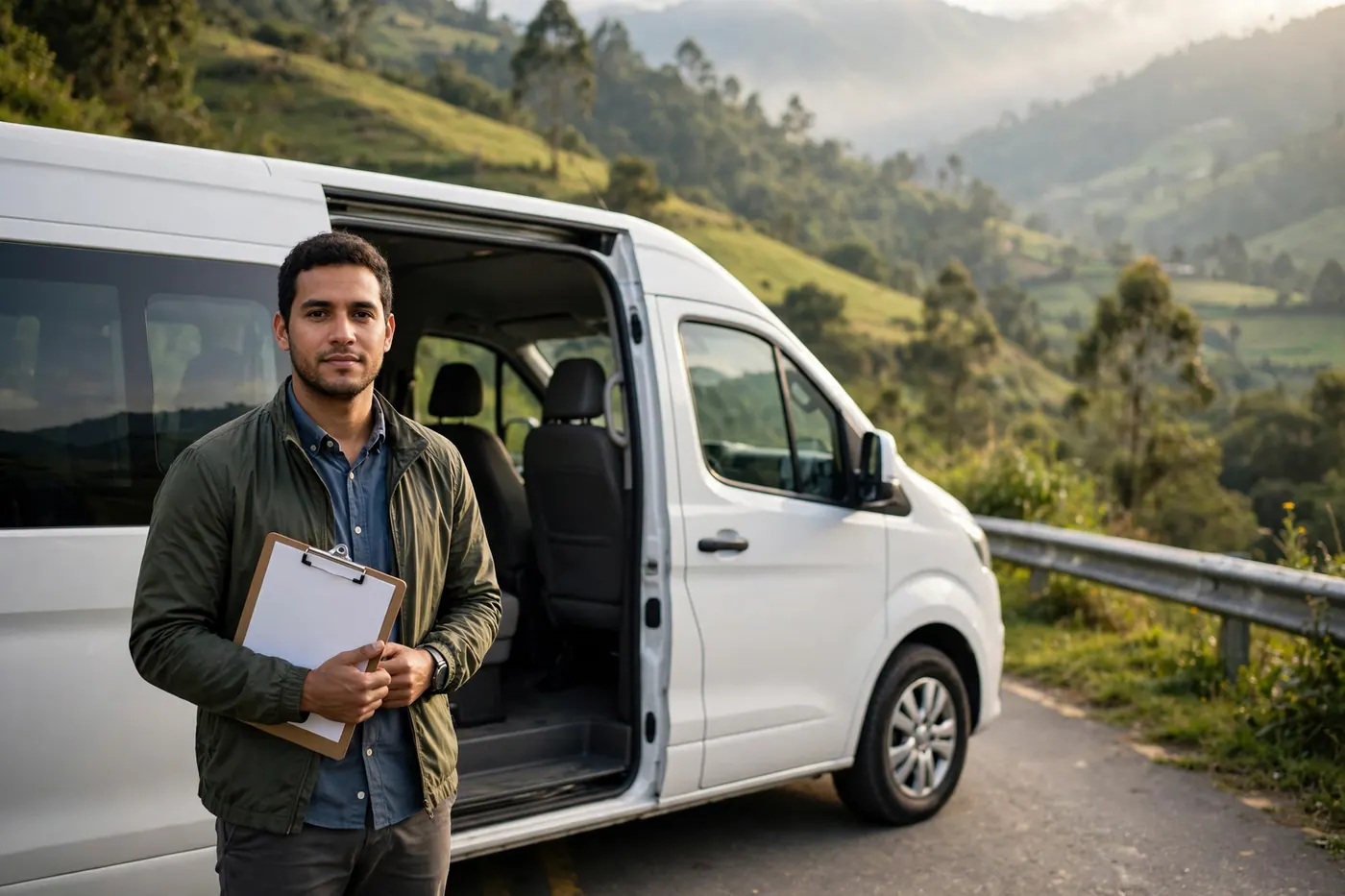
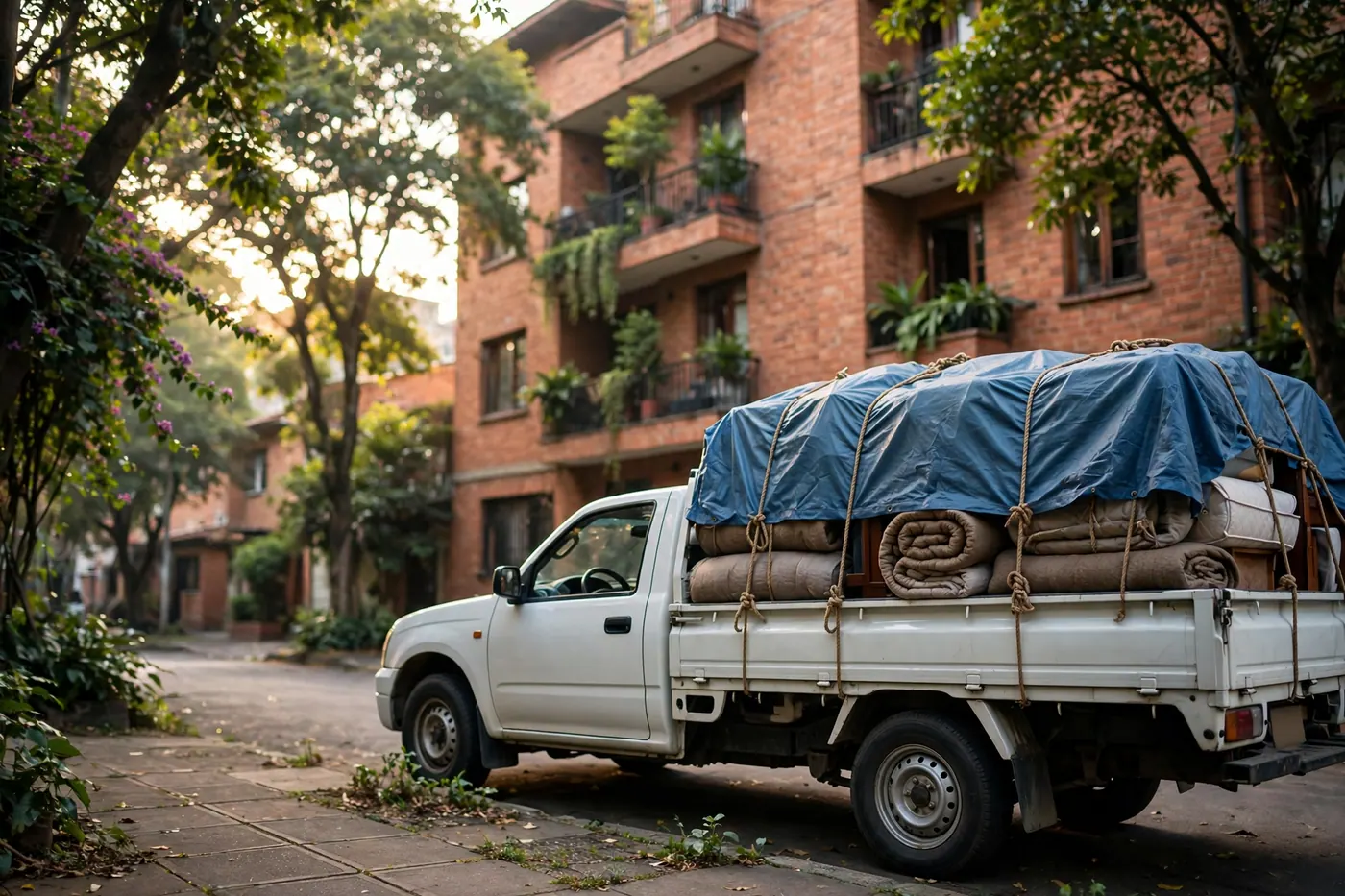
Hiring a private driver or dedicated passenger van provides seamless, door-to-door convenience. However, booking private intercity transport in Colombia involves distinct regulatory requirements, vehicle classifications, and pricing norms that differ sharply from hailing a street cab or booking an urban app ride. Understanding these rules ensures your trip proceeds smoothly without unexpected roadside impoundments, legal disputes, or impassable mountain tracks. For in-city moving vans rather than highway charters, see our separate guide on how to hire moving help or a delivery driver in Colombia.
The Legal Framework: White Plates and the Mandatory FUEC
In Colombia, commercial passenger ground transportation is heavily regulated by the Ministerio de Transporte and the Superintendencia de Transporte. Legitimate private charter vehicles operate under a specific regulatory classification known as Servicio Público de Transporte Terrestre Automotor Especial (Special Public Transport Service).
These authorized vehicles are instantly recognizable by their commercial white license plates (placas blancas). To transport passengers legally across municipal borders or along national highways, the vehicle must be affiliated with a licensed transport enterprise and carry a formal transport contract.
Key Regulatory Safeguards for Private Transport
- White Plates (Placas Blancas): Indicates that the vehicle is legally registered for corporate charters, tourism, and private group hire under Colombian transit decrees.
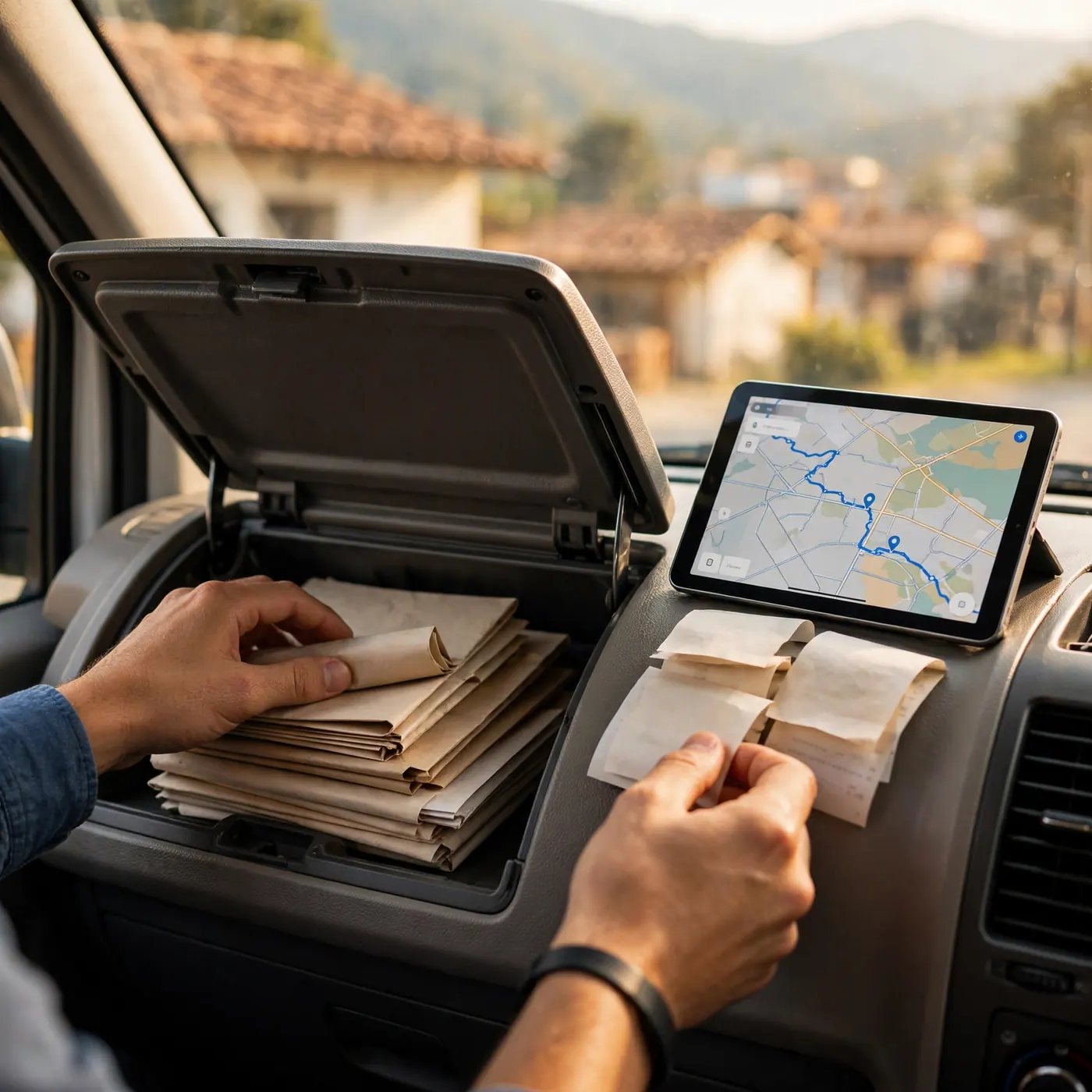
- The FUEC (Formato Único de Extracto del Contrato): A standardized digital or physical transit permit generated by a licensed transport company. It details the vehicle identification, licensed driver, contracted client name, specific origin, destination, and exact dates of service.
- Mandatory Dual Insurance (RCC & RCE): Legitimate charter operators carry both Responsabilidad Civil Contractual (RCC), covering passengers in the event of an accident, and Responsabilidad Civil Extracontractual (RCE), covering third-party liabilities.
Highway transit police (DITRA) conduct routine checkpoints along major intercity corridors. If an unlicensed private vehicle (bearing regular yellow plates) is suspected of operating unauthorized commercial passenger transport—or if a white-plate van fails to produce an active FUEC—the transit authority can issue severe fines and impound the vehicle immediately. For travelers, this means being stranded roadside while the driver deals with an immobilization order. Never hire unverified curbside solicitations outside airport terminals or bus depots.
Why City Ride-Hailing Apps Fall Short for Intercity Finca Runs
Urban ride-hailing applications like Uber, InDrive, and DiDi operate smoothly within metropolitan perimeters such as Medellín or Bogotá. However, relying on them for long-distance rural finca transfers introduces significant complications:
- Lack of Intercity Authorizations: Most app drivers operate private personal vehicles (yellow plates) without the commercial accreditation or FUEC necessary to pass highway checkpoints legally.
- Driver Hesitation and Cancellations: Urban drivers frequently cancel rides once they realize the drop-off involves leaving city limits or ascending unpaved mountain switchbacks where they cannot pick up return fares.
- Insurance Gaps: Standard personal auto policies often decline coverage if an incident occurs while carrying paying passengers outside municipal jurisdiction on informal arrangements.
For rural retreats or multi-hour journeys, booking an authorized private transport service directly with a vetted chauffeur or licensed tourism charter operator eliminates these roadside uncertainties.
Vehicle Options: Matching the Fleet to Mountain Terrain
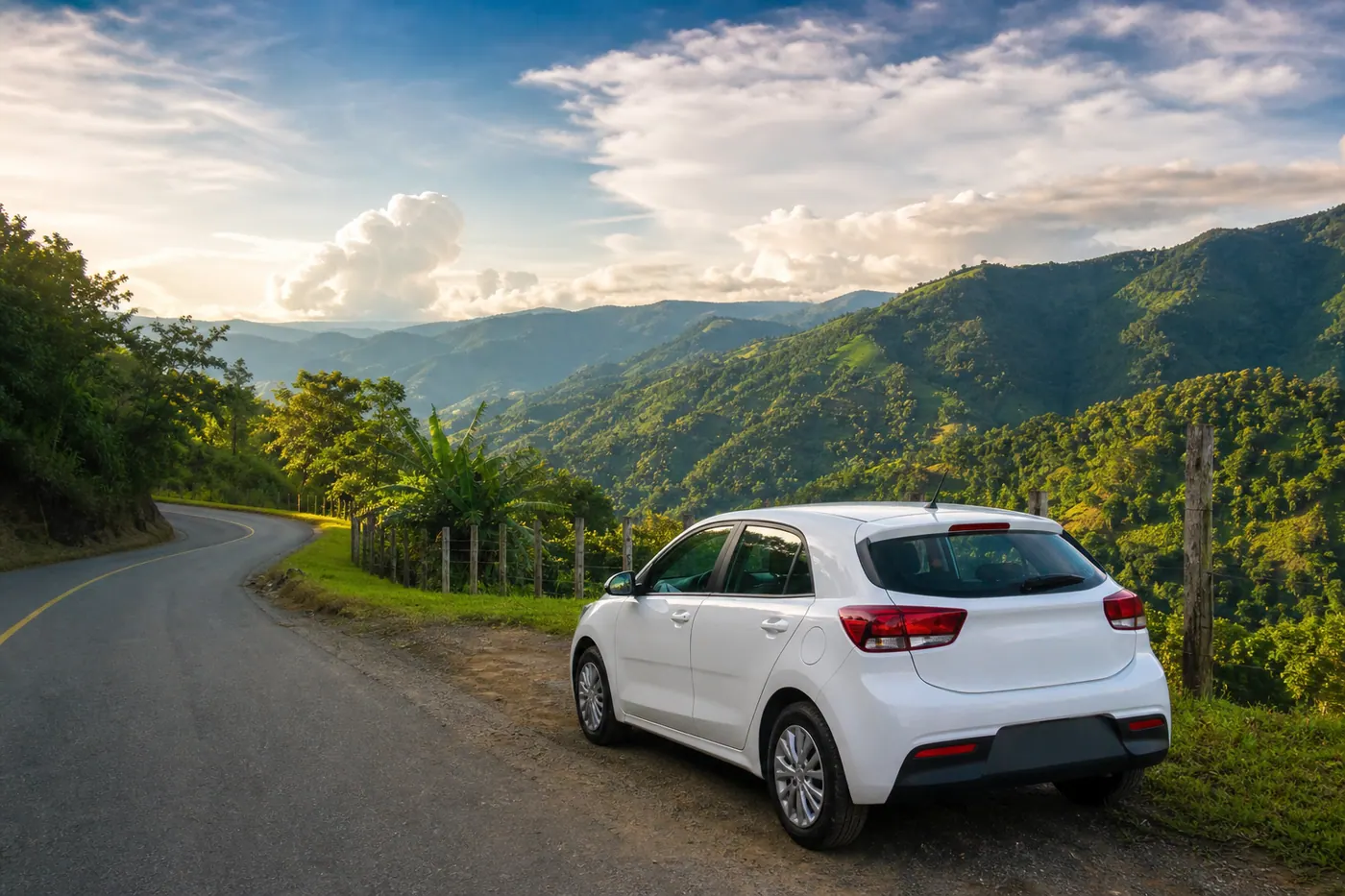
Colombia’s topography features dramatic elevation changes and varied road infrastructure. Selecting the right vehicle depends on group size, baggage volume, and the final stretch of road leading to your destination.
| Vehicle Type | Seating Capacity | Luggage Capacity | Best Suited For |
|---|---|---|---|
| Compact SUV / Crossover (4x2 or 4x4) | 3–4 passengers | 3–4 medium bags | Couples or small families visiting properties with steep, rough rural driveways. |
| Mid-Sized Passenger Van (e.g., Hyundai H1) | 6–8 passengers | 6–8 suitcases | Small groups and families heading along paved highways to standard holiday fincas. |
| Full-Sized Executive Van (e.g., Renault Master / Mercedes Sprinter) | 12–19 passengers | 10–15 large bags | Corporate retreats, large family gatherings, or weddings staying near major towns. |
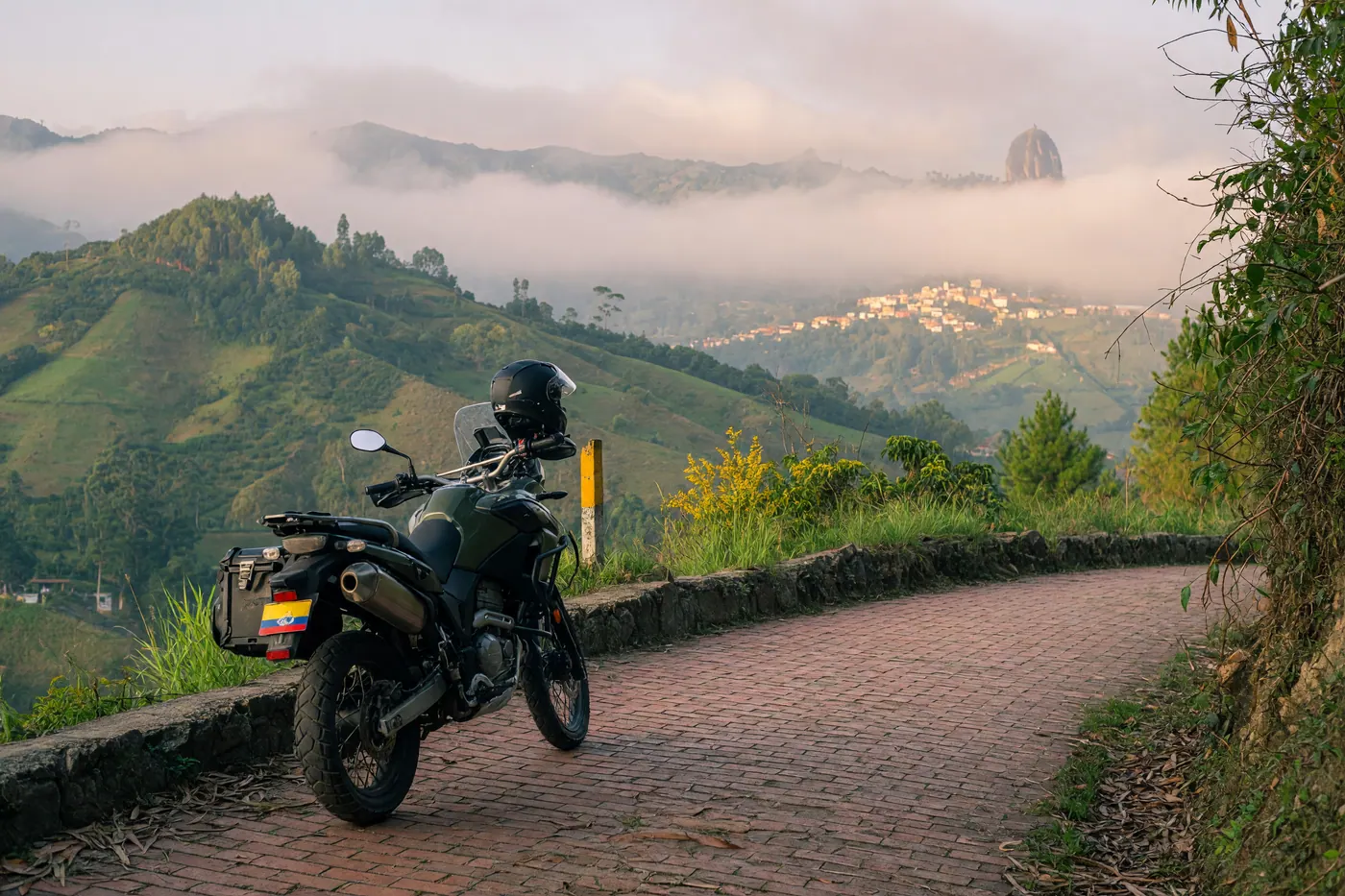
Many private fincas in popular corridors—such as the highlands near Bogotá (Anapoima, La Vega) or the outskirts of Medellín (Guatapé, Santa Fe de Antioquia)—feature unpaved access roads (carretera destapada or trocha) or narrow concrete trackways (placa-huella). Before confirming your reservation, ask the property host whether a high-clearance 4x2 or 4x4 vehicle is required, and convey this detail explicitly to your transport operator.
Understanding Pricing, Tolls, and Driver Viáticos
Rates for private van hires and dedicated chauffeurs are quoted either as a single all-inclusive package (a todo costo) or as a base rate plus incidental expenses. Always clarify what is included in writing prior to departure.
A transparent private transport quote generally accounts for several distinct cost components:
- Base Day Rate / Charter Fee: Covers the vehicle hire, the driver's working hours, and standard mileage between agreed coordinates.
- Highway Tolls (Peajes): Colombia features numerous toll plazas along national highways. Quotes must specify whether toll fees are included in the lump sum or if passengers are expected to reimburse the driver. Many professional operators utilize electronic toll tags (such as Flypass or FacilPass) and invoice the exact toll tally after the run.
- Fuel (Gasolina / ACPM): Confirm whether the vehicle departs with a full tank included or if you are expected to return it refueled. Most point-to-point charters bundle fuel directly into the flat rate.
- Driver Viáticos (Meals and Lodging): If you retain the driver across an entire weekend at a remote finca, standard custom requires covering their daily meals and overnight lodging. Fincas often feature separate staff quarters (habitación de servicio or driver rooms); if none is available, you will need to arrange modest hotel lodging in the nearest municipality.
- Wait Times and Local Excursions: If you plan to use the van for supermarket runs, day trips, or local restaurant outings while staying at the property, confirm whether local mileage and standby hours are covered in your daily baseline.
Because exchange rates fluctuate and toll fees adjust periodically, it is wise to carry physical local currency for highway booths and incidental stops. For guidance on handling local cash exchanges efficiently, review our guide on how to convert USD to COP for daily expenses.
Road Preparation and Rural Finca Navigation
Mountain travel in Colombia requires active communication and contingency planning. Before setting out, review these practical steps to avoid delays:
1. Verify Real-Time Highway Conditions: Unpredictable Andean weather can trigger localized landslides or maintenance lane closures. Travelers and drivers can check live national highway updates through the Instituto Nacional de Vías (INVIAS) via their dedicated phone hotline (#767) or official social feeds.
2. Maintain Mobile Data Connectivity: Remote rural valleys often experience patchy cell reception. Having reliable local network access on your mobile device is crucial for transmitting real-time GPS pins to your driver. Make sure your phone is equipped with adequate rural coverage by reading our overview of the best eSIM and SIM card options for rural Colombia.
3. Coordinate with the Property Mayordomo: Rural finca gates are typically secured, and properties are maintained on-site by a caretaker (mayordomo). Always ask the property owner for the mayordomo's direct mobile number. Call or message them roughly thirty minutes before arriving at the rural turnoff so the gate is unlocked and dogs are secured.
4. Practice Courteous Travel Etiquette: Politeness and mutual respect are essential cultural cornerstones across Colombia. Greeting your driver warmly, acknowledging their skill on winding mountain passes, and offering refreshments during extended drives set a positive tone for the entire trip. For more social context, explore our guide on Colombian social etiquette and daily customs.
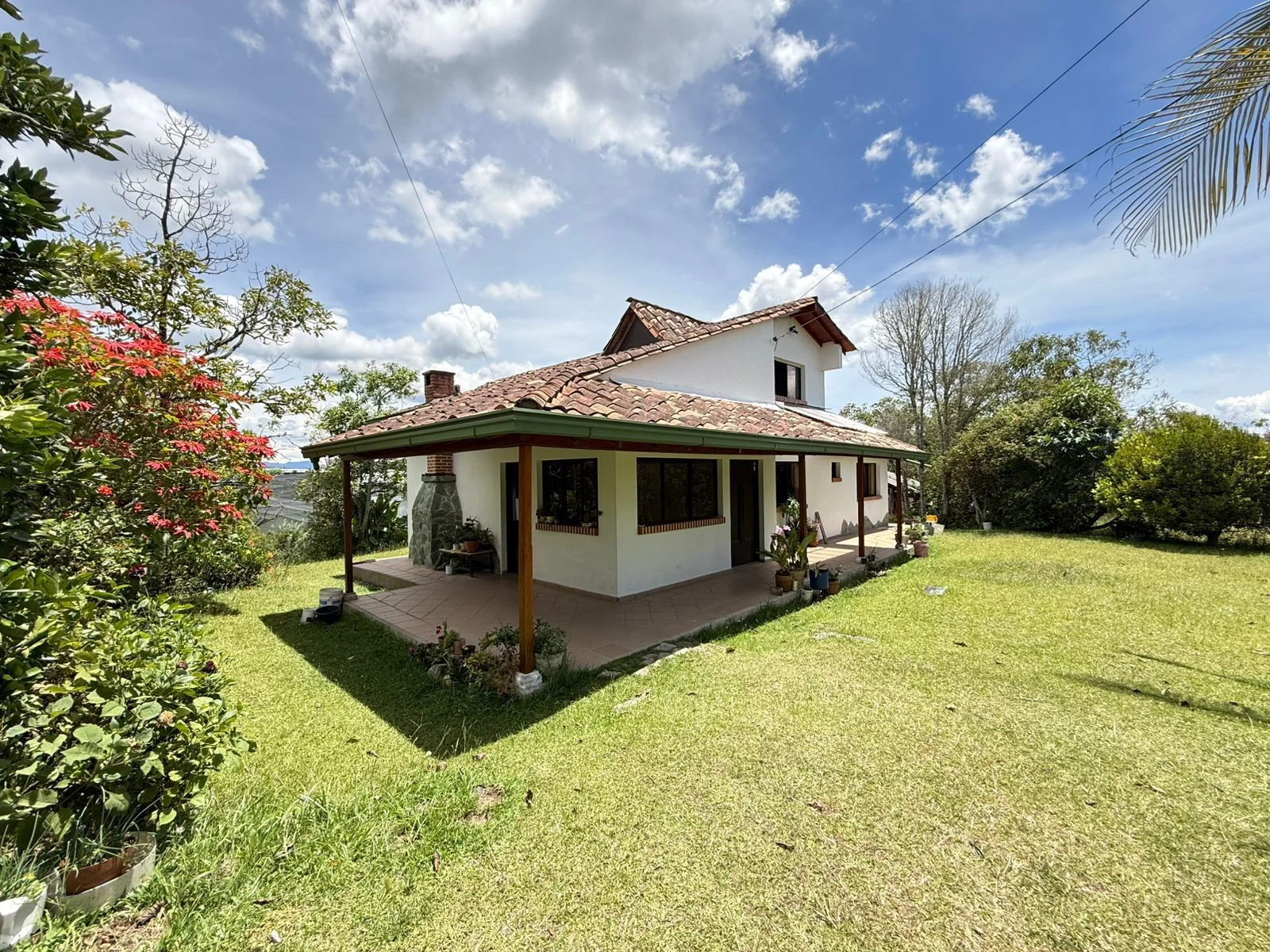
According to active listings on Colombia Move (September 2026), there are 26 active finca ads, 11 posted in the last 30 days, and 6,224 listing views—useful when you are matching a countryside stay to a van that can actually reach the gate. If you are still finalizing your vacation itinerary or scouting the perfect countryside estate for an upcoming family getaway, you can explore verified finca listings across Colombia directly on the Colombia Move marketplace to find properties with straightforward road access.
Frequently Asked Questions
❓ What is a FUEC and why must my private van driver carry one?
A FUEC is the MinTransporte extract that authorizes one Servicio Especial trip for a named group and route. As of 2026, DITRA can impound a van at a highway checkpoint if that document is missing or expired.
❓ Are private ride-app drivers safe and legal for intercity finca trips?
No. Urban app cars usually have yellow plates and cannot issue an intercity FUEC. As of 2026, MinTransporte rules still treat those informal highway charters as unauthorized, so insurance and checkpoint risk stay with you.
❓ Who is responsible for paying highway tolls and fuel during the trip?
It depends on the written quote: tolls and fuel may be bundled a todo costo or billed at actual receipts. Settle that in writing before departure; as of 2026, INVIAS peajes still take cash or tags such as Flypass and FacilPass.
❓ What happens if our rented finca is located on a steep, unpaved dirt road?
Ask the host first, then tell the operator so they send a high-clearance or 4WD vehicle. Steep trochas and broken placa-huella still strand low vans as of 2026, especially after rain.
❓ Do I need to pay for the driver's food and lodging if they stay the weekend?
Yes. Weekend standby usually means you cover meals (viáticos) and a bed. Confirm it in the 2026 booking note; use the finca driver room if there is one, or a simple hotel in the nearest town.
❓ How do police checkpoints handle tourists traveling in private transport vans?
DITRA checks the driver, SOAT, plates, and FUEC; you show a passport or Cédula de Extranjería. That checkpoint routine is still standard on major corridors in 2026, and passengers are not the ones arguing the contract papers.

Comments
Loading comments...
Checking sign-in status...