
Electricity Bills and Air Conditioning in Coastal Colombia Rentals
Learn how air conditioning, meter setups, and socio-economic estrato tariffs affect electricity bills in coastal Colombia rentals, and what to ask landlords before signing.
IDIOMA DEL ARTÍCULO
Showing original language
Quick Summary: In coastal cities like Cartagena, Santa Marta, and Barranquilla, two apartments with identical monthly rent can have very different living costs once utility bills arrive. Air conditioning is typically the largest variable in a renter's electricity use. Colombian electricity bills are calculated from metered kilowatt-hour (kWh) consumption and a monthly unit cost (CU), then adjusted for socio-economic estrato where applicable. Always verify whether a rental has a private meter, ask for recent utility invoices, and confirm who pays for electricity before signing a lease.
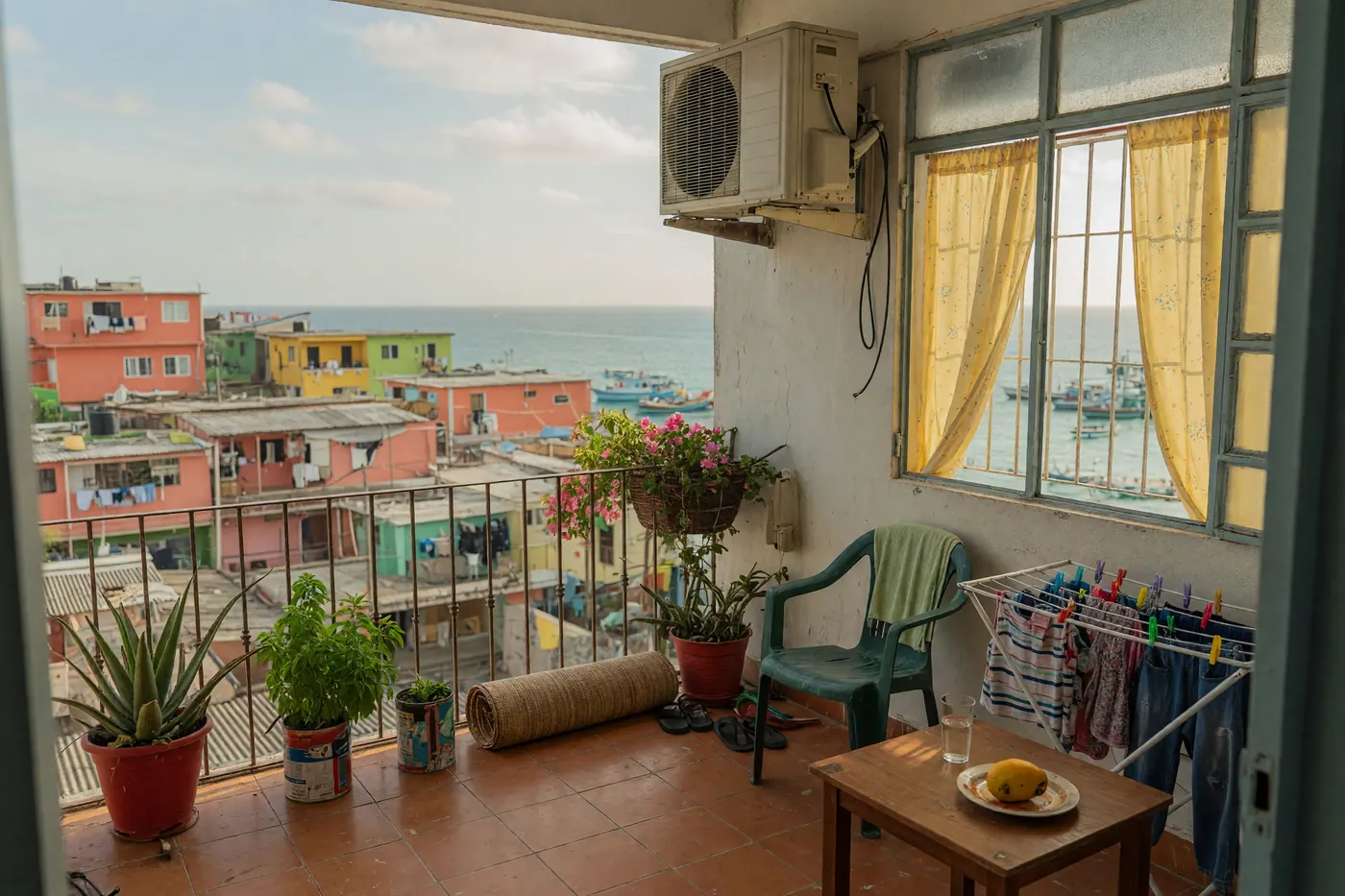
Moving to the Colombian Caribbean means warm weather, high humidity, and year-round heat. IDEAM's Cartagena climatology records monthly mean temperatures of roughly 26.8°C to 28.4°C and mean maximums around 31°C to 32°C at Rafael Núñez airport. For many foreign residents and remote workers, air conditioning is a practical issue for working and sleeping comfortably. For the broader budget picture, see our Cartagena cost-of-living guide. If you want to see real-world options right now, you can browse apartments and houses on Colombia Move — posting is completely free.
How Electricity Billing Works in Colombia (kWh, CU, and Estrato)
Understanding your power bill requires knowing three key terms used by public service providers in Colombia:
- Kilowatt-Hour (kWh) Consumption: The actual amount of electricity your apartment uses during the monthly billing cycle, tracked by a meter.
- Unit Cost (CU - Costo Unitario): The regulated cost per kWh, which includes generation, transmission, distribution, commercialization, restrictions, and grid losses. The CU varies by provider and market conditions.
- Estrato Adjustment: Colombia's socio-economic ranking system determines whether a residential property receives a subsidy, has neutral treatment, or pays a contribution.
Your electricity charge depends heavily on consumption in kWh multiplied by the monthly CU, then adjusted by the subsidy or contribution applicable to the property.
Related Reading: To understand how property classifications impact water, gas, and power rates, read Colombia’s Estrato System Explained.
Why Coastal Air Conditioning Can Spike Your Monthly Expenses
On the coast, extended AC use can materially increase electricity consumption. The result depends on hours of use, equipment efficiency, insulation, sun exposure, and the temperature setting—not on a universal coastal “average bill.”
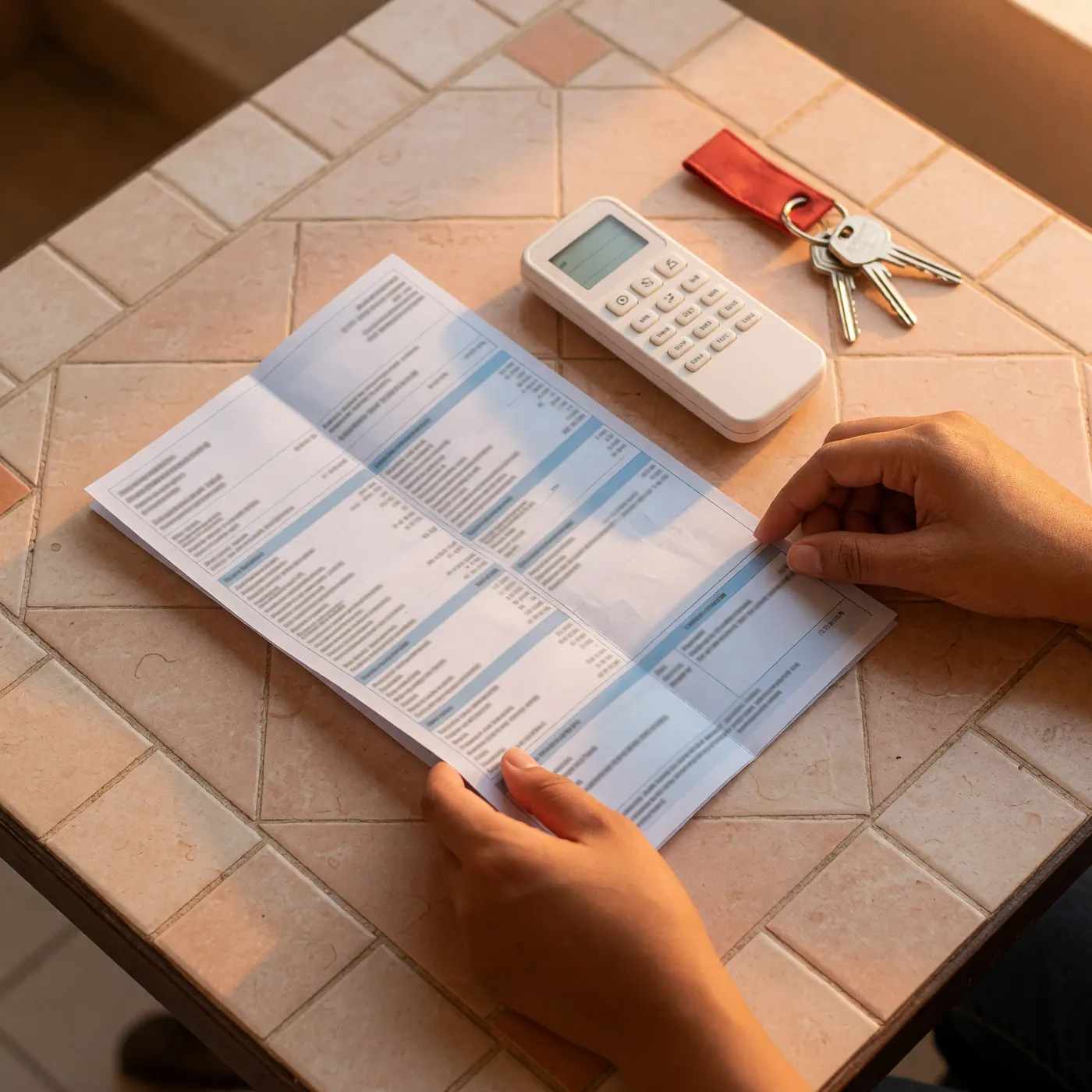
Several factors accelerate electrical consumption in coastal rentals:
- Older Equipment: Older non-inverter AC units can use more electricity than modern inverter models when maintaining a set temperature.
- Poor Insulation and Glass Exposure: Direct afternoon sun and poorly sealed sliding doors add heat, forcing cooling units to work longer.
- Temperature Settings: A very low setting makes the compressor work harder in hot, humid conditions. Minenergía guidance published May 11, 2026 recommends AC settings between 22°C and 24°C and using natural ventilation and light when possible.
Estrato Subsidies and Their Legal Limits on the Coast
A common misconception is that renting in an estrato 2 or 3 neighborhood makes unlimited air conditioning cheap. In reality, subsidies are limited to subsistence consumption.
Under the current CREG framework:
- Estrato 1 and 2: Subsidies apply only up to subsistence consumption. In areas below 1,000 meters, that threshold is the first 173 kWh per month; consumption above it is charged at CU.
- Estrato 3: Can receive a subsidy of up to 15%, capped at the same subsistence threshold.
- Estrato 4: Has neutral treatment at CU.
- Estrato 5 and 6, and commercial users: Generally pay a 20% contribution.
Estrato matters, but it does not make unlimited AC use inexpensive. Verify the estrato and treatment on the actual recent bill for the unit.
What to Check and Ask Landlords Before Paying a Deposit
According to Colombia Move marketplace supply signals dated August 2026, the housing section has 92 active listings and 17,473 recorded views. Listing details vary, so ask the owner or agent these questions before signing or paying a deposit:
- Is there an independent meter for this unit? If several units share one meter, ask exactly how the charge is divided.
- Can I see recent utility invoices? Check the meter number, estrato, kWh history, billing period, CU, provider, and any prior balance. Afinia is relevant for many Bolívar rentals and Air-e for parts of the Caribbean, but always use the provider shown on the bill.
- If utilities are included, is there a written usage cap? Confirm the cap and the method for calculating excess use in the contract.
- What type and age are the AC units? Ask whether they are inverter models, when filters were cleaned, and whether each unit cools correctly.
What to Do If Your First Bill Is Unexpectedly High
If the first invoice exceeds your expectation, audit it before assuming the provider made an error:
- Verify the Meter Reading: Compare the physical meter with the current reading stated on the bill and note whether the reading was estimated.
- Check the Billing Period and Prior Balance: Confirm that the invoice matches your occupancy dates and raise any earlier balance with the landlord. Our guide to utility deposits and first bills explains this handover.
- Inspect AC Maintenance: Dirty filters or poor maintenance can make cooling less effective. Ask for maintenance if the equipment runs continuously without cooling properly.
- File an Official Inquiry (PQR): If you suspect a meter or billing error, submit a PQR to the provider. Superservicios says billing acts can be challenged through reposición and subsidiary apelación.
Frequently Asked Questions
❓ How much is a typical electricity bill for an apartment in Cartagena?
There is no reliable single amount. It depends on kWh consumption, the monthly CU, estrato treatment, AC use, and who pays; request a current bill for that exact unit.
❓ Why does air conditioning make coastal Colombian rentals more expensive?
AC adds hours of electrical load in a hot, humid climate. The impact depends on equipment efficiency, insulation, temperature setting, and daily use, so compare actual kWh rather than rent alone.
❓ Does renting in a lower estrato guarantee cheap electricity in coastal cities?
No. Subsidies for estratos 1 to 3 are limited, and in low-altitude areas the subsistence threshold is 173 kWh monthly under the CREG framework current in August 2026.
❓ Should I choose a rental with utilities included or pay them separately?
Either can work. An included-utilities lease is predictable only when it clearly states what is included, any consumption cap, and how excess AC use is calculated.
❓ What should I inspect on the air conditioner before signing a rental lease?
Check the model and type, test the remote, listen for abnormal noise, confirm cool airflow, and inspect the filters. Also ask when each unit was last serviced.
❓ What should I do if my first power bill includes a prior balance?
Compare the move-in meter reading and lease inventory with the invoice period. Raise the mismatch with the landlord and provider, and preserve both documents if a formal PQR is needed.


Comments
Loading comments...
Checking sign-in status...