
Driving in Colombia on a Foreign License: 90-Day Rules, SOAT & Police Checkpoints
A practical legal guide for tourists and short-stay visitors planning to drive or rent cars and motorcycles in Colombia using a foreign driver's license.
IDIOMA DEL ARTÍCULO
Showing original language
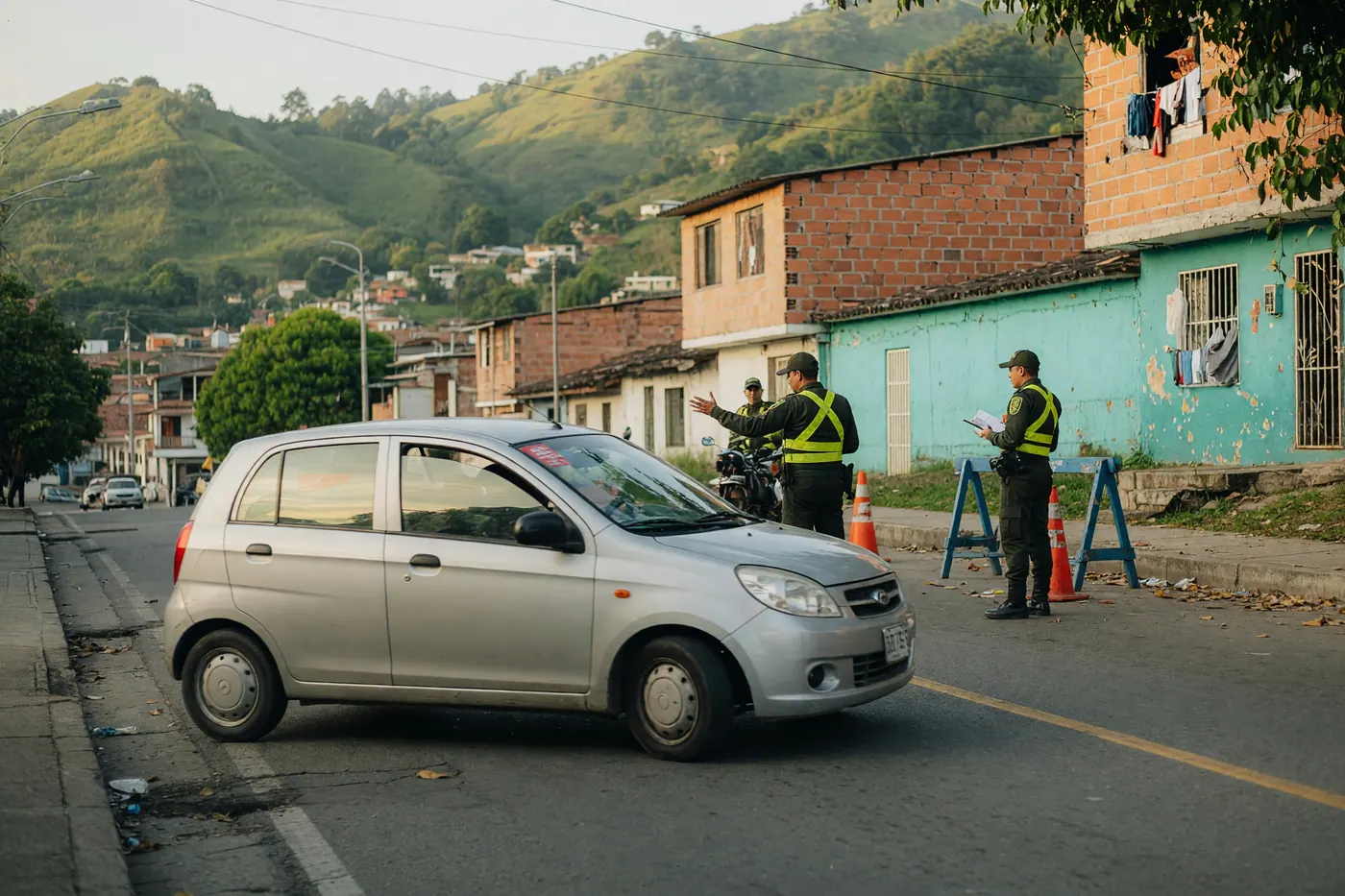
Rolling out of the Localiza lot at El Dorado Airport or taking a road trip through the Coffee Axis sounds simple enough—until you hit your first puesto de control (police checkpoint) on the highway. Foreign drivers in Colombia are frequently met with conflicting advice from online forums, rental agents, and roadside officers regarding whether a foreign driver's license is legally valid.
The short answer: Colombia accepts a current foreign driver's license for a tourist or person in transit during that person's authorized stay. The law does not create a universal, stand-alone “90-day license.” Many visitors start with permission for up to 90 days, which is why that number appears so often, but immigration status—not a separate license clock—is the key.
Keep Reading: Staying longer? Read the Colombian driver's license guide for foreigners before assuming your tourist rule continues.
The actual legal rule: authorized stay, not a fixed 90 days
Article 25 of Ley 769 de 2002 recognizes licenses issued in another country when they are current and used by tourists or people in transit during their authorized stay. The Ministry of Transport's license FAQ gives the same basic interpretation. That wording matters: a valid plastic card alone does not create indefinite driving rights.
The “90 days” shorthand comes from immigration practice. Eligible visa-exempt visitors commonly receive an initial short stay and may request a PTP or extension from Migración Colombia. Some eligible stays can reach a maximum of 180 continuous or discontinuous days in the same calendar year. That does not mean every visitor automatically gets 180 days, nor that every rental company must accept a foreign license that long.
Bogotá's mobility authority has separately said use of a foreign license should remain tied to regular immigration status and should not exceed six months. I would treat that as useful local guidance, not a replacement for the national statute. If your status has changed from visitor to resident, get case-specific confirmation rather than arguing the wording at a roadside stop.
What to carry at a police checkpoint
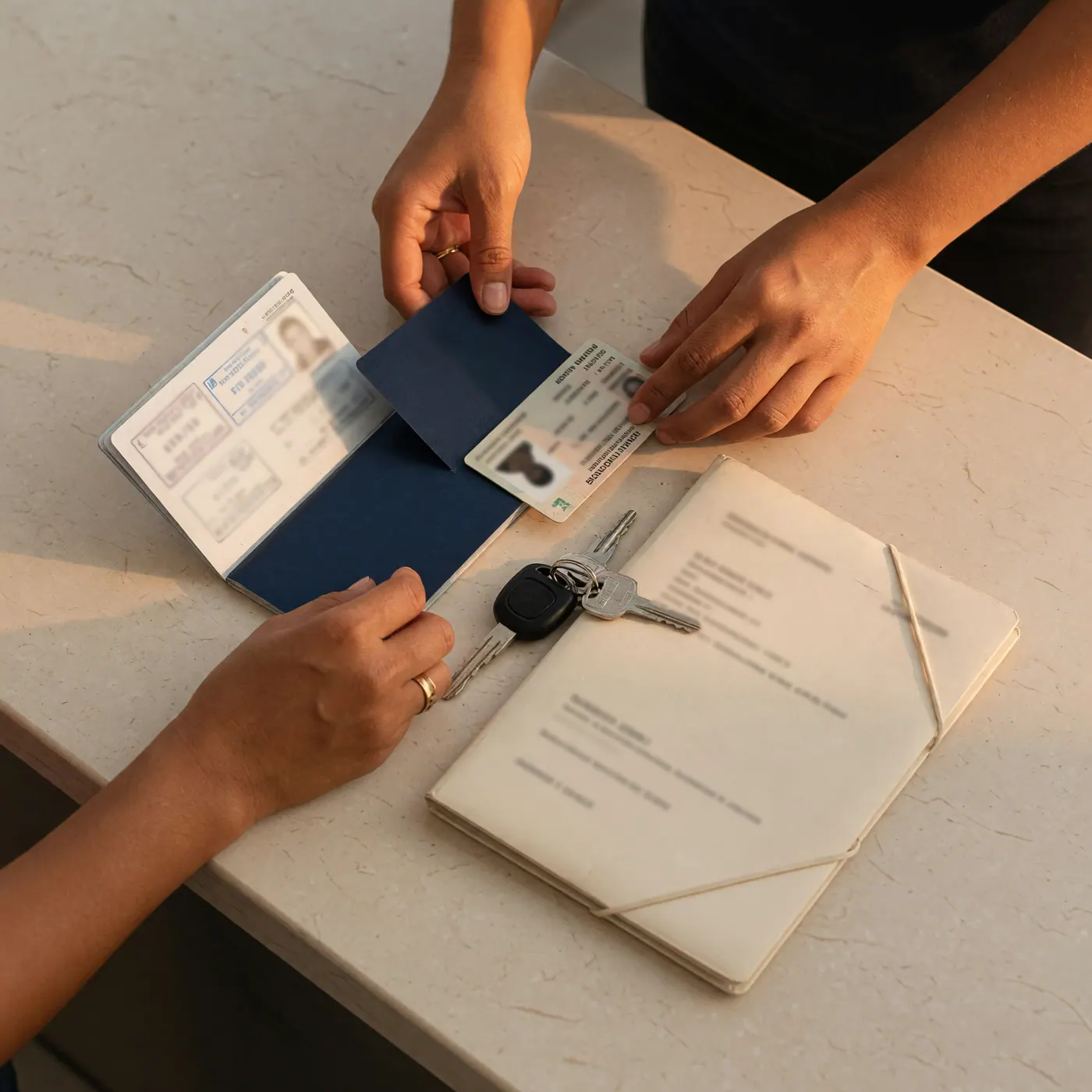
My practical rule is to keep the originals accessible and a backup scan offline. A checkpoint is much easier when the officer can match the driver, immigration status, vehicle and insurance without hunting through email.
- Your current foreign driver's license, valid for the vehicle class you are operating.
- Your passport and evidence of lawful entry or current authorized stay.
- The rental agreement if the car or motorcycle is rented.
- The vehicle registration documents supplied by the owner or rental company.
- Proof that the vehicle has active SOAT.
If your license is not readily understandable in Spanish or uses a non-Latin script, a translation or International Driving Permit can reduce friction. The official sources reviewed for this guide do not establish a blanket IDP requirement for every foreign tourist, so do not confuse “helpful” with “always legally mandatory.”
Rental companies can impose stricter rules
Meeting the traffic-law minimum does not guarantee a rental. Providers set their own identity, payment, age, vehicle-class and risk rules. Localiza Colombia, for example, publicly asks for the reservation code, driver's license and credit card at pickup. Its Colombia FAQ says a foreign renter presents a passport or cédula de extranjería; it ties foreign-license use to a passport entry of no more than three months and says a customer presenting a cédula de extranjería needs a Colombian license.
That is one company's published policy, not the national law. Confirm the exact pickup documents before paying, especially for motorcycles. Deposits, age limits, optional coverage and credit approval vary by company and booking, so I would skip any agent who promises approval without showing the written conditions. Our guide to renting or leasing a motorcycle in Colombia covers the vehicle-choice side in more depth.
SOAT, RUNT and SIMIT: three checks that prevent headaches
SOAT is mandatory for public and private vehicles circulating in Colombia under Article 42 of the Transit Code, as the Ministry of Transport confirms. It is compulsory accident coverage, but do not assume it replaces the rental company's damage or theft protection. Ask what the contract excludes and who pays each deductible.
Use the official RUNT citizen lookup to review vehicle and SOAT information using the requested plate or vehicle data. Use SIMIT to consult comparendos, fines and payment agreements by identity document or plate. The SIMIT operator warns that a plate search can display obligations connected to the vehicle even when another person was driving, which is worth checking before a rental handoff or used-vehicle purchase.
According to active Colombia Move listings on August 22, 2026, the motorcycle category had 10 active listings and 9 posted in the previous 30 days. That is a platform supply snapshot, not a claim about Colombia's motorcycle market. If you compare one of those vehicles, verify the SOAT and RUNT details yourself; the Spanish seller guide on RUNT, SOAT, fines and transfer checks shows what should be ready on the other side.
A practical checklist before you take the keys
- Check the end date of your authorized stay; do not count only from the day you rented.
- Confirm your foreign license is current and covers the vehicle class.
- Ask the rental company to approve your exact passport and license combination in writing.
- Match the plate and vehicle details against the rental agreement.
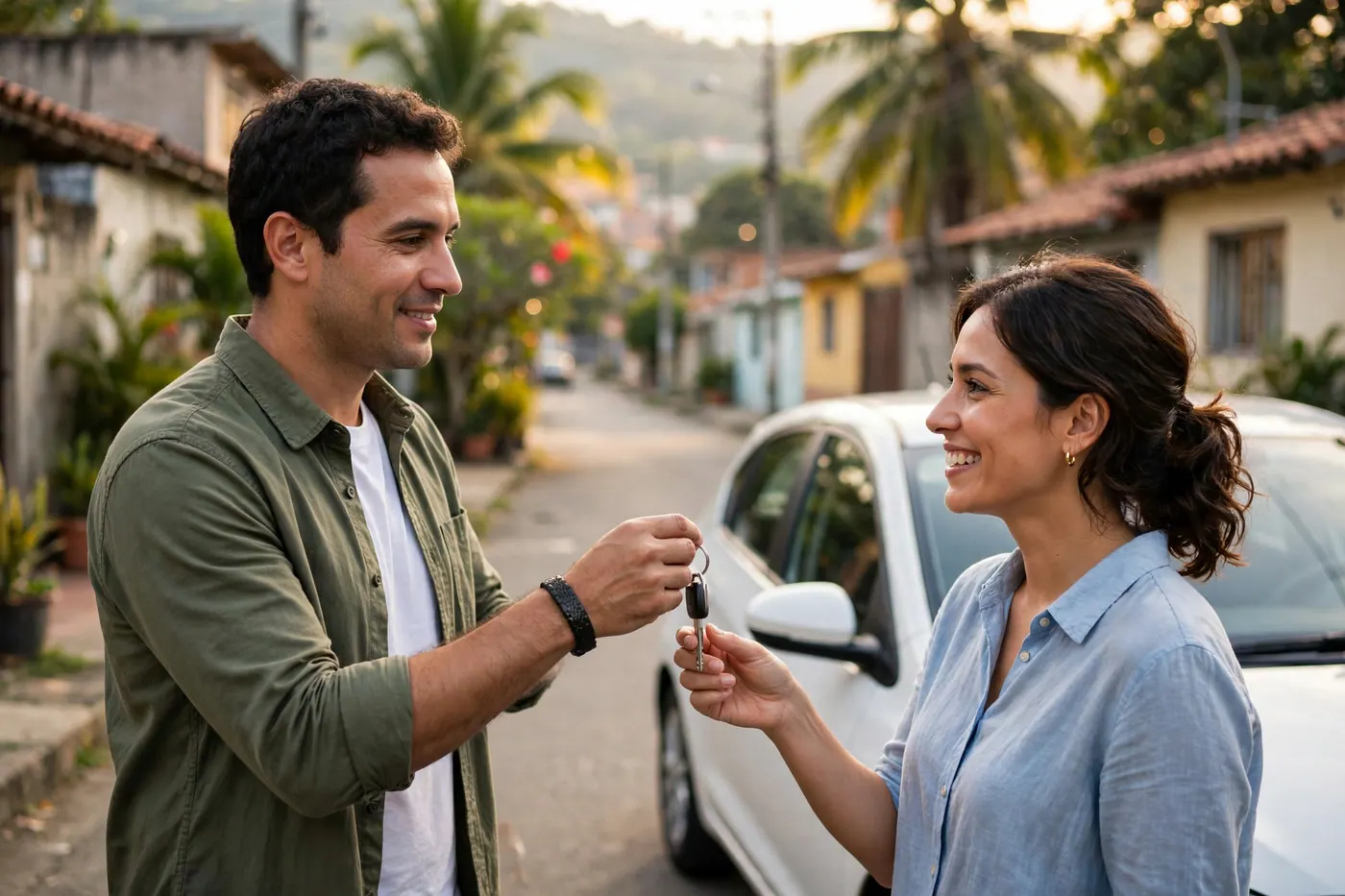
- Verify SOAT through RUNT and photograph the vehicle condition at handoff.
- Save the contract, assistance contact and SIMIT link offline.
The honest downside is administrative inconsistency. A statute, a local authority page and a rental desk can describe the practical window differently. Carrying clean documentation is less satisfying than winning an online argument, but it is far more useful beside a Colombian highway.
When to move to a Colombian driver's license
Stop relying on the tourist rule when you are no longer clearly a tourist or person in transit, when your authorized stay ends, or when the authority or provider handling your case requires a Colombian credential. Visa holders, workers and long-term residents should not stretch a short-stay rule into legal advice for their situation.
The practical next step is the RUNT and CRC process for foreign applicants. Check the current requirements with a local tránsito office before paying a driving school, because the documents and process can depend on your status and existing license.
Frequently Asked Questions
❓ Can I drive in Colombia with a foreign driver's license?
Yes, if you are a tourist or person in transit, your license is current, and you remain within your authorized stay. That is the rule stated by Article 25 of Ley 769 and the Ministry of Transport guidance accessed August 22, 2026; it is not an indefinite right for residents.
❓ Is the rule 90 days or 180 days?
Legally, foreign-license acceptance follows your authorized stay rather than a universal 90- or 180-day clock. Many visitors initially receive up to 90 days, and eligible visitors may obtain an extension within the 180-day calendar-year cap, but approval and rental-company acceptance are separate questions.
❓ Do I need an International Driving Permit in Colombia?
Not as a blanket rule in the official sources reviewed for this guide. A translation or IDP may still help when a license is difficult to read, and a rental company may set its own document policy, so confirm before pickup.
❓ What documents should I carry at a police checkpoint?
Carry your valid license, passport and status evidence, plus the rental contract when applicable and the vehicle's registration and SOAT information. Keep originals accessible and offline copies as backup; an officer may need to connect your identity, status and vehicle.
❓ Can I rent a car in Colombia with a foreign license?
Often yes, but the provider can be stricter than traffic law. Localiza's Colombia materials accessed August 22, 2026 require a license and credit card and describe specific passport, entry-time and cédula de extranjería conditions, so check your booking's rules directly.
❓ How do I check whether a rental or used vehicle has SOAT?
Use the official RUNT citizen vehicle lookup with the requested plate or vehicle details. Confirm the result with the rental desk or owner before taking possession, because SOAT is mandatory for vehicles circulating in Colombia.
❓ What happens if I get a traffic fine in a rental car?
Check comparendos and fines through SIMIT using the available identity or plate search. Your rental contract may pass the fine and administrative charges to you; the amount and procedure depend on the actual obligation and provider terms, so avoid relying on an unsourced fixed figure.


Comments
Loading comments...
Checking sign-in status...