
No Dar Papaya: Understanding Colombian Cultural Etiquette & Personal Safety Rules
Discover what 'no dar papaya' actually means in Colombia, how to avoid common street scams, and how to balance daily vigilance with genuine local warmth.
IDIOMA DEL ARTÍCULO
Showing original language
If you spend more than forty-eight hours in Colombia, you will inevitably hear someone lean in and whisper three words: “No des papaya.” Literally translated, it sounds like an odd dietary instruction: “Don’t give papaya.” But in everyday Colombian Spanish, this idiomatic heavyweight represents an unspoken social contract, a golden rule of street smarts, and an essential principle of personal safety.
Quick takeaway: “No dar papaya” means do not present unnecessary opportunities that invite opportunistic theft or exploitation. It is not about living in constant fear; it is about adopting situational awareness so you can fully enjoy Colombia’s incredible warmth and hospitality.
The True Meaning of 'No Dar Papaya'
At its core, “no dar papaya” means you should never place yourself in a needlessly vulnerable position where taking advantage of you becomes effortless. In Colombian society, an opportunity left in plain sight is seen as a temptation that someone might seize. The cultural counterpart to the phrase makes this dynamic brutally clear: “Papaya puesta, papaya partida”—papaya served is papaya eaten.
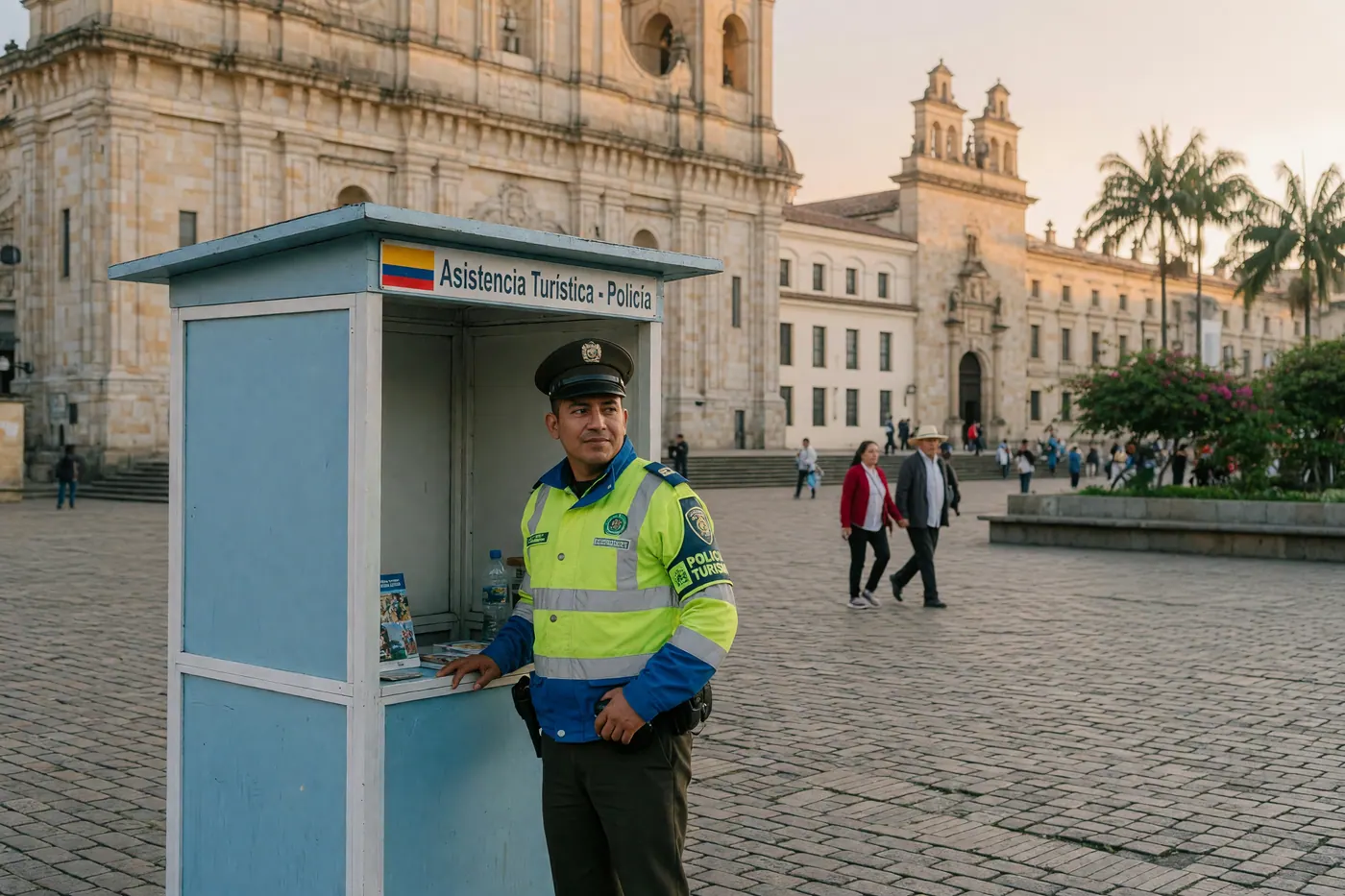
International visitors sometimes misinterpret the phrase as victim-blaming. While it can sound callous to foreign ears, locals understand it as pragmatic, day-to-day risk management. The Colombian National Police have even conducted civic prevention campaigns titled “No dé papaya, evite pasar momentos amargos”, handing out fruit slices to educate citizens on basic auto-protection (autoprotección). The premise is straightforward: by controlling what you display and how you move, you remove yourself from the radar of opportunistic petty criminals.
Keep reading: For the shorter idiom explainer, see what “no dar papaya” means in Colombia.
The Anatomy of 'Giving Papaya': Common Street Mistakes
Most crimes targeting newcomers in major metropolitan hubs like Colombia's major cities are crimes of opportunity rather than planned assaults. When people run into trouble, it is usually because they inadvertently signaled vulnerability. Here are the most frequent scenarios where visitors give papaya:
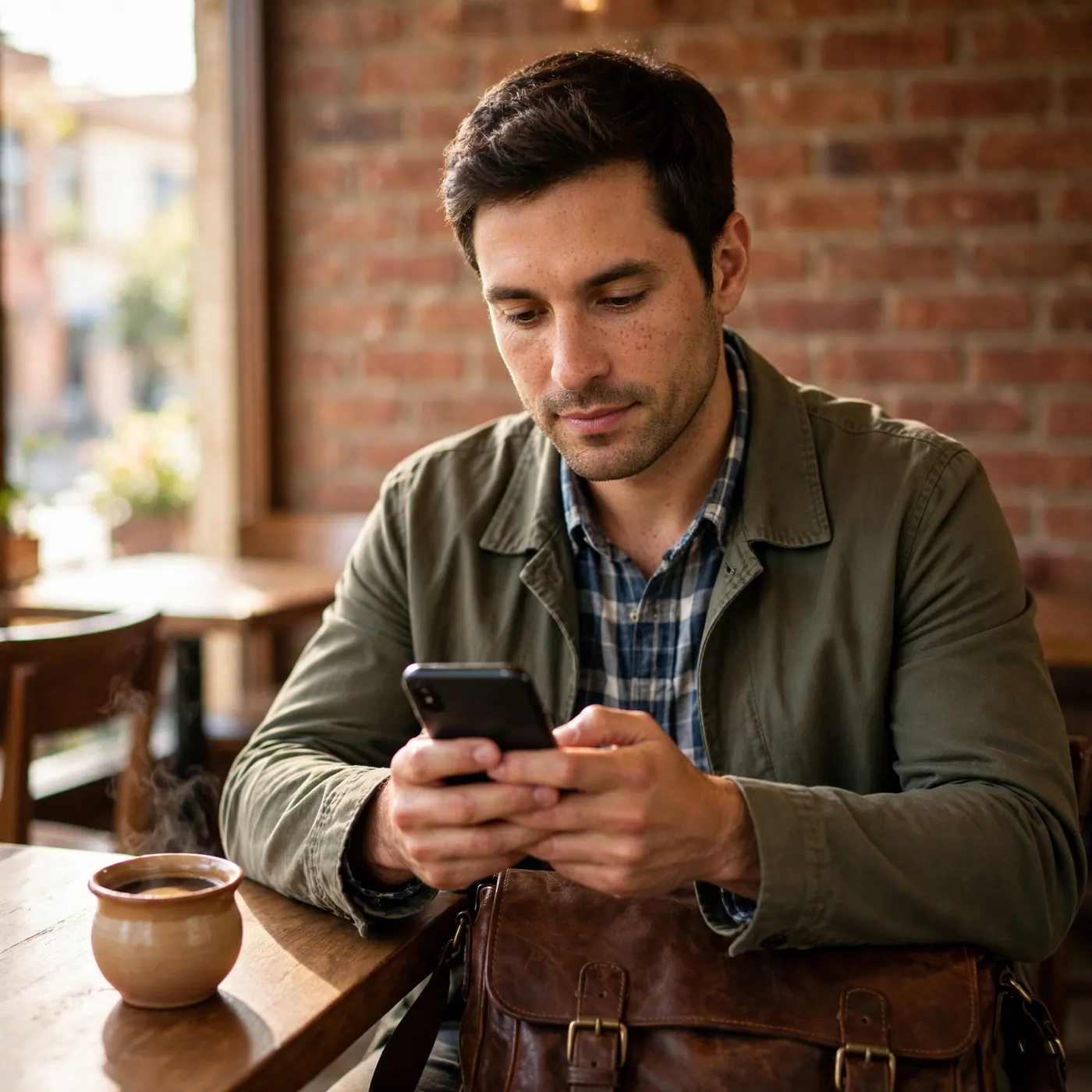
- The Sidewalk Smartphone Scroll: Walking along a busy curb while texting or checking maps. Motorcyclists and pillion passengers often practice the halonazo—a rapid drive-by snatch where your phone is ripped from your hand before you realize what happened.
- Curbside ATM Withdrawals: Using an ATM situated directly on an exterior street corner, especially after dark. Always step inside a bank branch with an access door or use machines located inside secure shopping malls.
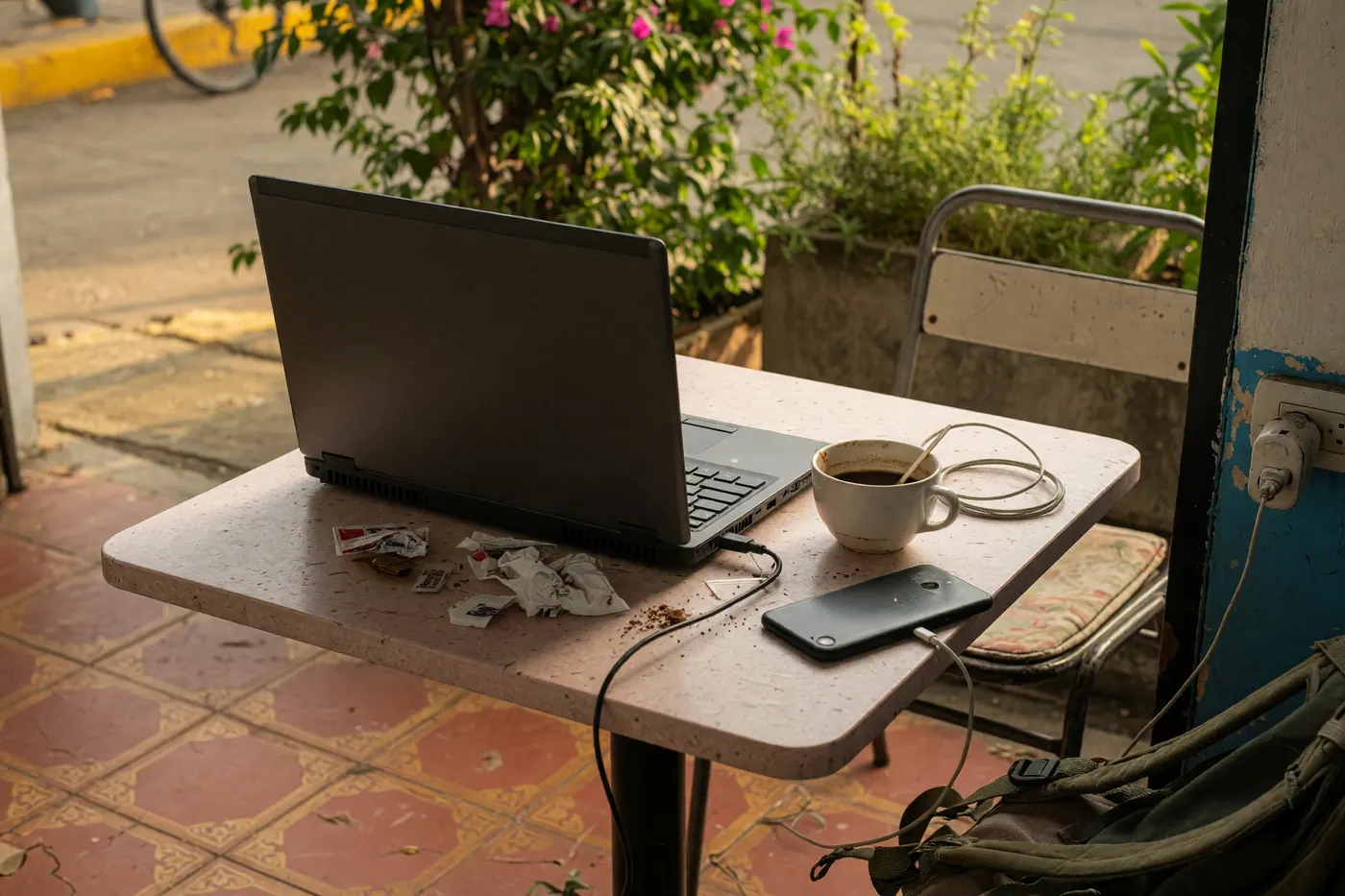
- The Open-Air Laptop Office: Sitting on a public sidewalk terrace with an expensive laptop resting inches from passing pedestrian traffic. If you are working remotely, choose an interior table away from the entryway.
- Flashing Visible Wealth: Wearing luxury watches, gold chains, or high-end designer accessories while walking through busy commercial districts. Keep your jewelry understated and your electronics tucked away.
- Street-Hailing Unverified Taxis at Night: Flagging down random yellow cabs on quiet street corners after midnight. Use registered ride-hailing apps like Cabify or Uber, where the vehicle license plate, driver details, and GPS route are tracked centrally.
- Accepting Unsolicited Items: Taking flyers, business cards, perfume samples, drinks, or sweets offered by strangers on the street. Politely decline with a firm “No, gracias” and keep walking.
Everyday Colombian Street Etiquette: Warmth Meets Respect
Safety is only half of the equation when settling into Colombia. The other side is interpersonal etiquette. Colombians are famously friendly, but their culture is also anchored in deep mutual respect (educación) and established courtesies. Mastering these social codes will not only help you make friends, but it will also integrate you into local communities where neighbors watch out for one another.
1. The Universal Greeting
Never walk into an elevator, a local corner shop (tienda), a bakery, or a taxi without a greeting. A clear “Buenos días” (good morning), “Buenas tardes” (good afternoon), or “Buenas noches” (good evening) is mandatory. Walking past someone without acknowledging their presence is considered profoundly ill-mannered (mal educado). When departing, finish with “Hasta luego” or “Que esté muy bien.”
2. Handshakes and Eye Contact
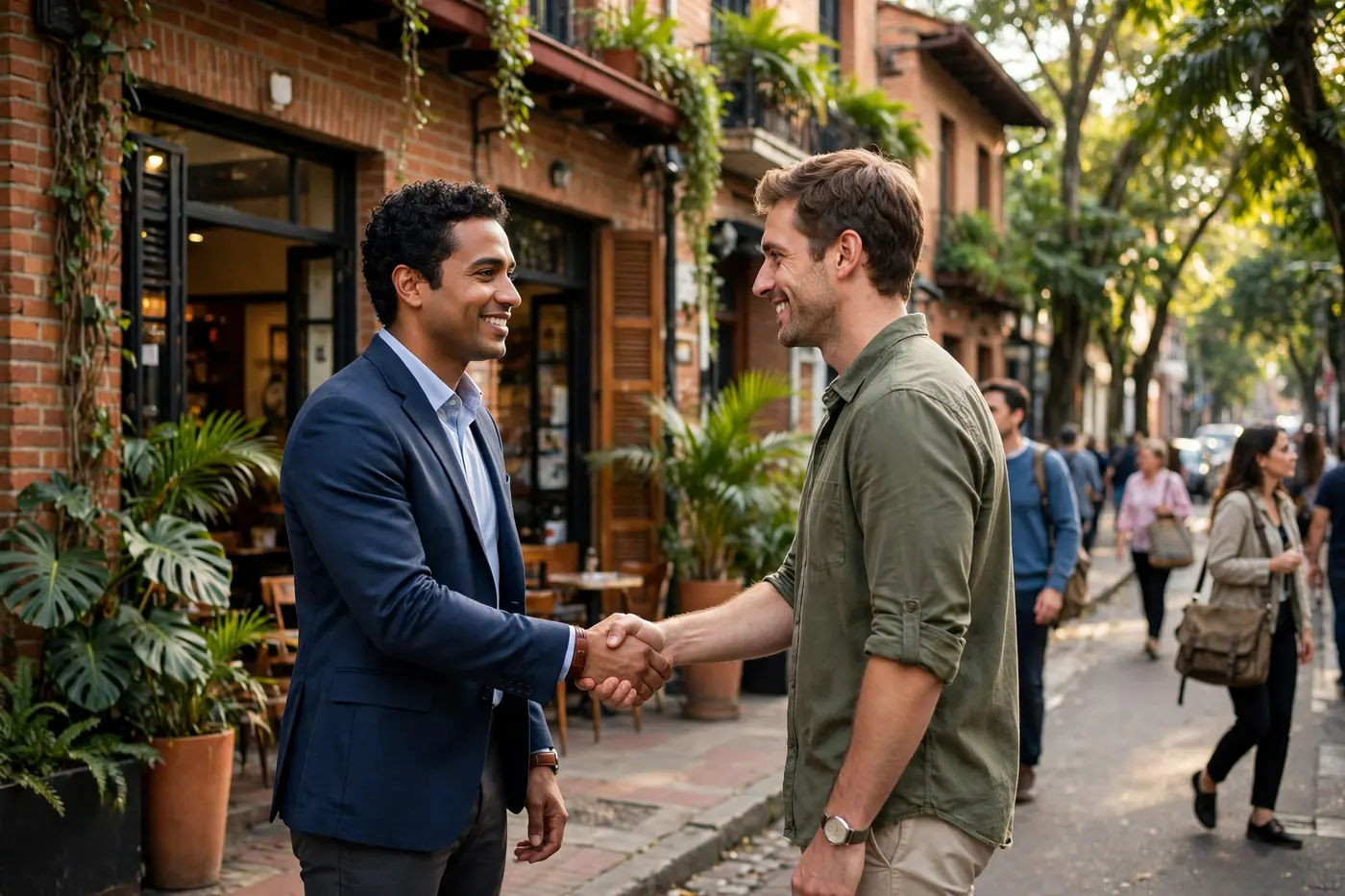
When meeting someone for the first time in either a professional or social setting, a firm handshake accompanied by warm eye contact and a slight smile is standard. To explore these customs in depth, read our guide on Colombian social etiquette and greeting customs.
3. The Single Cheek Kiss
Social greetings among acquaintances can involve physical contact, but the rules are specific. Between women, or between a man and a woman who know each other, the standard greeting is a light touch of the right cheek accompanied by an air kiss. Unlike parts of Europe, there is never a second kiss on the left cheek. Men greet other men with a handshake; among close friends or family, this evolves into a firm clasp followed by a one-armed back pat (abrazo).
4. Navigating 'Usted' Versus 'Tú'
Colombian Spanish uses usted far more frequently than other Latin American dialects. In highland cities, even close family members sometimes address each other as usted. When interacting with service staff, shopkeepers, elders, or new acquaintances, start with usted. Let your counterpart invite you to use tú (or vos in some regions) before dropping the formal register.
Public Transit and Navigating Crowded Spaces
Public transportation systems, such as mass-transit systems in Colombia's major cities, move millions of commuters daily. They are efficient and economical, but packed platforms are prime territory for pickpockets (cosquilleo).
Whenever entering a transit station or crowded pedestrian thoroughfare, pull your backpack around to the front of your chest (al pecho). Keep zip compartments facing inward, and avoid storing wallets or smartphones in external coat pockets. In our community discussions on Colombia Move, expats frequently recommend keeping a secondary, inexpensive payment card and a small emergency cash reserve in a discreet front pocket while leaving primary bank cards secured at home.
Understanding your surroundings also involves knowing your neighborhood dynamics. If you are comparing different residential areas, take time to understand municipal zoning tiers by reading our breakdown on understanding municipal estrato rankings and residential zones.
What to Do If You Encounter a Robbery
Despite your best precautions, unexpected situations can happen. If you are ever confronted by an armed individual demanding your possessions, Colombian police and security experts share unanimous advice: do not resist (no te resistas).
Your smartphone, wallet, and watch are easily replaced; your physical safety is not. Keep your hands visible, make no sudden movements, avoid confrontational eye contact, and hand over the requested items calmly. Once the perpetrators have departed and you are in a safe, populated indoor environment, follow these steps:
- Call Emergency Services: Dial 123 immediately to report your location and provide a physical description of the assailants. For a detailed walkthrough of how dispatch operates, see our guide on calling 123 and emergency dispatch in Colombia.
- Blacklist Your Phone: Contact your mobile carrier immediately with your device IMEI number (which you can check anytime by dialing *#06#) so the hardware can be globally locked.
- File an Official Police Report: You do not necessarily need to spend hours waiting at a local police station (CAI). The Colombian National Police and the Fiscalía General de la Nación operate a unified virtual portal called ¡A Denunciar!, where you can file an official criminal complaint online for insurance and legal purposes.
For a broader checklist that complements these etiquette rules, see our guide on practical safety tips for foreigners in Colombia.
Buying, Selling, and Meeting Locally Without Giving Papaya
Settling into life in Colombia often involves finding a furnished apartment, sourcing home office equipment, or buying second-hand household items from fellow residents. Unmoderated social media classifieds and anonymous message boards can expose newcomers to deposit fraud, fake wire transfer receipts, or unsafe meeting locations.
When trading goods or booking services, always prioritize platforms that offer verified user identities, transparent listings, and direct communication channels. Arrange in-person transactions during daylight hours in secure public spaces, such as inside residential building lobbies (porterías) or shopping center food courts, and inspect goods thoroughly before transferring payment. According to active listings on Colombia Move (September 2026), there are 12 phone ads and 8 computer ads live on the marketplace, alongside 166 vivienda listings, so you can compare electronics and rentals without a street-side cash meet.
Whether you are searching for second-hand electronics or vetting verified rental listings in Colombia, maintaining proactive common sense ensures that your transactions remain safe, smooth, and stress-free.
Frequently Asked Questions
❓ What is the literal and cultural meaning of "no dar papaya" in Colombia?
Literally meaning “don’t give papaya,” it culturally translates to not presenting unnecessary opportunities for opportunistic theft or exploitation. The phrase represents an active philosophy of urban situational awareness rather than hostility, reminding individuals to keep valuables discreet and remain mindful of their surroundings.
❓ Is the expression "no dar papaya" considered victim-blaming?
While external observers sometimes view it as shifting responsibility onto the victim, Colombians predominantly employ the phrase as practical, pragmatic street advice. In local culture, opportunistic crime is seen as preventable by denying perpetrators an easy target, although the actual responsibility for the crime remains with the offender.
❓ How should foreigners greet someone in a professional vs. casual Colombian setting?
Initial introductions in professional and casual settings always begin with a firm handshake, eye contact, and a polite verbal greeting such as “Buenos días”. Between acquaintances, social greetings often include a single light touch of the right cheek, while business relationships generally stick to handshakes and formal usted address.
❓ Is it safe to use my smartphone on the street in major cities like Colombia's major cities?
Walking along busy streets while holding or texting on your smartphone is strongly discouraged because opportunistic drive-by snatches by passing motorcycles are common. If you need to answer a call or check navigation directions, step inside a nearby store, lobby, or café before taking your device out.
❓ What should I do if someone attempts to mug or rob me in Colombia?
Security experts and police unanimously advise non-resistance (no te resistas), handing over demanded valuables calmly and without sudden movements. Once you reach a secure location, immediately report the incident via the 123 emergency line and submit an official report on the national police portal ¡A Denunciar!.
❓ Why do Colombians always greet strangers when stepping into an elevator or small shop?
Greeting strangers with “Buenos días” or “Buenas tardes” is an essential social code of mutual recognition and respect (educación) in Colombia. Failing to acknowledge others in small enclosed spaces or family-run businesses is considered disrespectful and unfriendly.


Comments
Loading comments...
Checking sign-in status...