
Landlord vs. Tenant Repairs in Colombia: Who Handles What?
A complete guide to handling property maintenance disputes in Colombia. Learn what landlords must fix, what tenants pay for, and how the 30% rent deduction rule works.
IDIOMA DEL ARTÍCULO
Showing original language
Quick Answer: In Colombia, landlords are legally required to pay for structural and necessary non-locative repairs (like burst pipes or roof leaks). Tenants are responsible for locative repairs—minor maintenance from normal wear and tear or tenant negligence (like changing light bulbs or fixing a broken lock). If a landlord ignores an urgent repair request, tenants can legally deduct up to 30% of their monthly rent to cover the costs, provided they follow strict written notice procedures.
The classic expat rental headache usually starts on a Tuesday night: a pipe bursts in the kitchen, or the water heater suddenly dies. You text your landlord, and they reply that maintenance is your responsibility. Who is actually right? If you want to see real-world options right now, you can browse apartments and houses on Colombia Move — posting is completely free.
You aren't alone in figuring this out. According to DANE (the National Administrative Department of Statistics), around 40.4% of Colombian households live in rented properties. With so many renters, the laws governing who pays for what are surprisingly clear, even if landlords sometimes pretend otherwise. Let's break down exactly what you are responsible for, what your landlord must fix, and how to legally handle the situation when they refuse.
The Legal Ground Rules: Ley 820 and the Civil Code
Before arguing with a property owner or agency, you need to know the rulebook. Residential leases in Colombia are governed primarily by Ley 820 de 2003 and the Colombian Civil Code.
Under Article 8 of Ley 820, landlords have an inescapable obligation to deliver and maintain the property in a state of habitability, safety, and sanitation. Any clause in your lease that tries to force you to pay for structural repairs is legally void. When reviewing rental contract red flags, a clause shifting all maintenance to the tenant is a massive warning sign.
Landlord Obligations: Necessary Non-Locative Repairs
Colombian law refers to the landlord's responsibilities as reparaciones indispensables no locativas. According to Article 1993 of the Civil Code, landlords must pay for structural and necessary repairs that keep the property habitable.
This includes:
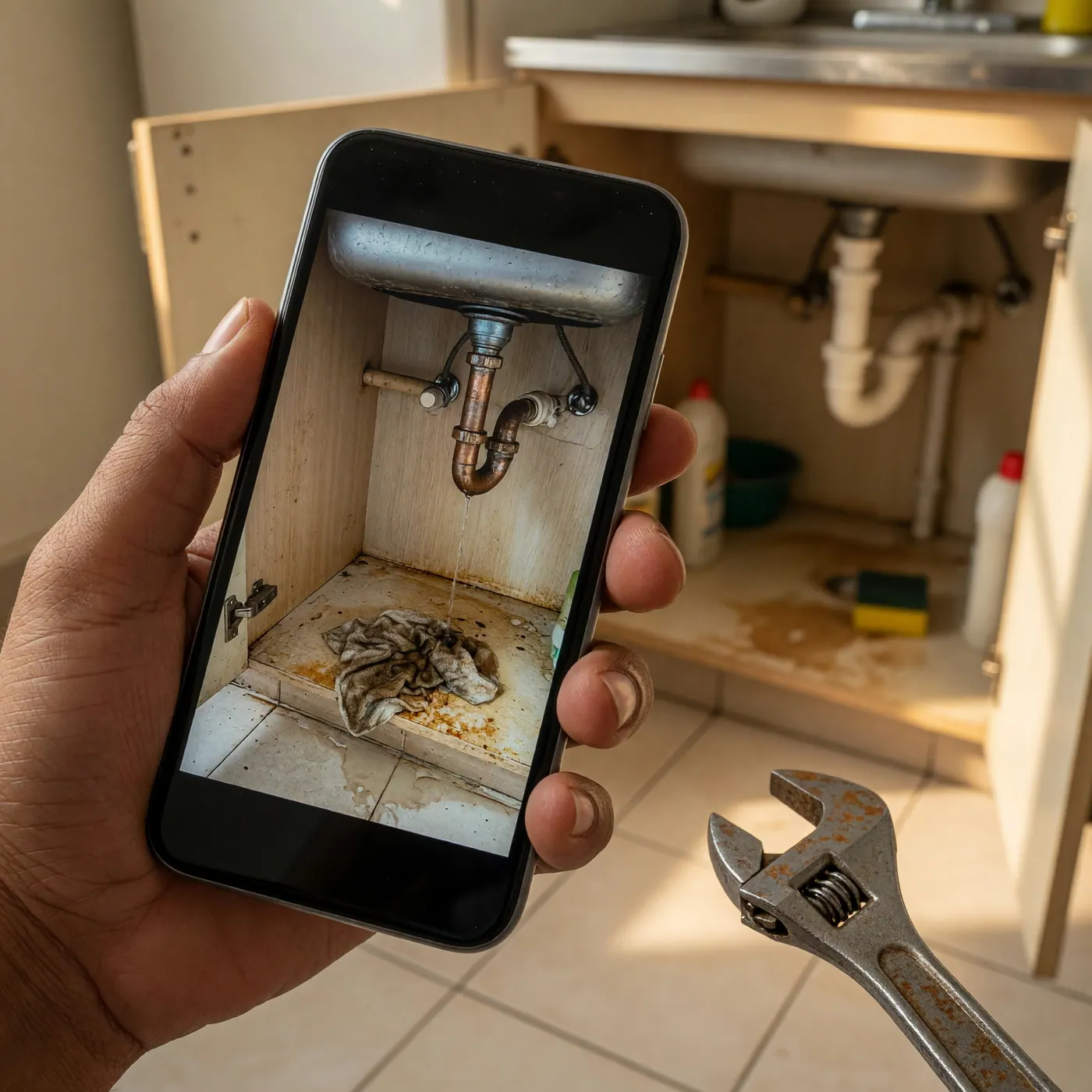
- Fixing leaking main water pipes or gas lines.
- Repairing collapsing roofs or major structural dampness (humedad).
- Replacing a water heater (calentador) that dies from old age.
- Major electrical faults inside the walls.
If you are dealing with apartment water or internet outages caused by internal building failures, the landlord or the building's administration (administración) must resolve it.
Tenant Obligations: Locative Repairs
On the flip side, Article 2028 of the Civil Code places reparaciones locativas squarely on the tenant's shoulders. These are minor fixes required to maintain the property in the same state you received it, accounting for normal daily use.
You are on the hook for:
- Replacing burnt-out light bulbs.
- Fixing broken window panes or door locks you damaged.
- Unclogging a drain you blocked.
- Any damage caused directly by your negligence or your pets.
This is why having a meticulously documented furnished rental inventory with photos on move-in day is non-negotiable. If you didn't document that a window latch was broken when you moved in, you will be paying for it when you move out.
The Gray Areas: Painting, Appliances, and Improvements
Disputes rarely happen over a collapsed roof. They happen over paint, microwaves, and ceiling fans.
| Repair Type | Who Pays? | Examples |
|---|---|---|
| Necessary / Structural | Landlord | Roof leaks, burst pipes, water heater failure |
| Locative / Wear & Tear | Tenant | Light bulbs, broken locks, clogged drains |
| Useful Improvements | Tenant (unless agreed) | New AC unit, custom shelving |
Painting: Landlords love to demand that tenants repaint the entire apartment upon moving out. Painting is generally considered a locative repair (your duty) if the paint was fresh when you moved in and the lease specifies it. However, you are not responsible for paint deterioration caused by structural humidity, settling, or normal aging over a long period (usually considered 3+ years). Honestly, skip it unless your contract strictly demands it and you haven't been there long enough to claim natural wear.
Appliances: If you rent a furnished place, the landlord must maintain the appliances unless you broke them through misuse. If you rent unfurnished and break your own stuff, that's on you. According to active listings on Colombia Move (July 2026), there are currently 4 active home appliance listings and demand exceeds supply. If you need to replace a damaged microwave or blender to satisfy a locative repair requirement, buying used locally is a smart move.
Useful Improvements (Mejoras Útiles): Want to install a fancy new air conditioning unit or custom cabinets? Under Article 1994 of the Civil Code, these are non-essential improvements that increase the property's value. You pay for them, and they are not reimbursable unless the landlord gave you prior written consent. Get it in writing, or expect to leave that AC unit behind for free.
Since we're already on the topic of appliances: if you need to buy a replacement microwave, blender, or space heater to cover your own locative repairs — or you're moving out and want to sell your old appliances instead of leaving them behind — Colombia Move's home appliance listings are free to post, have no commission, and put you in direct contact with the buyer or seller.
Step-by-Step: How to Legally Request a Repair
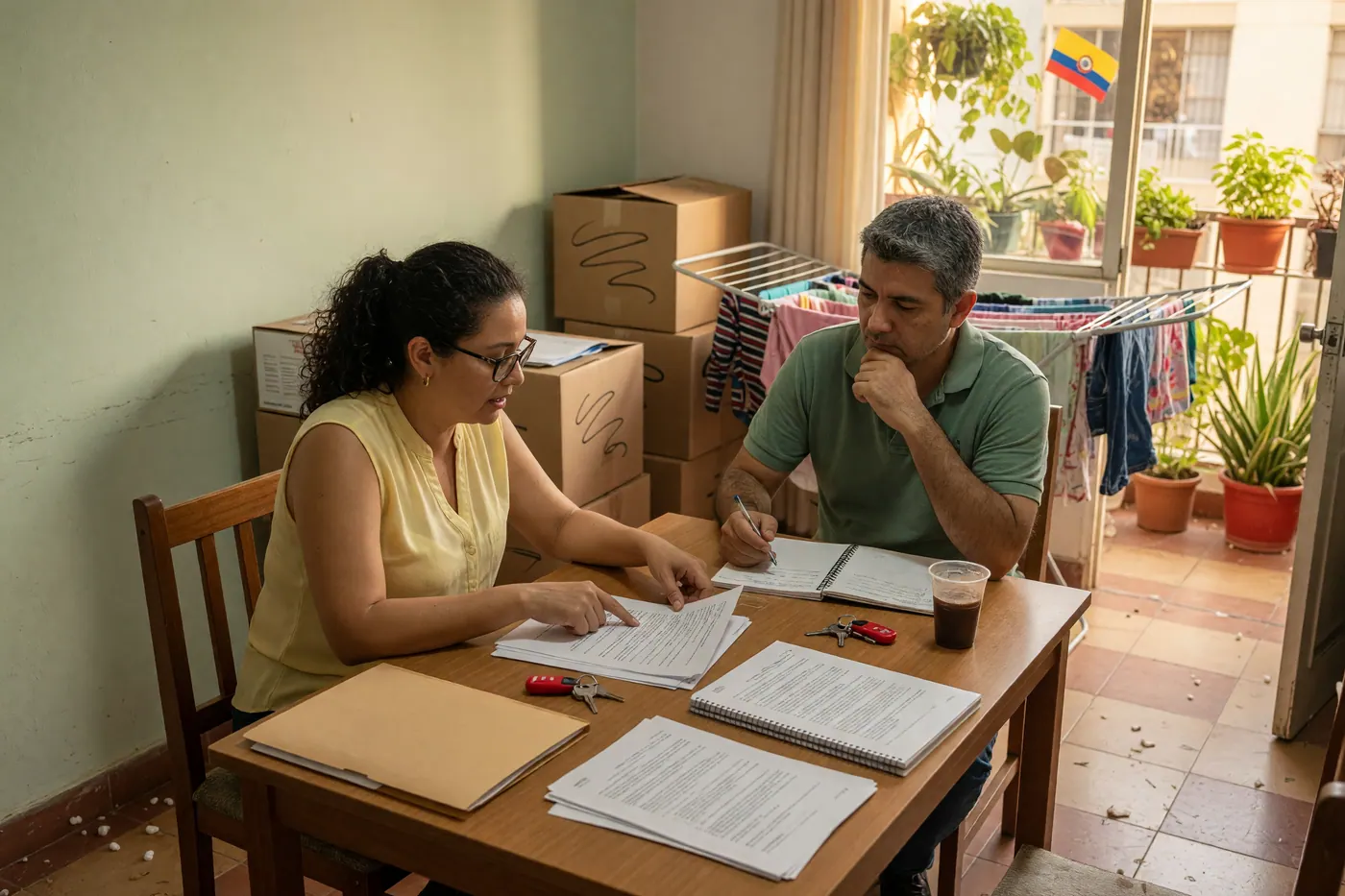
When a necessary repair pops up, do not just casually mention it to the building guard or send a disappearing WhatsApp message. You need a paper trail.
- Document everything immediately: Take photos and videos with time stamps. If there's a leak, show the water damage spreading.
- Send formal written notice: A WhatsApp message is fine for a heads-up, but follow it immediately with a formal PDF letter sent via email or certified mail. State clearly what is broken, that it affects habitability, and reference their obligation under Article 1993 of the Civil Code.
- Give a reasonable timeline: Ask for a response within a specific timeframe (e.g., 48 hours for urgent plumbing).
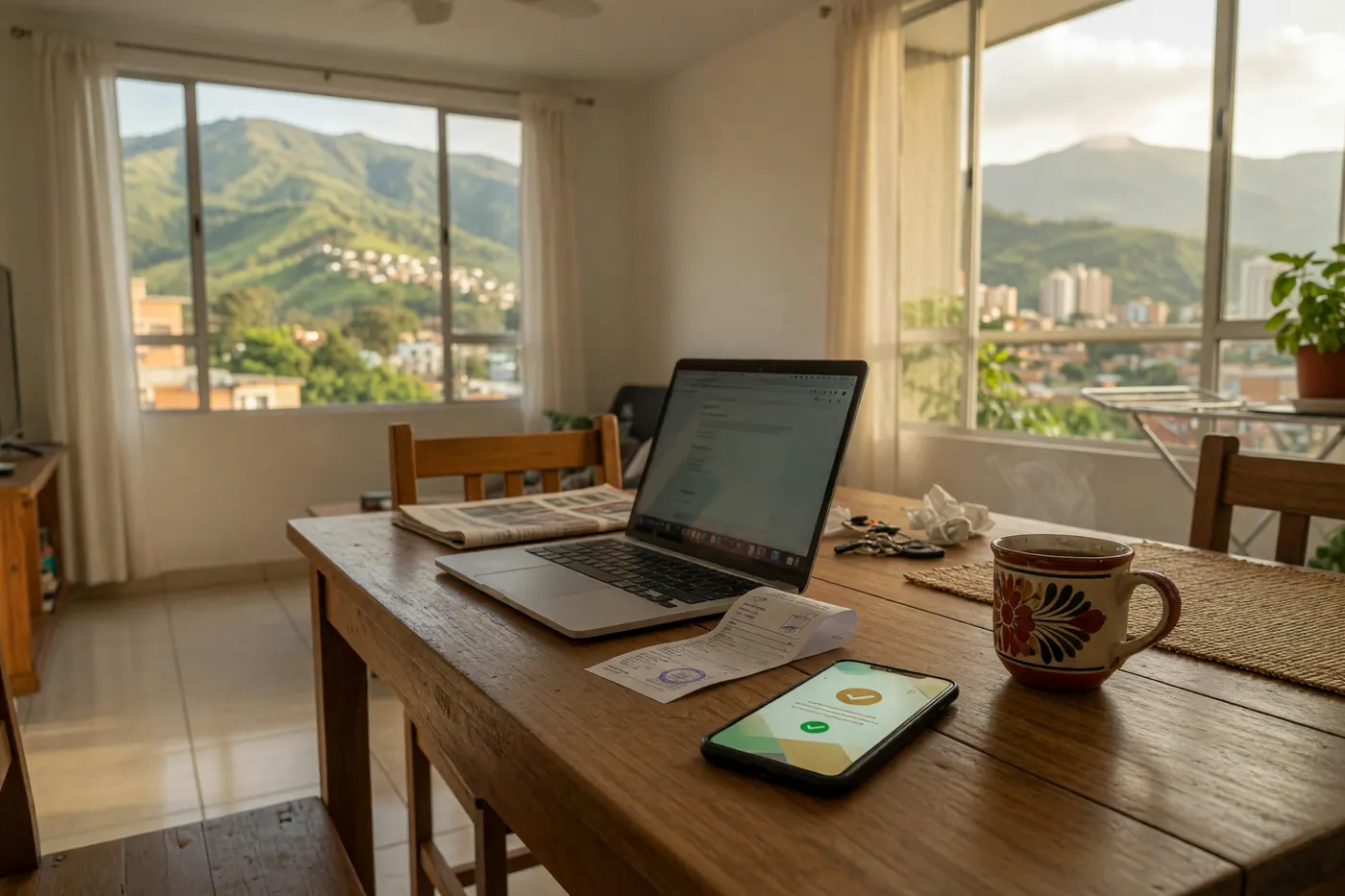
- Hire a pro if they ignore you: If the landlord ghosts you on a critical issue, you might need to find plumbers or electricians in Colombia yourself. Make sure you get a legal, itemized invoice (factura electrónica) for the work.
The 30% Rent Deduction Rule (Art. 27)
If you followed the steps above, the landlord ignored you, and you paid out of pocket for a necessary non-locative repair, you have a powerful legal tool: Article 27 of Ley 820 de 2003.
This law allows tenants to deduct the cost of necessary repairs from their rent. But there is a massive catch: you can only deduct up to a maximum of 30% of your monthly rent per month. You cannot withhold 100% of your rent, even if the repair cost was huge. Doing so breaches your contract and gives the landlord legal grounds to evict you.
If the repair cost exceeds 30% of one month's rent, you continue deducting 30% each subsequent month until the debt is fully paid. If your lease ends before you are fully reimbursed, you have the right of retention (derecho de retención), meaning you can legally withhold the property and refuse to move out until the landlord pays you the balance.
Frequently Asked Questions
❓ Who is responsible for fixing structural humidity or dampness (humedad) in Colombia?
The landlord is responsible for fixing structural humidity or dampness under Colombian law. This is classified as a necessary non-locative repair (reparación indispensable) because it affects the habitability of the home, unless the landlord can prove the tenant caused it through negligence (e.g., leaving windows closed in a wet bathroom for months).
❓ Can I stop paying rent entirely if my landlord refuses to make urgent repairs?
No, you cannot legally withhold 100% of your rent if your landlord refuses to make repairs. Doing so constitutes a breach of contract and is grounds for eviction; instead, you must follow the formal procedure in Article 27 of Ley 820 de 2003, which allows you to deduct up to 30% of the rent per month to cover the cost of repairs you pay for yourself.
❓ Who pays for a broken water heater (calentador) in a Colombian rental?
The landlord is responsible for repairing or replacing a broken water heater if the failure is due to age, normal wear, or structural issues. However, if the tenant caused the damage through misuse or failed to perform basic maintenance specified in the lease, the tenant must cover the repair cost.
❓ Do I have to paint the apartment before moving out?
Generally, yes, you must return the apartment painted if you received it painted and the lease contract specifies it. However, under Article 2028 of the Civil Code, you are not responsible for paint deterioration caused by structural dampness, settling, or normal wear and tear over a long period (typically 3 or more years).
❓ What are "mejoras útiles" and can I get reimbursed for them?
"Mejoras útiles" are non-essential improvements that increase the property's value, and they are not reimbursable unless the landlord authorized them in writing beforehand. Under Article 1994 of the Civil Code, if you make these improvements without written consent, you cannot demand reimbursement, though you may remove them upon move-out if doing so does not damage the property.

Comments
Loading comments...
Checking sign-in status...