
Colombia Apartment Gas Inspections: What Renters Need to Know
Every 5 years, Colombian apartments must undergo a mandatory gas safety inspection. Here's what renters need to know about costs, landlord responsibilities, and avoiding scams.
IDIOMA DEL ARTÍCULO
Showing original language
I remember the first time I found a bright yellow notice stuck to my apartment door in Medellín. It warned that my gas service was about to be suspended if I didn't schedule a Revisión Periódica Obligatoria (RPO). If you rent in Colombia long enough, you will eventually get one of these notices. It looks intimidating, but it is just a routine safety measure.
Quick Answer: The RPO is a mandatory gas safety inspection required every 5 years in Colombia. While the charge appears on your monthly utility bill, the landlord is legally responsible for the cost of the inspection and any structural pipe repairs. The tenant is responsible for scheduling the visit, allowing access, and maintaining their personal appliances.
1. What is the RPO and How Often is it Required?
The Revisión Periódica Obligatoria (RPO) is a mandatory safety check regulated by the CREG (Comisión de Regulación de Energía y Gas) under Resolution 059 of 2012. Its purpose is to prevent gas leaks, check ventilation, and ensure there is no carbon monoxide buildup in your home.
This inspection must be performed every 5 years. Specifically, the window to complete it opens at month 55 and closes at month 60 from the date of your last inspection or initial gas connection. Your gas distributor is required to notify you on your utility bill starting five months before the deadline.
2. Landlord vs. Tenant: Who Pays for the Inspection?
When the notice arrives, the first question every foreigner asks is: Who is paying for this?
Under Article 1993 of the Colombian Civil Code, which requires landlords to cover indispensable, non-locative repairs, the landlord is legally responsible for the cost of the 5-year inspection and any structural repairs to the gas network inside the walls. However, under Article 1997 of the Colombian Civil Code, the tenant is responsible for the routine maintenance of individual gas appliances, such as the annual servicing of a gas water heater.
According to active housing listings on Colombia Move (July 2026), there are currently over 110 long-term rental properties on the market drawing more than 22,000 demand views. For anyone moving into one of these in-demand rentals, clarifying gas responsibilities before moving in is crucial. I highly recommend running through a Colombia apartment inspection checklist before you sign the lease to ensure the current gas certificate is valid.
Because the inspection fee is charged directly to the property's utility bill, you will likely pay it upfront as the tenant. You then have the legal right to deduct that exact amount from your next rent payment or request direct reimbursement from the owner. Make sure you communicate this clearly so it doesn't get confused with standard rent increases or other fees.
3. Costs and Billing (No Cash Allowed!)
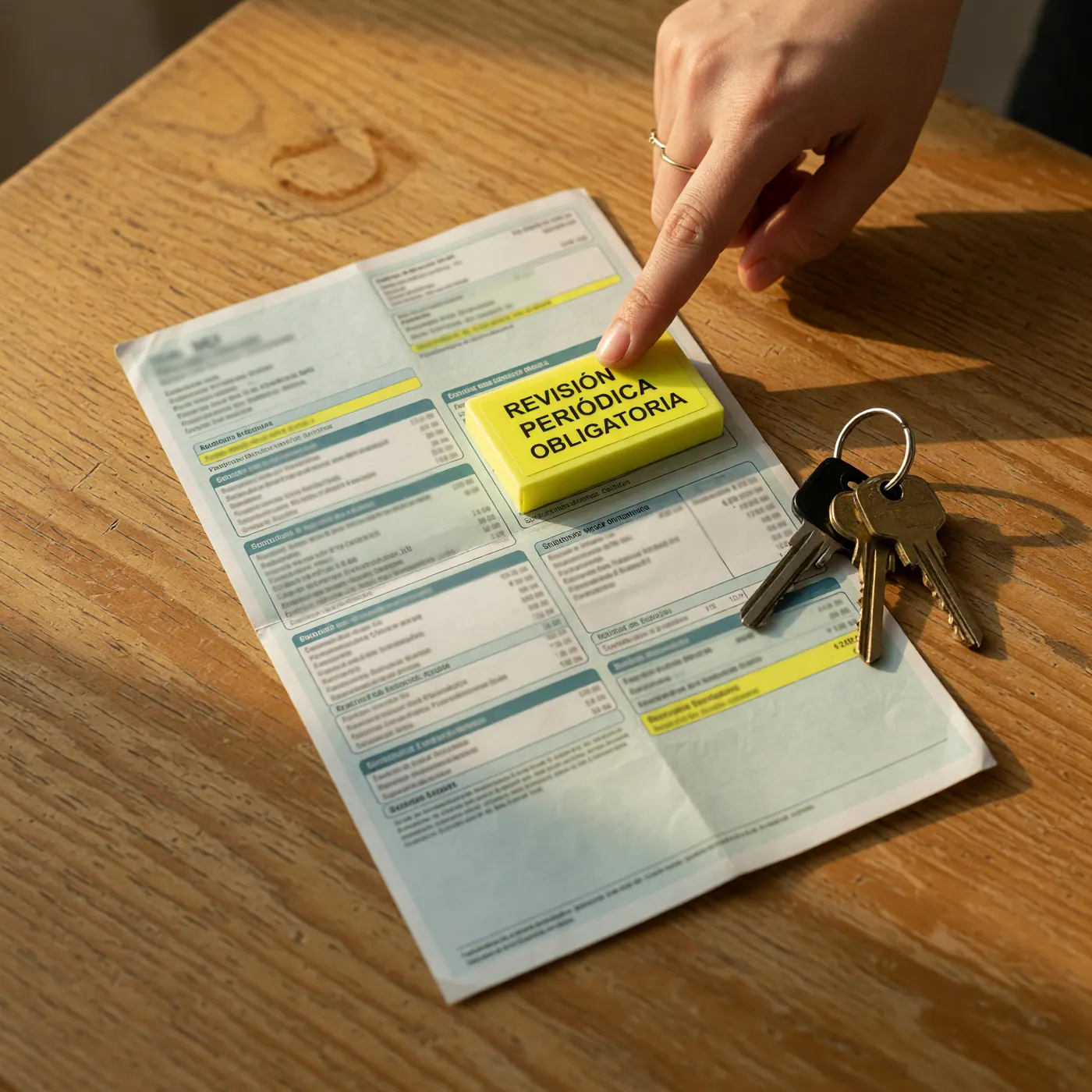
The cost of the gas inspection is not a single flat rate nationwide; it varies depending on your city and local gas distributor. Here are the typical rates observed in mid-2026:
- Vanti (Bogotá & surrounding areas): $107,500 COP
- Alcanos (Various regions): $115,996 COP
- Surtigas (Caribbean coast): $141,286 COP (excluding VAT)
Crucial safety rule: Technicians never accept cash payments. All official inspection fees are charged directly to your monthly utility invoice. If a technician asks for cash to "pass" your inspection or perform the service, they are scamming you. Understanding how these charges appear on your invoice is a big part of managing utility deposits and first bills as a renter.
4. What Happens During the Inspection?
The actual visit usually takes about 30 to 45 minutes. The certified technician will test the hermeticity of the gas lines to ensure there are no leaks, measure carbon monoxide levels, and check that your apartment has adequate ventilation for the stove and water heater.
If your apartment passes, the technician issues a certificate of conformity, and you are clear for another five years. If defects are found, you will receive a non-conformity report. You then have a short window to hire an authorized technician to fix the issue—whether that means the landlord repairing a pipe or you servicing your water heater.
If you fail to submit a passing certificate within 5 calendar days of your final warning (which is sent 10 days before the 60-month deadline), the distributor will suspend your gas service entirely. Dealing with a suspended gas line is a massive headache and much harder to resolve than standard water or internet outages. If that happens, expect a reconnection fee on top of any repair costs—typically around $30,000 to $35,000 COP depending on your operator, though this varies and can change—so it is almost always cheaper to just handle the RPO before it gets to that point.
5. How to Avoid Gas Inspection Scams
Unfortunately, fake technicians are common in major Colombian cities. Scammers often slip official-looking flyers under your door claiming you need urgent gas maintenance.
To protect yourself, never let an unannounced gas technician into your home. The RPO is always scheduled in advance by you or your landlord. When the technician arrives, you can verify their credentials online using their ID (cédula) and badge code on your gas distributor's official website.
Frequently Asked Questions
❓ Is the gas inspection mandatory for apartments in Colombia?
Yes, under CREG Resolution 059 of 2012, all residential natural gas users must undergo a mandatory safety inspection every 5 years to prevent leaks and carbon monoxide hazards.
❓ Who pays for the 5-year gas inspection, the landlord or the tenant?
The landlord (owner) is legally responsible for the cost of the inspection and any structural repairs to the gas lines, while the tenant is responsible for scheduling the visit and maintaining their own appliances. This split follows Article 1993 (landlord) and Article 1997 (tenant) of the Colombian Civil Code.
❓ Who is responsible for maintaining the gas water heater (calentador) or stove?
The tenant handles maintenance of individual gas appliances like the water heater (calentador) and stove (estufa). Under Article 1997 of the Colombian Civil Code, this covers everyday wear-and-tear repairs, while the landlord covers only the shared gas network and the 5-year inspection itself.
❓ Can I pay the gas technician in cash?
No, technicians are strictly prohibited from accepting cash; the cost of the inspection is always billed directly to your monthly utility invoice.
❓ What happens if my apartment fails the gas inspection?
If defects are found, you will receive a non-conformity report and must have them repaired by an authorized technician; if not resolved before the deadline, your gas service will be suspended for safety. This suspension rule comes from CREG Resolution 059 of 2012.
❓ How do I know when my apartment's gas inspection is due?
Your gas distributor is required to print the exact deadline of your next Revisión Periódica Obligatoria (RPO) directly on your monthly utility bill, starting five months before it is due.

Comments
Loading comments...
Checking sign-in status...