
Furnished Rental Inventory in Colombia: Wear, Damage, and Handover Evidence
Moving into a furnished apartment in Colombia? Learn how to document your move-in inventory to protect yourself from unfair damage claims when you leave.
IDIOMA DEL ARTÍCULO
Showing original language
Quick Answer: To protect yourself from unfair damage claims in a Colombian furnished rental, you must sign a detailed Acta de Entrega (handover document) with an attached inventory. Under Law 820 of 2003, landlords handle structural repairs and natural wear and tear, while tenants are responsible for daily maintenance (locative repairs) and actual damage.
Moving into a furnished apartment in Colombia is usually the easiest way to land on your feet. You get the keys, drop your bags, and you're ready to explore. But that convenience comes with a hidden risk that catches many expats off guard: the move-out dispute over what constitutes "damage" versus "wear and tear."
According to active listings on the Colombia Move marketplace (July 2026), our habitación (room rental) category currently has 12 active listings that have already logged more than 3,000 views this year — a sign that demand for verified, direct-from-owner rooms is real, even in a category that isn't overflowing with options. When a good listing does show up, expats move fast. Honestly, skip the rush. Signing a lease that references an inventory you haven't physically verified is a fast track to losing your money.
The Legal Framework: Law 820 and Security Deposits
Urban residential leases in Colombia are regulated by Law 820 of 2003. If you read Article 16 of this law, you'll find a surprising fact: landlords are strictly prohibited from demanding cash security deposits (depósitos en dinero) for standard residential leases.
However, in practice—especially when choosing between furnished vs unfurnished rentals in Colombia—landlords targeting expats or offering short-term stays frequently request deposits anyway. They might frame them as a separate guarantee for the furniture or require a rental insurance policy. Because money often changes hands upfront, having a bulletproof inventory is your only real defense against unwarranted deductions when it is time to leave.
Normal Wear and Tear vs. Tenant Damage
When you move out, the condition of the apartment will be judged against the initial inventory. Colombian law makes a clear distinction between two types of wear:
- Desgaste Natural (Normal Wear and Tear): This is the natural aging of the property. The landlord is responsible for structural repairs and issues arising from the simple passage of time, like sun-faded curtains or settling cracks in the walls.
- Reparaciones Locativas (Locative Repairs): These are minor maintenance tasks resulting from normal daily use or tenant negligence. If you stain the sofa, break a window, or clog the plumbing, it is on you to fix it.
A common gray area is wall paint. While not explicitly written in Law 820, local legal doctrine and notary practice generally consider three years to be the standard lifespan for interior paint. If you live in an apartment for three years, normal fading is the landlord's responsibility. But if you leave scuff marks, holes from hanging art, or unauthorized paint colors after six months, you will be paying for the repainting.
Step-by-Step: Documenting Your Room-by-Room Inventory
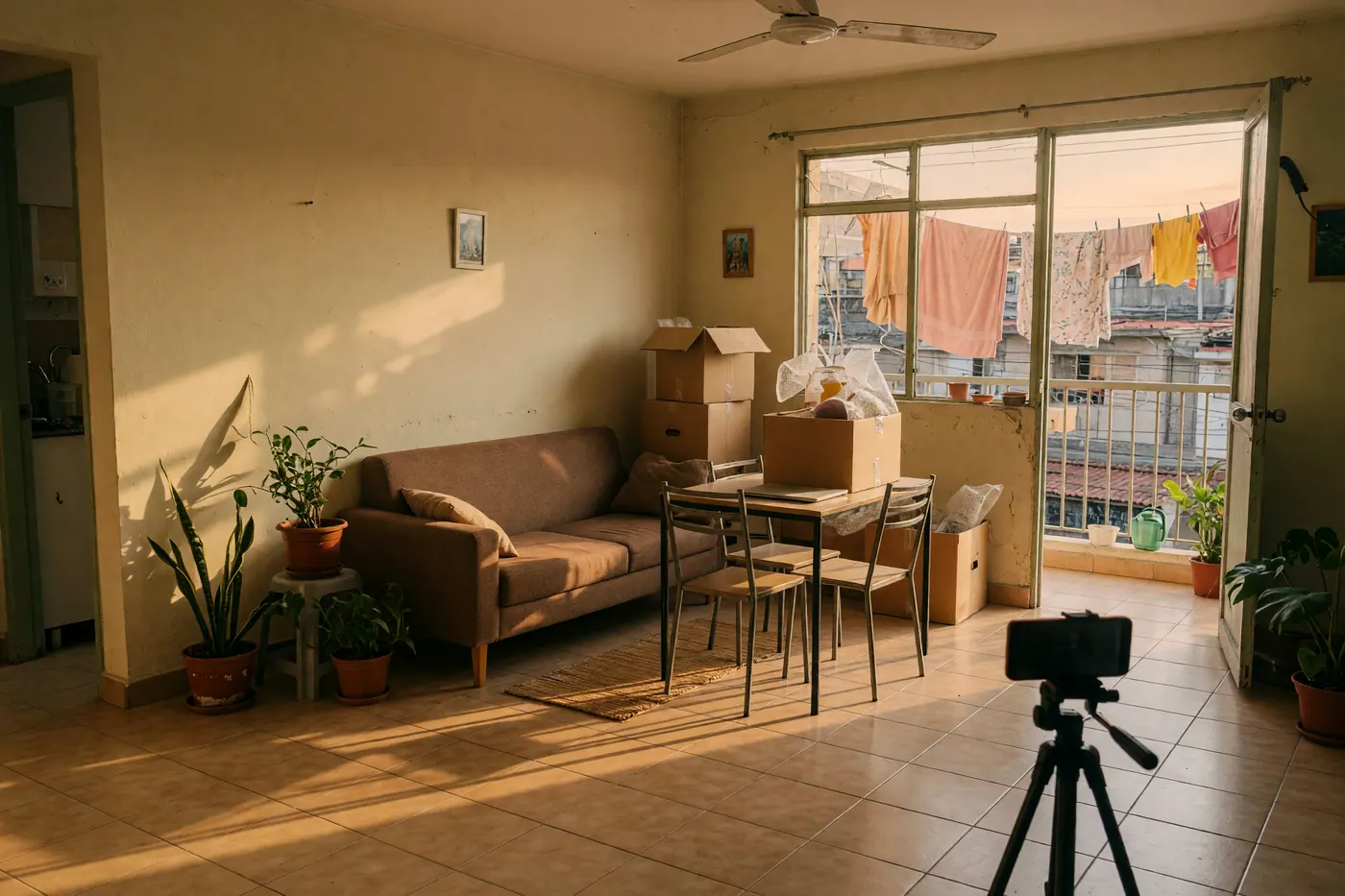
To avoid a "he said, she said" scenario, you need to document everything on day one. Use this workflow alongside a Colombia apartment inspection checklist to ensure nothing is missed.
First, record the brand, model, and serial numbers of all major appliances (fridge, washing machine, heater, TV). This prevents disputes over whether an appliance was swapped or replaced with an older, broken model during your tenancy.
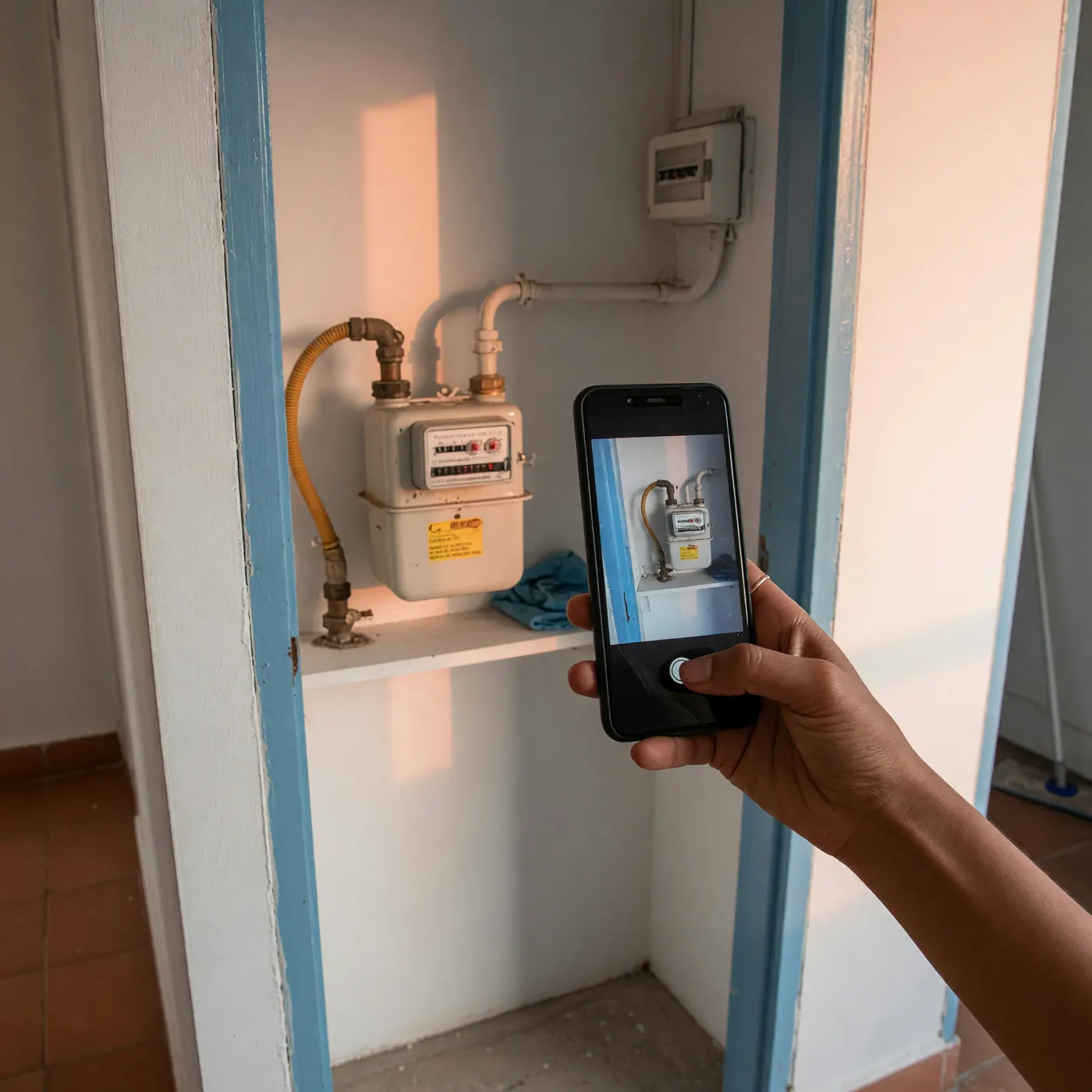
Second, locate the utility meters for water, gas, and electricity. Take clear, dated photos of the exact numbers on the meters on the day you receive the keys. This ensures you aren't stuck paying the previous tenant's unpaid bills.
Finally, count and document every physical key, access card, and remote control handed to you. Replacing a lost building fob in Colombia can be surprisingly expensive and bureaucratic.
The "Acta de Entrega" (Handover Document)
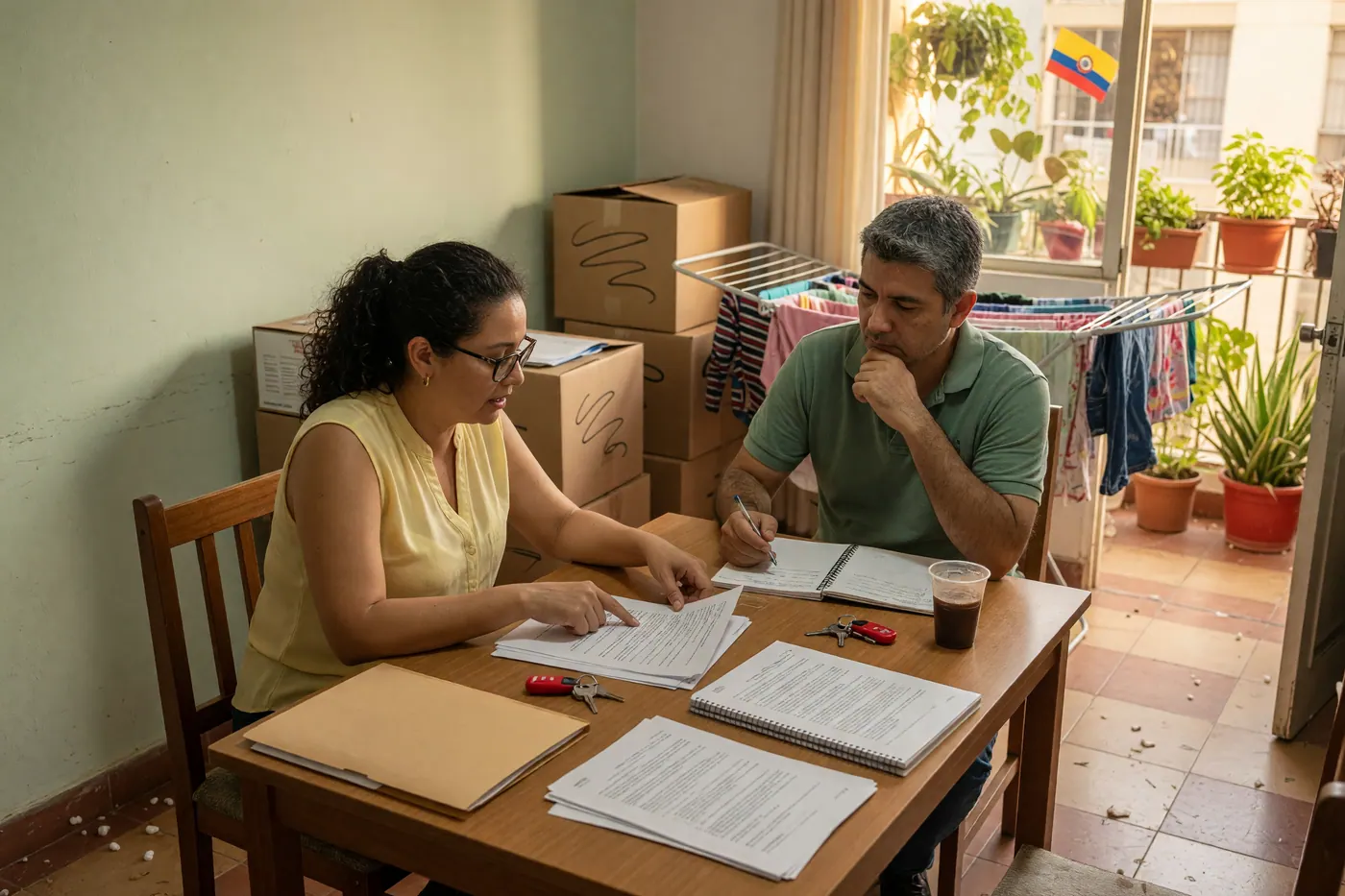
This handover document is the official record stating that you received the property in the condition described in the attached Inventario. Both copies are legally binding once signed by both parties.
Never sign a handover document that says "the apartment is in perfect condition" if it isn't. If you find existing damage—a chipped tile, a scratched table, a loose cabinet hinge—write it into the document before signing. Take high-quality, dated photos and videos of the entire apartment, focusing on any pre-existing flaws, and back them up to the cloud.
If your landlord is unsure how to structure this paperwork, you can share our Spanish-language guide to rental handover inventories in Colombia with them so everyone is on the same page. Clear documentation also helps if you ever end up ending a rental lease early in Colombia.
Frequently Asked Questions
❓ Are security deposits legal for residential rentals in Colombia?
Technically, standard cash security deposits are prohibited for residential leases under Article 16 of Law 820 of 2003. However, for furnished, short-term, or expat rentals, landlords often request them or use alternative guarantees, making a detailed inventory essential.
❓ Who is responsible for painting the apartment when a lease ends?
The landlord is responsible for repainting if the wear is due to natural aging (local practice considers 3 years a normal paint lifespan). The tenant must pay to repaint if they caused damage like stains, holes, or painted walls without permission.
❓ What is the difference between normal wear and tear and damage in Colombia?
Normal wear and tear (desgaste natural) includes minor carpet fading, appliance aging, or structural settling. Damage includes torn furniture, broken appliances due to misuse, or cracked windows.
❓ Why should I write down appliance serial numbers in the inventory?
Recording serial numbers prevents disputes over whether an appliance was swapped or replaced with an older, broken model during your tenancy. It gives you solid proof if a landlord later tries to blame you for damage that was already there before you moved in.
❓ How do I handle utility meter readings during the handover?
You must take clear, dated photos of the water, gas, and electricity meters on the exact day of handover. Write those numbers into the handover document so you don't get stuck paying for the previous tenant's usage.
❓ What should I do if the landlord refuses to sign the inventory?
Do not move in or pay any rent until both parties have signed the inventory and the handover document. Under Law 820 de 2003, unsigned paperwork leaves you legally vulnerable to damage claims.

Comments
Loading comments...
Checking sign-in status...