
Farm for sale in Filadelfia, Caldas: 5.5 hectares with coffee, own water source, and 5 minutes from town
A 5.5-hectare coffee farm 1 km from the Filadelfia town square—established coffee and plantain crops, private processing facility, and three water sources—plus an honest guide to a Coffee Cultural Landscape town that almost no one has on their radar.
IDIOMA DEL ARTÍCULO
Showing original language
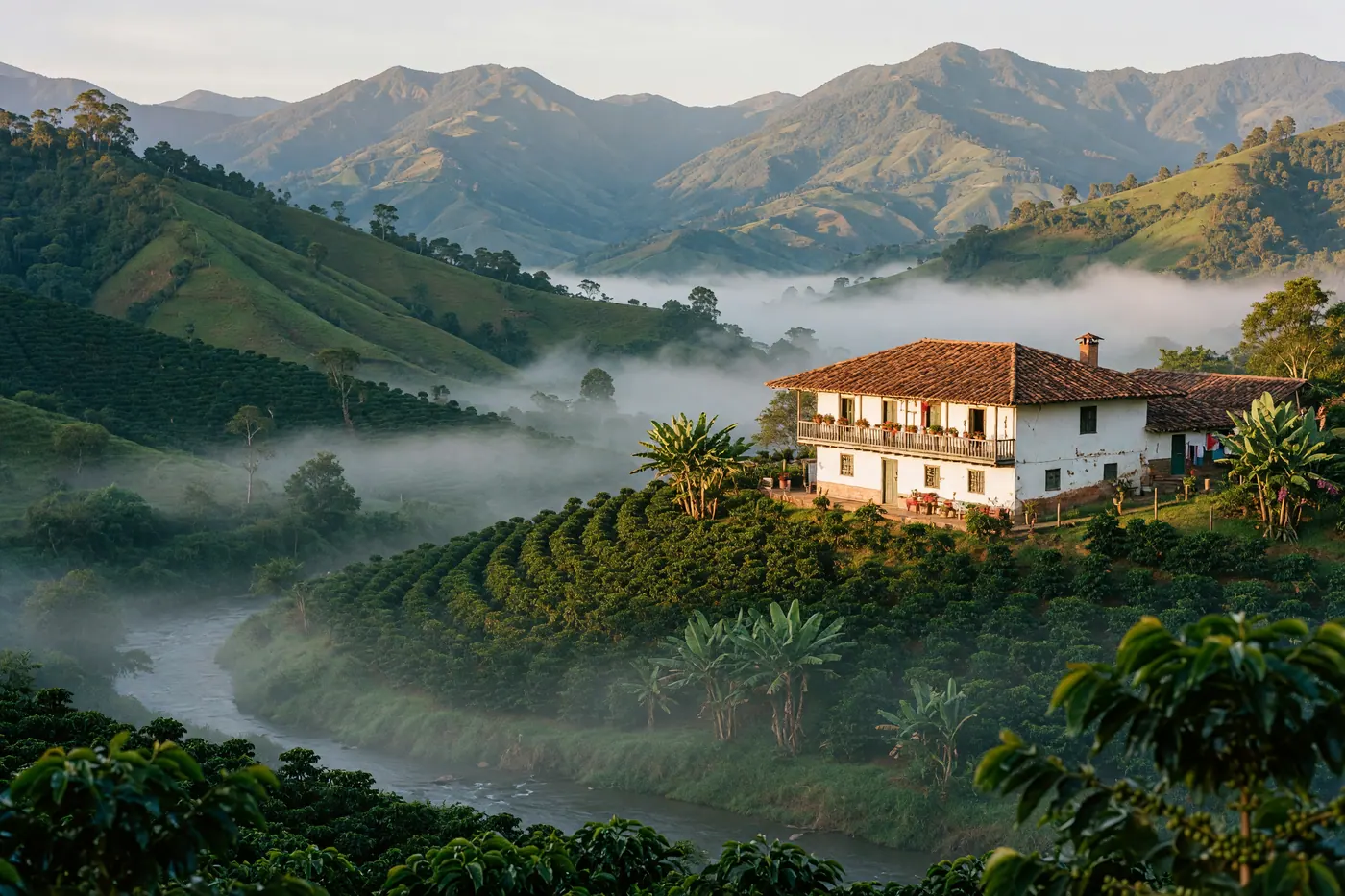
Every so often we highlight a real property listed by its owner on Colombia Move and use it as an excuse to talk about a specific area. This time we are heading to the Coffee Axis: a 5.5-hectare farm in Filadelfia, Caldas, with established coffee and plantains, its own processing facility, three water sources, and—the detail that makes it rare—just one kilometer from the town's main square.
As in our previous spotlight on the country house in Copacabana, it’s the usual format: the property with verifiable facts, surrounded by an honest read on the municipality—where it is, how to get there, what they live off of, and who it’s for—so you can decide with a cool head.
Quick summary
- Where: Filadelfia, northwest Caldas—a coffee town in the Coffee Cultural Landscape, about 49 km from Manizales.
- The farm: 5.5 hectares, 1 km from the main square (5 minutes by car), with established coffee and plantains, a processing facility and gas drying silo, housing, internet, and cameras.
- Water: municipal aqueduct + rural aqueduct + private water spring, a 36,000-liter tank, and a fish pond.
- Price: COP 1.1 billion (≈ USD 330,000 at the July 2026 exchange rate)—COP 200 million per hectare.
- For whom: coffee project, country living near town, agritourism, or a plot/condominium project (subject to POT zoning verification).
Where is Filadelfia and why is it off almost everyone's radar?
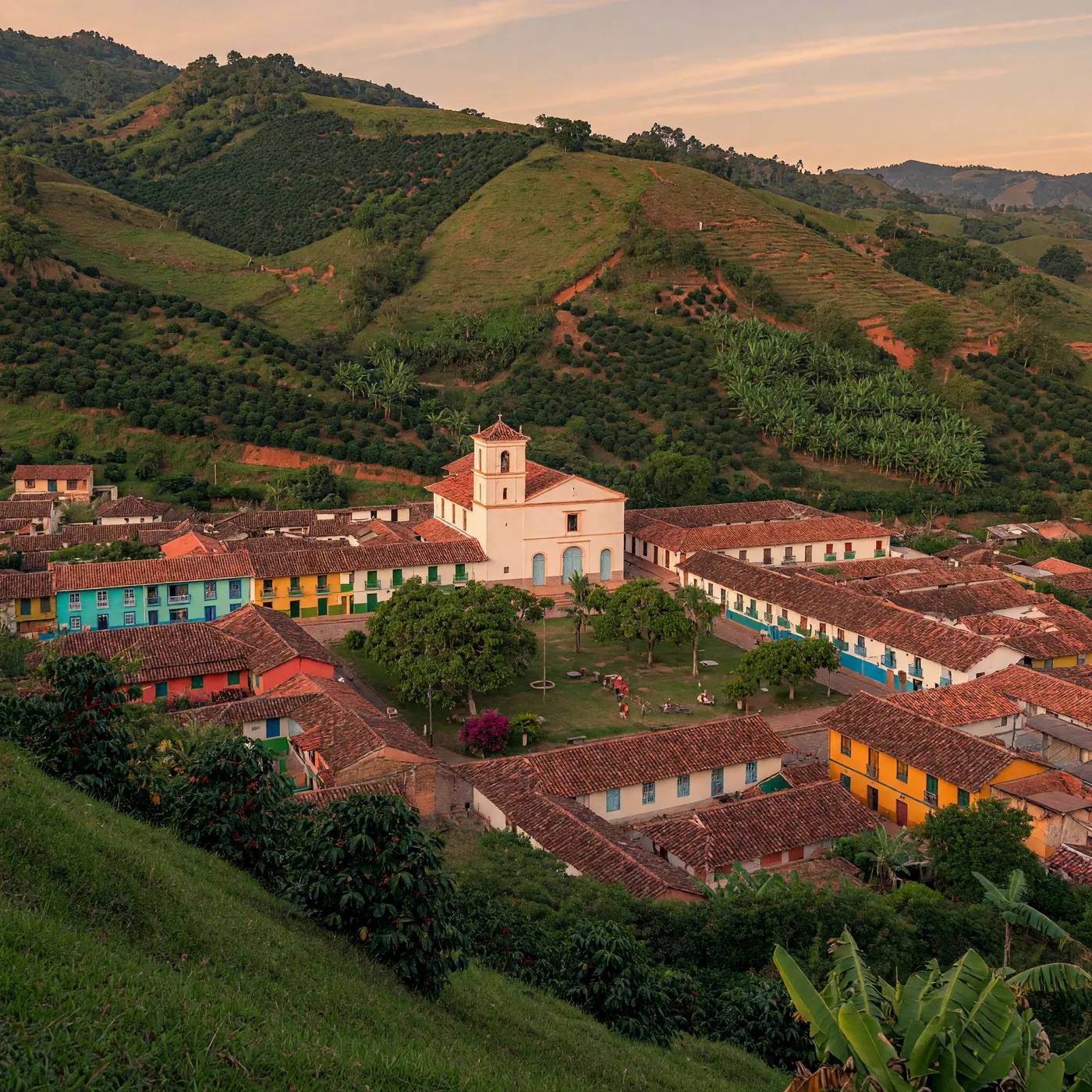
Filadelfia is a municipality in the northwest of Caldas, about 49 kilometers from Manizales, right in the middle of the coffee mountains. The town center is about 1,550 meters above sea level with an average temperature of 20°C—the perfect climate for coffee. It is a small town: about 11,800 inhabitants in the whole municipality, founded in 1840, with bahareque architecture, a historic ceiba tree in the plaza, and the Los Carrapas archaeological museum.
It is part of the Coffee Cultural Landscape, the region declared a World Heritage Site by UNESCO in 2011, and its tourist routes through Caldas. Its economy is rural: coffee and plantains above all, with sugarcane accounting for nearly half of local agricultural production, plus corn and livestock.
How to get there? From Manizales, take the northern Caldas road. From Medellín, it is about 3.5 to 4 hours: take the Cauca trunk road—the Pacifico Tres corridor connecting Medellín with the Coffee Axis—and in the La Felisa area, take the mountain road that goes up to the town. That is precisely why land here is still priced at rural rates rather than suburban ones.
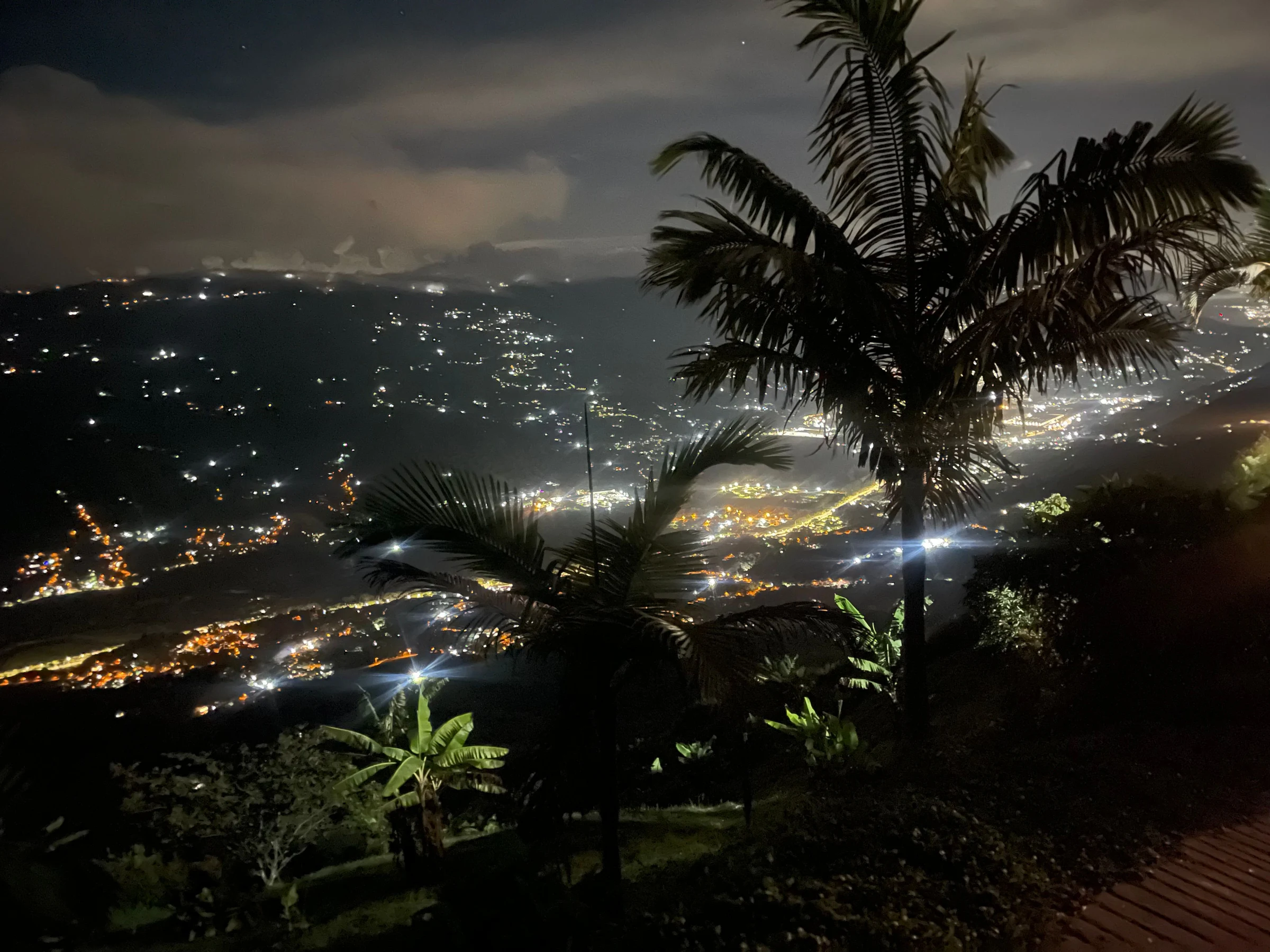
For the visitor, the plan is an authentic coffee town experience: the Cerro de las Cruces, 3 km from the town center, is the classic sunset lookout; there are crystal-clear streams like Despensas and Santa Rosa, the Llano Grande lake for fishing, and the Cauca river down in the canyon. Paragliding and rafting are practiced in the area. The version of Caldas that the big buses haven't discovered yet.
The highlighted farm: 5.5 hectares, 1 km from the main square
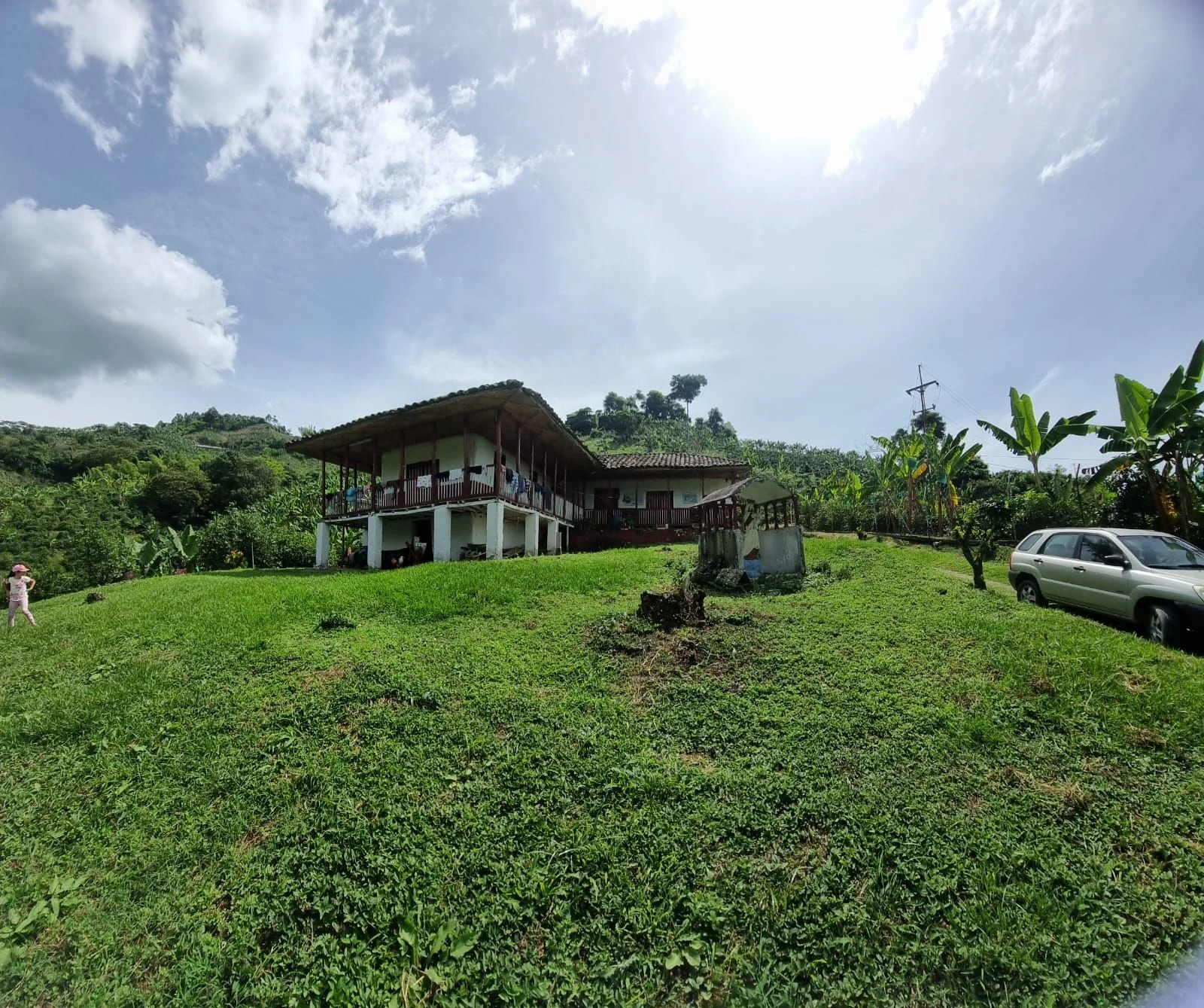
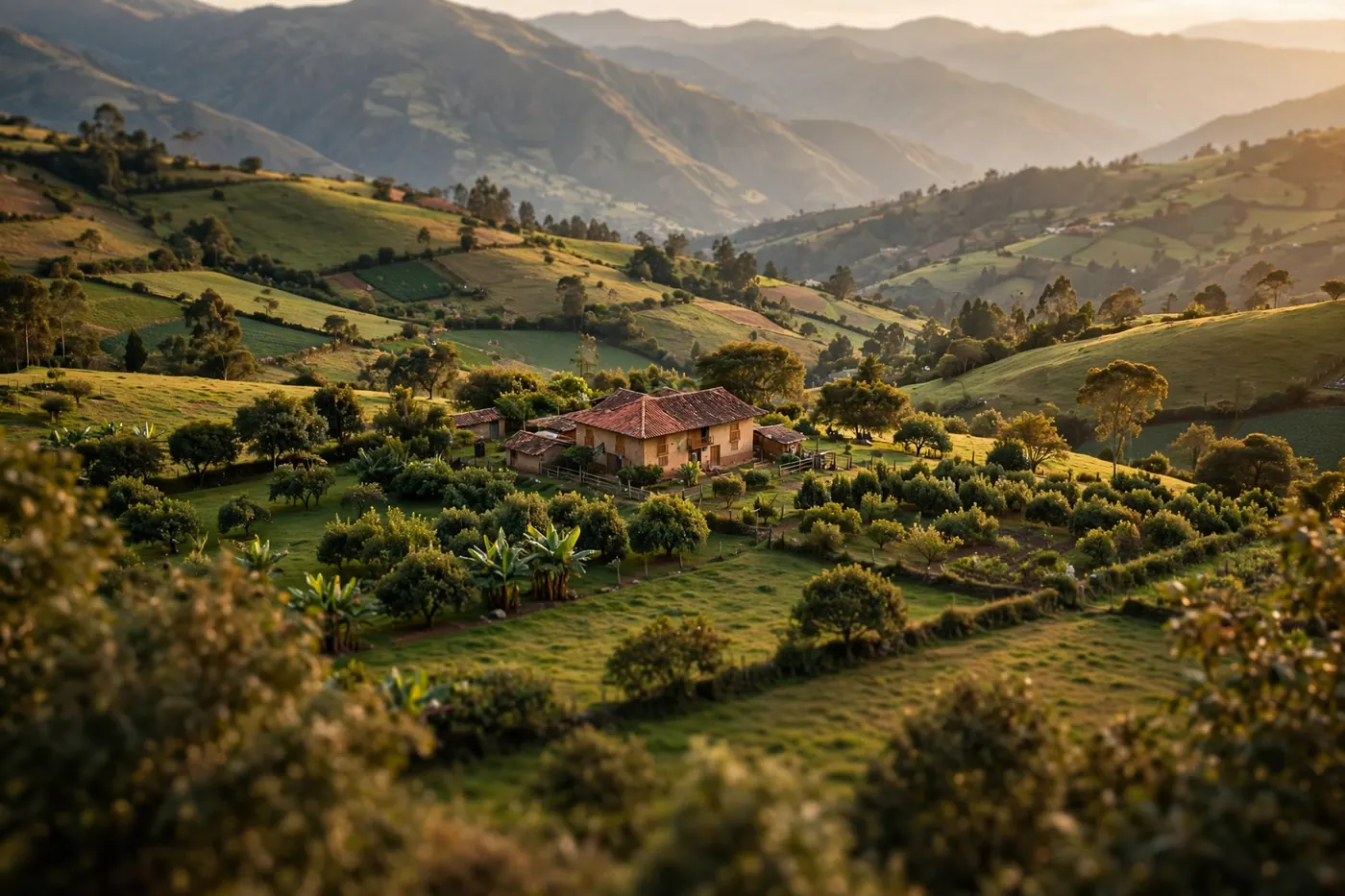
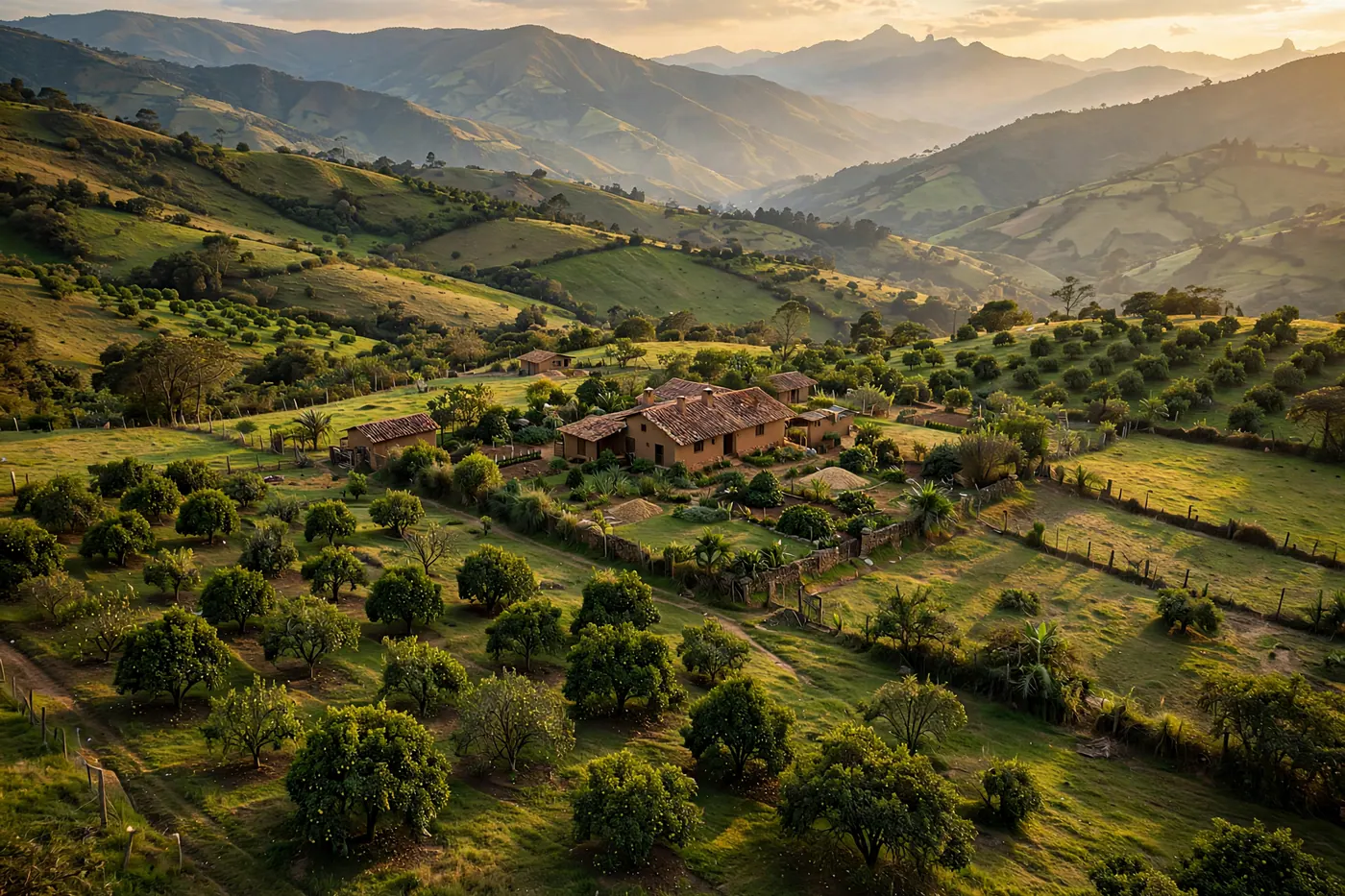
The first thing is the location, because that is what sets this farm apart from the typical offering: it is 1 kilometer from the main square of Filadelfia —about 5 minutes by car via an excellent condition secondary road, with entrance up to the property suitable for all types of vehicles. Having 5.5 productive hectares with the town just 5 minutes away is a combination that is scarce in the Coffee Axis: usually, you have to choose between land or proximity.
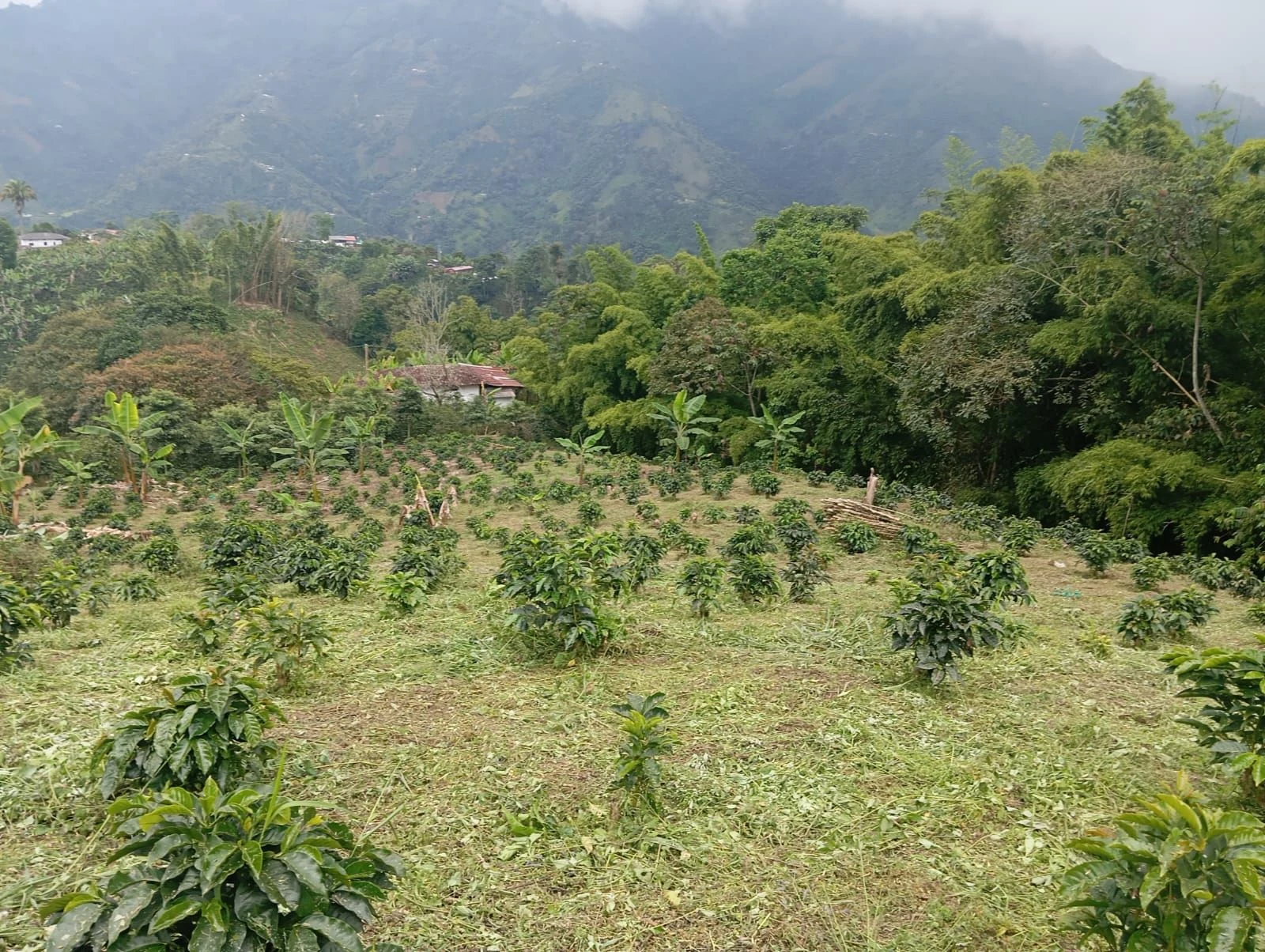
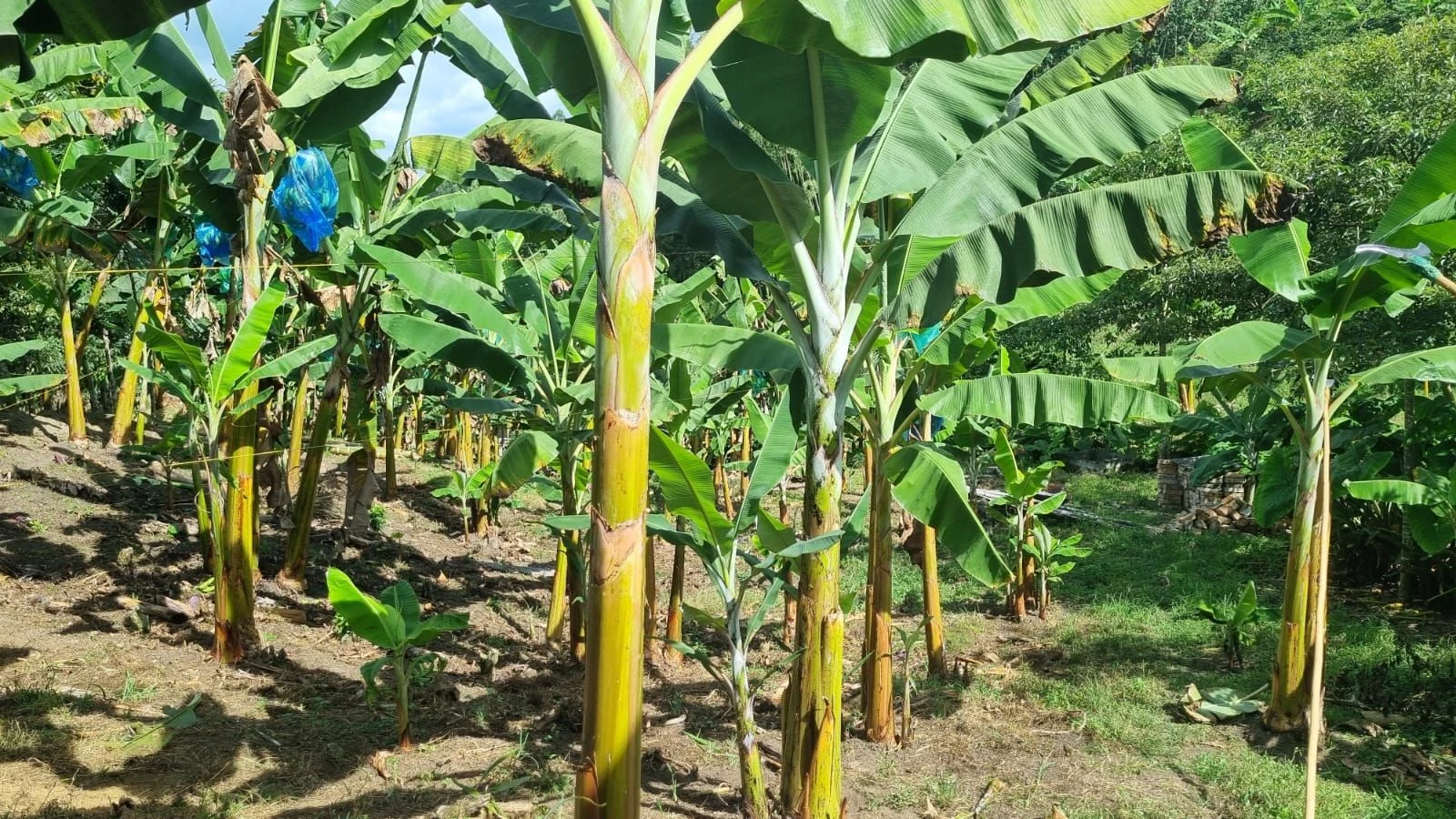
The land is the productive argument: fertile coffee mountain soil with coffee and plantain crops already established. You aren't starting from scratch—the farm is already producing and has the trade infrastructure mounted: processing facility and gas drying silo with an approximate capacity of one load (125 kg of dry parchment coffee). For a coffee grower, that means processing at home and not depending on someone else's dryers or the weather.
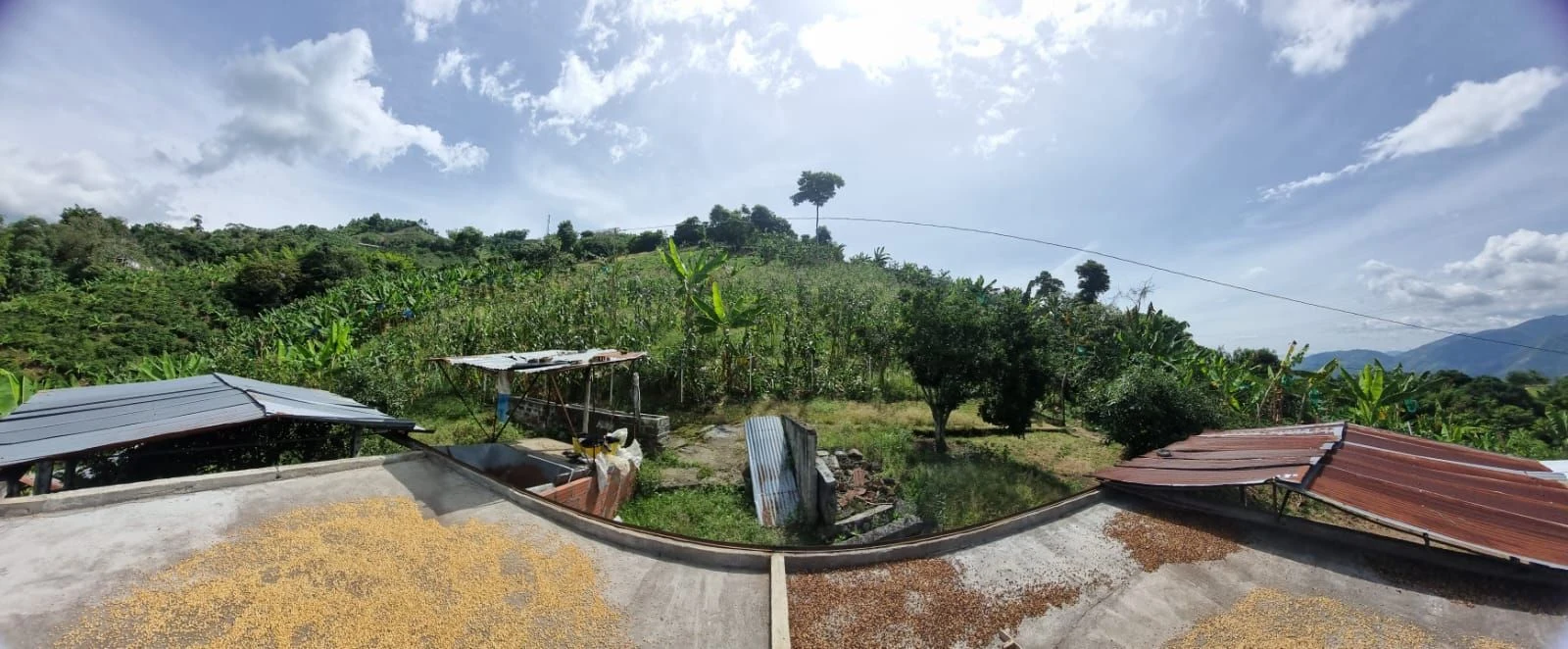
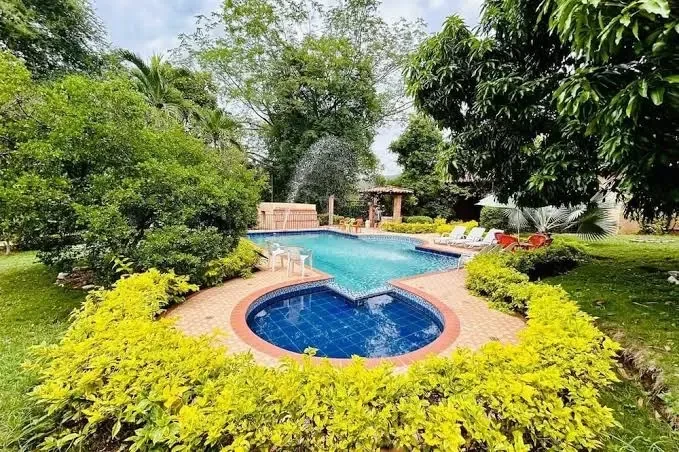
And then there is the water, which on a farm is the difference between a good business and a permanent headache. Here there is triple redundancy: municipal aqueduct, rural aqueduct, and private water spring, plus a 36,000-liter storage tank and a pond with a capacity for about 500 fish. Irrigation, house, and even fish farming are covered by mutually independent sources.
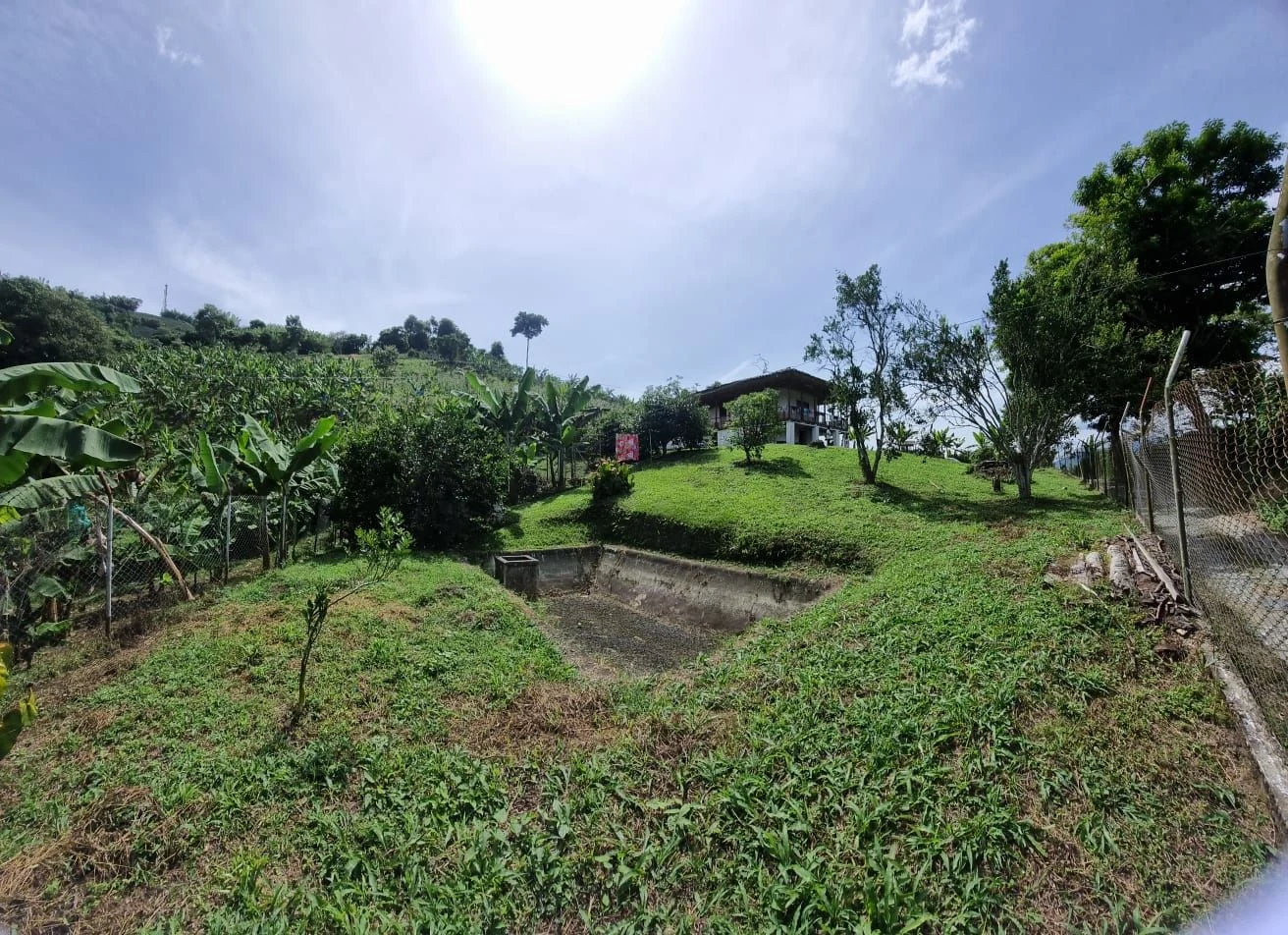
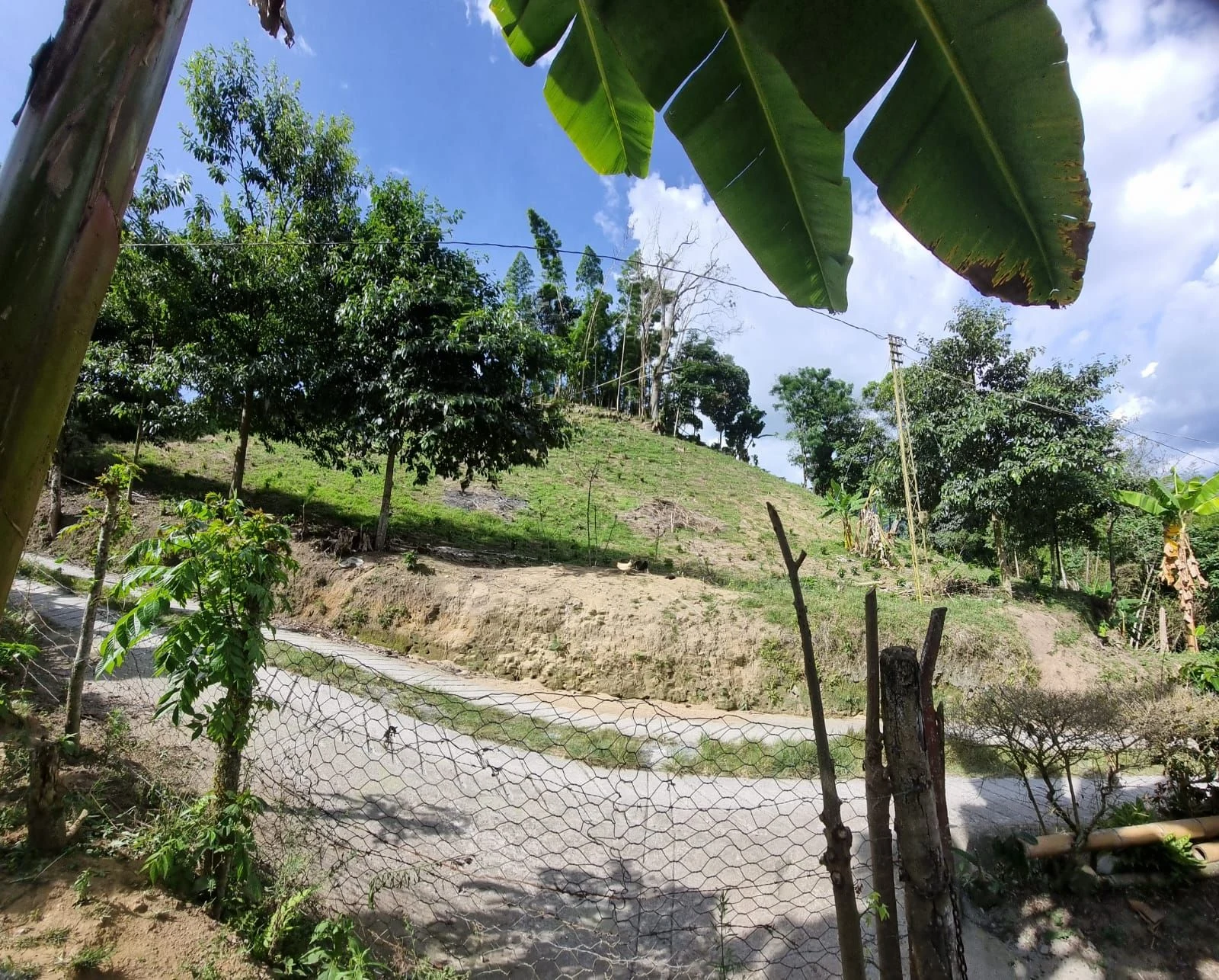
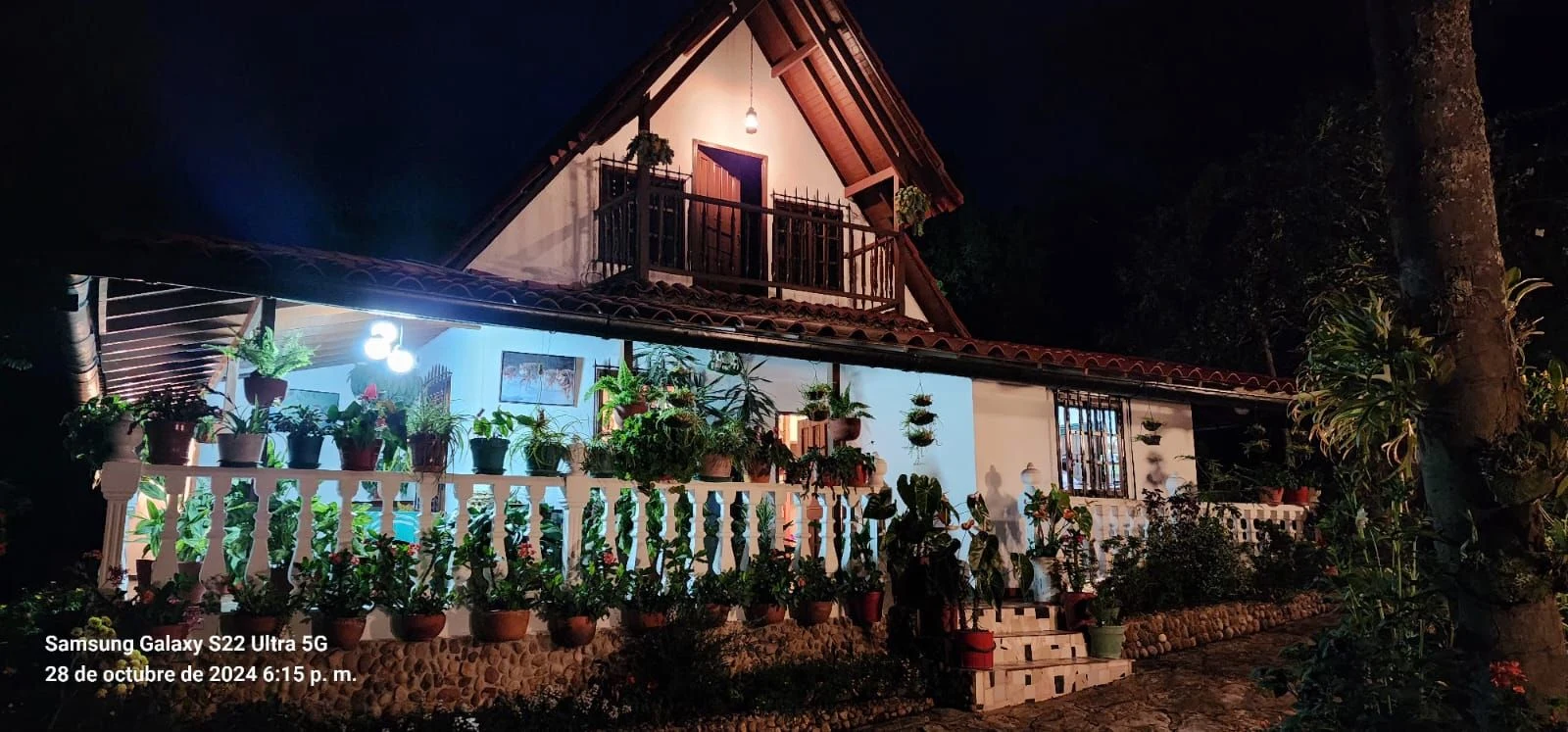
The dwelling is a traditional rural house—the kind with a balcony and hallway—with utilities, internet, and a security camera system. The boundaries are planted with native species of the Coffee Cultural Landscape. And access is resolved: paved tire tracks (placa huella) all the way to the entrance.
Is it a good price? Honest take
COP 1.1 billion for 5.5 hectares is COP 200 million per hectare (≈ USD 60,000/ha at the July 2026 exchange rate, ~COP 3,340 per dollar). If you are only looking for productive coffee land at the lowest cost per hectare, you can find cheaper in rural areas far from town centers; this price doesn't compete in that league.
What you are paying for here is a hard-to-replicate combination: 5.5 hectares 1 kilometer from the main square (land with urban expansion logic, not remote rural), three water sources with a reserve tank—the asset that weighs most on a farm—, functional coffee infrastructure, and optionality for use: produce, live, do agritourism, or, if the zoning allows, subdivide. As always: the price is negotiable with the owner, and a visit is what counts.
Featured this week
5.5-hectare farm with coffee, private water source, and processing plant — 5 minutes from Filadelfia
See all the photos in the listing and contact the owner directly. On Colombia Move, the contact is direct, with no commissions or intermediaries.
See full listing →Message via WhatsAppWho is this farm for?
The most obvious profile is the coffee farmer or agricultural investor: fertile land, active crops, a private processing plant, and guaranteed water — a turnkey coffee project 5 minutes from town. The second is for someone looking for country living with real land: living 5 minutes from the town square with internet, while the farm covers part of its own costs with coffee and plantains.
The third profile is the developer or land investor: the owner herself suggests the potential for subdivision or a gated community — 5.5 hectares attached to the urban area is the type of land where towns grow. Mind you: that thesis is worth exactly what the municipality's land use plan (POT) says and the densities allowed by Corpocaldas, so verify it before paying. And the fourth is agritourism: productive farm + authentic town + coffee routes is exactly the formula travelers looking for alternatives to crowded Salento are searching for.
Before buying a productive farm in Caldas
Buying a productive farm has more fine print than buying an apartment, and in Caldas — a land of small-scale coffee farms, natural springs, and rural aqueducts — due diligence has its own unique focus.
Before signing: the minimum checklist for a productive farm
- Certificate of Tradition and Freedom up to date (Supernotariado): registered owners, liens, irregular title history, and annotations.
- Property tax clearance and valid cadastral appraisal of the property.
- Land use in the municipal POT/EOT: if your thesis is subdivision or a gated community, confirm the allowed rural housing densities with the Mayor's office and Corpocaldas before paying for that expectation.
- Water, on paper: a private spring and rural aqueduct connection are worth more with their legal backing — a water concession from Corpocaldas and a certificate from the aqueduct board. De facto water access is not the same as the legal right to use it.
- Boundaries and easements: cross-check the area with the cadastre (the listing includes a GPS survey of the polygon; a surveyor confirms it) and verify access easements.
- State of the coffee plantations: age, variety, and planting density — these determine how much renovation you will need to do and when it will produce.
If you are just starting to look at farms, our beginner's guide to buying a farm in Colombia and our guide on how to sell a farm without a real estate agent will be useful if you are on the other side of the deal. If you are a foreigner: you have the same property rights as a Colombian, and a passport is enough to buy; the key step is channeling the money through the exchange market and registering the foreign investment with the Bank of the Republic, which protects repatriation when you sell.
Interested in this farm? See the full listing here. Looking for more options in the area? Explore the listings in Filadelfia and the farms for sale throughout Colombia.
Frequently asked questions
❓ Where is Filadelfia, Caldas?
In the northwest of Caldas, about 49 km from Manizales, at ~1,550 meters above sea level and an average temperature of 20°C. From Medellín, it is about 3.5–4 hours via the Cauca trunk road (La Felisa sector). It is part of the Coffee Cultural Landscape declared by UNESCO. You can see all the listings for the municipality at colombiamove.com/ciudad/filadelfia.
❓ How much does the farm cost and what does it include?
COP 1.1 billion, negotiable directly with the owner (≈ USD 330,000 at the exchange rate as of July 2026). It includes 5.5 hectares with established coffee and plantains, a processing plant and gas-powered drying silo, housing with utilities and internet, a 36,000-liter tank, a fish pond, and concrete-track access, 1 km from the main town square.
❓ What does it mean that the silo has a capacity of "one load"?
A "carga" is the traditional unit for Colombian coffee: 125 kg of dry parchment coffee. A gas-powered silo with that capacity allows you to dry the harvest on the farm itself without depending on the sun or third-party drying facilities — infrastructure that a small coffee grower usually has to pay for separately.
❓ Can it be subdivided or used for a gated community?
The location (1 km from the urban area, triple water access, existing road access) makes the thesis plausible, and the owner presents it among the possible uses. But subdivision depends on the land use in the Filadelfia POT/EOT and the rural housing densities allowed by Corpocaldas. Verify it at the Mayor's office before paying for that expectation: buy the farm for what it is today and treat the development potential as an option, not a certainty.
❓ Is it safe to buy a farm through an online classified?
Yes, with the usual verifications (valid as of 2026): deal directly with the owner, visit the property in person, and validate the certificate of tradition and freedom before handing over any money. Colombia Move moderates the listings and contact is direct, without intermediaries; never transfer advance payments without having visited the farm and reviewed the documents.
❓ Can a foreigner buy this farm?
Yes. Under the regulations current as of 2026, foreigners in Colombia have the same property rights as nationals and can buy with a passport, no visa required. The important part: bring the funds through the exchange market and register the investment with the Bank of the Republic to ensure repatriation when you sell.
❓ How do I contact the owner?
Directly and without intermediaries: open the listing on Colombia Move to see the 12 photos and message her via WhatsApp. Contacting through Colombia Move is free and commission-free, and the listing shows the approximate location on the map.
Comments
Loading comments...
Checking sign-in status...