
How to avoid scams when exchanging currency and transferring money in Colombia
A practical guide with steps and verification checklists for your banking app to avoid fraud in wire transfers, money transfers, and currency exchange in Colombia.
IDIOMA DEL ARTÍCULO
Showing original language
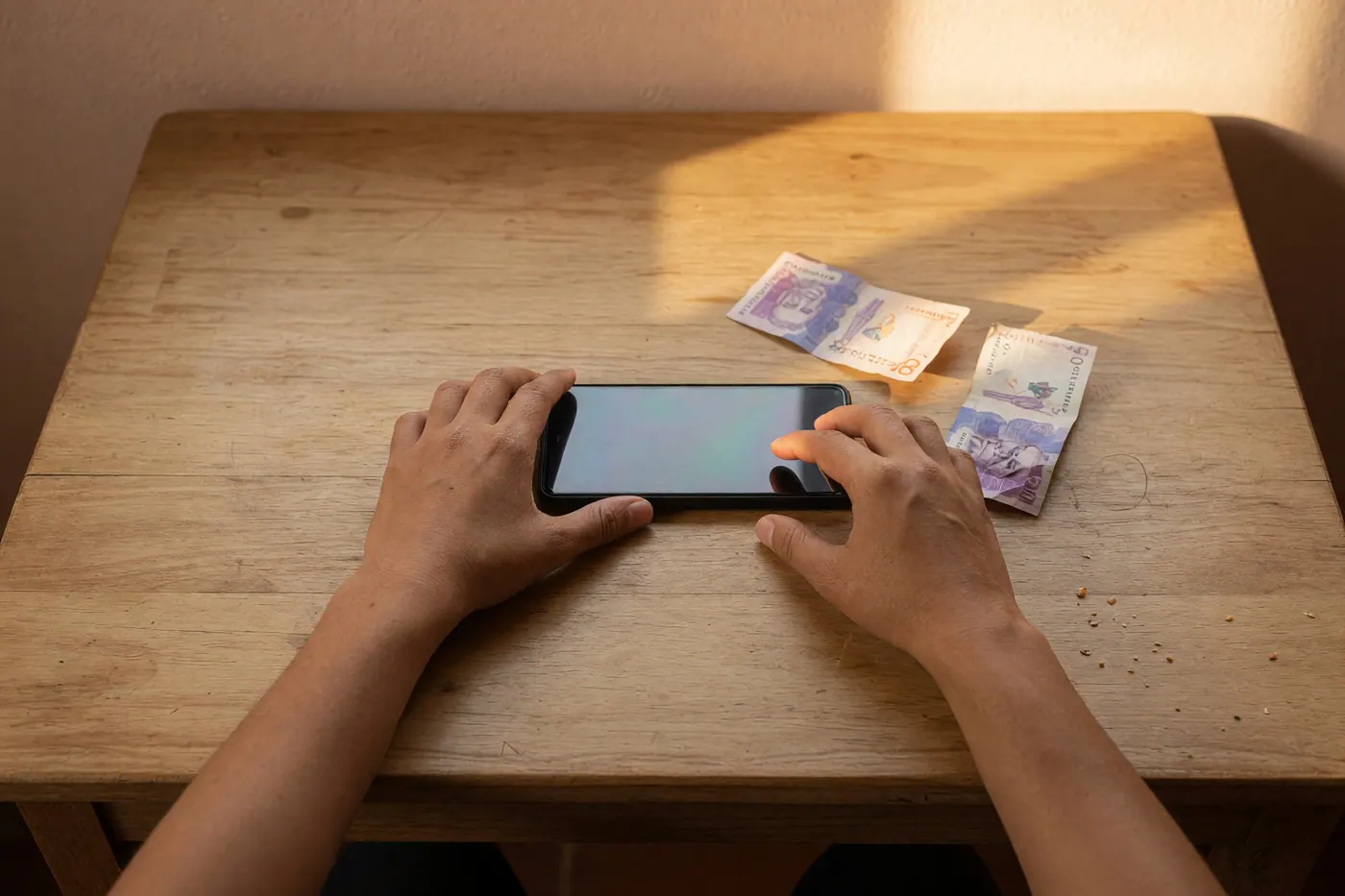
When receiving an international transfer, buying dollars for a trip, or trading currency between individuals in Colombia, the golden rule is simple: never hand over cash, goods, or currency based on an image, SMS, or email sent by the other party. Verify the deposit directly within your own banking app or official statement.
Below, we share a practical guide with red flags, verification checklists, and official channels for conducting operations more safely.
1. The three most common types of fraud involving currency and payments
To avoid falling for scams, the first step is to recognize how scammers operate in digital and in-person environments:
- The fake receipt or screenshot: The buyer sends a manipulated image of a bank transfer or wire, claiming the money "has already been sent" but takes a few hours to show up. They pressure you to hand over the currency or the product immediately.
- Account triangulation: The scammer tricks a third party into depositing money into your bank account. You believe you are receiving the agreed-upon payment for your dollars, but you are actually receiving funds from another victim.
- Promises of fixed profits in Forex or cryptocurrencies: Unauthorized schemes that promise guaranteed, "risk-free" returns when investing in foreign currency or international markets.
2. How does legal currency exchange work in Colombia?
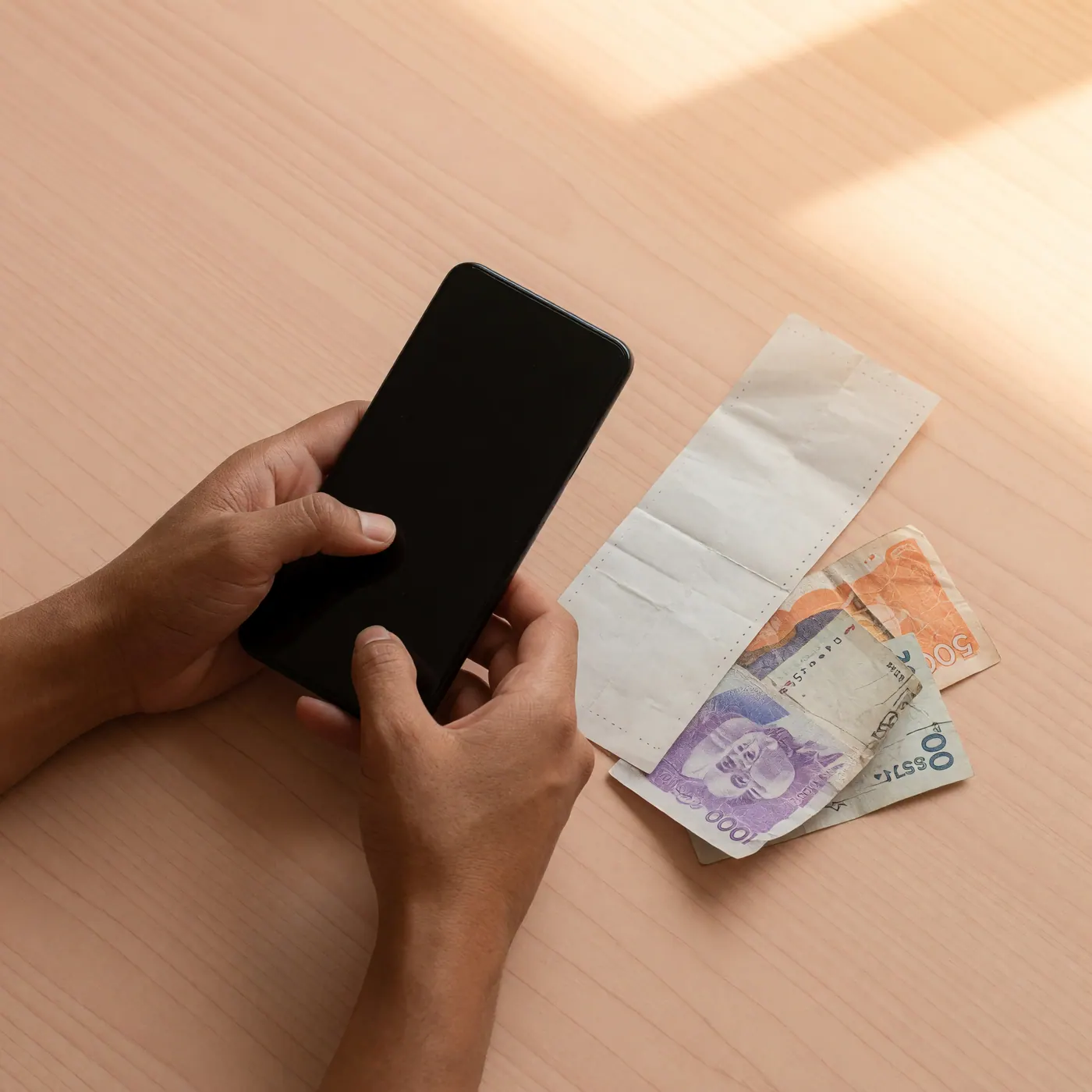
In Colombia, the Market Representative Rate (TRM) is certified by the Financial Superintendence of Colombia (SFC) and serves as a reference rate for the economy, but it is not a fixed or mandatory rate for direct contracts between private parties. Parties may freely agree upon the buy or sell rate for their transactions.
To exchange cash or conduct wire transfers with peace of mind, it is essential to use authorized foreign exchange market intermediaries. The Financial Superintendence of Colombia publishes query information on registered currency exchange houses and average rates reported by operators. Furthermore, the SFC expressly warns that no natural person is authorized to promote Forex services to residents in the country, so informal offers via chat should be treated with extreme caution.
3. Security checklist for verifying bank transfers
If you are going to receive a transfer in pesos or digital currency for a sale, always follow this protocol before releasing the product or cash:
- Verify your own banking app: Log in directly from your phone or computer to your bank's official app. Confirm that the available balance has increased, not just the pending or held balance.
- Validate the account holder's name: For transfers such as saved contacts or previous enrollments, confirm that the amount and the destination name on your screen match exactly with the person you are negotiating with.
- Be wary of emails and SMS: Do not click on links received via text or email about "held payments." Do not provide passwords or confirmations through external links.
- Do not deliver under pressure: If the other person insists they are in a rush or uses intimidation tactics, cancel the operation.
4. What to do if you detect or are a victim of financial fraud
If you discover that you received a fraudulent payment or were deceived during a currency transaction, act quickly:
First, contact your bank's customer service line immediately to report the situation and protect your financial products. For more context on how banks manage preventive measures on accounts, you can check our guide on seizures and limits on bank accounts.
Second, gather all available evidence: screenshots of conversations, phone numbers, recipient account data, and receipts. With this material, file a formal complaint with the Office of the Attorney General of the Nation through its virtual platform 'Denuncia Fácil,' or by calling 122 from your cell phone (or 01 8000 9197 48 from a landline). You can also request guidance on cybercrime from the National Police CAI Virtual. These channels were checked on August 23, 2026.
Frequently Asked Questions
❓ How do I know if a bank transfer receipt is real?
Confirm it by logging into your own bank app and checking that the money appears credited in the available balance. Never rely solely on screenshots, emails, or text messages sent by the buyer.
❓ Is it safe to exchange dollars or currency via WhatsApp or social media?
It is riskier than using verifiable channels. Exchanges between individuals via informal chats can expose you to counterfeit bills, account triangulation, or theft; verify the operator and the conditions before handing over money.
❓ Is the TRM the mandatory rate for buying or selling dollars?
No, the TRM certified by the Financial Superintendence serves as a reference rate for the market, but individuals and entities can agree on the buy and sell rate in their transactions.
❓ How can I verify if a currency exchange house is legal in Colombia?
Check the official information published by the Financial Superintendence of Colombia and avoid operators without clear identification or terms. This information was reviewed on August 23, 2026.
❓ What should I do if I delivered a product and the payment receipt was fake?
Contact your bank immediately to report the incident, keep all conversations and the other person's details as proof, and file a formal complaint with the Attorney General's Office through their official channels.
❓ Can money from a scam transfer be recovered?
There is no guarantee of automatic recovery. It depends on the channel, reporting times, and the response from the bank and authorities in each case.




Comments
Loading comments...
Checking sign-in status...