
Water and Power Backup for Colombia Apartments and Fincas
A practical guide to water tanks, pumps and backup power in Colombia: what the rules say, what Ley 675 limits, and which utility to check before you buy anything.
IDIOMA DEL ARTÍCULO
Showing original language
The first time the water went off in a Medellín apartment building I know of, half the floor discovered at 9 p.m. that nobody had a single clean bucket. Hardware would have helped, but so would a phone call. This guide is about the hardware: tanks, pumps and backup power. For what to do on the night of a cut, use our guide to handling water and internet outages in Colombian apartments.
One warning up front: I would not buy anything until you know who supplies you and what the rules say about your building. Plenty of readers spend money on gear their administration will not let them install.
Confirm the cut before you buy hardware
Interruptions are local and operator-specific. In Medellín, water and power lookups run through EPM. In Bogotá and Cundinamarca, power maintenance is checked on Enel's programmed-works map. Do not swap them. A finca follows whichever company bills that meter.
EPM's interruption hub lists programmed water, power and gas cuts by barrio or municipality. Use the contract number on your bill, because some barrios sit on more than one circuit. You can also write to Ema, EPM's WhatsApp assistant, at +57 302 300 0115, or call 604 44 44 115. Unplanned damage is not announced in advance, so a quiet schedule does not guarantee a quiet night.
Enel says its map for Bogotá and Cundinamarca refreshes about every 30 minutes, and you can search by zone or client number. Treat that as the operator's own statement, and check the live page.
A dated example from Medellín
On 28 August 2026, EPM announced night aqueduct cuts every other day on 10 circuits in northeastern and central-eastern Medellín fed by Piedras Blancas. The first window was 6:00 p.m. to 5:00 a.m., initially for September. EPM also said the days, hours and circuit list could continue, change, shrink or end, and that El Niño had not been officially declared at that point. A 4 October 2026 news report still described alternating night cuts, with a later window. Treat both as snapshots, not a rule. The live EPM page wins.
If a suspension looks unjustified rather than programmed, our guide to a Superservicios complaint over an unjustified water, power or gas cut covers the next step.
What an apartment can actually store
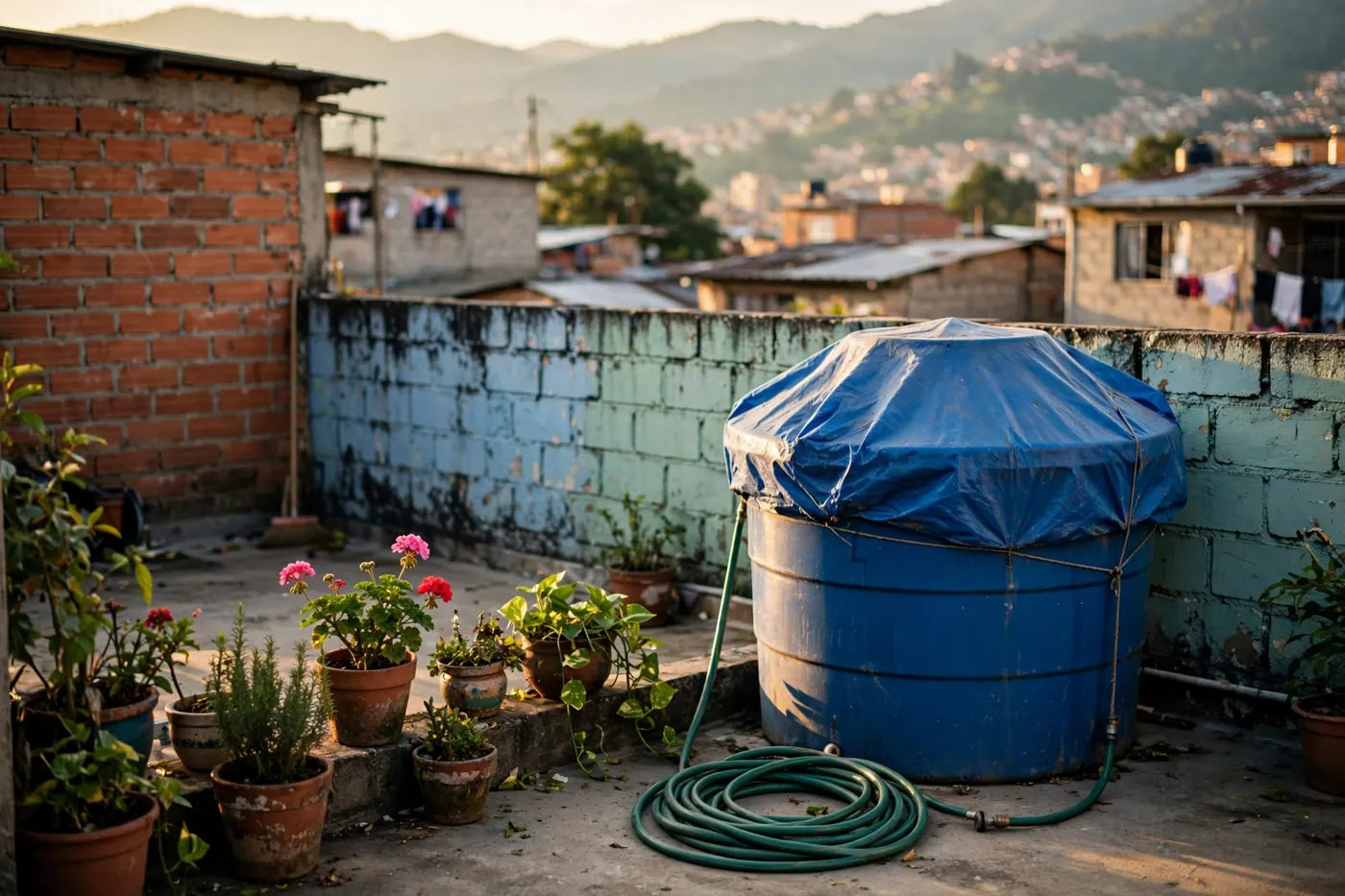
Many buildings already have a common tank, often on the roof or underground. Ask your administration before you assume you need your own. Decreto 302 de 2000 says a storage tank is a condition for a new connection only when the utility justifies it for local technical reasons, and the tank must have fittings that limit waste and contamination. A 2013 CRA concept also says the NTC 1500 line that every building needs a reserve tank is not mandatory by itself. So no, you are not legally obliged to buy a bladder tank for your flat.
Inside the unit, a small covered reserve is usually enough: clean, lidded containers sized for what you really need during a cut. EPM's own advice in its August bulletin was to store only the drinking water needed for the interruption, in clean covered containers, and it said stored drinking water keeps its quality for about 24 hours. Read that as operator guidance, not a lab expiry date. Fill fresh and rotate.
Who keeps the water clean
The utility is responsible for drinking-water quality up to the service connection. After that, the indoor tank and pipes are the household's or the copropiedad's sanitary job. Under Decreto 1575 de 2007, users must wash and disinfect drinking-water tanks and internal pipes at least every six months, and managers of residential complexes carry the same minimum duty. Honest downside: nobody enforces this in most buildings, so ask for the date of the last cleaning before you drink from a rooftop tank. If nobody can tell you, I would not.
Pumps without stealing pressure from the riser
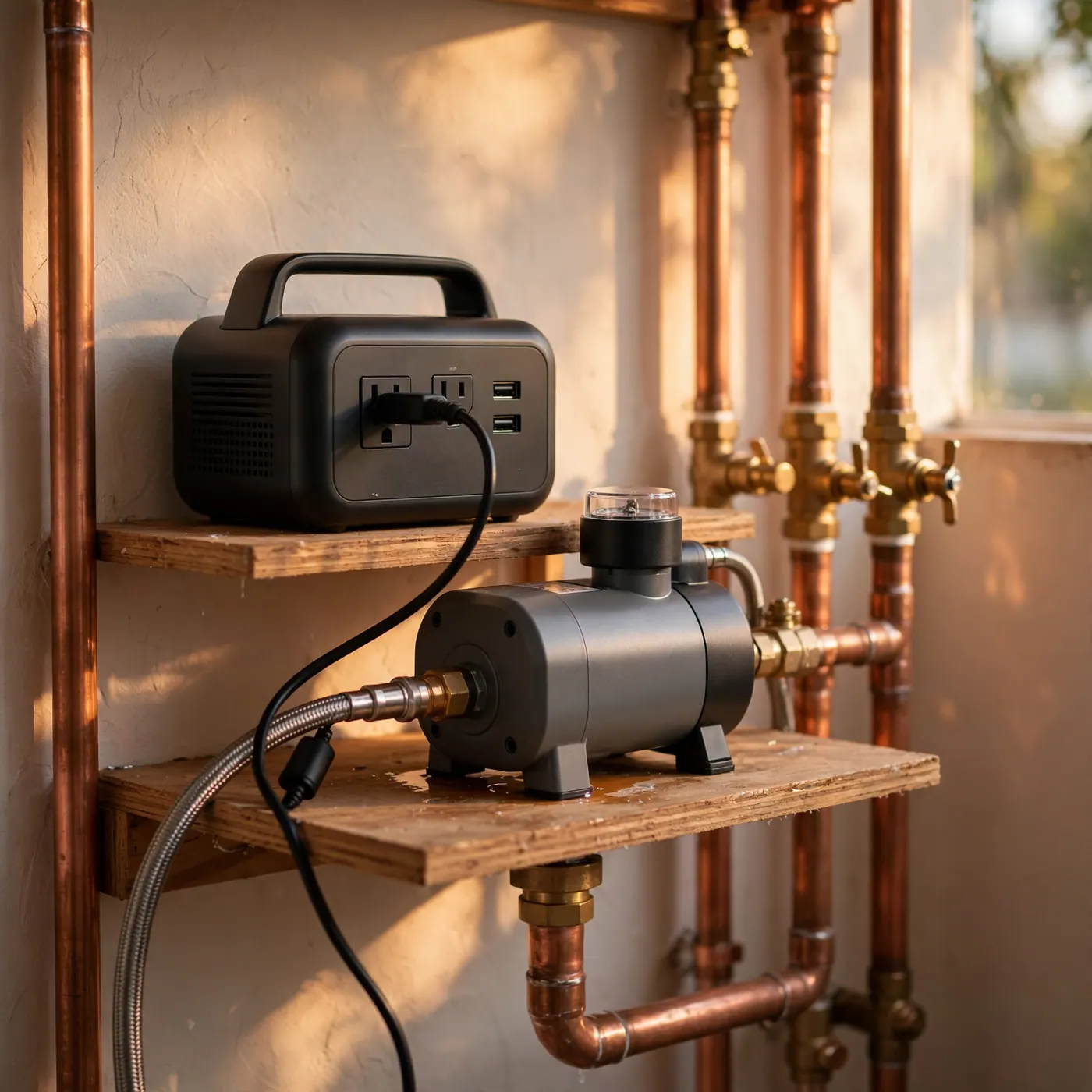
Buildings of three or more floors must have systems for efficient use of water and sewer service under Decreto 302. A 2013 CRA concept reads that as internal storage plus pumping, and cites older guidance against pumping straight off the public main. The practical takeaway: a pump should draw from a tank, not from the street line.
Booster or hydropneumatic sets that serve the whole building are usually common property, and a CRA concept applying Ley 675 treats their upkeep as a shared necessary expense. Your reglamento decides whether a given tank or pump is common, so read it. If a pump is noisy, sluggish or failing, that is a conversation with the administration, not a weekend project.
A small plug-in pump inside your own unit, feeding your own container, is a different matter from tapping a riser. Do not cut into shared pipes, terraces or façades to fit one.
Ley 675 limits for renters and owners
In a horizontal-property building, general utility installations, structure, façades and roofs are essential common property. A private owner must not do work that compromises the building's safety or solidity, and must repair service pipes inside the unit when neglect could harm the building.
Two specifics matter for tank plans. The top-floor owner cannot add floors or new construction, and the ground-floor owner cannot excavate or add basements that hurt structural solidity, without assembly authorization and the applicable planning rules. In plain terms, you cannot put a heavy tank on a roof slab or drill through a façade on your own. Renters should assume every fixed change needs the landlord and the administration to agree in writing.
Backup power by job, not by brand
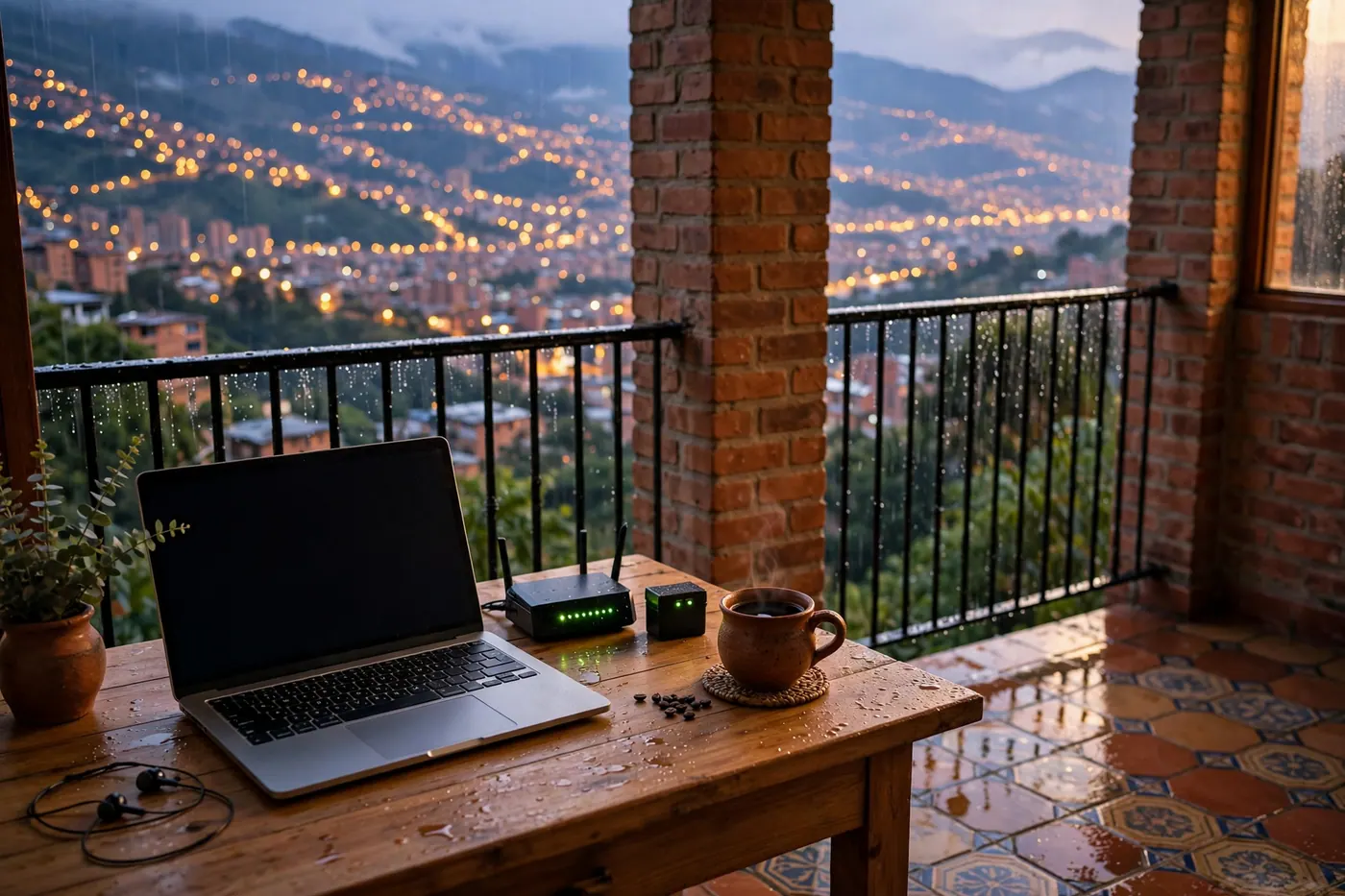
Start with the load. For most remote workers it is a router, a laptop and a phone, not the whole apartment. A UPS or a plug-in battery unit covers that. If connectivity is your real worry, pair it with a sensible provider; our guide to fiber internet for remote workers helps there.
RETIE, the national electrical regulation, treats generator sets, battery banks, UPS units and a spare circuit as backup sources for when normal supply fails. Generators of 1 kW or more, generator sets up to 1,000 kW, and UPS units fall inside its product scope. Grid-injection inverters are a separate controlled class, so a resident should not assume one can simply be plugged in.
The line I will not cross in this article: anything tied into your panel is an electrical installation. It needs a qualified electrician and your building's approval. I am not giving wiring steps, and nobody should improvise a connection that can backfeed a breaker panel, because it can endanger utility workers. If you use a combustion generator at all, keep it outdoors, far from windows and doors, and never in a closed terrace.
I would skip a whole-apartment battery plan unless an electrician has assessed your actual loads. A portable power station is a plug-in backup for a few devices, and I would not promise more than that.
Fincas: longer cuts, same rules
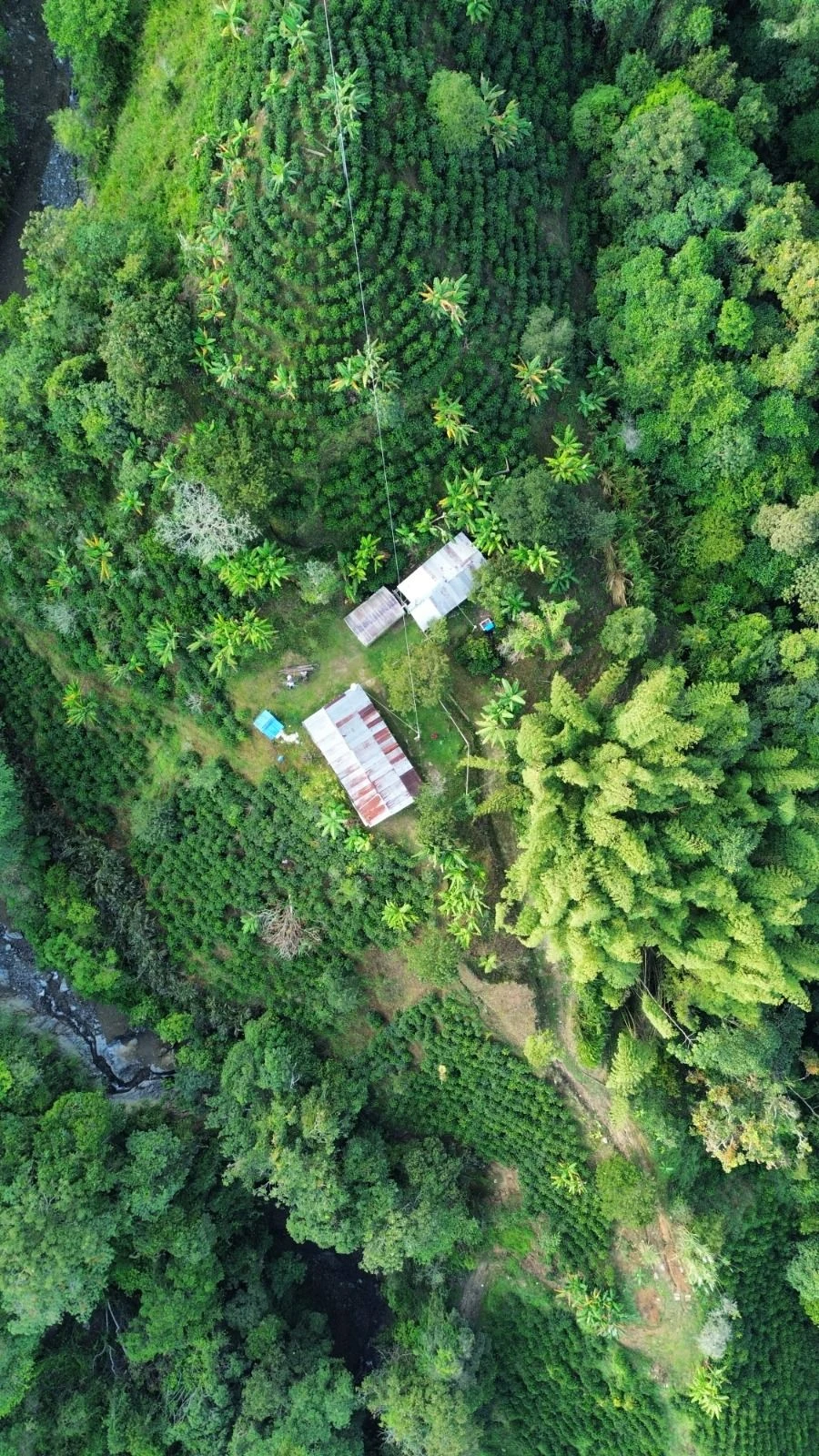
Rural properties change the hardware, not the rule. You usually have more roof area, more room for storage and fewer neighbors to negotiate with, but cuts can last longer and repairs take longer to arrive. Your supplier is whoever bills that meter, so check their interruption tools rather than assuming a city schedule applies. Keep stored drinking water covered and cleaned on the same six-month rhythm, and treat any fixed electrical backup as work for a qualified person.
If you are still choosing a property, you can browse rural properties in the finca category and ask each seller how water and power are supplied before you visit.
Frequently Asked Questions
❓ Were the Medellín night water cuts still a fixed 6:00 p.m. schedule in October 2026?
No permanent clock is safe to memorize. EPM's 28 August 2026 bulletin set 6:00 p.m. to 5:00 a.m. and said hours could change, and early October news described a later night window. Check your contract number on EPM's interruption page for the current timetable (verify with the official source, as accessed).
❓ Does every apartment have to install its own reserve tank?
No. Under Decreto 302 de 2000, a tank is a connection condition only when the utility justifies it for local technical reasons, and many buildings already store water in a common tank. NTC 1500 is not mandatory by itself. Ask your administration what already exists (verify with the official source, as accessed).
❓ How often does a drinking-water tank have to be washed?
At least every six months. Decreto 1575 de 2007 sets that minimum for household tanks and internal pipes, and managers of residential complexes carry the same duty. Ask for the date of the last cleaning before drinking from any shared tank (verify with the official source, as accessed).
❓ Can I hang a pump on the building riser or put a tank on the roof?
Not as a private alteration. Risers, structure, façades and roofs are essential common property under Ley 675 de 2001, and roof or structural changes need assembly approval and planning rules. Ask the administration and check the reglamento first (verify with the official source, as accessed).
❓ Will a portable power station run the whole apartment?
Treat it as a plug-in backup for a few devices, such as a router and laptop. Anything tied into the panel is an electrical installation under RETIE and needs a qualified electrician plus building approval. Never connect a generator or inverter to household circuits yourself (verify with the official source, as accessed).
❓ Who do I call for Medellín versus Bogotá?
For Medellín water and power interruptions, use EPM's interruption page, Ema on WhatsApp or 604 44 44 115. For Bogotá and Cundinamarca power, use Enel's programmed-works map. Do not swap them, and use your bill's contract or client number (verify with the official source, as accessed).
❓ Is water from the rooftop tank automatically safe to drink?
No. The utility answers for quality up to the service connection, but after that the indoor or common tank must be kept sanitary, with washing and disinfection at least every six months. Ask for cleaning records before you drink from it (verify with the official source, as accessed).
Comments
Loading comments...
Checking sign-in status...