
What to Do in a Medical Emergency in Colombia: Ambulance, ER Triage & Private Clinics (Santa Fe, HPTU, Imbanaco)
Facing a sudden health crisis in Colombia can be intimidating. Here is the verified protocol for calling 123, understanding the national 5-tier ER triage system, your legal rights under Ley 1751, and navigating private clinic admissions.
IDIOMA DEL ARTÍCULO
Showing original language
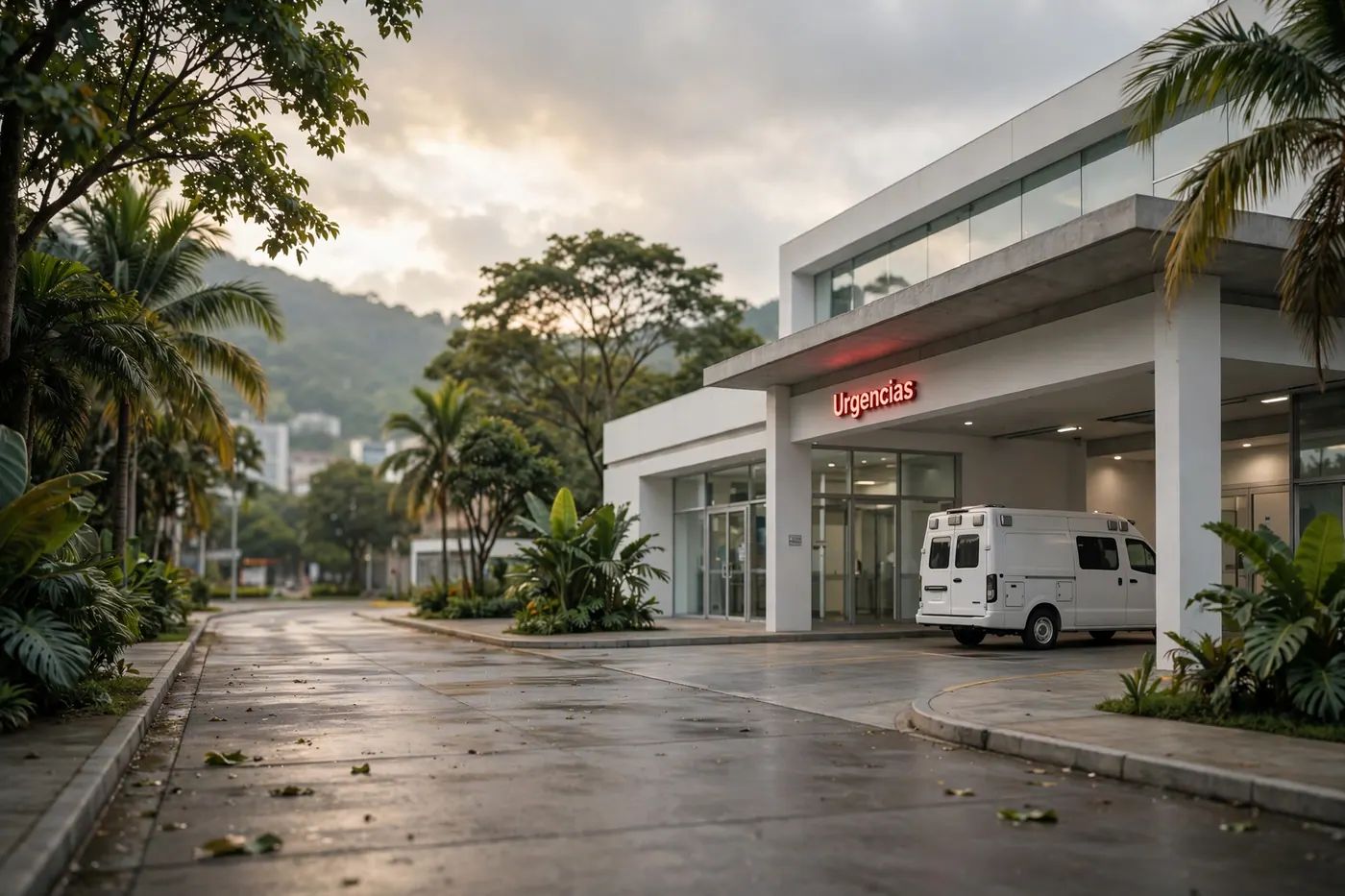
Quick Answer: In an acute, life-threatening emergency in Colombia, dial 123 to reach the unified municipal emergency dispatch center (NUSE/CRUE) for a public ambulance. Under Colombian law (Ley Estatutaria 1751 de 2015, Article 14), all public and private hospitals (IPS) are legally obligated to provide immediate emergency stabilization (atención inicial de urgencias) without demanding upfront payments, insurance verification, or prior administrative authorizations. However, for conscious patients without spinal trauma, taking a taxi or ride-share directly to a premier private hospital ER is almost always significantly faster than waiting for ambulance dispatch through metropolitan traffic.
A severe medical crisis in a foreign country tests your nerves immediately. Whether it is sudden acute chest pain in Medellín, severe foodborne dehydration in Cali, or a high-speed road collision in Bogotá, knowing precisely how Colombian emergency rooms operate before you find yourself in the back of a cab will save you hours of panic and prevent costly administrative missteps.
Colombia has internationally accredited teaching hospitals and English-proficient specialists. Public and private ER intake still differ, because national triage rules and billing frameworks are rigid.
The Immediate First Steps: Calling 123 vs. Private Transport
In Colombia, dialing 123 from any landline or unlocked mobile phone connects directly to the integrated emergency dispatch center known as NUSE.
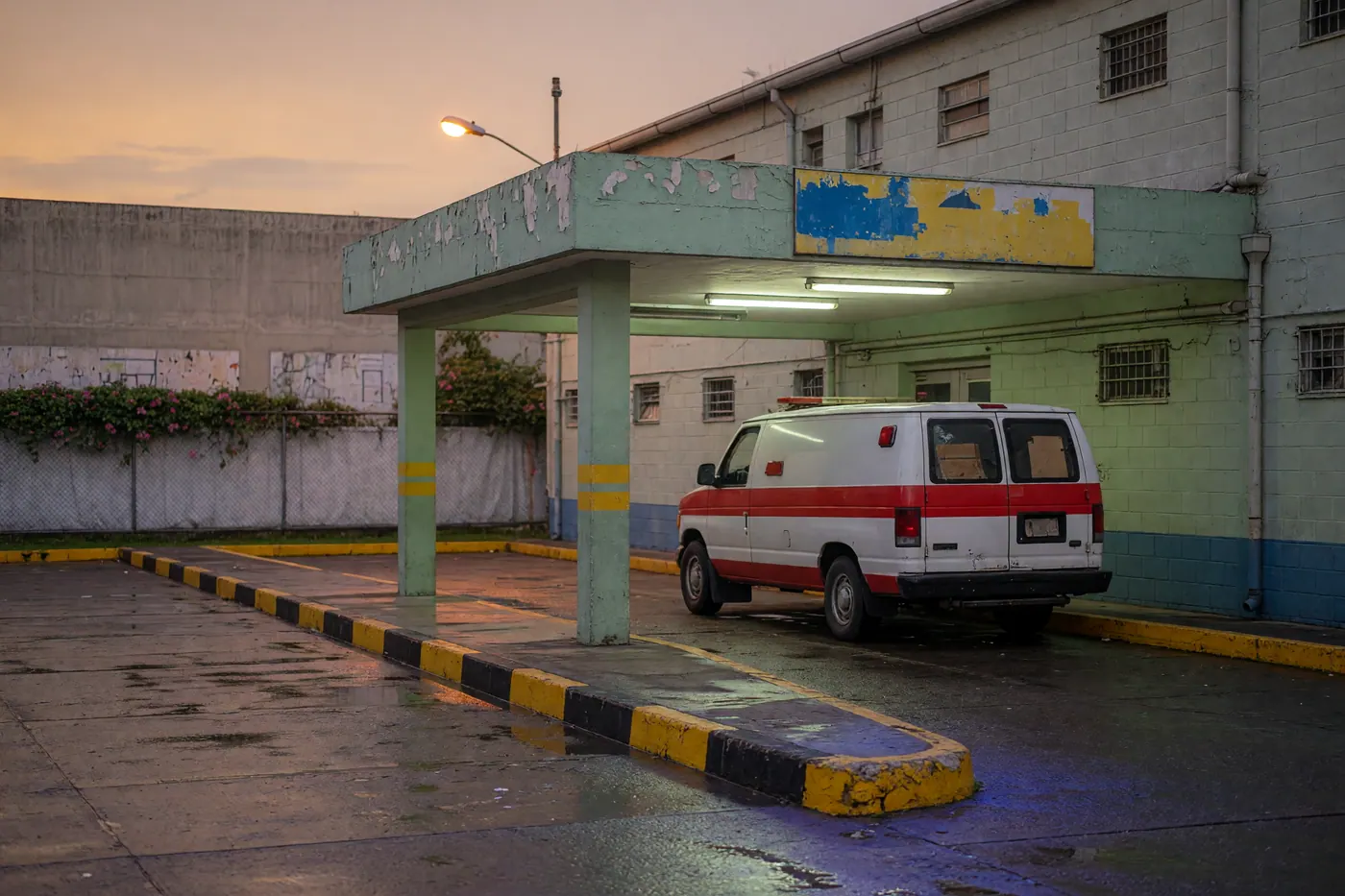
The 123 system unifies the national police, fire rescue (Bomberos), and the public medical regulatory dispatch known as CRUE (Centro Regulador de Urgencias y Emergencias). CRUE coordinates public basic and advanced life-support ambulances at no cost to the caller, but those units are often already committed in dense metropolitan areas.
- When to call 123: Unconscious patients, severe motor vehicle collisions requiring physical extrication, major penetrating trauma, suspected severe spinal injuries, or acute respiratory arrest. For dispatch coordination, review our Colombia emergency number 123 official guide.
- When to hail a cab or app ride: For conscious patients suffering from severe abdominal pain, broken extremities, high fevers, deep lacerations with controlled bleeding, or acute cardiac symptoms where the patient can sit upright. In congested corridors during rush hour (hora pico), an ambulance can take anywhere from 25 to 60 minutes to reach you. An authorized taxi or ride-share will consistently deliver you to the nearest private hospital emergency entrance far faster.
Longer-term residents often keep a private pre-hospital plan with Emermédica, EMI, or Coomeva Emergencia Médica. Those plans can send a home doctor for subacute problems or a staffed private mobile intensive care unit (ambulancia medicalizada) to your address.
Understanding Colombia’s 5-Tier ER Triage System (Resolución 5596 de 2015)
Colombian ERs (Urgencias) do not treat arrivals first-come, first-served. Under Resolución 5596 de 2015 from the Ministerio de Salud y Protección Social, every certified IPS must classify incoming patients with a five-level triage protocol.

Within minutes of your arrival, a triage nurse assesses your vital signs (blood pressure, heart rate, oxygen saturation, temperature, and mental status) and assigns an official triage classification number:
| Triage Level | Clinical Severity | Statutory Target Evaluation Time |
|---|---|---|
| Triage I (Rojo) | Imminent risk of loss of life or limb. Requires immediate, zero-delay resuscitation (e.g., cardiac arrest, major hemorrhaging, airway collapse). | Immediate (0 minutes) |
| Triage II (Naranja) | High risk of clinical deterioration, severe pain, or rapidly escalating vital threat (e.g., suspected stroke, severe chest pain, severe asthma crisis). | Within 30 minutes |
| Triage III (Amarillo) | Hemodynamically stable condition requiring in-depth diagnostic testing, IV fluids, or specialty evaluation to rule out progression. | Targeted within 1 to 2 hours (can extend up to 4–6 hours in crowded hospitals) |
| Triage IV (Verde) | Subacute or minor medical problems presenting no vital threat, but causing discomfort (e.g., mild sprains, moderate diarrhea, uncomplicated earaches). | Deferred / Redirection to priority outpatient care (often 4 to 8 hours wait) |
| Triage V (Azul) | Chronic, non-acute conditions, routine prescription renewals, or long-standing minor symptoms without progression. | Redirected to routine outpatient consultation (no ER priority) |
The usual foreigner mistake is walking in with a cold, mild sprain, or moderate stomach upset and expecting immediate bedside care. Triage IV or V means you wait behind every cardiac, respiratory, and surgical case. For non-vital problems, a private walk-in priority clinic (consulta prioritaria) or an urgent teleconsult is faster.
Your Legal Rights in an Emergency: Ley Estatutaria 1751 de 2015
Under Ley Estatutaria de Salud 1751 de 2015 (Article 14), healthcare providers across the national territory may not deny emergency medical care (atención inicial de urgencias).
Specifically, the statute explicitly outlaws:
- Demanding advance payments or cash deposits before medical teams initiate vital stabilization.
- Requiring prior administrative authorization codes from an EPS or private insurer before treating an acute trauma or medical crisis.
- Conditioning immediate life-saving care on your nationality, immigration status, or possession of a valid Colombian visa or Cédula de Extranjería.
If a patient is bleeding heavily, unresponsive, or in an acute coronary crisis, any accredited public or private hospital must stabilize airway and circulation first. Billing starts only after that immediate threat is controlled.
Road Traffic Accidents and Statutory SOAT Coverage
If the emergency comes from a road collision—as a driver, cyclist, or pedestrian—acute care is billed under Colombia’s mandatory traffic-accident policy, SOAT.
ADRES administers those statutory rules. Accredited IPS facilities bill initial surgical stabilization, imaging, intensive care, and first medications to the vehicle’s SOAT policy up to government-regulated caps. You do not need a personal health policy for that first-stage trauma care.
Navigating Private Hospital ERs in Major Colombian Cities
Public regional hospitals can stabilize surgical trauma well. Foreign residents and travelers usually get faster admin, private rooms, and multilingual desks at internationally accredited private hospitals.
Memorize these high-complexity ERs:
- Bogotá: Fundación Santa Fe de Bogotá
Address: Carrera 7 #117-15, Usaquén, Bogotá.
Capabilities: 24-hour high-complexity emergency department and an active International Patient Office accustomed to liaising directly with global insurers. - Medellín: Hospital Pablo Tobón Uribe (HPTU)
Address: Calle 78B #69-240, Robledo, Medellín.
Capabilities: High-complexity academic hospital with 24/7 adult and pediatric emergency service, international accreditation, and structured billing support for foreign policyholders. - Cali: Clínica Imbanaco
Address: Carrera 38 Bis #5B2-04, Barrio Tequendama / San Fernando, Cali.
Capabilities: 24-hour high-complexity emergency department with comprehensive emergency diagnostic imaging.
When you present at the emergency admitting intake of these premier private clinics, keep your passport or Cédula de Extranjería handy, alongside any physical cards or documentation corresponding to your international travel or health insurance policy.
Payment, Credit Card Deposits & International Insurance Billing
Ley 1751 blocks delay of life-saving stabilization for money. Non-vital visits (Triage III–V) and post-stabilization admission still follow private-clinic billing rules.
If you are an international visitor or temporary resident who has not enrolled in a local Colombian EPS (Entidad Promotora de Salud) or private voluntary policy (medicina prepagada), private clinics will classify you as a private out-of-pocket patient (paciente particular) upon admission. For coverage after the ER, see our guides to EPS versus private insurance for expats and EPS versus prepagada in 2026.
The Difference Between a Guarantee of Payment (GOP) and Reimbursement
Private hospitals do not automatically accept foreign insurance cards at face value. International travel and health plans operate under two distinct mechanisms:
- Direct Billing via Guarantee of Payment (GOP): If you are admitted for observation, surgery, or multi-day hospitalization, contact your international insurance provider's 24/7 emergency international helpline immediately. Request that their medical claims department send a formal, legally binding Guarantee of Payment (GOP) letter directly to the hospital's admissions or International Patient Office. Once verified, the clinic bills the insurer directly, and you are responsible solely for deductibles or non-covered incidental fees.
- Pay-and-Claim (Reimbursement): For routine ER visits, outpatient diagnostic scans, and minor surgical procedures, private hospitals will require you to leave a credit card pre-authorization or pay the estimated consultation and medication charges out of pocket at discharge. In these situations, the clinic will issue an official itemized digital invoice (factura electrónica) and a complete discharge medical summary (historia clínica). You must submit these itemized documents to your foreign insurer to claim full financial reimbursement.
If you are choosing a neighborhood near one of these hospital campuses, Colombia Move currently has 19 active room-rental listings and 9 posted recently, according to active listings on Colombia Move (September 2026).
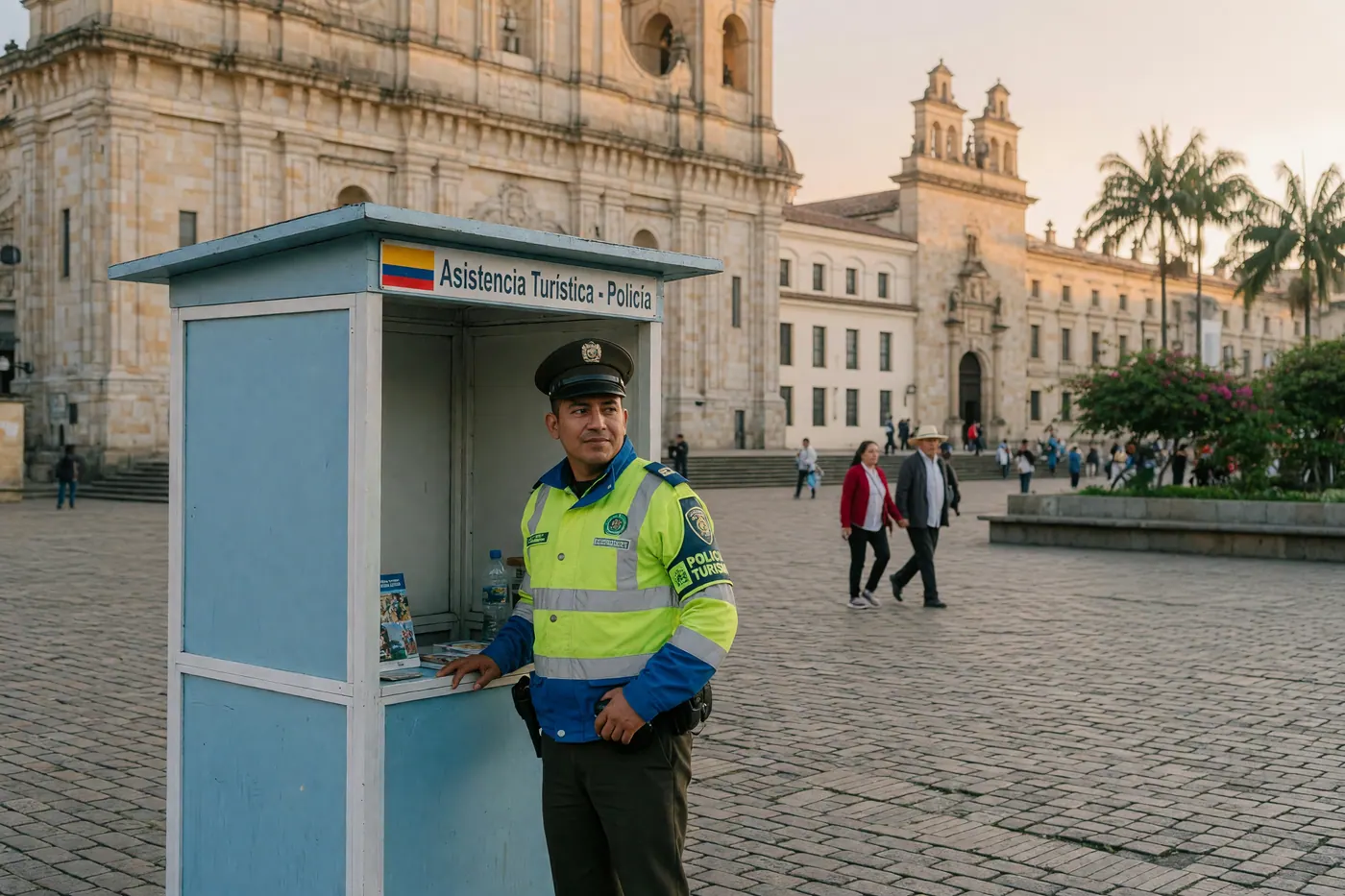
Related Reading: Living in urban hubs requires street smarts and emergency readiness. Read our No Dar Papaya etiquette guide and our guide to the Colombian Tourist Police. For dispatch mechanics after you call 123, read ambulance dispatch, triage, and payment protocols.
Practical Preparation & Emergency Medical Checklist
Spend five calm minutes now so you are not improvising later. Keep this checklist on your phone:
- Emergency Identification: Keep a clear photo of your passport bio page, Colombian visa, or Cédula de Extranjería in a dedicated offline folder on your phone. Write down your blood type and known allergies on a card stored inside your wallet.
- Insurance Hotline: Program your foreign travel insurance’s international collect-call emergency hotline number into your contact list, along with your exact policy/certificate ID.
- Save Local Clinic Coordinates: Pin the exact locations of the primary private clinics listed above in your preferred mapping app so you can direct a taxi driver instantly without fumbling for street addresses.
Essential Spanish Medical Phrases for the ER Desk
- "Tengo una emergencia médica grave." (I have a serious medical emergency.)
- "Soy alérgico/a a la penicilina / ciertos medicamentos." (I am allergic to penicillin / certain medications.)
- "Necesito estabilización inicial de urgencias bajo la ley." (I need initial emergency stabilization under the law.)
- "¿Tienen un departamento de atención al paciente internacional?" (Do you have an international patient care department?)
- "Por favor, entréguenme una copia de mi historia clínica y la factura electrónica." (Please provide me with a copy of my medical chart and the itemized electronic invoice.)
Frequently Asked Questions
❓ Can a Colombian hospital refuse to treat me in an emergency if I do not have insurance?
No, a certified hospital cannot turn away an acute emergency. Under Ley Estatutaria 1751 de 2015 (Article 14), still in force in 2026, all public and private healthcare facilities in Colombia are legally required to provide immediate emergency stabilization (atención inicial de urgencias) to any individual facing a vital health threat, without demanding advance financial deposits or prior administrative approvals.
❓ What is the difference between Triage 1 and Triage 3 in a Colombian ER?
Triage 1 represents an immediate, life-threatening situation requiring instant resuscitation with zero waiting time, such as cardiac arrest or massive hemorrhage. Triage 3 applies to hemodynamically stable patients whose conditions require diagnostic testing, intravenous therapies, or clinical observation, but whose vital functions are not in immediate risk of collapse, under Resolución 5596 de 2015, still applied in 2026.
❓ Is it better to call an ambulance or take a taxi to the ER in Colombia?
For conscious patients without suspected spinal trauma, taking a taxi or ride-share app directly to a top private hospital is generally much faster. Public ambulance dispatch through the 123 emergency line prioritizes severe multi-trauma and often faces substantial traffic delays in major cities like Bogotá, Medellín, and Cali.
❓ How do private clinics in Colombia handle foreign travel insurance?
Most private clinics initially bill out-of-pocket treatments or require a credit card authorization deposit, issuing an itemized electronic invoice (factura electrónica) and medical chart for later insurer reimbursement. However, for serious inpatient admissions, clinics with International Patient Offices can establish direct billing if your travel insurer issues a formal Guarantee of Payment (GOP) as of 2026.
❓ Does vehicular accident insurance (SOAT) cover foreign pedestrians or passengers?
Yes, statutory SOAT coverage applies to anyone injured in a motor vehicle accident on Colombian roads regardless of nationality or immigration status. Emergency trauma stabilization, surgical care, and hospitalization from a vehicular accident are billed under mandatory SOAT rules up to statutory legal limits in 2026.
❓ What emergency number should I call for medical dispatch in Colombia?
Dial 123 from any mobile phone or landline in Colombia to reach the unified emergency dispatch system. The operator will transfer urgent medical rescue calls directly to the local health regulatory center (CRUE) to dispatch public ambulance and emergency medical personnel.



Comments
Loading comments...
Checking sign-in status...