
Where to Sell a Used Xiaomi Phone in Colombia Without Risks of IMEI Blocking
Selling a second-hand Xiaomi in Colombia requires taking care of homologation with the CRC, registering both IMEIs, and unlinking the Mi Account. We tell you how to close the deal without blocks or commissions.
IDIOMA DEL ARTÍCULO
Showing original language
Quick answer: To sell a used Xiaomi, Redmi, or POCO cell phone in Colombia without legal problems or blocks, you must verify that its alphanumeric technical model is approved by the CRC, check at imeicolombia.com.co that both IMEI codes (for Dual SIM devices) are clean, completely unlink your Mi Account and Google account before formatting, and choose a direct sales channel that does not charge you intermediation commissions.
Xiaomi has become one of the most popular brands in Colombia. Devices like the Redmi Note series or the POCO line offer outstanding performance for the money invested. However, when it comes time to upgrade and sell the previous phone, many private sellers make mistakes that lead to headaches: sudden signal blocks by operators, angry buyers who cannot activate the phone, or 15% losses in value due to intermediary platform commissions.
Selling used technology in the country doesn't have to be a bureaucratic labyrinth or an insecure experience. If you organize the process in advance, demonstrate the legal origin of the phone, and know where to advertise it, you will close a quick sale with the full amount of money in your account.
1. The mandatory step: verify both IMEIs and homologation with the CRC
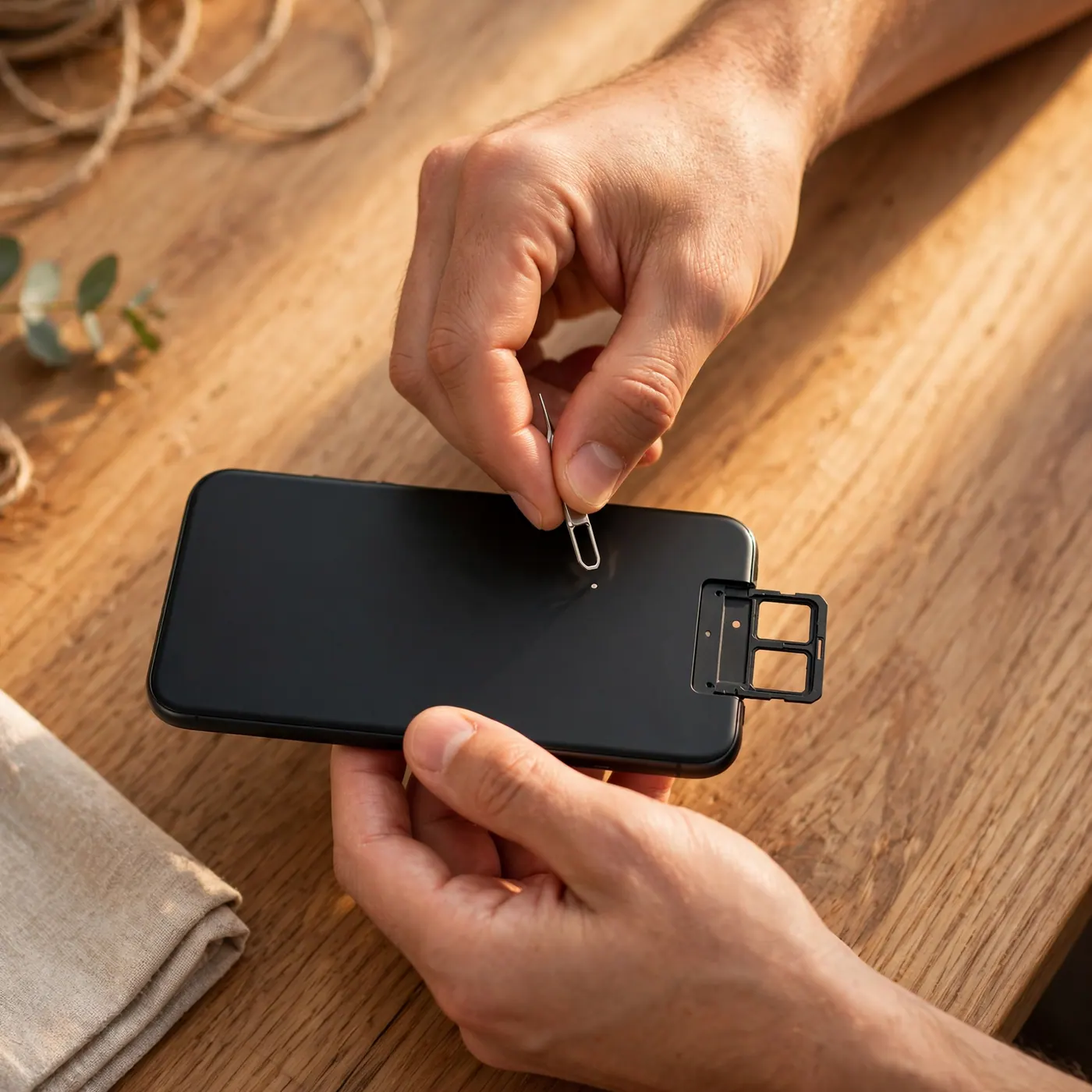
The most common reason a buyer might complain two weeks after purchasing a used phone is a network block. In Colombia, this block usually occurs for two very specific technical reasons: failure to register the device's identity code or lack of homologation before the Communications Regulation Commission (CRC).
The first thing you should do with your Xiaomi in hand is open the call application and dial *#06#. You will immediately see the device's identification numbers on the screen. Pay special attention: the vast majority of Xiaomi, Redmi, and POCO phones sold or imported into Colombia are Dual SIM. This means they have two physical slots and, therefore, two different IMEI numbers (IMEI 1 and IMEI 2). Both must be verified and registered to avoid one of the slots being disabled.
With both codes in hand, carry out two fundamental checks:
- Negative database: Enter the official centralized portal imeicolombia.com.co and enter each IMEI. The system will confirm if the device is reported for loss, theft, or administrative inconsistencies. If both appear clean, you have the first go-ahead.
- CRC homologation: Go to tramitescrcom.gov.co/homologacion/. In Colombia, it is not enough for the commercial name to be "Redmi Note 13"; regulation requires that the exact technical model from the manufacturer (for example, 2312DRA50G, visible in Settings > About phone or on the box label) be approved to operate in the national electromagnetic spectrum.
Be careful with phones brought directly from stores abroad with versions designed exclusively for the Asian market: if the technical model was not approved by the manufacturer or an importer with the CRC, Colombian operators will issue a preventive alert and proceed to the definitive block of the terminal under CRC Resolution 5050 of 2016.
2. How to register the IMEI legally if you lost the purchase invoice
A common question among those who want to upgrade their mobile is what to do if they threw away the original store receipt or if the cell phone was a gift. Is it mandatory to have a commercial invoice with VAT to register it with Claro, Tigo, Movistar, or WOM? The official answer is no.
Under Colombian telecommunications regulations, if you do not have the purchase invoice, you can register the device with your mobile operator using the Unique Responsible User and Owner Declaration Form. This procedure is done online on the self-management portals of each operator or at a service center, declaring under oath that you acquired the terminal legally.
Registering both IMEIs before publishing the ad protects both your reputation and the buyer's wallet. By handing over a phone with its regulatory status up to date, you prevent the buyer from suffering network suspensions 15 or 30 days after the deal.
Recommended reading: If you are preparing your device for sale, check out our guide on how to prepare and sell a used cell phone in Colombia with total security.
3. The mistake that ruins the sale: the Mi Account and the Google FRP block
Imagine this scenario: you meet the buyer in a coffee shop, they transfer the money to you, you hand over the freshly factory-reset phone, and, upon arriving home and trying to set it up, a black screen appears that says "This device is locked" asking for the password of a Mi Account that is not theirs. The sale falls through and the annoyance is major.
Xiaomi has its own cloud security system (Mi Cloud / Mi Account), which works in conjunction with Android's Factory Reset Protection (Google FRP). If you format the phone using the physical buttons or directly from the settings without having closed the previous sessions, the device assumes it was stolen and blocks completely.
To leave the device ready for the buyer, strictly follow this order in MIUI or HyperOS:
- Go to Settings > Mi Account, deactivate the function Find device (Find device) and tap Sign out (you will be asked to enter your current password).
- Go to Settings > Accounts and sync > Google, select your personal account, and tap Remove account.
- Remove the pattern, PIN, or fingerprint screen lock in Settings > Passwords and security.
- Finally, go to About phone > Factory reset and confirm the general data wipe.
When turned on again, the cell phone will show the initial welcome screen of HyperOS or MIUI asking to set the language and region, an unmistakable sign that it is completely freed from your data and accounts.
4. Where to sell your used Xiaomi in Colombia: channel comparison
The place where you decide to publish your phone determines how much money you will receive and how calmly you will make the transaction. In the local market, there are three main paths:
| Sales channel | Commission / Discount | Advantages | Disadvantages |
|---|---|---|---|
| Trade-in programs (stores and operators) | 30% to 50% below commercial value | Immediate process at a physical location | Very low appraisals; they only give a voucher to buy another device |
| Traditional marketplaces and gateways | 12% to 18% per completed sale | High user flow | High commissions; money withheld for days; risk of disputes |
| Open social networks | 0% commission | Direct contact at no cost | No filter; fake profiles; high risk of fake Nequi receipts |
| Local classifieds on Colombia Move | 0% (100% free posting) | Direct deal via WhatsApp, without commissions and with real buyers | Requires coordinating delivery and secure payment between parties |
Trade-in programs at retail chains are convenient if you are in a rush, but they severely penalize your device's price. For a Redmi Note that you could sell privately at market price, a trade-in plan usually offers much less and provides it as a conditional voucher. On the other hand, platforms with mandatory payment gateways end up taking a significant slice from you in sales fees and withholdings.
According to active listings on Colombia Move (September 2026), there are 12 cell phones posted and that category has 747 views; the demand is there, and a well-documented Xiaomi doesn't get lost in the noise. Posting in a specialized space allows you to set a competitive price without giving away the phone's value or paying unnecessary intermediary fees.
5. Security measures when creating the listing and finalizing delivery
To successfully close the sale, security must accompany you from the photo session to the moment of receiving the money. Keep these practical recommendations in mind:
- Never show the full IMEI in public photos: It is common for novice sellers to take photos of the *#06# screen or the rear label to prove that the device is not stolen. Huge mistake! In Colombia, criminal gangs dedicated to the adulteration and cloning of terminals track online listings to copy valid IMEI numbers and transfer them to stolen devices. Under Law 1453 of 2011 (Article 105), IMEI manipulation is a crime punishable by 6 to 8 years in prison. In your public photos, show the aesthetic condition and accessories; reserve IMEI validation for the moment of the in-person meeting with the interested buyer.
- Beware of fake digital receipts: When agreeing to payments through apps like Nequi or Daviplata, do not hand over the device based solely on a screenshot sent by chat. Open your own banking app on your phone and verify that the balance appears as available. Be wary of interbank transfers that are supposedly "clearing" or deposits made by check.
- Arrange delivery in a public place: Choose a guarded shopping mall, a busy food court, or a transport station with police presence. Allow the buyer to insert their SIM card, make a test call, and verify the terminal's status calmly before saying goodbye.
Step by step: Do you want your listing to stand out and attract serious offers faster? Read our guide on how to write and post a winning classified ad step by step or explore the alternatives at where to sell used items in Colombia.
Frequently asked questions
❓ How do I know if my used Xiaomi is legally certified in Colombia?
Consult the alphanumeric technical model on the CRC certification portal. Compare it with Settings > About phone (e.g., 2312DRA50G) and don't just rely on the commercial name; the process remains in effect in 2026.
❓ Why does my Xiaomi phone have two IMEI numbers and which one should I register?
Your Xiaomi has two IMEI numbers because it has a Dual SIM tray for two simultaneous phone lines. Colombian regulation requires registering both codes (IMEI 1 and IMEI 2) with the mobile operator to prevent one of the slots from suffering a network block.
❓ Can I sell my used Xiaomi if I don't have the original purchase invoice?
Yes, you can sell it without an original invoice by processing the Sole User Responsible and Owner Declaration Form with your mobile operator. That document, under oath, certifies possession of the device according to Colombian regulation in effect in 2026.
❓ What happens if I forget to unlink my Mi Account before handing over the phone?
If you forget to unlink your Mi Account, the buyer will not be able to use the phone after formatting because Xiaomi's protection will lock the screen asking for your original password. You must sign out of your Mi Account and Google before the factory reset.
❓ Is it safe to post photos of the IMEI number in the sales ad?
It is not safe to post the 15 digits of the IMEI in public ads: it is used to clone the device. Hide the central digits and validate *#06# in person; the CRC maintains that cloning alert.
❓ How much does a trade-in deduct compared to selling the Xiaomi on my own?
A trade-in usually pays significantly less than a private sale. The typical discount is steep and also arrives as a voucher, not in cash; the final price depends on the battery, screen, and aesthetic condition.
❓ Where can I post my used Xiaomi in Colombia without paying commissions?
On Colombia Move, you can post your used Xiaomi cell phone completely free of charge and with no sales commissions. The platform connects you directly with local buyers via WhatsApp to agree on delivery and payment with total clarity.


Comments
Loading comments...
Checking sign-in status...