
Rental move-in inventory: the part everyone forgets
The move-in inventory is the invisible clause in the contract. Without it, any dispute over the deposit ends up being one person's word against the other's. Here is how you do it right.

IDIOMA DEL ARTÍCULO
Showing original language
When my sister-in-law signed her first lease contract in Bogotá, the landlord told her the apartment was "in perfect condition" and there was no need to make an inventory. Three months later, upon moving out, they withheld $800,000 from her deposit for a scratch on the back bedroom wall. There were no entry photos. There was no inspection report. There was no way to prove that the scratch was already there when she arrived.
The move-in inventory—also called an inspection report or handover report—is the document that describes the property's condition at the moment of move-in and move-out. It is the evidence that protects the tenant from damages they did not cause, and protects the landlord from tenants who truly damage the property. Without it, any dispute over the deposit ends up being one person's word against the other's. The tenant almost always loses. If you want to see real options right now, you can view apartments and houses on Colombia Move — posting is completely free.
This guide explains what an inventory should contain, how to do it well, and what to do if the landlord refuses. If you are still looking for an apartment and want to review the legal aspects of the contract before signing, also read How to review a lease contract in Colombia.
What you need to know first
- The inventory describes the property's condition upon arrival y upon departure — both are compared
- It must be signed by both parties: landlord (or real estate agency) and tenant
- Without an inventory, you cannot prove that damages already existed before you arrived
- Include photos with dates + written description of every room and appliance
- It is not legally mandatory, but it is the key piece of evidence in any deposit dispute
What exactly is the move-in inventory?
The move-in inventory is a document that describes the physical and functional condition of the property at the time the keys are handed over. It can be a written list, a table, a form with checkboxes, or even a formal email — what matters is that it is documented and that both parties sign or confirm it in writing.
It is done twice. At move-in, when the landlord hands the keys to the tenant: this inventory establishes the baseline. Everything in poor condition is recorded and cannot be charged to the tenant upon move-out. At move-out, when the tenant returns the keys: this inventory is compared with the move-in one. Only damages that appear now and were not previously recorded can be charged, and only those that exceed normal wear and tear.
Law 820 of 2003 does not formally require an inventory for every residential lease contract, but it does regulate that the landlord cannot charge for damages they cannot prove occurred during the tenancy. The inventory is that proof.
Why it matters more than it seems
Here is the practical problem: when there is no inventory, the power is entirely on the landlord's side. If a stain on the ceiling, a cracked window, or a door that no longer closes properly appears upon moving out, there is no way to know if it existed before. The landlord says it happened during your lease. You say it was already there. There is no paper. There is no photo.
Honest landlords also need the inventory. Without it, they cannot charge for legitimate damages that a tenant actually caused. A tenant who broke a door and left can deny any responsibility if there is no move-in report showing the door was in good condition when they arrived.
The imbalance lies in the fact that the landlord holds the deposit. When there is a conflict upon moving out, the tenant has to prove they did not cause the damage — not the other way around. Without an inventory, that burden becomes almost impossible to meet.
What the inventory must include (room by room)
A good inventory covers all areas of the property in enough detail to be useful upon move-out. This table summarizes the key points by area:
| Area | What to check and document |
|---|---|
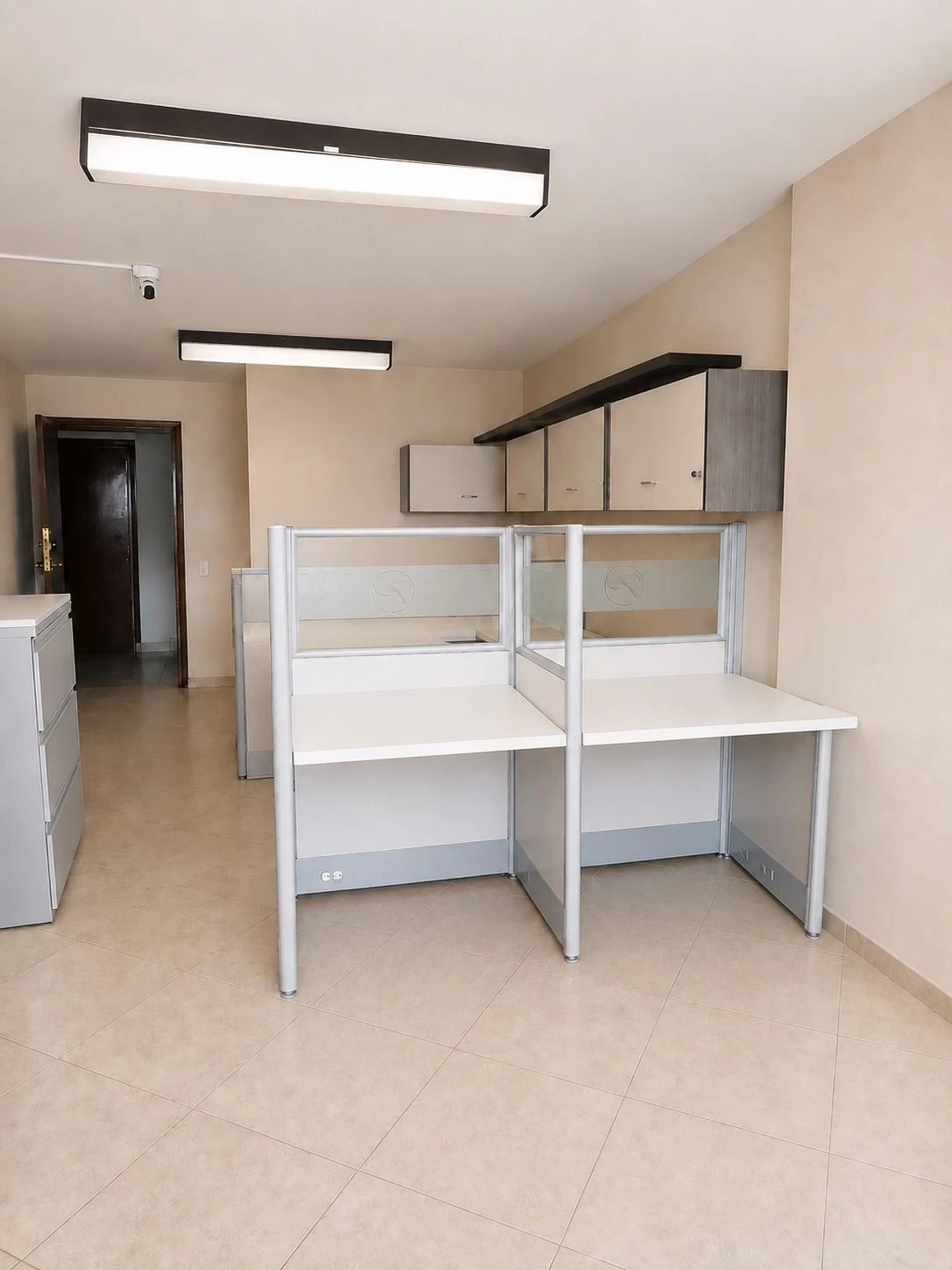
| Living room / dining room | Walls (stains, cracks, holes), floor (scratches, broken tiles), windows, curtains, lamps, included furniture |
| Kitchen | Stove (burners working), refrigerator if applicable, range hood, faucet, tiles, cabinets |
| Bedrooms | Condition of walls and ceiling, doors (working, locks), windows, closets, lighting |
| Bathrooms | Shower, toilet, sink, tiles, faucets, cistern |
| Common areas | Terrace or balcony, patio, laundry room, parking space if applicable |
| General | Number of keys provided, gate tag or remote, meter readings (water, electricity, gas), intercom, doorbell |
In addition to the written table, film a continuous video with your phone while walking through the entire apartment before moving in. The file's metadata already saves the date and time. If you prefer photos, take one of each wall, each appliance, and any damaged detail. That is enough.

How to make the inventory step-by-step
- Do it before moving in. Do not sign the contract and start living there without doing the inventory first. Once you are inside, any damage can be "yours".
- Have both parties present. The landlord (or real estate representative) and the tenant must be together during the inspection. If the landlord cannot attend, request that someone with formal representation do it in writing.
- Photograph everything, not just the damages. A wall without scratches also needs a photo — to prove it was like that when you arrived.
- Precise description. "10 cm diagonal scratch on the left wall of the main bedroom, 1.2 meters from the floor" is much better than "wall with a scratch." Vagueness only causes conflict.
- Two signed copies. One for the landlord, one for the tenant. If it's physical, photocopy it before leaving. If you do it by email, the thread serves as a backup.
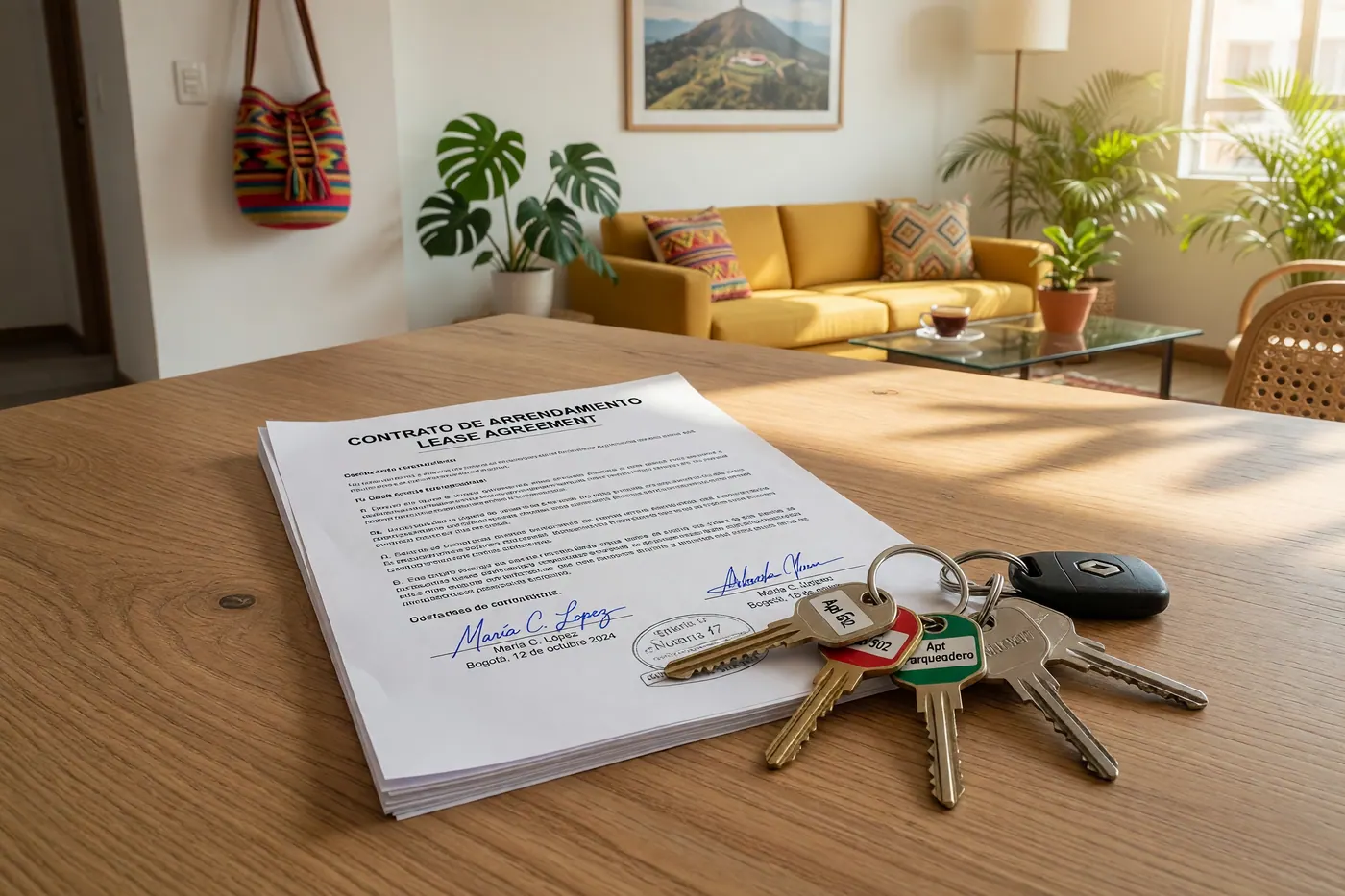
- Attach it to the contract. If the inventory is attached as a signed annex to the lease agreement, it carries more legal weight. Many real estate agencies have a standard format — if yours does not have one, ask for it or make your own.
What happens if the landlord refuses to do the inventory?
It is a red flag. It does not necessarily imply bad faith — some landlords simply don't know it exists or believe it is unnecessary — but it's good to know how to handle it.
If the landlord says it's not necessary, do it yourself anyway: walk through the apartment on the day of the key handover, document everything in photos and video with a visible date, and send a message to the landlord via WhatsApp or email saying something like: "Attached is the record of the apartment's condition at the moment of receiving the keys, [date]." Save that thread. If the landlord never responds denying the content, that silence has value if the conflict reaches a mediation stage.
If the contract includes a clause like "the tenant receives the property in perfect condition," that does not invalidate the inventory — but it does make it more urgent to document any defect before entering. To understand what other clauses to review, check out this guide on Red flags in rental contracts in Colombia.
Moving out: how to use the inventory to get your deposit back
Your move-in inventory is your strongest evidence when moving out. When the landlord points out an issue, compare it against the report: was it there before, or did it happen during your tenancy?
There is a key distinction in Law 820: the landlord can charge for "damage exceeding normal wear and tear." Natural wear—slightly faded paint, small marks from hooks or pictures, doors that have lost some alignment—is not chargeable. What can be charged: holes in walls, broken tiles, damage to appliances, or deep scratches on wood or ceramic floors.
If there is a disagreement, the process is: (1) show the move-in inventory compared to the current state and request a detailed written explanation of the charges; (2) if there is no agreement, go to a mediation center—free or low cost—before escalating to court; (3) ultimately, a summary verbal process before a civil judge. With a well-done inventory, it rarely reaches that point.
To better understand how deposits and guarantees work in Colombia, also check out Co-debtor, guarantor, and rental insurance: differences and which is better.
📖 Keep reading
How to review a rental contract in Colombia before signing — the key points of Law 820 that the landlord won't point out to you.
🇨🇴 Looking for an apartment directly from the owner?
On Colombia Move, you can see rental listings with real photos, clear prices, and direct contact with the owner — without intermediaries or commissions.
View apartments for rent →Frequently asked questions
❓ Is the landlord obligated to do a move-in inventory?
There is no article in Law 820 of 2003 that explicitly mandates an inventory in every contract. However, the law does prevent the landlord from charging for damages they cannot prove occurred during the tenancy. Without an inventory, that proof does not exist. The one at most risk without an inventory is the tenant—because the landlord holds the deposit.
❓ Can I do the inventory by myself, without the landlord present?
Yes, but its evidentiary value is lower. If the landlord refuses to participate, do it anyway: record a video with a date, take photos, and send them via email or WhatsApp to the landlord on the same day you receive the keys. A unilateral inventory that the landlord receives and does not contest carries more weight than having nothing at all.
❓ What is considered normal wear and tear in a rented apartment?
Normal wear and tear includes slightly faded paint, small marks from hooks or pictures, doors that have lost some alignment, and fixtures with signs of use. It does not include holes in walls, large stains, broken tiles, damage to appliances, or deep scratches on floors. The legal standard is "careful and reasonable use" of the property.
❓ What do I do if the landlord unfairly withholds the deposit?
First, contact them in writing showing the move-in inventory and requesting a detailed explanation of the charges. If there is no agreement, you can go to a mediation center in your city—free or low-cost—before escalating to court. In Bogotá, the Chamber of Commerce mediation centers are available. In Medellín, the Comfama Mediation Center or the University of Medellín. With the inventory in hand, it rarely reaches court.




Comments
Loading comments...
Checking sign-in status...