
Public Utilities and Tenants in Colombia: How to Demand Guarantees and Avoid Debts under Law 820
Many landlords in Colombia suffer when a tenant leaves water, electricity, or gas bills unpaid. We explain step-by-step how to demand legal guarantees according to Article 15 of Law 820 of 2003 to dissociate your property from joint liability.
IDIOMA DEL ARTÍCULO
Showing original language
One of the biggest fears for any landlord in Colombia is discovering, after a tenant moves out, that utility bills for water, electricity, or gas have been unpaid for months. In real estate practice, an outstanding debt for residential public utility services can quickly become a legal and financial headache for the property owner. Many owners discover too late that the utility provider has suspended the service or imposed charges that affect the property's title.
Fortunately, the Colombian legal framework includes an exact mechanism to prevent the tenant's obligations from falling onto the landlord's assets. Understanding how to align Law 820 of 2003 with the procedures required by utility providers is essential to protect your home or rental property. According to data from the Colombia Move marketplace (August 2026), there are currently 119 active listings in the housing section, where clarity regarding utility payment rules is one of the best guarantees for closing serious and lasting deals.
1. The Risk of Joint Liability in Rentals: Why Does the Debt Affect the Property?
To understand the importance of guarantees, one must first understand the legal concept of joint and several liability. According to Article 130 of Law 142 of 1994 (Public Residential Utility Services Regime), the property and its owner are jointly liable along with the user for unpaid bills owed to the utility service provider (ESP).
This means that, by default, the electricity, water, or gas company has the legal power to charge the debt directly to the property owner or maintain the service suspension at the physical address, regardless of who actually consumed the resource. If the formal detachment procedure is not carried out, the tenant's unpaid bills end up tied to the property's real estate folio.
Many landlords wrongly assume that simply presenting the signed rental contract at the time of a default cancels the debt. However, the rulings from the Superintendence of Residential Public Utility Services (SSPD) are clear: to break the legal joint liability, the landlord must have formally established prior guarantees with the utility provider in accordance with Article 15 of Law 820 of 2003.
2. Rental Deposits in Colombia: What is Prohibited and What is Legal
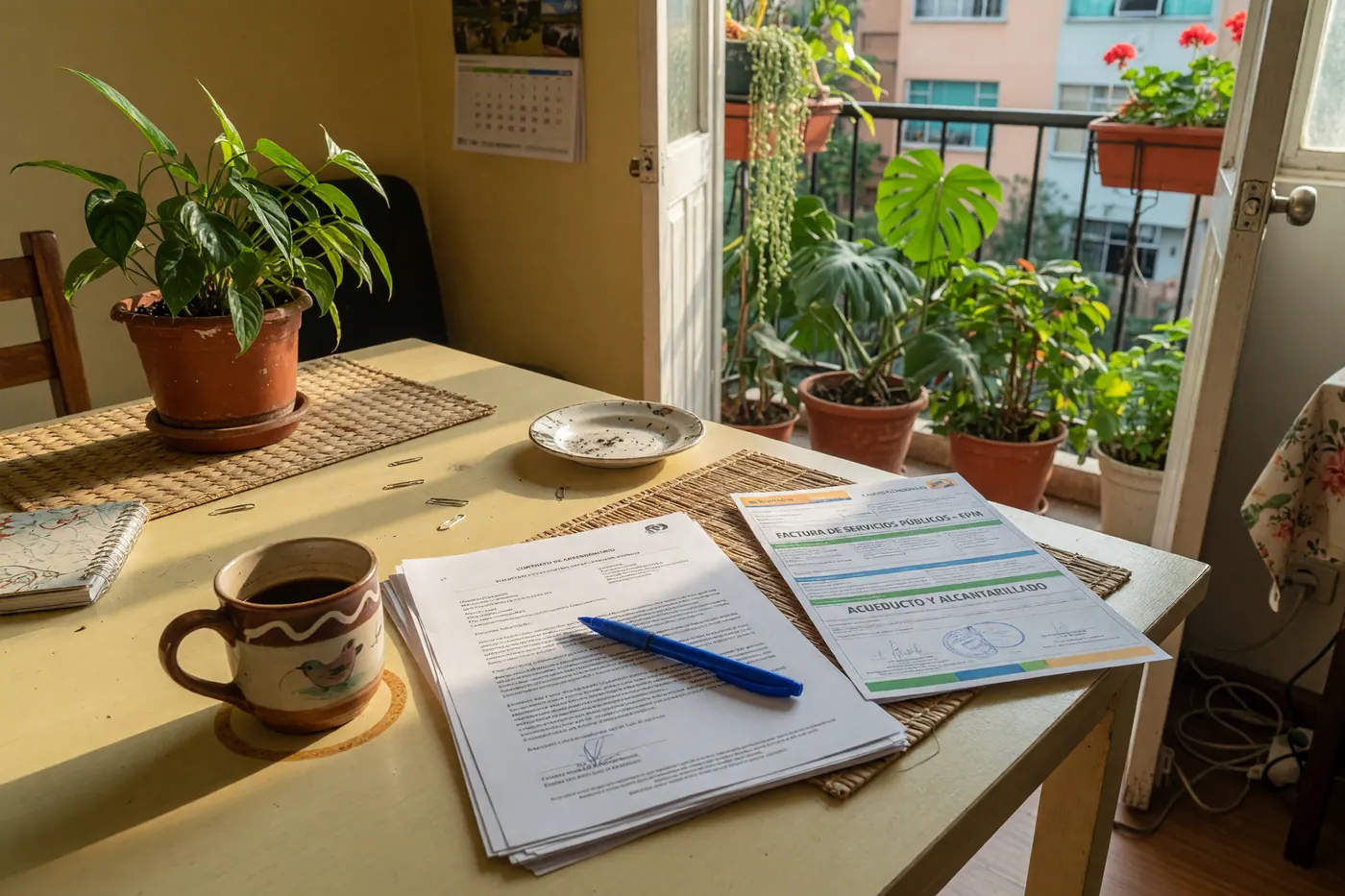
There is recurring confusion regarding what the law permits and what it categorically prohibits when signing a residential lease agreement in Colombia:
- What the law prohibits (Article 16, Law 820 of 2003): The landlord is strictly prohibited from demanding cash deposits, physical collateral, or signed promissory notes to guarantee contract fulfillment or potential physical damage to the property. Including such clauses in the contract renders them null and void and violates regulations regarding abusive clauses in rental agreements.
- What the law authorizes (Article 15, Law 820 of 2003): The law establishes an explicit exception that authorizes the landlord to demand specific guarantees or deposits intended exclusively to back the payment of residential utility bills in favor of the service providers.
In other words, you cannot ask the tenant for three months of rent in cash as a "security deposit" held in your personal bank account. However, you can require the establishment of an insurance policy, bond, or deposit in favor of the utility company to break the legal joint liability.
3. How to Calculate the Maximum Guarantee Amount (Step-by-Step Formula)
Article 15 of Law 820 of 2003 and Decree 3130 of 2003 (regulated under Decree 1077 of 2015) set a strict ceiling for utility guarantees. A landlord cannot arbitrarily set the sum that the tenant must secure.
The legal formula to determine the maximum value of the deposit or policy consists of the following elements:
- Billing periods: The guarantee can cover a maximum of two (2) consecutive billing periods (or four months if the billing is bimonthly).
- Average consumption calculation: Take the average consumption units (kilowatts, cubic meters) recorded in the last three (3) billing periods for the property.
- Increase margin for over-demand: Up to 50% can be added to the calculated average consumption as a protection margin against a potential increase in usage during the tenant's stay.
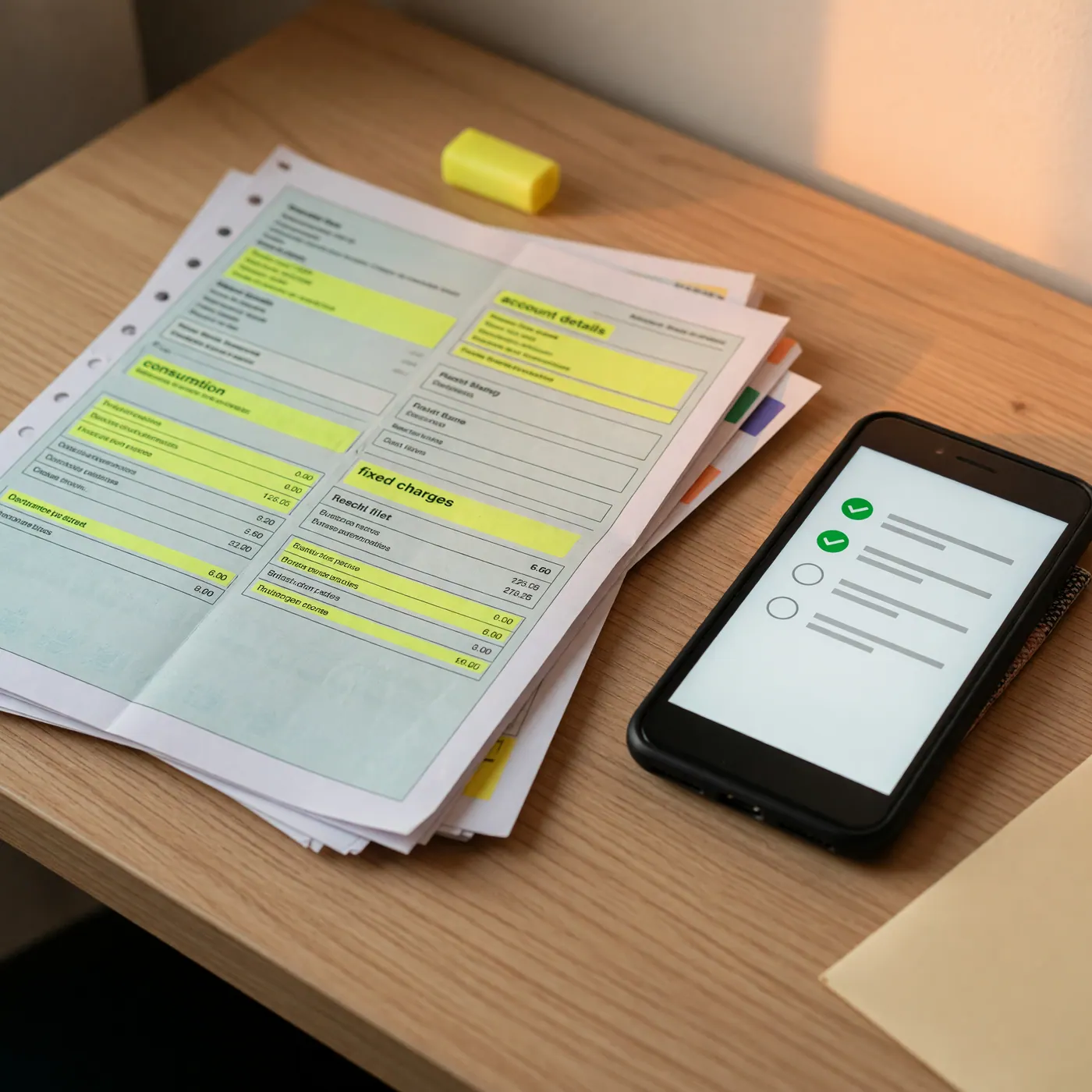
- Sum of fixed charges and connection fees: The monthly fixed charges and connection costs approved by the regulatory entity are added to the value resulting from the estimated consumption.
Let's look at a practical example: if the average water consumption for a property over the last three months was 10 m³, the calculation allows for a projected consumption of up to 15 m³ per period (10 m³ + 50%). The guarantee will multiply that adjusted value by two billing periods, adding the corresponding fixed charges.
4. Step-by-Step Guide to Filing the Contract with the Utility Service Provider (ESP)
To effectively break the joint liability and ensure the debt remains in the tenant's name without compromising the property, you must strictly follow the contract reporting procedure. The process consists of four essential stages:
- Stage 1: Defining the guarantee in the contract. Clearly stipulate in the lease document that the tenant must establish a guarantee in favor of each utility company (EPM, Enel, Vanti, Air-e, Afinia, etc.) according to the modalities of Decree 3130 of 2003 (utility policy, bank guarantee, or bond). You can use a tenant rental study to validate the occupant's profile before the process.
- Stage 2: Requesting consumption certification. Request the official billing report format and the certification of the last three consumption periods for the property from the utility provider.
- Stage 3: Formal filing (Reporting the contract). Once the contract is signed and the guarantee is established (or the policy issued by the insurer), deliver a copy of the contract and the original guarantee to the offices or virtual channels of each service provider.
- Stage 4: Exoneration from joint liability. The exoneration of the landlord's joint liability and the detachment from the property take legal effect starting from the expiration of the billing period following the one in which the complete report was filed.
5. Landlord Rights in Case of Breach
If the tenant signs and then delays the policy or security bond, you can refrain from handing over the keys until the guarantee is established in favor of each utility provider. If 15 business days pass from the signing without that delivery, you can terminate the contract by right. I would not hand over the property in "good faith" while waiting for the paperwork.
The declaration does not erase old debts: the decoupling is effective starting from the next billing period. Each utility company (EPM, Enel, Vanti, Air-e, Afinia) asks for its own form. If you are renting out a room, leave those rules in the advertisement in the housing section.
Frequently Asked Questions
❓ Is it legal to request a cash deposit when signing a rental contract in Colombia?
No. Article 16 of Law 820 of 2003 prohibits cash deposits or real collateral to guarantee urban housing contracts. Such a clause is null and void. The current exception (Public Function, 2026 inquiry) is the public utility guarantee under Article 15, in favor of the utility provider, not cash held in your account.
❓ How does the public utility guarantee work according to Article 15 of Law 820?
Article 15 authorizes the landlord to demand specific guarantees or deposits in favor of public utility companies. They serve to back water, electricity, or gas services. With that guarantee and the declaration of the contract to each utility provider, you can break the property's joint liability provided for in Article 130 of Law 142 of 1994 (source consulted in 2026).
❓ How is the maximum value of the public utility deposit or policy calculated?
The legal limit covers the fixed charge, connection fees, and consumption units for up to two consecutive periods. Consumption is taken from the average of the last three periods, increased by 50%. That amount is not made up: it comes from the actual billing of the property and Decree 3130 of 2003 (2026 inquiry).
❓ Where do I post the rental with utility rules and how do I decouple the property?
Post it in the room category or the housing section, with the rent and guarantee rules written down. To decouple the property, file the declaration and the guarantees with each utility company; the exemption is effective from the next billing period (Law 820, 2026 source).
❓ What happens if the tenant does not deliver the public utility guarantee within the agreed deadline?
You can refrain from handing over the property until you receive the guarantee. If they do not establish it within 15 business days after signing, you can terminate the contract by right. That deadline is in Article 15 and Decree 3130 of 2003 (Public Function inquiry, 2026); do not wait until the occupant is already living inside.
❓ How much does it cost to post a room or rental on Colombia Move?
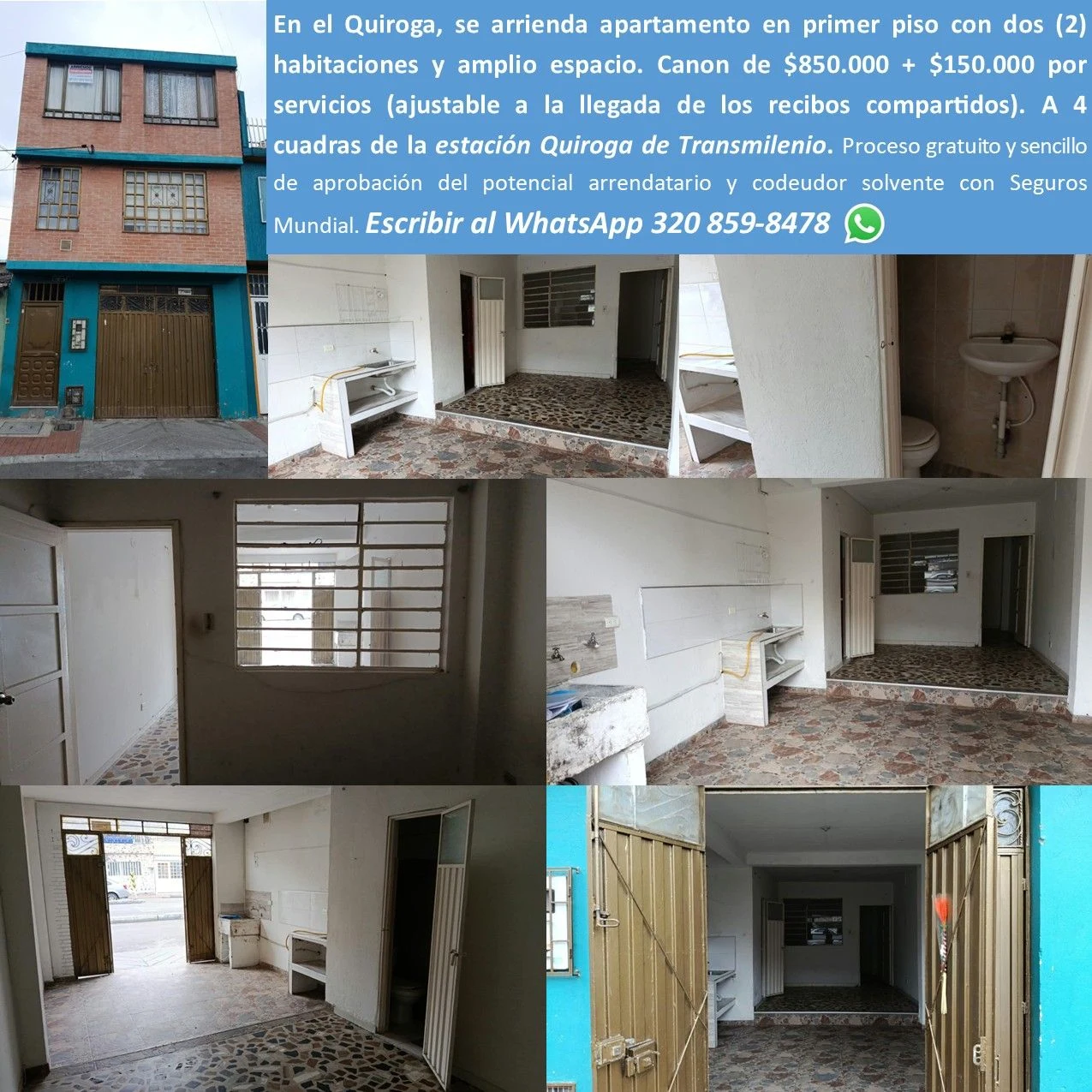
It is free: we do not charge a commission for the ad. The real value is in photos, rent, and written utility rules, so the interested party knows what policy or bond they must establish before asking for keys.
❓ Is a cash deposit a scam?
Requesting it from the tenant for your personal account is prohibited by Article 16 of Law 820 of 2003. Use the Article 15 guarantee in favor of the utility provider and file the declaration (source consulted in 2026). Without that process, the property's joint liability remains in effect.



Comments
Loading comments...
Checking sign-in status...