
How to Compare Fincas, Lots, and Country Houses Near Medellin
Finca, lote, or casa campestre? How to compare rural property types near Medellin, plus the documents and red flags to check before you commit.
IDIOMA DEL ARTÍCULO
Showing original language
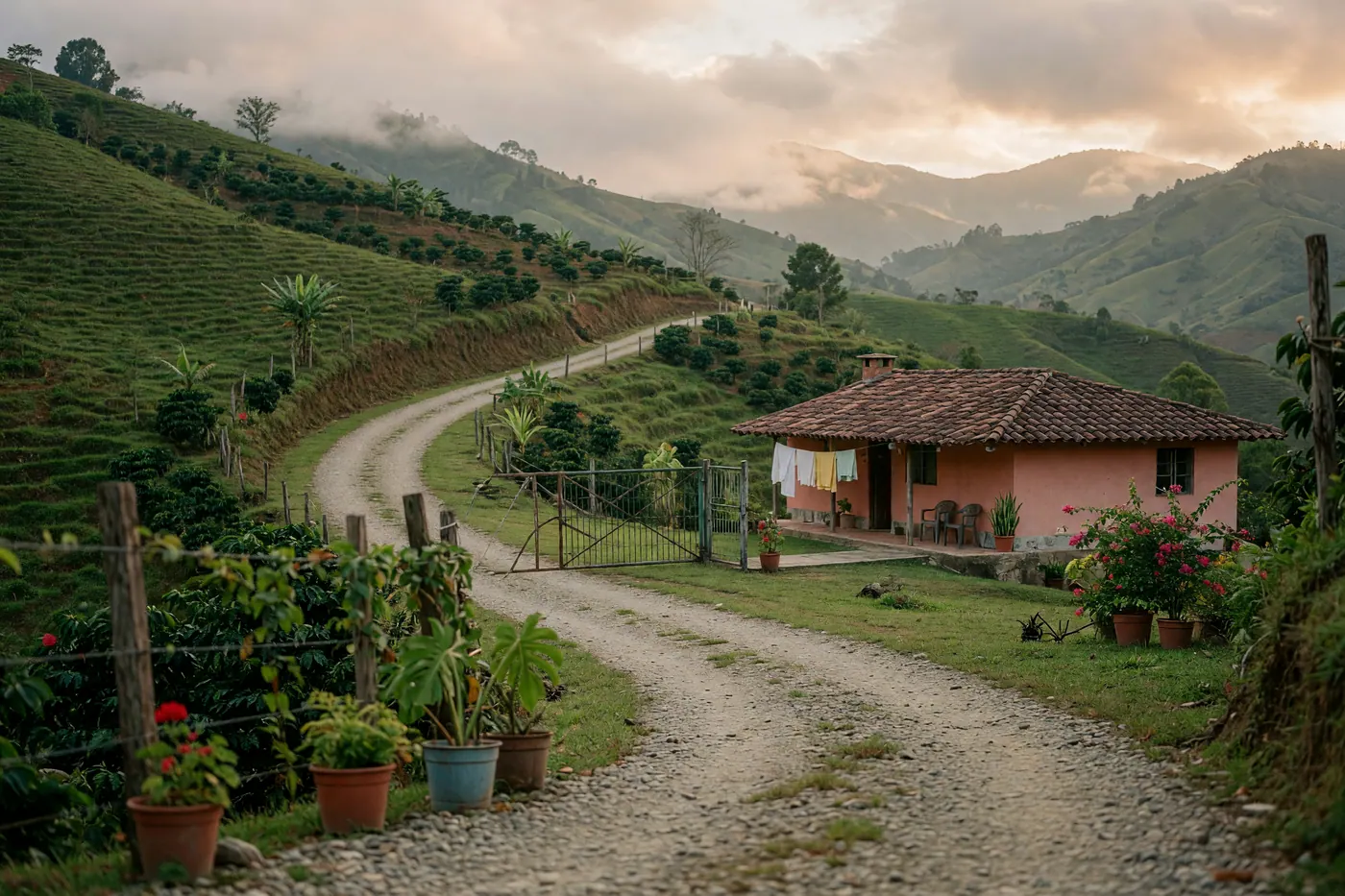
Most people search for rural property backwards. They fall for one dreamy photo — a pool, a deck at golden hour — and only later ask what they actually bought. After helping friends shortlist land in Antioquia, I've learned the first real decision isn't location. It's which of three products you want: a working finca, a raw lot, or a finished country house. Get that wrong and you'll compare listings that aren't comparable.
If you're weighing city against country, my guide to Medellín neighborhoods helps. Quick map:
- A finca is land plus existing use (house, crops, animals). You buy a lifestyle and its upkeep.
- A lote is raw land: cheaper upfront, but buildability, access, and utilities decide the real cost.
- A casa campestre is a finished country house — convenience now, usually less land and less flexibility.
- "Near Medellín" means little until you check the vereda, access road, and water source.
- Always ask for the matrícula inmobiliaria and a recent Certificado de Tradición y Libertad.
Finca vs lote vs casa campestre: what you're actually buying
A finca is the broadest term: rural land with established use — a modest house, fruit trees, coffee, pasture, or a mix. The appeal is space and quiet; the catch is that upkeep never stops, and if you're not living there full time you'll pay someone to watch it.
A lote is raw land, and it looks like the cheap option — sometimes it's a trap. Whether you can build, how you'll bring water and power, and how a truck reaches it in the rains can quietly double your budget. Buildability isn't a seller's opinion; it depends on the municipality's land-use rules.
A casa campestre is a finished country house, usually on a smaller plot inside a managed parcelación with shared roads and a monthly administration fee. You trade land and flexibility for convenience — honestly, the lowest-stress option for part-time owners. Read every listing through the same lens:
| Question | Finca | Lote | Casa campestre |
|---|---|---|---|
| Best for | Land + lifestyle now | Building exactly what you want | Move-in convenience |
| Upfront effort | Medium | High | Low |
| Inspection burden | House + land + use | Soil, access, buildability | House + parcelación rules |
| Utilities | Usually connected | Often you arrange them | Connected |
| Hidden work | Ongoing maintenance | Permits + construction | Admin fee + HOA rules |
| Flexibility | Medium | Highest | Lowest |
"Near Medellín" is a vereda question, not a town name
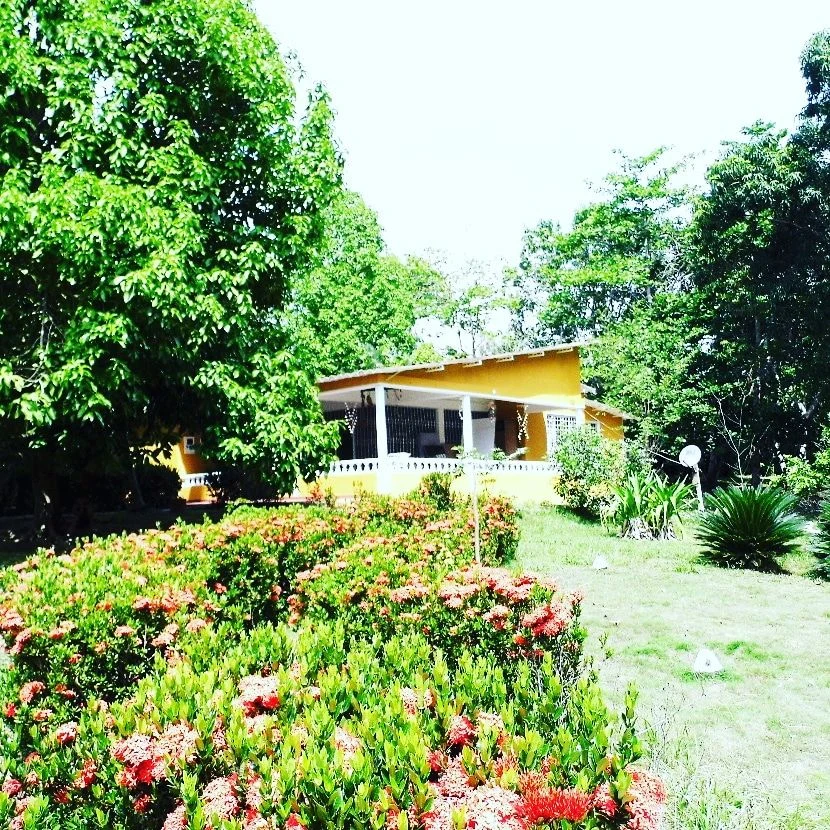
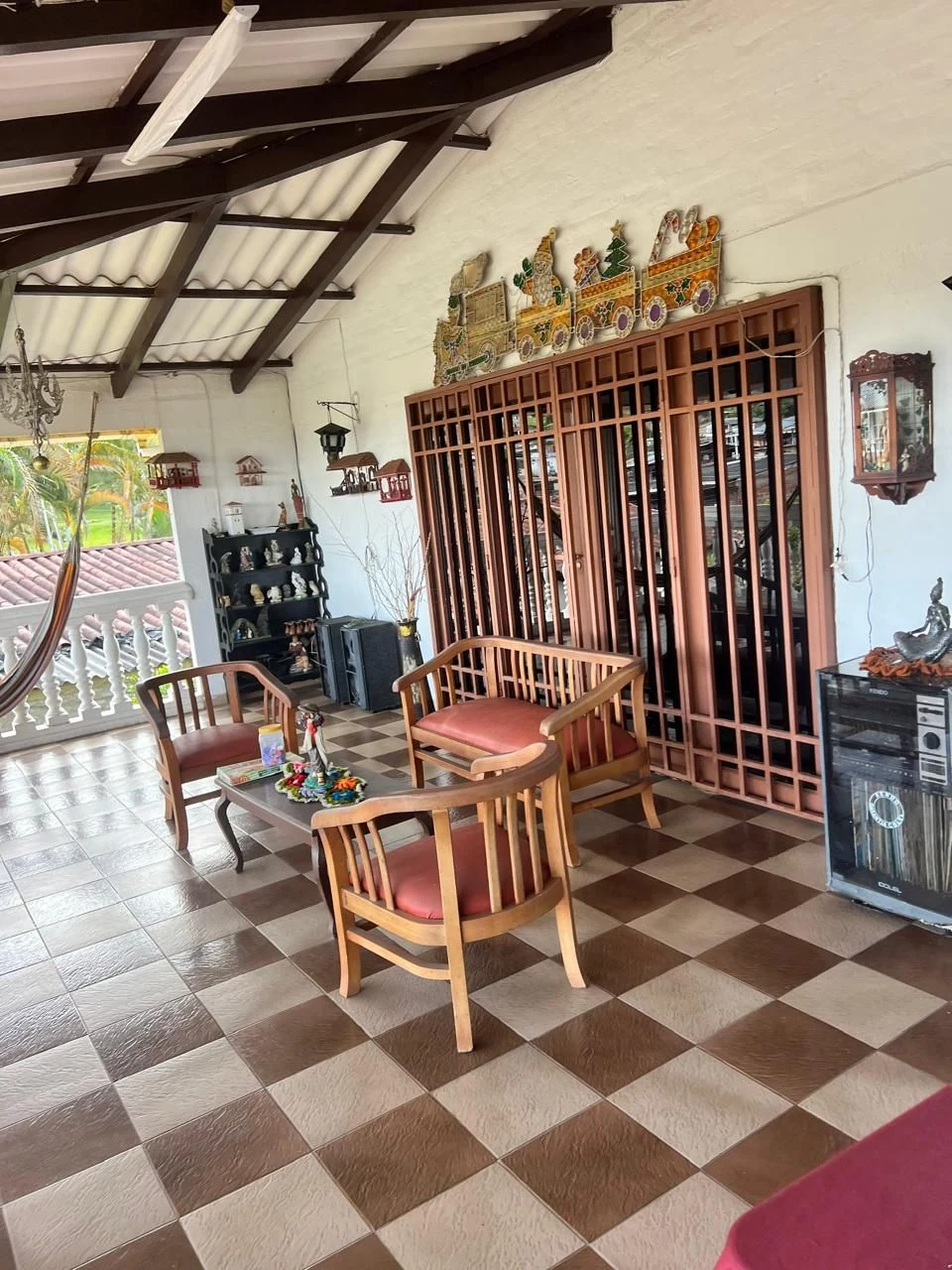
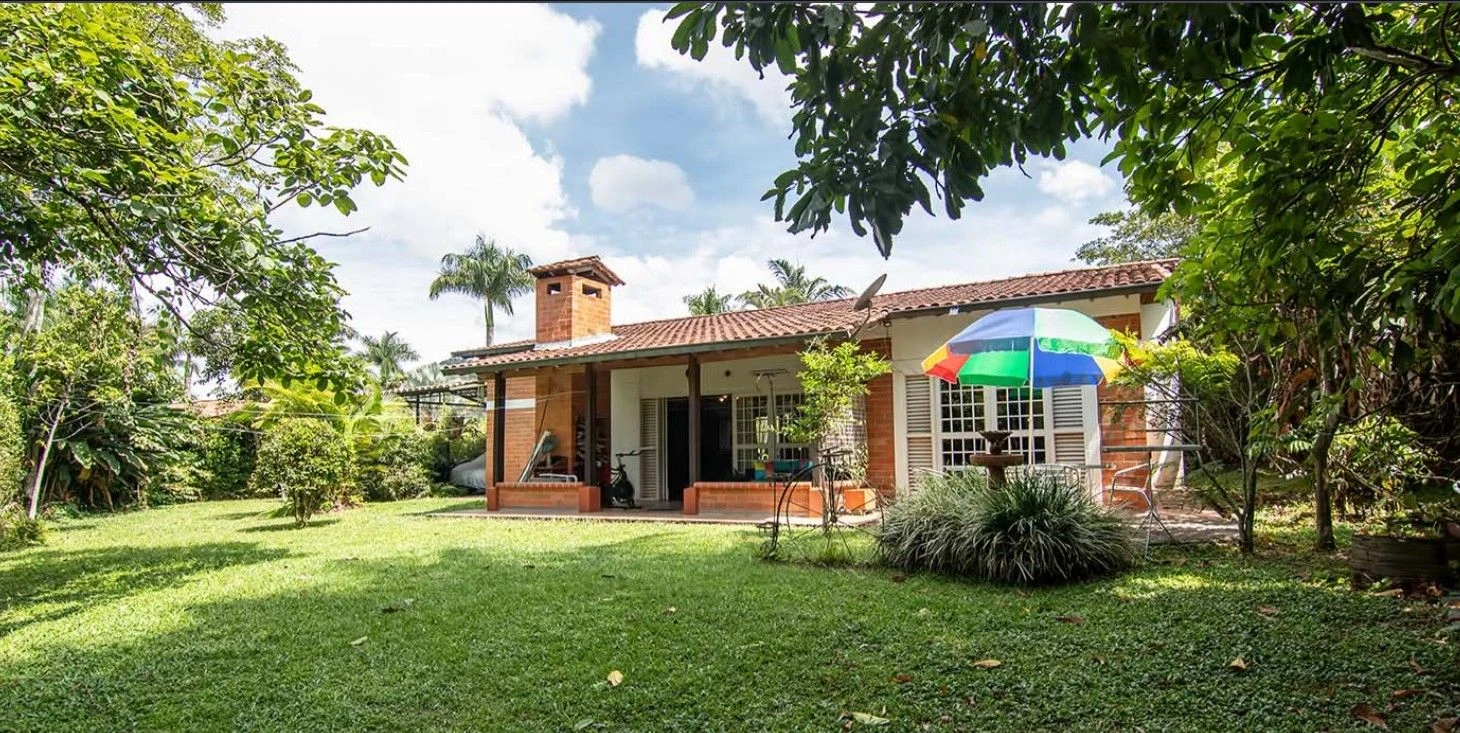
Rural searches quickly cross municipal lines: Santa Elena, Guarne, Rionegro, El Retiro, and La Ceja to the east; San Jerónimo toward the warmer west; Copacabana closer in. Treat those as examples, not a ranking. Two properties in one municipality can sit far apart on very different roads — Santa Elena's territory alone spreads across roughly 17 rural settlements. So don't trust a listing's drive-time claim; real travel time changes with route, weather, and the exact vereda. This casa finca in Copacabana is a useful listing to dissect.
What to ask before you message a seller
A good first message is boring on purpose. Before you get attached, ask for:
- The matrícula inmobiliaria — the property's registry identifier.
- A recent Certificado de Tradición y Libertad (CTL) for ownership and liens, from the Superintendencia de Notariado y Registro — best no older than about 30 days.
- The cadastral ficha predial — ask your lawyer to review the recorded area and boundaries.
- Land use under the municipal POT, PBOT, or EOT — confirm your specific plan is actually permitted.
- The access road (public or shared?), the water source (acueducto veredal, well, or stream), plus electricity and internet.
None of this replaces professional help. A Colombian transfer normally runs through an escritura pública before a notary and registration with the local Oficina de Registro de Instrumentos Públicos, so have a lawyer review the file first. My guide to buying real estate as a foreigner covers that side, and here's how to find fincas without the WhatsApp chaos.
The visit-day walkthrough
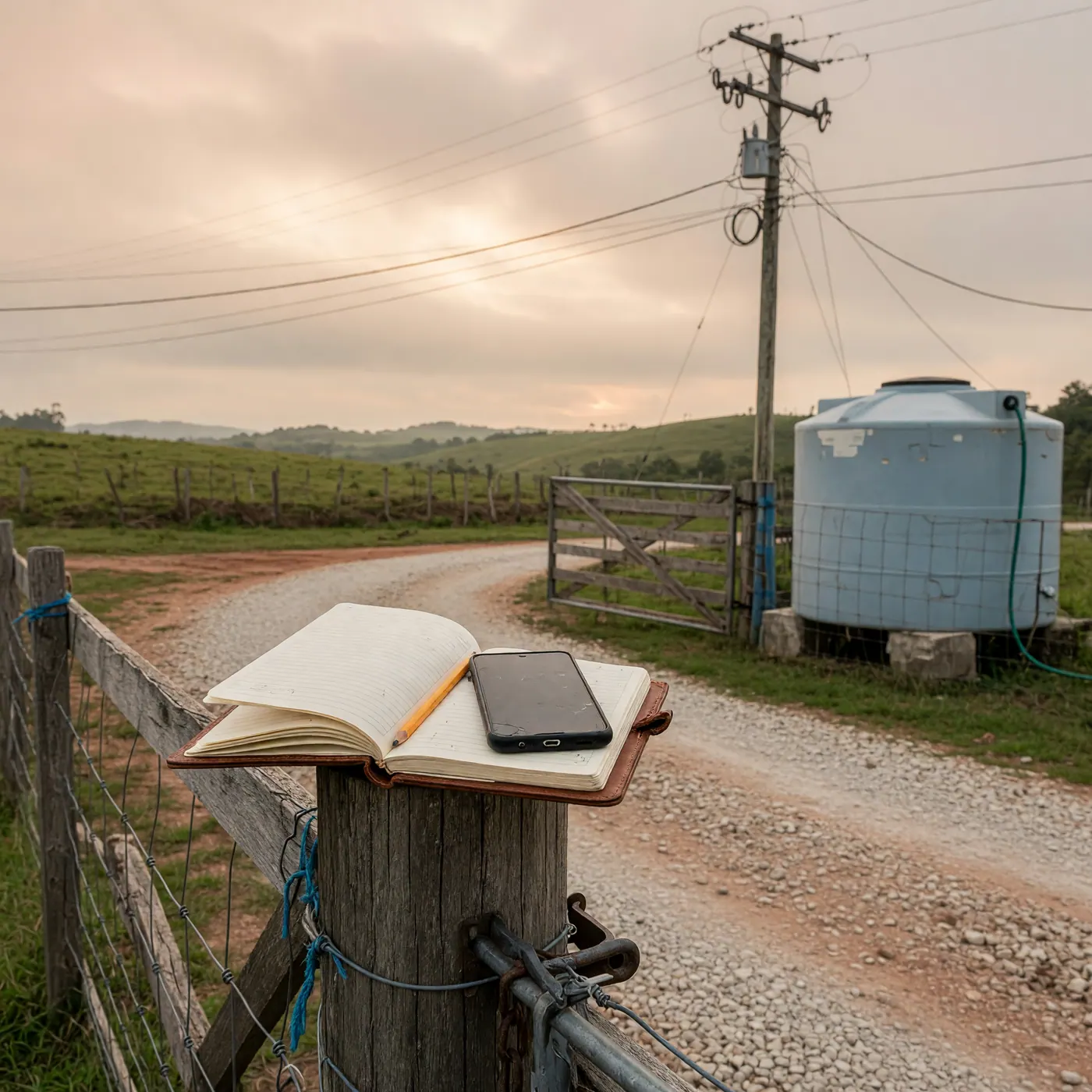
Photos hide what matters, so the visit is where you earn your discount. Walk — don't just drive — the access road and notice the slope, the mud, and who controls the gate. Confirm the water actually runs, check your phone signal where you'd work, and note where rain drains after a storm. Match the boundary markers to the title, not the fence someone moved years ago. And visit twice — once dry, once right after rain — because a charming gravel road and a slick clay track in a downpour are not the same property. Then time the drive back to what you use weekly.
Frequently Asked Questions
❓ What's the difference between a finca, a lote, and a casa campestre?
A finca is rural land with existing use, a lote is raw land, and a casa campestre is a finished country house — lifestyle now, a blank slate to build on, or move-in convenience.
❓ Is a lote cheaper, and how much does finishing one add?
A lote is often cheaper upfront, but not always once you finish. The price ignores buildability, access, and getting water and power to the site, so budget a lote as land plus everything needed to live there.
❓ What documents should I ask for before visiting a rural property?
Start with the matrícula inmobiliaria and a recent Certificado de Tradición y Libertad for ownership and liens, which you request from the Superintendencia de Notariado y Registro using that matrícula. Then ask about the cadastral ficha predial, confirm land use directly with the municipality under its POT, PBOT, or EOT, and check access, water, and power — and have a lawyer review the file before you commit.
❓ What are the biggest red flags, and how do I stay safe?
Watch for a vague location, no matrícula inmobiliaria, unclear access, suspiciously exact drive times, and missing water or power details. A price far below the market is a warning sign, not a bargain — Colombia's Policía Nacional flags unusually low prices and pressure to pay fast as common scam signals. The safest move: verify the documents with a lawyer and never send meaningful money before visiting in person.
❓ Where should I search, and should I use Colombia Move before hiring a lawyer?
Look across FincaRaiz, Facebook groups, local referrals, and Colombia Move, then shortlist. Listings are great for comparing access, water, and seller details — but use them to prepare, not to replace legal and technical due diligence.
Comments
Loading comments...
Checking sign-in status...