
Colombian Food Guide: 20 Must-Try Dishes, Prices & Street Food
A practical Colombian food guide with must-try dishes, real prices, street-food safety tips, arepas, bandeja paisa, and what to order first.
IDIOMA DEL ARTÍCULO
Showing original language
Colombian food is one of the best surprises waiting for you here. Forget what you think you know about “Latin American food” — Colombia has its own distinct cuisine that varies dramatically by region, and a lot of it is surprisingly affordable.
After living here, these are the 20 dishes that define daily eating in Colombia. Some are comfort food you’ll eat weekly, others are regional specialties worth traveling for.
Make arepas at home after you learn the local style
Arepas are not only street food; they are the everyday breakfast and late-night base you will see across Colombia. If you are searching for a Colombian food cart dish, the practical first answers are usually arepas or empanadas: cheap, fast, easy to compare by city, and best from vendors with steady turnover.
At home, even thickness matters because it helps the arepa cook evenly without turning dry or breaking at the edges.
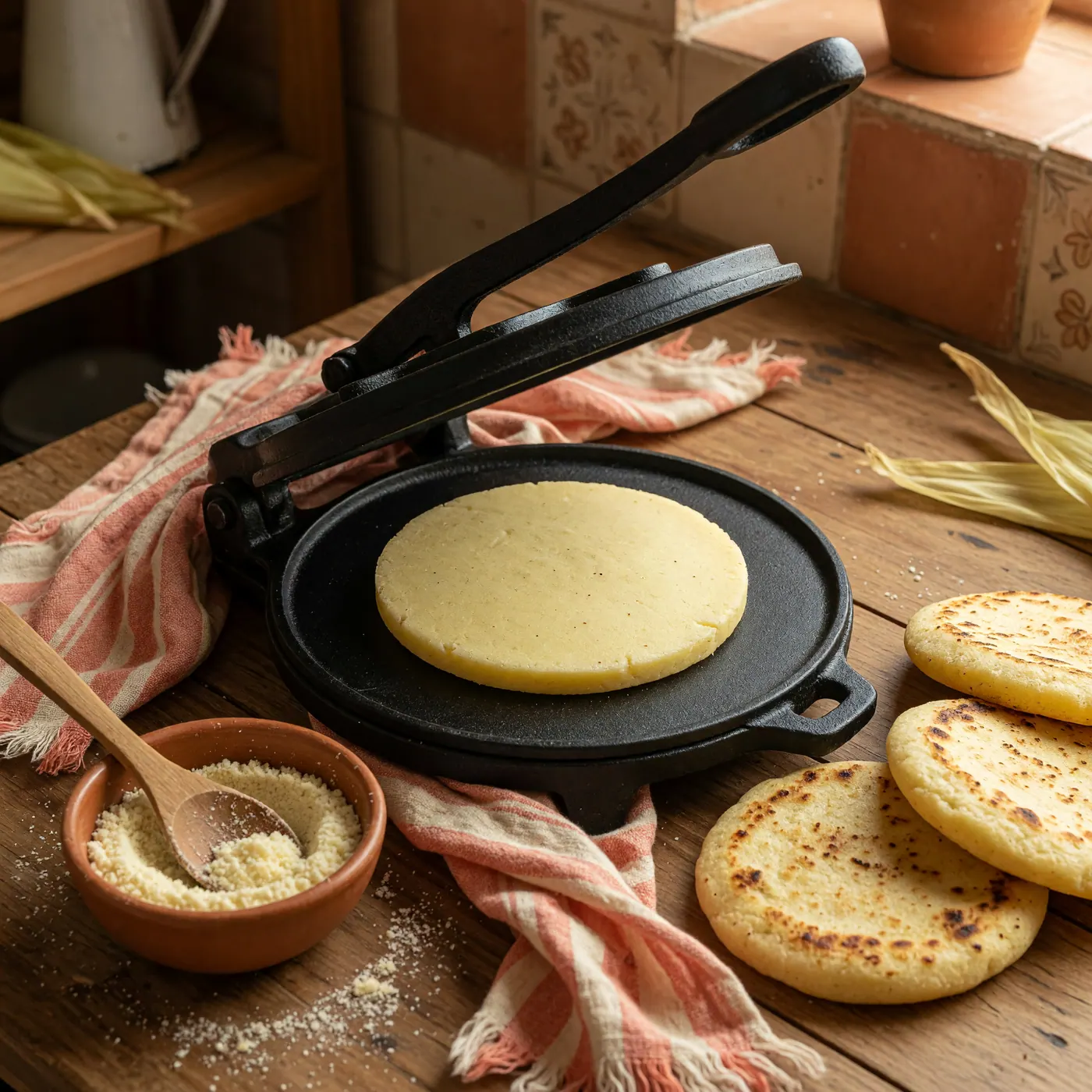
The home version will never replace a good street cart, but it is useful once you know the texture you like and want a reliable breakfast setup in your own apartment.
Arepas are not only street food; they are the everyday breakfast and late-night base you will see across Colombia. If you are searching for a Colombian food cart dish, the practical first answers are usually arepas or empanadas: cheap, fast, easy to compare by city, and best from vendors with steady turnover.
At home, even thickness matters because it helps the arepa cook evenly without turning dry or breaking at the edges.
Start with an arepa de queso or an empanada with aji on the side. Look for hot oil or fresh griddle cooking, a line of local customers, and food that is moving quickly instead of sitting in the sun.
The Essentials — You’ll Eat These Weekly
Regional Specialties — Worth Seeking Out
Street Food — The Real Colombia
Drinks You Need to Try
Where to Eat in Colombia
- Corrientazo restaurants — “menu of the day” restaurants serving soup + main + juice + dessert for COP 10,000–15,000 ($2.50–$3.60). This is how most Colombians eat lunch. Look for handwritten signs saying “Almuerzo” or “Correintazo.”
- Street carts — empanadas, arepas, chorizos, obleas. Safe to eat from busy vendors. If there’s a line of Colombians, it’s good.
- Mercados (markets) — Plaza Minorista in Medellín, Paloquemao in Bogotá. Huge food courts with the freshest, cheapest meals in the city.
- Rappi delivery — Colombia’s DoorDash. Order from any restaurant. Great for lazy days or when you want variety.
For more on food costs, check our cost of living in Medellín breakdown.
Planning your move to Colombia?
Our Start Here guide covers everything from visas to banking to finding your first apartment.
Read the Start Here Guide →📖 Related Guides
Frequently Asked Questions
What is the most popular food in Colombia?
Arepas and empanadas are the most commonly consumed foods across Colombia — eaten daily by millions of people. Bandeja paisa is the most iconic dish of the Paisa region of Antioquia, closely associated with Medellín and the Eje Cafetero, though it is not an officially designated national dish of Colombia.
How much does a meal cost in Colombia?
Prices are rough everyday ranges and vary by city, neighborhood, and vendor. A corrientazo (daily lunch special with soup, main course, juice, and dessert) typically runs around COP 10,000–15,000. Street food like empanadas usually costs COP 1,500–3,000. Restaurant meals range broadly from COP 15,000–45,000 depending on the venue. These are general estimates based on everyday Colombian eating as of mid-2026.
How much does bandeja paisa cost in Colombia?
A typical bandeja paisa runs around COP 18,000–30,000 at a traditional restaurant — portions and restaurant type affect the price, and spots in tourist areas or upscale neighborhoods tend to charge more. These are rough ranges as of mid-2026; they vary by city and venue.
Is Colombian street food safe to eat?
A busy stand with high customer turnover is a good sign — freshly cooked, piping-hot food is usually lower-risk than food that has been sitting out in the sun. Avoid exposed items at slow-moving stalls, especially seafood or meats that need refrigeration. Empanadas, arepas, and chorizos cooked to order at active spots are among the safer first choices; if anything looks like it's been sitting out for a while, skip it.
Is Colombian food spicy?
No. Colombian food is one of the least spicy cuisines in Latin America. Ají (a mild salsa made from herbs and peppers) is served on the side, never cooked into the food. If you want heat, you have to add it yourself. This surprises many visitors from Mexico or Southeast Asia.
What Colombian food cart dish should I try first?
Start with an arepa de queso or an empanada with ají on the side. Look for vendors cooking fresh batches for a steady line of locals, with food moving quickly rather than sitting out. Once you’re comfortable, try a chorizo with arepa or a mazorca (roasted corn) from a market cart — both are common street finds and easy for first-timers.



Comments
Loading comments...
Checking sign-in status...