
Buying a Used Car in Colombia: Paperwork, RUNT Checks, and Inspection
Buying a secondhand car in Colombia gives you complete independence to explore the country. This step-by-step guide covers RUNT biometric registration, pre-purchase mechanical inspections (peritaje), lien checks, and the official title transfer process.
IDIOMA DEL ARTÍCULO
Showing original language
Buying a secondhand car or motorcycle in Colombia unlocks incredible road trips through the Coffee Region, coastal highways, and scenic mountain passes. However, purchasing a vehicle as a foreigner requires navigating a structured bureaucratic workflow. Without proper due diligence, buyers risk inheriting hidden traffic fines, legal liens (prendas), or severe mechanical defects.
The good news? You do not need Colombian citizenship or permanent residency to legally own a vehicle. Whether you hold a Cédula de Extranjería or a foreign passport, you can register title ownership as long as you complete the official registration steps. According to active Colombia Move marketplace data (August 2026), the vehicle section currently has 13 active listings. Here is the step-by-step guide to finding, inspecting, verifying, and transferring a used vehicle in Colombia without legal surprises.
Can Foreigners Buy a Car in Colombia? (RUNT Registration Explained)
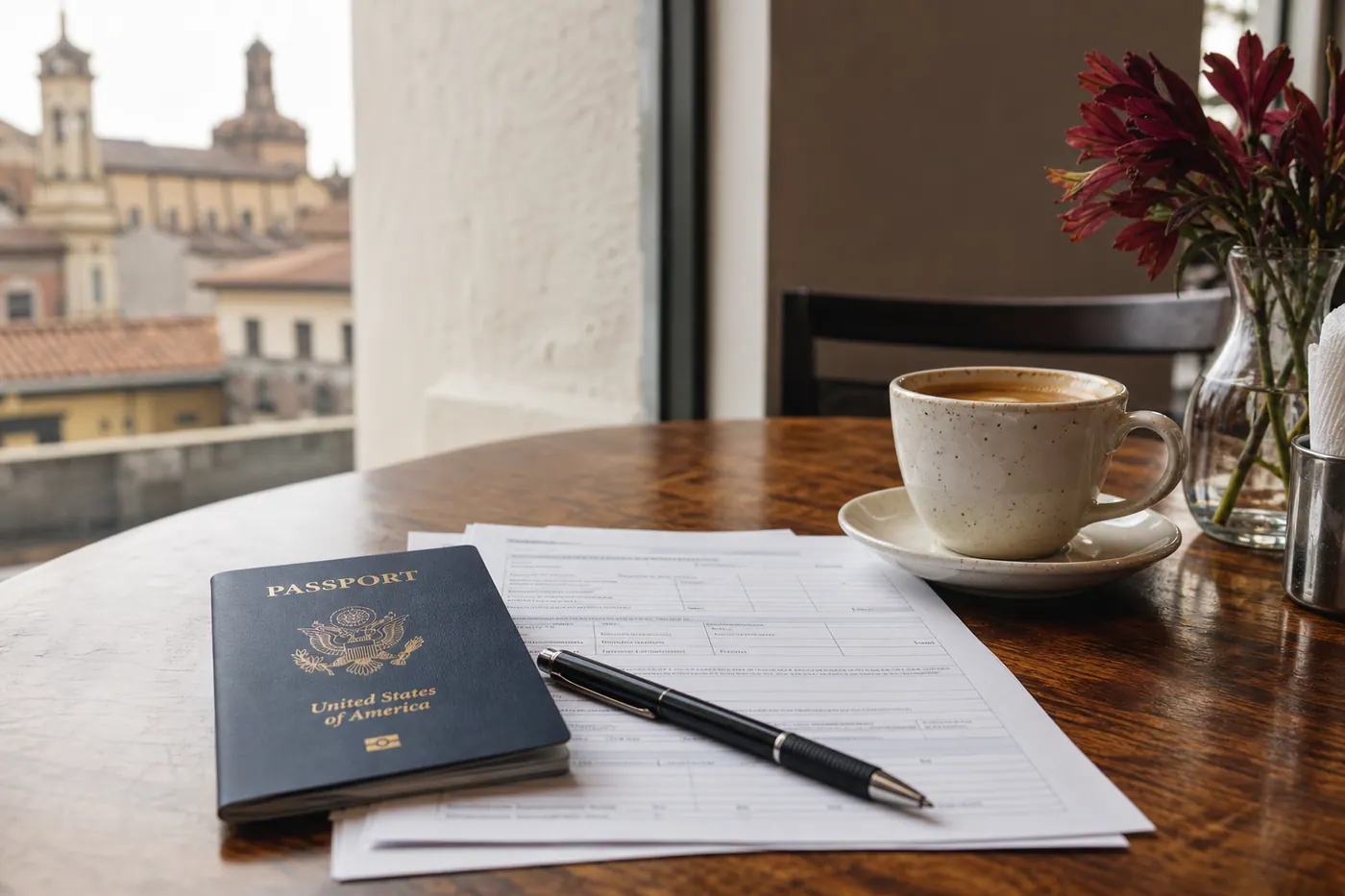
Yes, foreigners can legally buy and register a vehicle in Colombia using either a Cédula de Extranjería (CE) or a valid foreign passport. Before any vehicle title transfer (traspaso) can be submitted to a municipal transit agency, both the buyer and seller must be registered in the official national database: the RUNT (Registro Único Nacional de Tránsito).
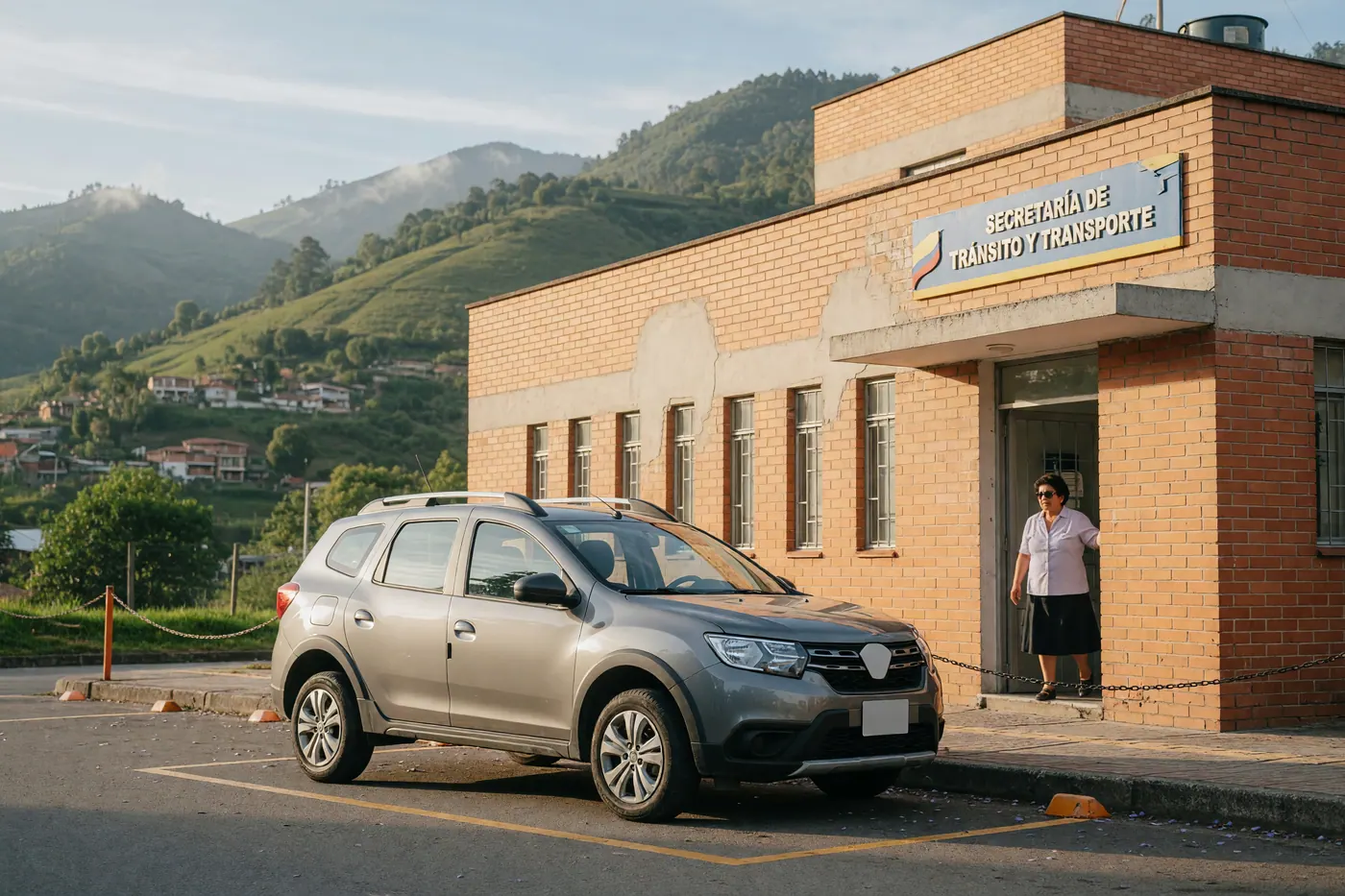
This registration is called inscripción de persona natural. To complete it, you must visit a local transit secretariat or municipal service center (such as the Ventanilla Única de Servicios - VUS in Bogotá, or a Secretaría de Movilidad in Medellín, Envigado, or Cali) in person.
- Required Documents: Original passport or Cédula de Extranjería.
- Biometric Capture: The transit office will scan your fingerprints, record a digital signature, and take your photo.
Once registered, your RUNT profile remains active permanently. Note that registering in RUNT for vehicle ownership does not automatically grant you a local driver's license. If you plan to drive long-term on Colombian roads, review our guide on how foreigners get a Colombian driver's license.
Step 1: Legal Due Diligence (RUNT, SIMIT & Tax Checks)
Never hand over cash or sign a purchase agreement based solely on a seller's word. Before scheduling a physical viewing, run complete background checks on the vehicle's license plate (placa) and the seller's identification number.
1. Request the RUNT Digital Query or Certificado de Tradición
Query the vehicle plate on the official RUNT portal to verify key legal credentials. Ensure the vehicle has an active SOAT (compulsory traffic accident insurance) and an up-to-date Revisión Técnico-Mecánica (RTM) recorded directly in the national system. For absolute certainty, pull a Certificado de Tradición y Libertad del Vehículo, which reveals:
- Active financial liens (prendas) from bank loans.
- Judicial retention orders or court embargoes (embargos).
- History of ownership transfers and color/engine modifications.
If you want a deeper walkthrough on verifying bank liens and court holds, check our technical guide on consulting vehicle embargos in RUNT.
2. Verify SIMIT Traffic Fines
The national SIMIT (Sistema Integrado de Información sobre Multas y Sanciones por Infracciones de Tránsito) database logs traffic citations across all municipalities. Under Colombian law, transit offices will instantly reject a title transfer if either the buyer or the seller has unpaid fines (comparendos). Both parties must show 100% paz y salvo status.
3. Confirm Departmental Vehicle Taxes
Vehicles are subject to an annual departmental tax (impuesto vehicular). Demand physical or digital tax receipts showing that all annual payments for the past 5 years are settled with the regional treasury (Secretaría de Hacienda).
Step 2: The Mechanical Inspection (Peritaje Vehicular)
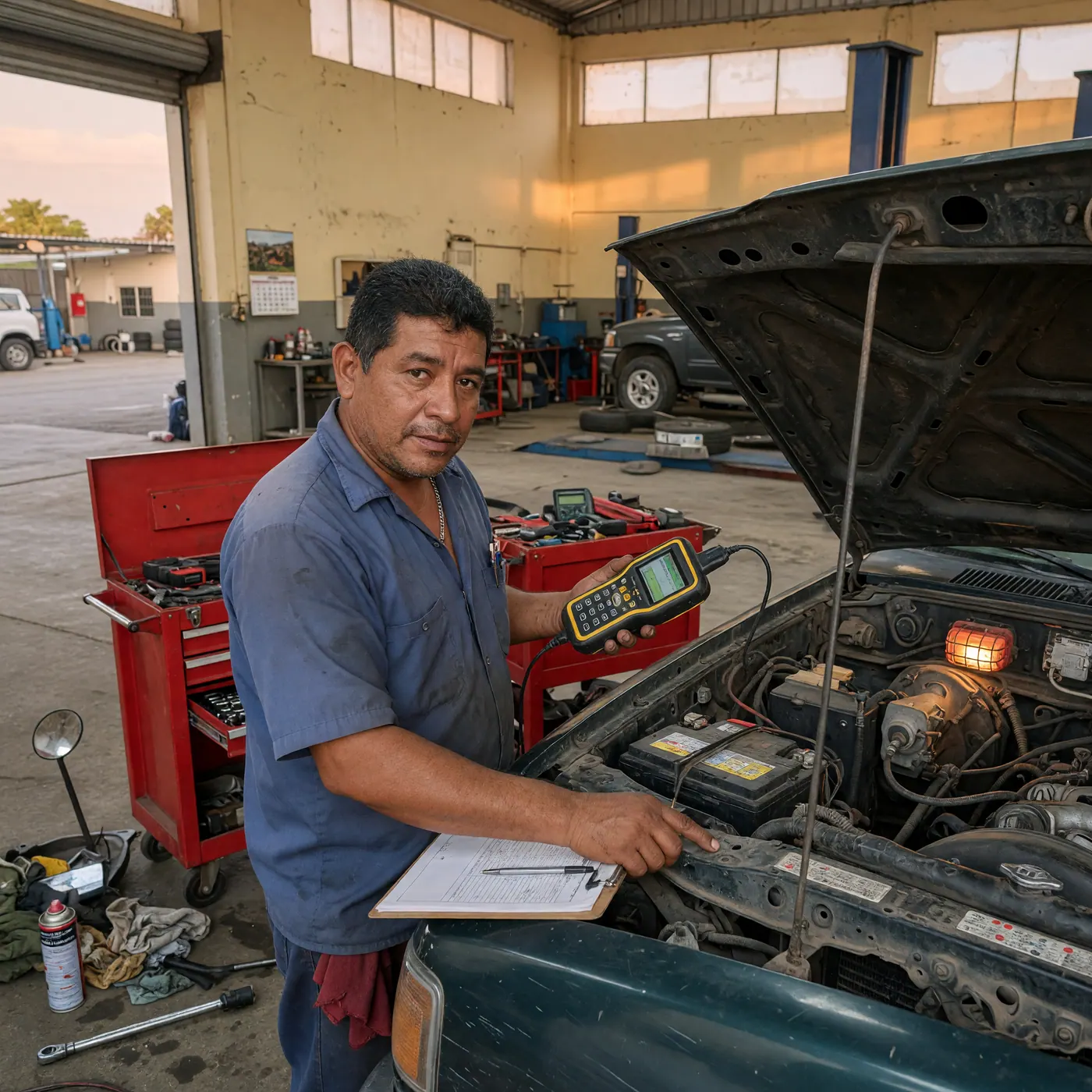
A clean legal title on RUNT guarantees legal standing, but it does not tell you if the engine is failing or if the frame was bent in a highway collision. A professional pre-purchase inspection—known in Colombia as a peritaje vehicular—is essential for any smart buyer.
Book the vehicle into an authorized inspection center or Centro de Diagnóstico Automotor (CDA) such as AutoMás or Colserauto. A standard peritaje typically costs between 150,000 COP and 350,000 COP (~$48 to $112 USD at the August 15, 2026 TRM) depending on the vehicle type and detail level.
| Inspection Area | What the Peritaje Evaluates | Why It Matters for Buyers |
|---|---|---|
| Chassis & Structure | Laser alignment & frame weld checks | Detects hidden structural crash damage. |
| Engine & Transmission | Compression test & OBD-II scanner | Identifies costly mechanical leaks or fault codes. |
| Paint & Body | Micrometer coating thickness check | Uncovers non-factory resprays and body filler. |
| Brakes & Suspension | Bench test for force and shock damping | Verifies road safety and upcoming maintenance costs. |
| Improntas Check | Physical rubbings of motor/chassis VINs | Ensures numbers match RUNT and prevents cloned cars (gemeleo). |
During the inspection, technicians will take physical carbon-paper rubbings or verified digital photos of the engine and chassis serial numbers (called improntas). These physical improntas must be attached directly to the official transfer paperwork.
Step 3: Paperwork, Sale Contract, and Cost Breakdown
Once the peritaje is approved and background checks are clear, prepare the official sale documents. You will need:
- Contrato de Compraventa de Vehículo Automotor: Bilateral sales contract specifying vehicle details, final sale price, payment terms, and date of delivery. Signatures should be authenticated (diligencia de reconocimiento de firma) at a local notary.
- Formulario Único Nacional de Solicitud de Trámites del Registro Nacional Automotor: The official standardized MinTransporte form filled out and signed by both buyer and seller.
- Physical Improntas: Engine and chassis serial rubbings glued to the application form.
- Valid SOAT and RTM: Active status confirmed in RUNT.
Who Pays Which Transfer Fee?
The total financial cost of a vehicle transfer (traspaso) includes local municipal transit rights plus a national withholding tax. Customarily in Colombia, administrative transit fees are split 50/50, while the seller pays the tax:
- Municipal Transit Rights: ~150,000 to 260,000+ COP depending on the city secretariat (Bogotá VUS, Medellín, Envigado, etc.). Customarily split equally between buyer and seller.
- Retención en la Fuente (1% DIAN Tax): A 1% withholding tax calculated on the vehicle's official commercial appraisal (avalúo comercial) set by MinTransporte. It is commonly paid by the seller, but the parties should record their agreement in the contract.
If you are transferring funds into Colombia to complete the vehicle purchase, ensure you use regulated channels to obtain accurate market rates; see our practical guide on converting USD to COP safely.
Step 4: Submitting the Traspaso and Final Payment Protocol
To finalize ownership, both parties (or an authorized agent holding a notarized power of attorney/poder) must present the file at the municipal transit secretariat where the vehicle is registered.
The Safe Payment Rule
Never release 100% of the purchase price before the paperwork reaches the transit window. A safer payment sequence is:
- Contract Signing: Pay only the small earnest deposit agreed in the notarized contrato de compraventa.
- Transit Submission (Radicación): Present the completed package at the transit office. The official clerk will review documents, perform biometric fingerprint verification for both parties, and issue a formal filing receipt (radicado de trámite).
- Final Balance Release: Pay the remaining balance via electronic bank transfer or cashier's check once the file is officially stamped and accepted (radicado) by the transit authority.
After processing (usually 2 to 8 business days depending on municipal workload), the transit secretariat issues the new physical Licencia de Tránsito (vehicle title card) printed with your name and passport/CE number. Similar rules apply if you are buying or selling two-wheelers; for more on motorcycle transfers, review our overview on motorcycle paperwork and traspasos in Colombia.
Frequently Asked Questions
❓ Can I buy a car in Colombia with only a tourist passport?
Yes, foreigners can purchase and register a vehicle using a valid passport. You must first register in person at a local transit office to complete your RUNT biometric fingerprinting.
❓ What is a peritaje and is it legally mandatory?
A peritaje is an independent pre-purchase mechanical, electrical, and structural inspection. While not strictly mandatory by transit law, it is practically essential to avoid buying flood-damaged, crashed, or mechanically failing cars.
❓ How much does a vehicle transfer (traspaso) cost and who pays?
As verified against official transit and DIAN sources on August 17, 2026, municipal transfer rights generally range between 150,000 COP and 260,000+ COP, plus a 1% national withholding tax on the commercial appraisal. Customarily, administrative transit fees are split 50/50, while the seller pays the 1% tax.
❓ How do I check if a used car has outstanding fines or liens?
Query the vehicle plate on the national RUNT portal to check for active liens (prendas) and verify both buyer and seller ID numbers on the SIMIT database for unpaid traffic citations.
❓ How long does the title transfer take to appear in my name?
Once the complete file is accepted and stamped (radicado) at the transit secretariat, approval and printing of your new Licencia de Tránsito card takes 2 to 8 business days.
❓ When should I hand over the purchase money to the seller?
Never pay the full purchase amount upfront. The safest practice is paying a small deposit at contract signing and releasing the balance only after the transfer paperwork is officially accepted (radicado) at the transit window.


Comments
Loading comments...
Checking sign-in status...