Where to Buy Groceries in Bogotá: D1, Ara, Éxito, Carulla, Markets & Delivery
Looking for a grocery store near you in Bogotá? Compare D1, Ara, Éxito, Carulla, Jumbo, Paloquemao, and delivery options by budget and neighborhood.

IDIOMA DEL ARTÍCULO
Showing original language
My first month in Chapinero, I made the rookie mistake of assuming all supermarkets were roughly equal. I walked into a Carulla for a weekly shop and came out having spent about double what my neighbors were paying. Three blocks away was a D1. Nobody had told me.
Bogotá's grocery scene is actually excellent once you understand it — incredible fresh produce, prices far below what most expats are used to, and a range from bare-bones discount stores to upscale hypermarkets stocked with European imports. The city also has Paloquemao, one of the best public markets in Latin America, which changes your baseline for what vegetables should cost.
This guide covers the full picture: every major supermarket chain, neighborhood-by-neighborhood recommendations, Paloquemao and Corabastos, real price ranges, and delivery options. If you want a country-wide overview first, check out the complete Colombia grocery guide — this post digs specifically into Bogotá.
Where to buy groceries in Bogotá — the quick answer:
- Lowest prices on staples: discount stores like D1 and Ara, within a short walk almost anywhere.
- Full weekly shop: Éxito, Carulla or Jumbo for the widest range of categories.
- Freshest produce: Paloquemao or your neighborhood plaza — best prices, best quality.
- Imported items: Carulla and Jumbo carry the European and specialty brands.
- No time to shop: delivery or pickup via Rappi, Merqueo, or the chains' own apps.
Still deciding? Match your situation to the best store in one glance:
| If you need… | Best option | Keep in mind |
|---|---|---|
| Cheapest staples | D1 or Ara | Whichever is closest; little fresh produce |
| Full weekly shop | Éxito, Carulla or Jumbo | Widest range under one roof |
| Freshest produce | Paloquemao or your local plaza | Best quality and price; bring cash |
| Imported / specialty | Carulla or Jumbo | European brands, wider international aisle |
| Late-night or urgent | Tienda de barrio or a delivery app | Check branch hours first |
| No time to shop | Rappi, Merqueo or a chain app | Fees and timing vary by address |
| First-apartment stock-up | D1 for basics + one market run | Compare nearby stores before one big shop |
The Supermarket Chains You'll Actually Use
Bogotá has every tier of supermarket, from discount chains that'll get your weekly shop done for under 80,000 COP (around $20) to upscale stores where imported Parmesan costs three times the price of the local block. Here's how they stack up.
D1 and Ara — Your Budget Anchors
D1 is everywhere in Bogotá — in most neighborhoods you're within a 10-minute walk of at least one. The chain operates on a no-frills, own-brand model, which is why prices are so good. Chicken breasts run around 11,000–14,000 COP/kg, eggs are 700–800 COP each, and staples like rice, pasta, and cooking oil are noticeably cheaper than anywhere else.
The catch: very limited selection, almost no fresh produce, and small stores. D1 is for stocking pantry staples, not building a complete weekly shop.
Ara is similar but usually has a small fresh produce section and slightly more variety. It's owned by the Portuguese Jerónimo Martins group — same parent company as Poland's Biedronka — and gives D1 real competition on price. In terms of value, they're neck and neck. Want the numbers? See our D1 vs Ara vs Éxito price comparison.
Éxito — The Reliable Full-Service Option
Éxito is Colombia's standard mid-range supermarket. You can do a full weekly shop in one trip: fresh produce, meat counter, bakery, household goods, and in the larger hypermarket formats, a pharmacy and electronics section.
Prices are higher than D1 — sometimes meaningfully so — but the produce quality is more consistent and the selection is much wider. Éxito's own-brand products are decent and priced competitively. For expats who want the one-stop experience without the Jumbo premium, Éxito is usually the answer.
Carulla — The Expat Favorite
Carulla is the premium arm of Grupo Éxito. You'll find imports that simply don't exist in other stores: decent olive oil, European cheeses, international pasta brands, organic produce, and in-store bakeries that are genuinely excellent. The Carulla on Calle 72 in Chapinero is one of the better-stocked stores in the city.
The trade-off is price — roughly 30–50% more than Éxito on comparable items. But if you're cooking the way you cooked back home, Carulla becomes a regular stop. Most expats end up with a hybrid approach: D1 for staples, Carulla for imports and fresh items.
Jumbo — One-Stop Shopping at Scale
Jumbo (also Grupo Éxito) operates large hypermarkets with some of the widest selections in the city: multiple aisles of international foods, a proper wine section, a seafood counter, and non-grocery items. For hunting down harder-to-find imported products or stocking up in bulk, Jumbo is worth the trip.
The downside: Jumbo locations are typically in malls or large shopping centres, which means crowds and parking frustration on weekends. Factor that in before you plan a Saturday trip.
Where to Shop in Each Bogotá Neighborhood
The city's grocery options vary quite a bit depending on where you live. Here's what to expect in the neighborhoods most popular with expats and long-term residents.
Chapinero and Zona Rosa
Well-stocked. Multiple D1 stores, at least one Carulla (Calle 72 is the one locals actually prefer), and several Éxito branches. There's also the Mercado Orgánico de Chapinero near Parque 93 on weekends — good for seasonal vegetables, artisan bread, and Colombian honey. Organic and excellent, though definitely not cheap.
Usaquén
The upscale northeast runs on Carulla and Éxito. The Carulla near Usaquén plaza is one of the better-stocked stores in the city. The Saturday Usaquén craft market has a food section with fresh produce, cheese, and specialty goods that's worth adding to your weekend routine.
La Candelaria and Downtown
The historic centre has fewer big supermarkets and more tiendas de barrio — small shops selling basics. There's a Jumbo nearby. For fresh produce, the neighbourhood plazas de mercado scattered around downtown are your best bet: cheap, chaotic, and full of things you won't recognise but should try.
Teusaquillo and La Macarena
These central neighbourhoods have solid Éxito and D1 options. La Macarena is known for independent food shops, bakeries, and specialist stores — great for specialty items, but you'll still want a proper supermarket for the weekly stock-up. If you're figuring out which Bogotá neighbourhood to settle in, the Bogotá neighbourhood guide has a full breakdown.

Paloquemao Market — The One You've Heard About

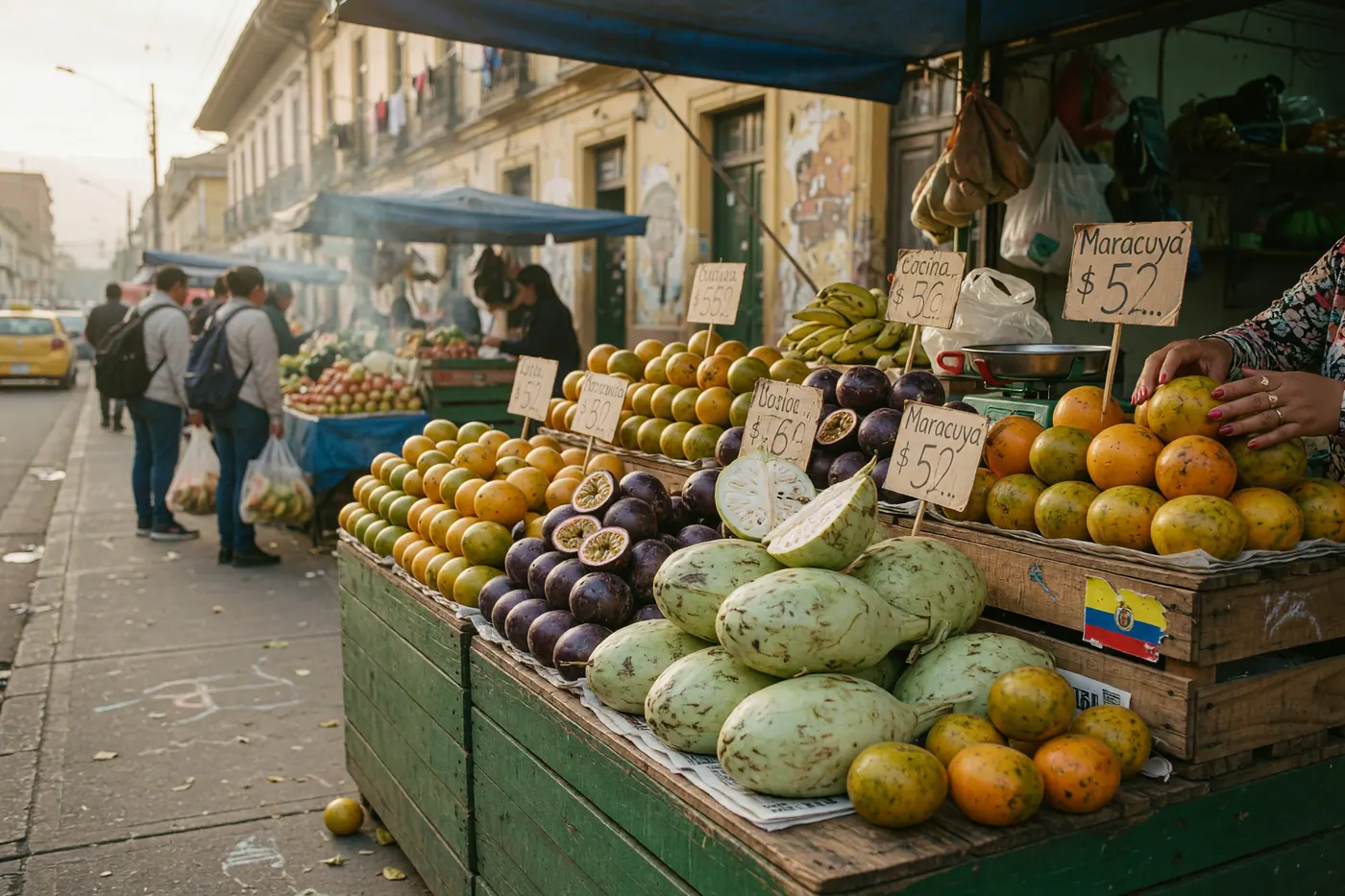
Paloquemao is the market everyone tells you to visit, and for once the hype is deserved. It's a full covered market near the historic district with separate sections for flowers, fruits and vegetables, meat, and fish. The produce is genuinely extraordinary — aguacates, maracuyá, lulo, granadilla, feijoa, and at least 15 other things you haven't tried, all at prices that make Carulla feel obscene.
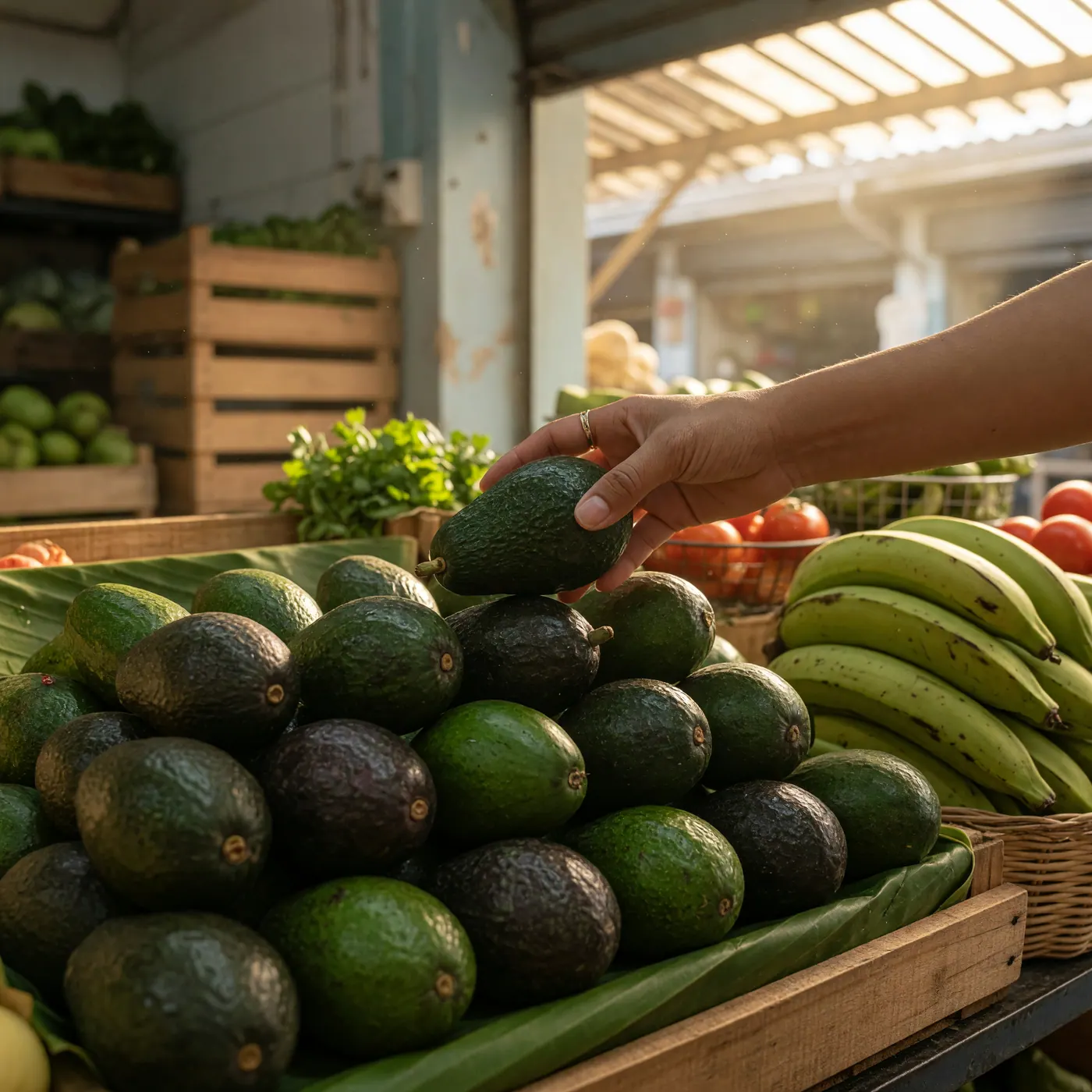
A kilogram of tomatoes: 1,500–2,500 COP. Avocados: 1,000–2,500 COP each depending on size and season. A bunch of cilantro: 500 COP. The cut flowers are so cheap that a weekly bouquet becomes a perfectly reasonable habit.
Best times to go: Tuesday through Friday, arriving before 10 AM. Saturdays are packed and overwhelming; Mondays have reduced selection. Navigation is a bit confusing the first time — bring cash, since card readers exist but aren't universal, and leave your backpack lighter than usual.
Corabastos — For the Budget-Conscious and the Determined
Corabastos is Bogotá's massive wholesale food terminal, one of the largest in Latin America. Forty-plus hectares, thousands of vendors, prices that beat almost everything in the city.
I'd only recommend it if you have a Colombian contact who can guide you the first time. It's genuinely hard to navigate solo, requires some negotiation, and you'll need a vehicle to get your groceries home. If you're cooking for a large household, running a small food business, or hosting events regularly, it's worth learning. For the average expat weekly shop, Paloquemao covers the same produce needs at a fraction of the chaos.

Real Grocery Prices in Bogotá (2026)
Here's what you'll actually pay — treat these as rough ranges, not quotes, since they shift with season, store and inflation. USD equivalents use a TRM of about 3,600 COP per dollar; for today's rate, check the live TRM and converter.
| Item | D1 / Ara | Éxito / Carulla | Paloquemao |
|---|---|---|---|
| Eggs (12) | ~9,000 COP | ~10,500 COP | ~8,000 COP |
| Chicken breast (1 kg) | 12,000–15,000 COP | 15,000–20,000 COP | N/A (buy at market) |
| Avocado (each) | — | 2,500–4,500 COP | 1,000–2,500 COP |
| Tomatoes (1 kg) | — | 3,000–5,000 COP | 1,500–2,500 COP |
| Milk (1 L) | ~3,200 COP | ~4,000 COP | — |
| Imported olive oil (750ml) | — | 45,000–70,000 COP | — |
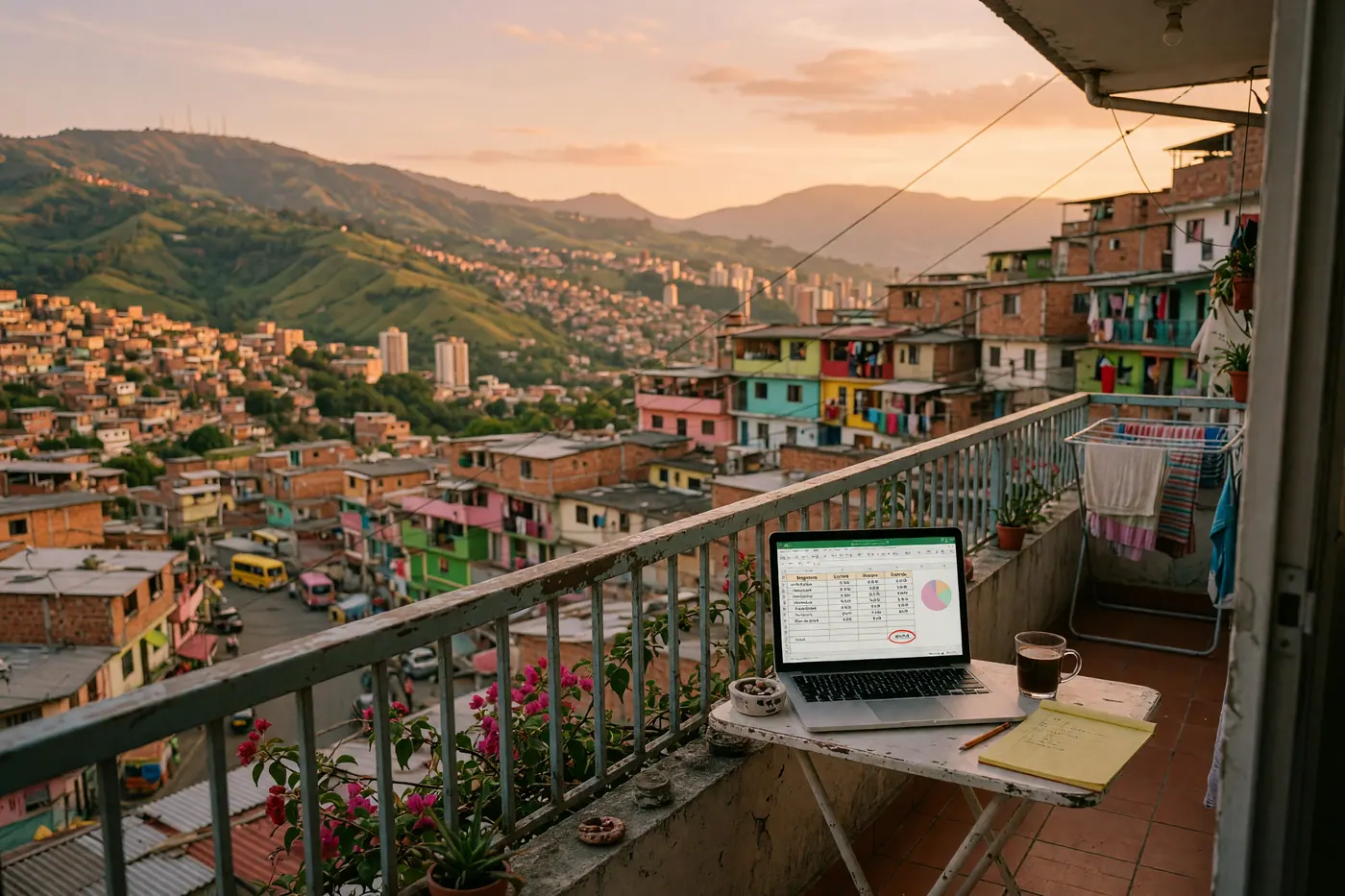
A reasonable weekly shop for one person costs 80,000–120,000 COP (~$20–30) if you combine D1 for staples with a market or Éxito for fresh items. For a full picture of how this fits into broader living costs, the Colombia cost of living guide has detailed monthly breakdowns.
Getting Groceries Delivered
Rappi dominates delivery in Bogotá — both the app's own Rappi Turbo for small orders and its supermarket integration where you can shop directly from Éxito, Jumbo, or Carulla and get delivery in under an hour. It works well for top-ups and saves you hauling heavy things across the city on a rainy day. See the full delivery apps guide for how pricing and tipping works.
Merqueo is an online-only grocery service that can sometimes undercut in-store Éxito prices, with same or next-day delivery. Worth bookmarking even if you only use it occasionally.
Beyond the apps, the chains run their own delivery and pickup. D1's website now has a domicilios option, so you can order staples and have them brought home. Jumbo offers home delivery or in-store pickup and lists participating Bogotá-area stores — Santa Ana, Calle 170, Calle 80, Suba, Hayuelos, Bulevar Niza and Chía among them. Éxito and Carulla let you buy online (or by phone) and collect at a chosen store with their compra y recoge model. Coverage, minimum carts, fees and substitution rules all vary by address and what's in your basket, so check inside each app or site before you count on it.
A Few Things Nobody Mentions
The tiendas de barrio — the corner shops on nearly every block — are underrated. They're not cheap, but they're open when everything else is closed and are lifesavers for late-night emergencies. Building a relationship with your local tendero actually pays off; they'll sometimes hold things for you or extend informal credit.
Prices vary noticeably by neighbourhood. The same Éxito in Usaquén tends to be slightly more expensive than one in Teusaquillo. Bogotá's estrato system is real, and some retailers price accordingly.
Bogotá's altitude (2,600m) affects how some produce ripens. Buy Colombian-grown fruits and vegetables whenever possible — they're adapted to the conditions and far cheaper than imports. The aguacates from the market will consistently outperform anything flown in.
Beyond the big chains and markets, a lot of Bogotá food is sold directly by small producers — neighbourhood roasters, homemade arepas and tamales, prepared meals, and specialty pantry goods you won't find on a supermarket shelf. For local coffee, prepared food, or small sellers, you can also browse food listings from local sellers separately.
Have a question about shopping in Bogotá or found a great market we missed? The community at colombiamove.com/comunidad is a good place to ask fellow expats.
Frequently Asked Questions
❓ Where should I buy groceries in Bogotá?
It depends on your need and neighborhood: discount stores (D1, Ara) for staples, full supermarkets (Éxito, Carulla, Jumbo) for a weekly shop, and markets like Paloquemao for fresh produce. Most people combine two or three, and the best 'grocery store near me' usually comes down to your budget and where you live.
❓ How do I find a grocery store or supermarket near me in Bogotá?
Search your exact address in Google Maps or each chain's official store locator (Éxito, Carulla and D1 all have one). Discount chains are the densest, so in most neighborhoods the closest store is a D1 or Ara within a short walk; for a fuller shop, look up the nearest Éxito, Carulla or Jumbo. Always confirm the specific branch's current hours before heading out.
❓ Are grocery stores in Bogotá open 24 hours?
Don't assume any store is 24 hours — most Bogotá supermarkets keep standard daytime-to-evening hours that vary by branch, and they change on Sundays and holidays. A few large stores in malls stay open late, but check the specific store's current hours on Google Maps or the chain's site before a late-night run, or order through a delivery app instead.
❓ D1 vs Ara vs Éxito vs Carulla — which should I use?
For the lowest prices on staples, D1 and Ara are the discount options and both are cheap; which one is 'cheaper' shifts by product and what's in stock, so use whichever is closer. Éxito is the reliable mid-range full shop, while Carulla is the pricier premium arm with the best imported and specialty selection. Most people pair a discount store with an Éxito or a market run.
❓ Can I order groceries online for delivery in Bogotá?
Yes — order through Rappi or Merqueo, or directly from chains like Jumbo, Éxito and D1 where service reaches your address. Coverage, delivery fees, minimum orders and substitution rules vary by address, store and app, so confirm inside the app before relying on it. Store pickup ("compra y recoge") is a solid backup when delivery doesn't reach your building.
Start Exploring
Bogotá's grocery scene rewards a bit of exploration. Once you've figured out which D1 is closest, found a Paloquemao routine that works, and tracked down your local Carulla for the imported items you actually can't live without, the weekly shop becomes genuinely enjoyable. The city's produce alone makes it worth it.
Moving between cities? We break down the same options for groceries in Medellín and groceries in Cali — useful if you split time across Colombia.
Have questions about a specific neighbourhood, a store we didn't cover, or where to find a particular ingredient? Drop a comment below or share this with someone who's just arrived in Bogotá and figuring it all out.


Comments
Loading comments...
Checking sign-in status...