
ATM Fees and Card Withdrawals in Colombia: What Foreigners Should Know
Navigating cash withdrawals in Colombia can be costly if you accept automated exchange rates or pick low-limit ATMs. Here is how to minimize surcharges, protect your card, and know your rights under Colombian financial regulations.
IDIOMA DEL ARTÍCULO
Showing original language
Quick Answer: When withdrawing cash in Colombia using a foreign card, always select "Decline Conversion" or "Charge in COP" on the ATM screen to avoid Dynamic Currency Conversion (DCC) markups that add 5% to 12% in hidden fees. Local ATM operator surcharges typically range between COP 15,000 and COP 29,900 per transaction. To minimize fees, use high-limit machines like Servibanca or Davivienda (which allow up to COP 2,000,000 per pull) rather than low-limit machines like Bancolombia (capped around COP 600,000 for foreign cards).
Why Cash Remains Essential for Expats and Visitors in Colombia
While digital payments and card terminals are widely accepted in major Colombian cities like Bogotá, Medellín, and Cartagena, cash remains indispensable for everyday life. Taxi drivers, local neighborhood markets (surtidoras and plazas de mercado), street food stalls, and small service providers frequently require physical Colombian Pesos (COP).
Furthermore, when settling into local housing or negotiating short-term stays, landlords and vendors often rely on cash or direct transfers. Colombia Move had 332 active marketplace listings across its categories on August 7, 2026, a first-party snapshot of the goods, housing, and services newcomers may need to pay for. Understanding how to access physical currency efficiently without losing hundreds of thousands of pesos to banking markup fees is one of the most immediate financial skills you need upon arrival. If you want to see real-world options right now, you can post your services for free on Colombia Move — posting is completely free.
Understanding ATM Fees: Local Surcharges vs. Home Bank Fees
When you insert an international debit or credit card into a Colombian ATM, you are generally exposed to two distinct layers of fees:
- Local ATM Operator Surcharge: Charged directly by the Colombian bank owning the physical ATM terminal. As a general August 2026 estimate, this fee typically ranges between COP 15,000 and COP 29,900 per transaction.
- Home Bank Foreign Transaction & Out-of-Network Fees: Charged separately by your issuing bank. Check your card's current schedule before traveling because these charges and reimbursement policies vary.
| ATM Network | Typical Per-Transaction Limit | Practical Use |
|---|---|---|
| Servibanca | Up to COP 2,000,000 | Large lump-sum cash withdrawals can lower the operator fee as a percentage of the amount withdrawn. |
| Davivienda | Up to COP 2,000,000 | Higher-limit withdrawals, subject to the limit set by your home bank. |
| Bancolombia | Around COP 600,000 for foreign cards | Widely available, but the lower cap can increase the fee ratio per pull. |
How Withdrawal Limits Triple Your Relative ATM Costs
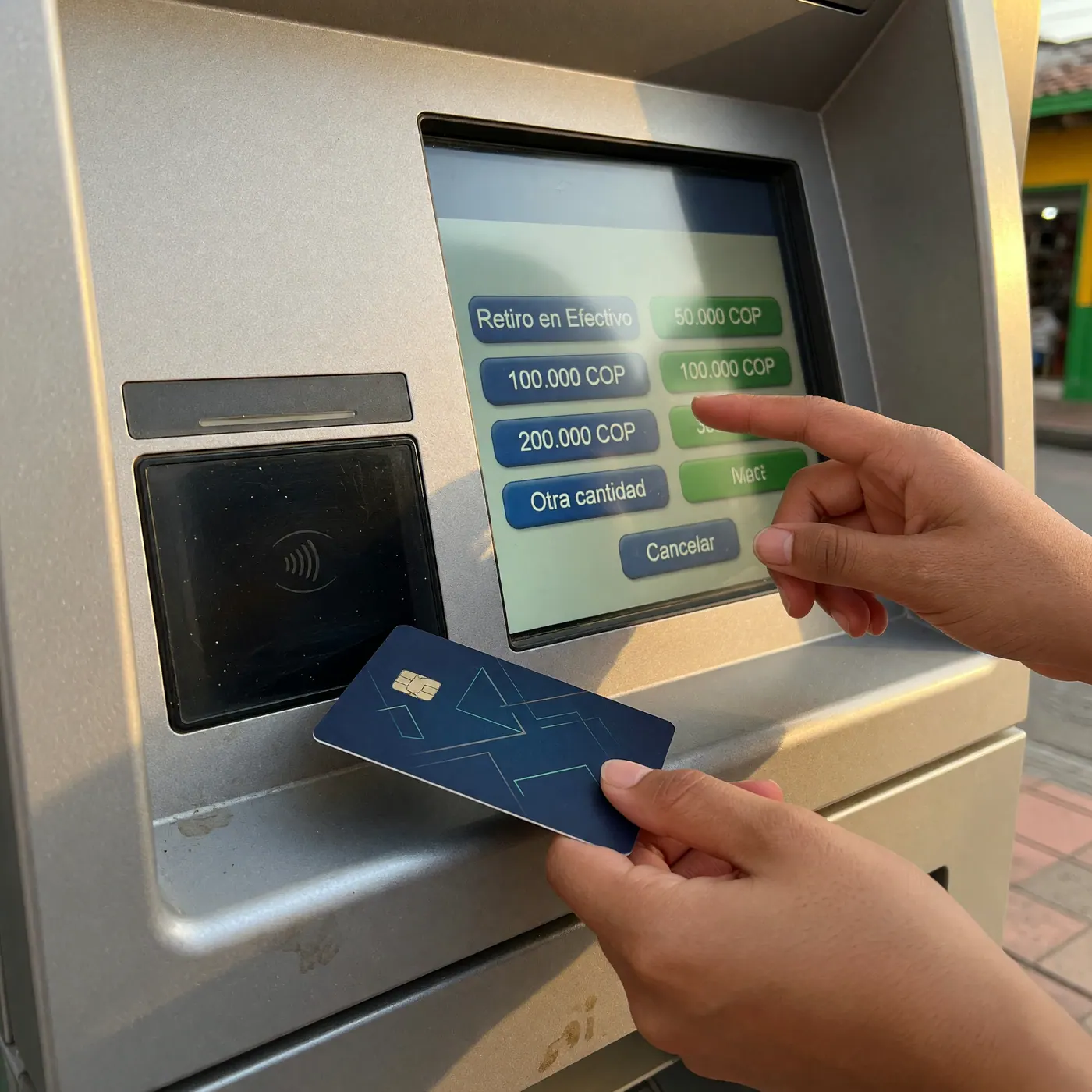
Per-transaction withdrawal caps vary dramatically by bank network in Colombia. Because the local operator surcharge is charged as a flat fee per withdrawal, using a machine with a low withdrawal cap increases your effective percentage fee significantly.
For example, if you withdraw COP 600,000 at a machine showing a COP 24,000 fee, that surcharge represents a 4.0% cost at the terminal. If you instead withdraw COP 2,000,000 at a high-limit machine showing a COP 26,000 fee, the surcharge represents only 1.3%. Compare the fee displayed on screen and stay within both your card issuer's limit and the amount of cash you can carry safely.
If you encounter unexpected health situations while traveling, having immediate liquid funds or knowing how local payment terminals operate is vital. Read our practical guide on going to the emergency room in Colombia to understand payment and admission logistics.
The Dynamic Currency Conversion (DCC) Trap: How to Avoid 12% Markups
The single most expensive mistake foreign visitors make at Colombian ATMs is accepting Dynamic Currency Conversion (DCC). During the withdrawal flow, the machine may offer to charge the transaction in your home currency rather than Colombian pesos.
While this sounds convenient, the rate offered by the ATM operator can include an aggressive profit markup, often 5% to 12%. Always select "Decline Conversion", "Continue Without Conversion", or "Charge in COP". When you decline, the currency conversion is handled by Visa, Mastercard, or your home bank rather than the ATM's DCC offer.
Financial Consumer Rights in Colombia: Regulations and Dispute Channels
Financial service standards in Colombia are regulated by the Superintendencia Financiera de Colombia (Superfinanciera) under legal consumer protection frameworks like Ley 1328 de 2009 (Estatuto del Consumidor Financiero). Understanding your legal rights protects you against unexpected terminal charges:
- Mandatory Fee Disclosure: Under Superfinanciera regulations, a Colombian ATM must clearly disclose the exact local surcharge amount on screen before the transaction completes. You must be given the option to cancel without that transaction charge.
- Financial Oversight: For related context on Superfinanciera oversight, see our analysis of the legal interest rate limit in Colombia.
- Handling Failed Transactions: If an ATM debits your account but fails to dispense cash, or retains your card, take a photo of the error screen if safe, save the receipt, contact your issuing bank, and submit a claim to the local bank's Defensor del Consumidor Financiero. You can also escalate a grievance to Superfinanciera.
Safety Checklist for Withdrawing Cash and Transitioning to Local Payments
To ensure your transactions remain secure, follow these field-tested practices:
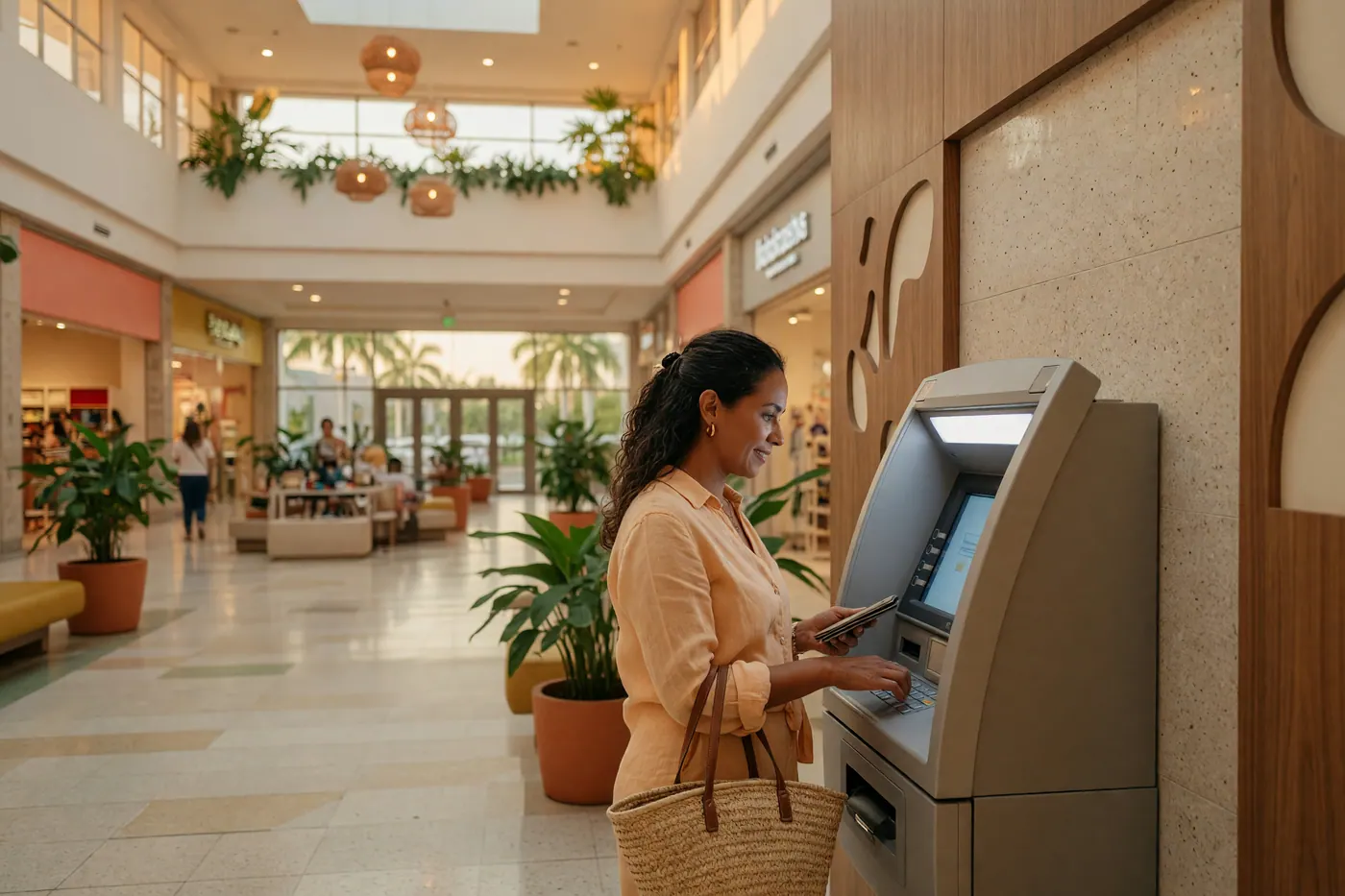
- Use Indoor ATMs: Prefer machines inside shopping centers, bank branches, or major supermarkets over isolated outdoor terminals.
- Check Your Issuer Settings: Confirm that international withdrawals are enabled and that your daily limit covers the amount you plan to request.
- Watch for Alternative Payment Verification: When transitioning from physical cash to local mobile wallets like Nequi or Daviplata, review our guide on verifying Nequi and Daviplata transfer receipts.
- Plan for Long-Term Housing: Opening a local account or securing a direct lease often requires formal documentation. Learn more in our breakdown of proof of address requirements for foreigners in Colombia.
Frequently Asked Questions
❓ Are ATM fees mandatory for foreign card withdrawals in Colombia?
Most Colombian ATM networks charge foreign cards an operator fee. As of August 2026, a typical general range is COP 15,000 to COP 29,900, but the amount varies; check the on-screen disclosure and cancel if it does not suit you.
❓ Should I accept or decline the ATM's offered conversion rate?
Decline the ATM's conversion and choose to be charged in COP. That prevents the local DCC offer from setting the exchange rate and leaves conversion to your card network or issuing bank.
❓ What is the maximum cash I can withdraw in one ATM transaction?
The limit depends on the network and your own issuer. As observed in August 2026, Servibanca and Davivienda may permit up to COP 2,000,000 per pull, while Bancolombia is around COP 600,000 for foreign cards.
❓ Is the ATM fee disclosed before I confirm the withdrawal?
Yes. Under Colombia's financial-consumer framework and Superfinanciera oversight, the local operator fee must be shown before completion, allowing you to cancel without that transaction charge.
❓ What should I do if an ATM debits me but gives no cash?
Document the failure and contact your issuing bank immediately. Keep the receipt, note the ATM location and time, and file with the local bank's Defensor del Consumidor Financiero; unresolved grievances can be escalated to Superfinanciera.
❓ Why was my foreign debit card declined at a Colombian ATM?
The ATM or your issuer may have rejected the transaction because of international-use settings, the daily withdrawal cap, fraud controls, or PIN handling. Try a smaller amount, check your banking app, and call the issuer before repeating several attempts.



Comments
Loading comments...
Checking sign-in status...