
Are Security Deposits Legal in Colombia? A Guide to Rental Guarantees and Ley 820
Expats are often shocked to learn that traditional security deposits are illegal in Colombia. Here is exactly what the law says and how to handle landlords who demand them anyway.
IDIOMA DEL ARTÍCULO
Showing original language
Quick Answer: No, general cash security deposits for urban residential leases are completely illegal in Colombia under Article 16 of Ley 820 de 2003. Landlords cannot demand cash, promissory notes, or blank checks to cover potential property damage or unpaid rent. The only legally permitted deposit is a strictly capped utility guarantee (Article 15) paid directly to the utility provider.
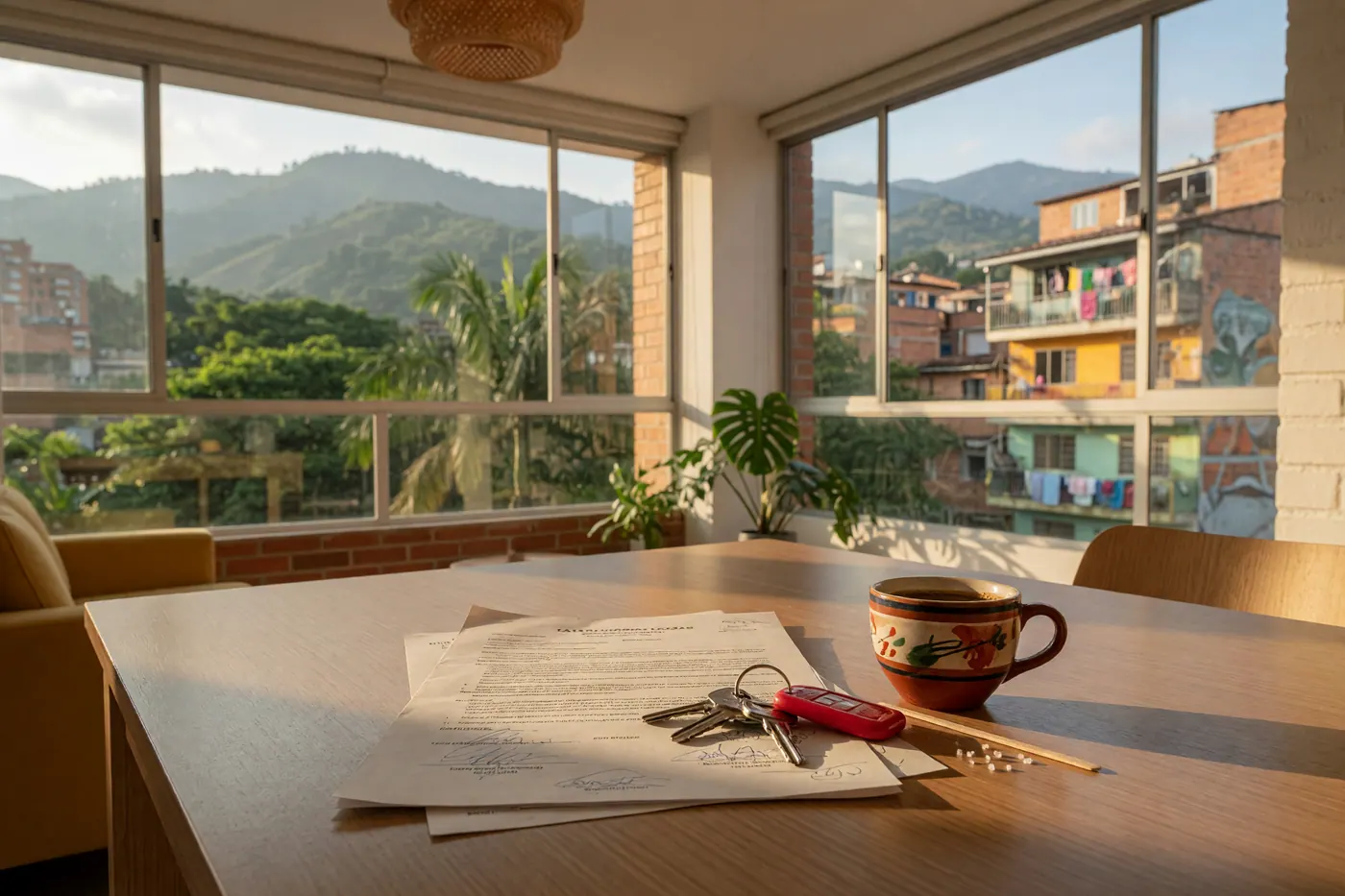
Moving to a new country and finding a great apartment is thrilling—until the landlord casually asks you to wire three months' rent as a "security deposit" to a personal bank account. If you come from the US, Canada, or Europe, handing over first, last, and a security deposit feels like standard procedure. In Colombia, it violates the law governing urban housing leases. If you want to see real-world options right now, you can browse apartments and houses on Colombia Move — posting is completely free.
According to active marketplace signals on Colombia Move (July 2026), the housing section has recorded over 23,000 views. In this competitive market, some independent landlords (dueños directos) demand illegal cash deposits. Honestly, paying one is a massive risk.
The Law: Article 16 of Ley 820 de 2003
The Colombian rental market is heavily regulated to protect tenants. The cornerstone of this protection is Ley 820 de 2003. Specifically, Article 16 explicitly bans the requirement of cash deposits or any other "real guarantees" (cauciones reales) for urban housing leases.
This means a landlord cannot legally ask you for a lump sum of cash to hold "just in case" you damage the walls or skip out on your last month's rent. The ban is absolute for residential properties covered by the law.
Landlords sometimes try to creatively rename the illegal deposit. They might call it a "reserva" (reservation fee), a "cupo de garantía" (guarantee quota), or ask you to sign a "letra de cambio" (a promissory note or blank check) as a side agreement. Article 16 prohibits using these financial instruments to bypass the deposit ban.
The Only Exception: Utility Guarantees (Article 15)
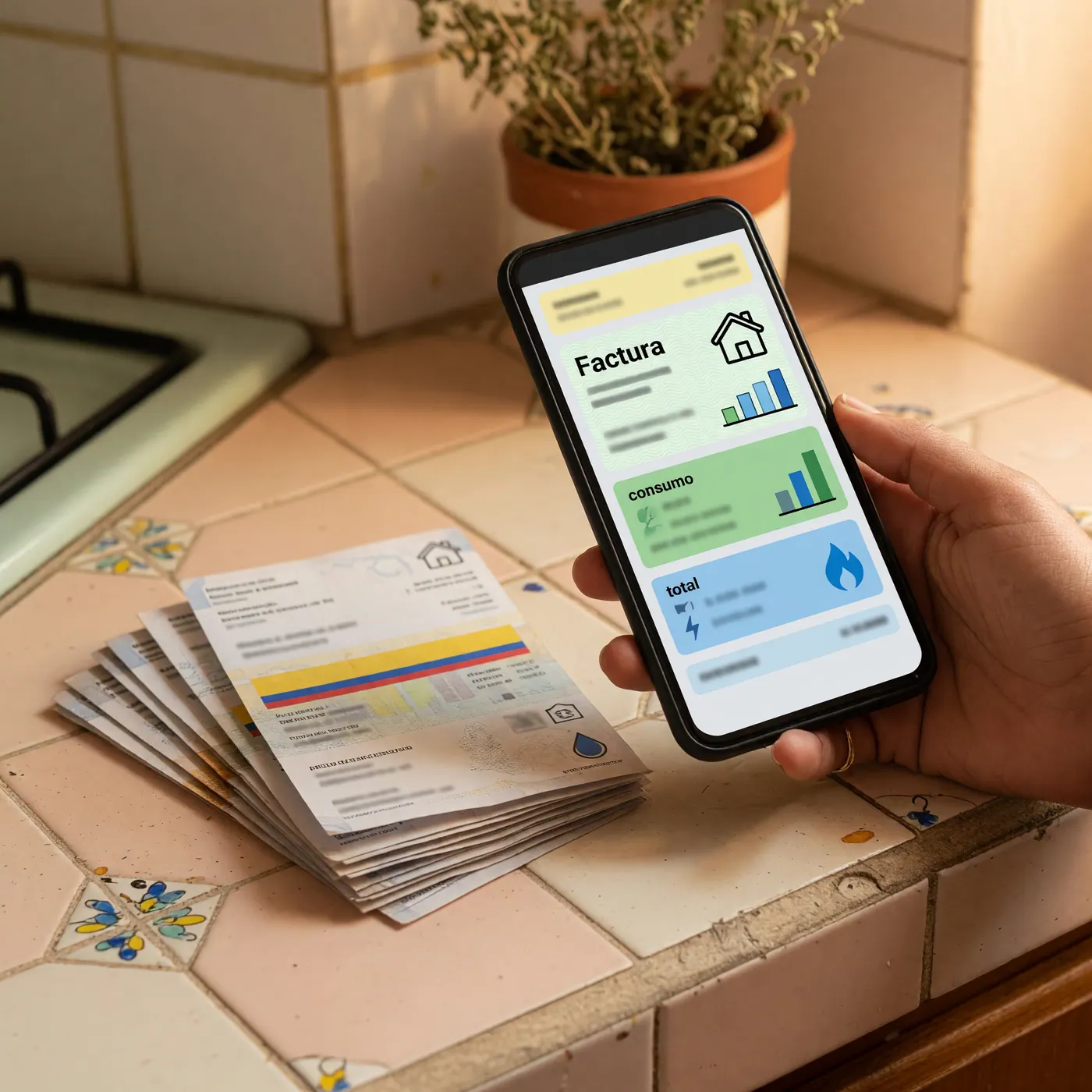
There is exactly one scenario where a landlord can legally require a financial guarantee, and it has nothing to do with property damage. Under Article 15 of Ley 820, regulated further by Decreto 1077 de 2015, you can be asked to provide a guarantee for public utilities (water, electricity, gas).
However, this exception comes with strict rules:
- It is capped: The deposit cannot exceed the equivalent of two consecutive billing periods. The legal formula is the average of the last three billing periods plus 50%, multiplied by two.
- It goes to the utility company: You do not pay this money to the landlord. Utility guarantees must be set up directly with the utility companies (Empresas de Servicios Públicos or ESP) or through an authorized insurance arrangement.
If you are navigating your first few months in a new apartment, understanding how to manage these Colombia utility deposits and first bills is essential to avoid being overcharged.
How Landlords Legally Protect Themselves
If landlords cannot take a cash deposit, how do they protect their investment? This is the major downside of the Colombian system for foreigners: because landlords cannot hold your cash, they often rely on a rigid, heavily bureaucratic approval system that can make getting an apartment difficult.
Two common legal alternatives are a co-signer (codeudor or fiador) and rental insurance (póliza de arrendamiento). A co-signer guarantees the lease, while an insurer evaluates the application and backs the landlord against covered defaults. If you do not have local credit or a local co-signer, read how to rent in Colombia without a codeudor and compare the lawful options available for your situation.
Instead of holding cash for damages, landlords can protect the physical state of the property through an exhaustive written inventory. When you move in, you sign a document detailing every scratch, stain, and fixture. When you leave, you are responsible for returning it in the same state, minus normal wear and tear. Our guide to furnished rental inventories and wear-and-tear explains the handover evidence worth keeping.
What to Do If a Landlord Demands a Cash Deposit
If you are dealing with a direct landlord or agency that demands a cash deposit, first push back politely. Cite Article 16 of Ley 820 de 2003. Showing that you know your rights may be enough for the landlord to drop the demand. You can offer a co-signer or rental insurance policy instead.
If they insist, I would walk away. A landlord demanding an illegal deposit before you move in is a serious red flag for how they may handle maintenance requests or your eventual move-out.
If you are already in a lease and the landlord is holding an illegal deposit or demanding one for a renewal, you can file a formal complaint. Under Article 32 of Ley 820, local municipal mayor's offices (Alcaldías) handle oversight. In Bogotá, for example, complaints are handled by the Secretaría Distrital del Hábitat.
Frequently Asked Questions
❓ Are security deposits completely illegal for residential rentals in Colombia?
Yes, general cash security deposits to cover rent defaults or property damage are strictly illegal under Article 16 of Ley 820 de 2003.
❓ Can a landlord ask for a promissory note (letra de cambio) instead of cash?
No, Article 16 bans other classes of real guarantees, including financial instruments used to bypass the deposit ban.
❓ What is the legal limit for a utility deposit in Colombia?
Under Article 15 of Ley 820 de 2003, a utility deposit is capped at two consecutive billing periods, calculated using the average of the last three periods plus 50%, multiplied by two.
❓ Can I pay the utility deposit directly to my landlord?
No, utility guarantees must be set up directly with the utility companies (Empresas de Servicios Públicos) or through an authorized insurance arrangement, never held in the landlord's personal account.
❓ How do landlords protect themselves if they cannot take a deposit?
Landlords commonly protect themselves legally by requiring a co-signer (codeudor/fiador) or a rental insurance policy (póliza de arrendamiento).
❓ Where can I report a landlord who insists on an illegal deposit?
You can file a formal complaint with the local municipal mayor's office (Alcaldía); in Bogotá, this is handled by the Secretaría Distrital del Hábitat.



Comments
Loading comments...
Checking sign-in status...