
Organic Farmers Markets in Colombia: Where Expats Buy Fresh Produce in Medellín & Bogotá
Navigating grocery options in Colombia goes far beyond standard chain supermarkets. Here is how and where expats in Medellín and Bogotá buy pesticide-free, farm-fresh produce at open-air farmers markets and traditional plazas.
IDIOMA DEL ARTÍCULO
Showing original language
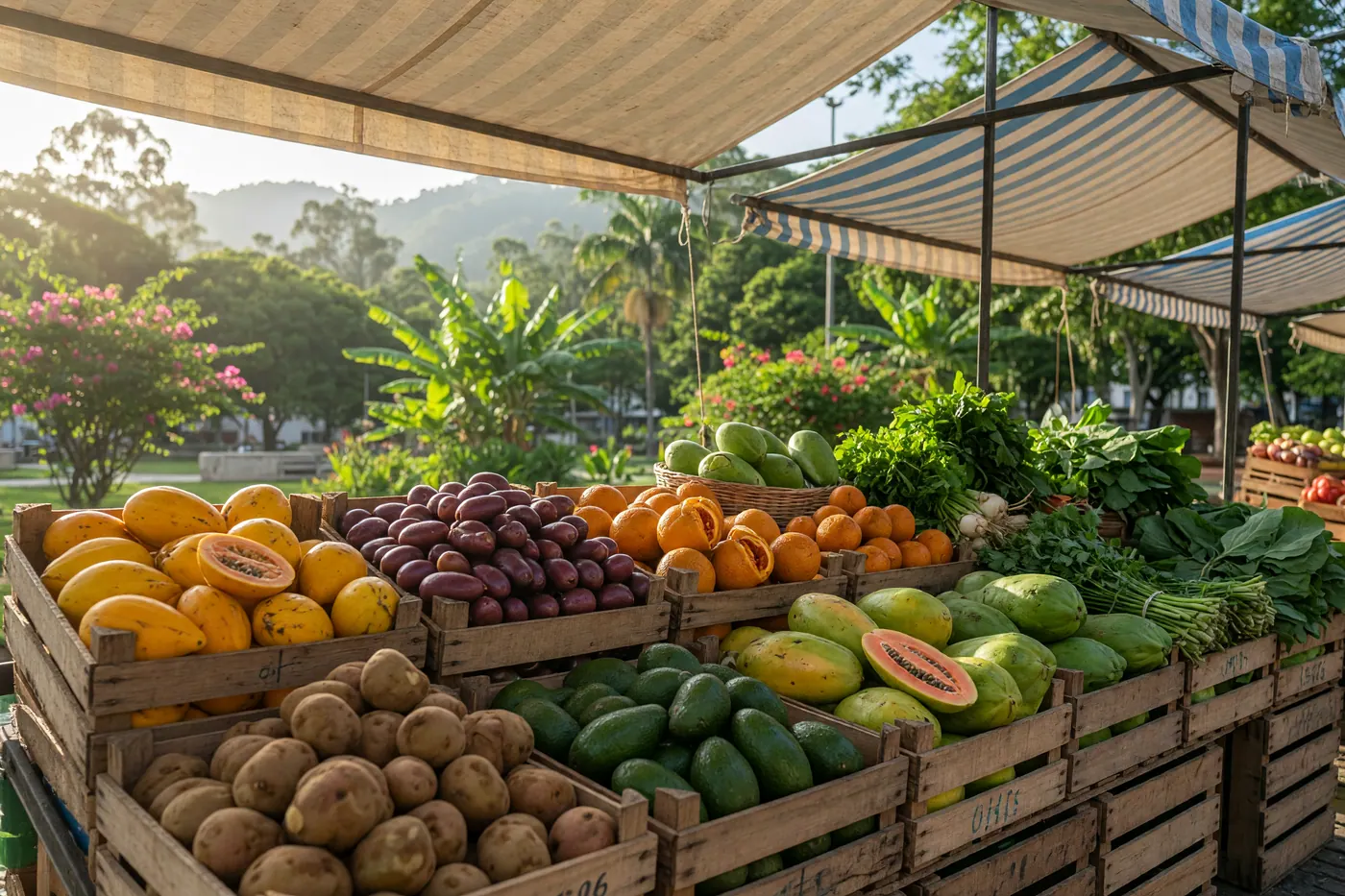
One of the single greatest perks of moving to Colombia is the extraordinary variety of fresh, cheap, tropical produce. From sweet granadillas and passion fruit to creamy Hass avocados and regional heirloom root vegetables, the country’s fertile soil produces world-class agricultural wealth year-round. However, many expats initially make the mistake of buying all their fruits and vegetables at high-end supermarket chains like Carulla or Éxito, where produce is often overpriced, plastic-wrapped, and lacking peak flavor.
If you want chemical-free fruits, pesticide-free greens, and genuine farm-to-table quality while saving money, open-air farmers markets—known locally as Mercados Campesinos—and traditional wholesale food hubs are the answer. According to active Colombia Move listings (August 2026), the marketplace had 6 active appliance listings. That is a small but concrete starting point if market shopping inspires you to equip a Colombian kitchen with a blender, juicer, or food processor.
In this guide, we break down how produce labeling works in Colombia, where to find the best weekend farmers markets in Medellín and Bogotá, and how to shop like a local without overpaying.
Quick Answer: Where to Find Organic & Farm-Fresh Produce
Here is a quick snapshot of the primary weekend market spots in Colombia's two largest expat hubs:
- Medellín (Sundays): Parque Lineal La Presidenta in El Poblado (7:00 am – 1:00 pm) is the premier expat Sunday market for organic veggies, artisanal cheeses, and fresh bread. Ciudad del Río and Parques del Río also host Sunday stalls.
- Medellín (Saturdays): Segundo Parque de Laureles (7:00 am – 1:00 pm) serves the west side of the city with direct campesino produce stalls.
- Bogotá (Weekends): District-sponsored Mercados Campesinos run by the Secretaría de Desarrollo Económico operate in Parque El Country (Calle 127), Parque Alcalá (Calle 139), and Plaza de los Artesanos from roughly 7:00 am to 4:00 pm.
- Wholesale Plazas (Daily): Plaza de Mercado Paloquemao in Bogotá and Plaza Minorista in Medellín offer massive produce selections at 30% to 60% lower prices than upscale grocers, though products are conventional rather than certified organic.
Understanding Produce Labels in Colombia: Orgánico vs. Agroecológico
When shopping for healthy food in Colombia, understanding local terminology prevents confusion. You will rarely find USDA-style green organic stamps on smallholder farm produce, but that does not mean it is sprayed with synthetic chemicals.
- Orgánico Certificado: Formal organic certification regulated through ICA (Instituto Colombiano Agropecuario). Certification is expensive for small farmers, so it is primarily used by large commercial agricultural exporters or boutique supermarket brands.
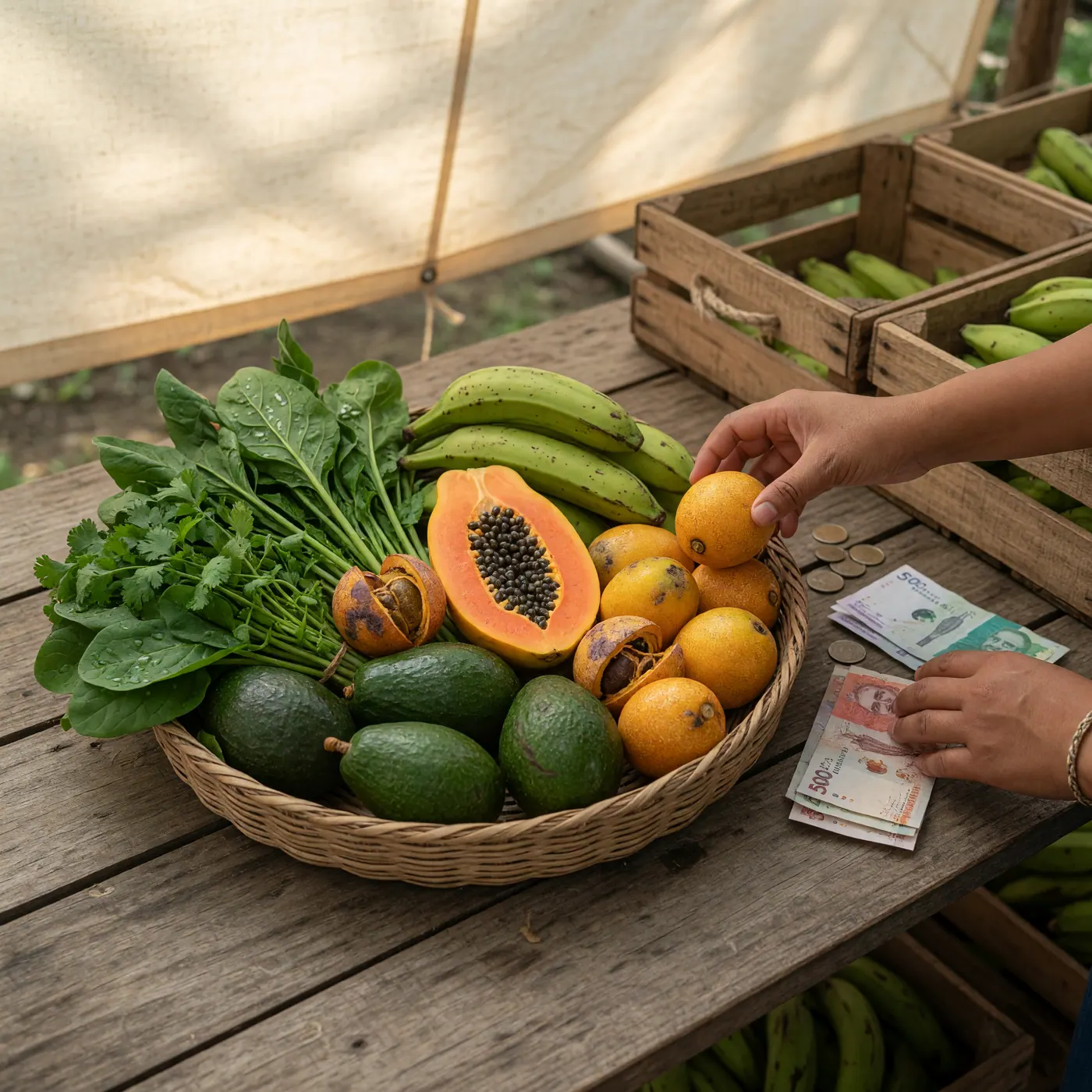
- Agroecológico / Sin Veneno / De la Huerta Limpia: These terms indicate smallholder campesino crops grown using natural compost, crop rotation, and zero synthetic pesticides or chemical fertilizers. Most growers at weekend farmers markets fall into this category.
- Sistemas Participativos de Garantía (SGP): Community-based guarantee networks where local consumers, agronomy students, and neighboring farmers regularly inspect small plots to verify pesticide-free ecological practices without forcing farmers to pay high certification fees.
When talking to small growers at a local mercado campesino, ask if their crop is agroecológico or de huerta limpia. You will often get far healthier, untreated soil produce than what is sold in sleek plastic boxes at boutique stores.
Where to Buy Fresh & Organic Produce in Medellín
Medellín’s municipal government supports weekly markets across 20 neighborhood parks connecting rural growers from neighboring corregimientos (like Santa Elena, San Cristóbal, and San Antonio de Prado) directly with urban neighborhood residents. While you can easily grab packaged pantry items at local stores covered in our Medellín supermarket guide, weekend markets are where local food culture truly shines.
Keep Reading: Planning your weekly budget? See our breakdown on Colombia Supermarket Price Comparisons: D1, Ara, Éxito & Olímpica to balance discount chain staples with fresh market produce.
1. Parque Lineal La Presidenta (El Poblado) — Sundays
Parque La Presidenta in El Poblado hosts the city's most famous Sunday farmers market from 7:00 am to 1:00 pm. Dozens of white canvas tents line the shaded brick pathways under massive tropical trees. Here you will find pesticide-free kale, heirloom tomatoes, organic avocados, fresh herbs, artisanal goat cheese, wild honey, and freshly baked sourdough. Prices are slightly higher than wholesale markets, but the quality and atmosphere are unmatched.
2. Segundo Parque de Laureles — Saturdays
For expats living in Laureles or Estadio, the Saturday market at Segundo Parque de Laureles (7:00 am – 1:00 pm) is an essential weekly stop. Local producers sell fresh leafy greens, passion fruit varieties, organic coffee beans, and homemade dips. It is less crowded than El Poblado and offers a very relaxed neighborhood vibe.
3. Ciudad del Río & Parques del Río — Sundays
If you missed El Poblado, head down to Ciudad del Río near the MAMM (Modern Art Museum) or Parques del Río on Sunday mornings. These open-air park locations feature municipal campesino stalls offering fresh fruit juices, free-range eggs, organic herbs, and seasonal Andean tubers.
4. Plaza Minorista José María Villa (Coomerca) — Daily Wholesale
If you want sheer volume and wholesale-market pricing, visit Plaza Minorista near downtown Medellín. Operating daily from 4:30 am to 6:00 pm (early close on Sundays), this massive covered market hub feeds the city. While it is not a dedicated organic market, buying whole fruits, vegetables, grains, and nuts directly from vendor stalls costs roughly 30% to 50% less than supermarket retail. Stick to daytime hours, carry small cash, and keep personal items secure while navigating the vibrant aisles.
Where to Buy Fresh & Organic Produce in Bogotá
Bogotá is surrounded by the fertile Cundinamarca plateau (Sabana de Bogotá), making the capital an extraordinary place for fresh temperate and cold-climate crops like berries, broccoli, root vegetables, and herbs. While shoppers searching for packaged imports often consult our Bogotá supermarket guide, fresh produce lovers flock to district markets and agroecological cooperatives.
1. Municipal Mercados Campesinos (SDDE) — Weekend Parks
Organized by Bogotá’s Secretaría Distrital de Desarrollo Económico, these official weekend markets connect over 60 rural families directly to city consumers. Tents open around 7:00 am and run until 4:00 pm across key locations:
- Parque El Country (Usaquén / Calle 127): Highly popular with northern Bogotá expat families, offering high-end organic vegetables, native potatoes, and gourmet condiments.
- Parque Alcalá (Calle 139 with Carrera 19): Serves northern Suba and Usaquén with fresh farm-direct greens and small-batch dairy.
- Plaza de los Artesanos (Barrios Unidos): A central weekend hub for agricultural fairs and regional producer co-ops.
2. Agroecological Co-ops & Farm Box Subscriptions
Bogotá boasts an active network of organic delivery initiatives. Projects like La Canasta and Mercado de la Tierra (Slow Food Bogotá) organize direct box deliveries (canastas ecológicas) containing seasonal, certified pesticide-free harvests delivered directly to residential apartment buildings every week.
3. Plaza de Mercado Paloquemao — Bogotá’s Produce Citadel
Located near Calle 19 and Carrera 25, Paloquemao is Bogotá’s most iconic central market. Spanning massive indoor corridors, Paloquemao houses thousands of vendors selling tropical fruits, mountain vegetables, fresh herbs, fish, and cut flowers. For foreign cooks who want specialized items—like edible flowers, fresh dragon fruit, or organic pantry goods—exploring Paloquemao between 6:00 am and 10:00 am on a weekday morning is an unforgettable culinary experience.
Comparing Produce Shopping Venues in Colombia
Choosing where to buy your groceries depends on whether you prioritize chemical-free quality, rock-bottom wholesale prices, or convenience:
| Venue Type | Organic / Pesticide-Free | Price Level vs Supermarket | Best For |
|---|---|---|---|
| Weekend Mercados Campesinos | High (Agroecológico) | Generally lower, depending on harvest | Weekend organic shopping, fresh herbs, supporting local smallholders |
| Plazas de Mercado (Paloquemao / Minorista) | Variable / Conventional | 30% – 60% Lower | Bulk produce, exotic fruits, extreme budget savings, fresh seafood |
| Organic Home Delivery Co-ops | Certified or community-verified; check the provider | Varies by box and delivery | Weekly subscription convenience, guaranteed chemical-free crops |
| High-End Supermarkets (Carulla / Éxito) | Select Boutique Lines | Baseline / High | Late-night convenience, credit card payments, specialty imported goods |
If you also require specialized international ingredients like gluten-free baking flour, Asian sauces, or European pantry goods alongside your fresh produce, check out our guide to specialty and imported groceries in Medellín and Bogotá.
Practical Expat Shopping Tips for Local Markets
To ensure a smooth, enjoyable market run, keep these local practicalities in mind:
- Carry Cash in Small Denominations: Open-air stall vendors almost never accept credit or debit cards. Bring cash in small bills ($2,000, $5,000, and $10,000 COP). Handing a $50,000 COP note to a vendor for a $3,000 COP sack of limes will stall the interaction while they search for change.
- Use Mobile Payments (Nequi / Bre-B): Many independent campesinos now display QR codes for direct mobile bank transfers via Nequi, Daviplata, or Colombia's interoperable Bre-B payment network.
- Learn Useful Market Spanish: Ask "¿A cómo está la libra?" (How much is a half-kilo?) rather than asking per kilo, as produce in Colombia is traditionally weighed and priced by the Colombian pound (libra = 500 grams).
- Embrace "La Ñapa": When buying multiple items from the same produce vendor, polite regular customers are often gifted la ñapa—a small bonus item like an extra lime, a sprig of cilantro, or an extra passion fruit.
- Wash All Fresh Produce Thoroughly: Whether produce is grown agroecologically or conventionally, always soak raw fruits and leafy greens in a bowl of clean water with a drop of food-grade vinegar or disinfectant before consuming.
- Bring Reusable Mesh Bags: Help reduce plastic waste by bringing sturdy canvas totes and reusable mesh produce bags for your fruit and vegetable selection.
Frequently Asked Questions
❓ Where is the best farmers market for expats in Medellín?
Parque Lineal La Presidenta in El Poblado is the top Sunday farmers market for expats (operating 7:00 am to 1:00 pm). It offers organic produce, artisanal baked goods, cheeses, and coffee in a pleasant park setting. Laureles Segundo Parque hosts the best Saturday morning alternative on the west side.
❓ Are products at Colombian farmers markets strictly certified organic?
While some vendors hold formal ICA organic certification, most smallholder campesino stalls sell agroecological or pesticide-free produce verified by local community guarantee networks (SGP). These crops are grown naturally without synthetic chemicals, even if the farm lacks formal export-grade certification seals.
❓ What time should I arrive at Paloquemao or Plaza Minorista?
Arrive early between 6:00 am and 9:00 am for peak freshness, minimal crowds, and the best selection of exotic fruits, leafy greens, and seafood. Major wholesale plazas operate daily, though Sunday afternoon selection is generally reduced.
❓ Can I pay with credit cards at Colombian farmers markets?
No, credit card readers are rarely available at open-air park stalls or plaza stands. You should carry Colombian cash in small bills ($2,000, $5,000, and $10,000 COP) or use local Colombian mobile QR transfers like Nequi or Bre-B.
❓ How much cheaper is buying produce at a local market compared to high-end supermarkets?
As observed in August 2026, wholesale plazas can cost roughly 30% to 60% less than high-end chains. Weekend market savings vary with the harvest, seller, and product, while selection and freshness also vary by stall.
❓ Can I get organic produce delivered to my apartment in Bogotá or Medellín?
Yes. Programs such as La Canasta in Bogotá and VitaOrgánicos in Medellín offer weekly seasonal produce boxes delivered to residential buildings; check each provider’s current delivery area and whether its produce is certified or community-verified.

Comments
Loading comments...
Checking sign-in status...