
Hiring a Real Estate Lawyer in Colombia: Title Study, Escrow & Closing Protection for Foreign Buyers
A practical guide for foreign buyers on hiring their own lawyer in Colombia, what a title study must cover, rural finca checks, and how not to release the price too early.

IDIOMA DEL ARTÍCULO
Showing original language
Quick answer: hire your own lawyer, separate from the seller's adviser, before you pay a deposit or sign a promissory contract. The notary authorizes the deed, the registry office records it, and neither of them is your counsel. In Colombia you do not own the property when you pay, or even when you sign. You own it when the deed is registered.
This guide covers three things only: choosing independent counsel, what a title study should cover, and how to avoid releasing the price before the deed and registration are real. For the wider purchase map, read our legal and financial guide for foreign buyers. This is general information, not legal advice, and we do not recommend any firm, notary or bank.
The sequence that decides who owns the property
The order matters more than any single document. First comes a private promise (the promesa de compraventa), often with arras. Then comes the escritura pública, the public deed signed before a notary. Then comes registration at the Oficina de Registro de Instrumentos Públicos.
The Código Civil (art. 1857) says a sale of real estate is not legally perfect until the public deed is granted. Article 756 says ownership of real estate passes by registering the title. So a bank transfer, a signed private contract or even an unregistered deed does not make you owner against third parties. Ley 1579 de 2012 requires transfers to be registered, and the registrar checks that the property and the parties are properly identified and that registration charges are paid.
Foreigners have the same civil rights as Colombians when buying real estate (Constitución, art. 100; MinCIT's investor portal says the same). Equal rights do not mean equal protection from a bad file. That protection comes from the person you hire.
Who is actually your lawyer
Colombia's investor portal, the Ventanilla Única de Inversión, puts the title study on the investor: you obtain a title opinion (estudio de títulos) from a private law firm you choose. Nobody else in the transaction has that job.
- Notary: authorizes the deed. It is not your adviser.
- Registry office (SNR): registers the deed and issues the certificate of tradition and freedom.
- Seller's lawyer or agent: works for the seller, however friendly.
- Mortgage bank's lawyer: protects the loan, not your interests.
Honest downside: a good property lawyer is not cheap, and the temptation to skip one because the seller is charming and the finca is beautiful is real. Agree the scope and fee in writing before work starts. If a lawyer quotes you a number, ask exactly which documents it covers.

What to hand your lawyer and what the study should cover
Start with the matrícula inmobiliaria number and a fresh Certificado de Tradición y Libertad requested from the official SNR portal. Only the registrar certifies a property's legal status, and a name or index search is not a certificate. Our certificado de tradición y libertad guide shows how to read the folio; here the point is what your lawyer does with it.
The investor portal's checklist asks for a certificate ideally no older than 30 days, plus the deeds and registered acts from the last 10 years, going further back when an older act still affects the right. That is a portal checklist, not a statute of limitations, so do not accept or reject a lawyer over a magic number of years.
Ask the written opinion to flag, in plain language:
- open mortgages, embargos and other liens;
- condiciones resolutorias that could undo an earlier sale;
- afectación a vivienda familiar or patrimonio de familia;
- falsa tradición or an incomplete chain of ownership;
- a seller who is not the registered owner, or who signs through a power of attorney;
- buildings without a construction license, and land-use limits.
Then compare the paper with the ground. Boundaries, area and the physical buildings must match what the folio describes. If you will sign from abroad, a notarized power of attorney can let your lawyer sign for you.
Rural fincas and lots need a different file
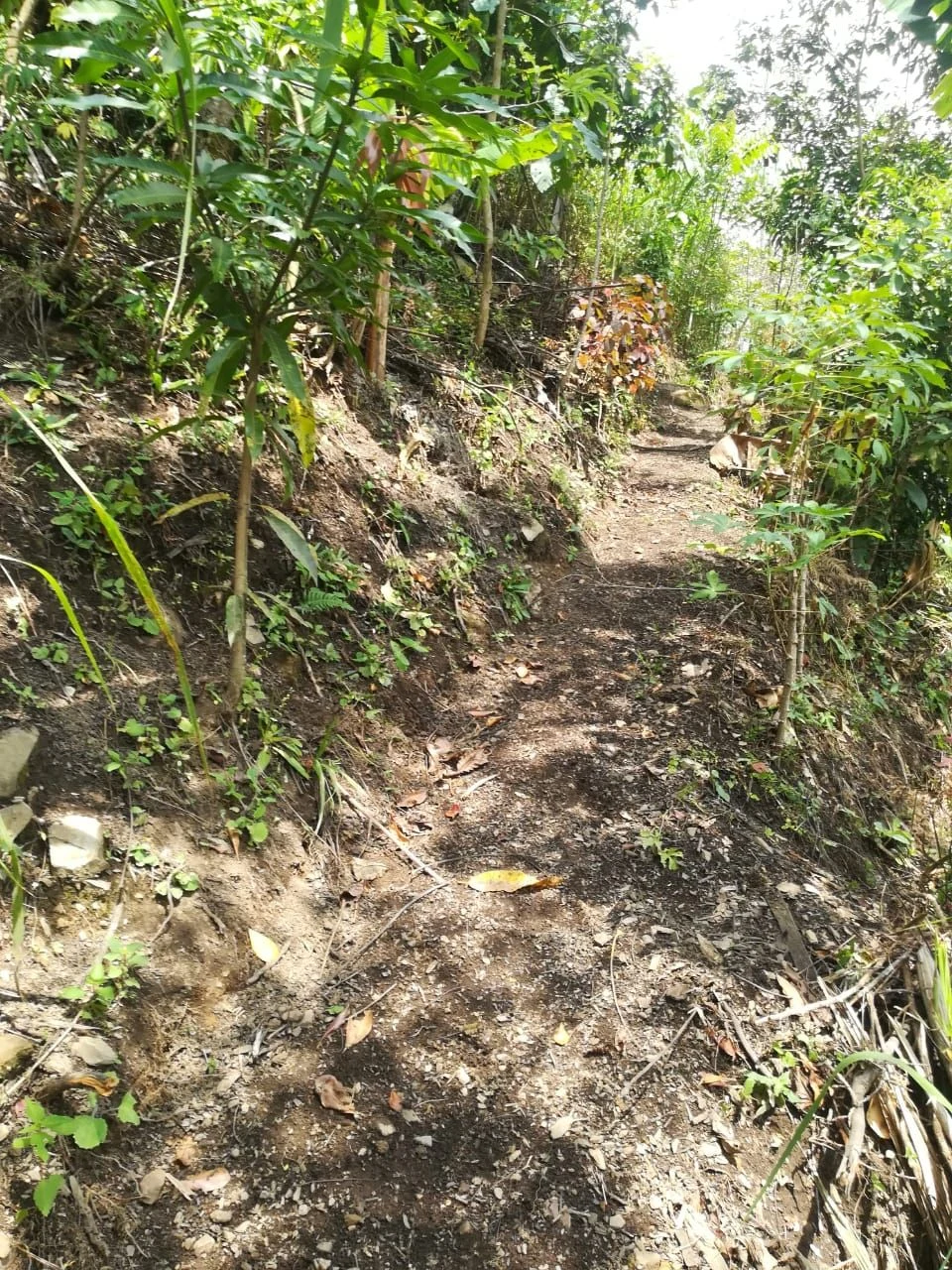
A city apartment and a pasture do not share the same checklist. For a finca, lote or casa campestre, the investor portal points to extra risks your lawyer should address:
- Baldío status: state land that was never legitimately titled to a private owner.
- Unidad Agrícola Familiar (UAF): minimum-size rules that vary by zone, so do not assume a number from a forum post.
- Land-restitution risk: claims tied to the property's history.
- Construction license and land use: especially for the house, cabin or pool the seller added over the years.
Colombian counsel also checks predial and valorización clearance, since it is part of preparing a deed. A 2020 Colombia Ágil page says a 2019 circular told notaries to consult those statuses in the VUR rather than ask you for paper certificates, while an older Justice Ministry page still listed them. Practice changes, so ask your chosen notary what it will accept now. For what comes after closing, see our predial tax guide for foreign owners.
According to active listings on Colombia Move (September 2026), there are about 30 fincas, 23 lots and 14 country houses on offer. That is a lot of rural inventory, and each one deserves this screening before you contact a seller.
Protecting your money: arras are not escrow
This is where foreign buyers get hurt. Arras are a statutory withdrawal stake: if the buyer backs out, they lose the arras, and if the seller backs out, they return them plus the same amount. If no withdrawal period is set, retraction is unavailable after two months, after the public deed, or once delivery has begun (Código Civil, arts. 1859-1862). Arras are not a supervised account, and they do not replace the deed.
My blunt advice: do not wire the price to a seller's personal account because of a WhatsApp promise. Payment terms for a resale belong in the promissory contract your lawyer drafts, tied to conditions such as a clean updated CTL, the deed date and registration.
Fiduciary structures exist, but be careful with the label. A regulated preventas fiduciary, used in new projects, holds buyers' money apart from the builder until the contract's conditions are met, then releases it or returns it. That is a project-finance tool. It is not a title guarantee and not the default for buying an existing house or finca from a private owner. Use a fiduciary only if your lawyer confirms the product fits your deal.
Money from abroad: channel it properly
Money a non-resident uses to buy real estate must go through the foreign exchange market so the purchase can be registered as foreign investment. Under Banco de la República rules, real estate acquired by a non-resident, directly or through a fiduciary business, counts as foreign direct investment when the title is not listed on the RNVE. The declaración de cambio is the filing that registers it.
Keep the bank paperwork, because it matters if you sell later and want to move funds out. Our bank wire and SWIFT compliance guide covers the bank mechanics. Buying property does not by itself give you a visa or residence, and this article makes no promise about taxes beyond what your accountant confirms.
Closing: deed, registration and costs
At closing, the deed is signed before the notary, then registered at the registry office where the property sits. Your lawyer should confirm registration is complete and that the new CTL shows you as owner. Only then is the file really closed.
Unless the contract says otherwise, the Código Civil splits the cost of the sale deed between seller and buyer. Do not accept a verbal figure from anyone. Ask the notary and the registry for a written liquidación, and use our notary fees and registration tax guide to understand its lines. Also browse lots, country houses and the wider housing section if your search is still open.
Frequently Asked Questions
❓ Do foreigners need their own lawyer to buy property in Colombia?
Yes, in practice. Foreigners have the same civil rights as Colombians, but the investor portal puts the title study on the buyer. The notary and the seller's adviser do not act as your counsel, so hire an independent lawyer before paying anything (verify with the official source, as accessed).
❓ Does the public deed make me the owner?
No. The deed perfects the sale, but ownership passes when the title is registered at the Oficina de Registro de Instrumentos Públicos. Until registration, you are not owner against third parties, even if you have paid in full and hold a signed deed (verify with the official source, as accessed).
❓ How many years of title should the lawyer read?
Start with a current Certificado de Tradición y Libertad and the registered acts of at least the last 10 years, per the investor portal's checklist. Go further back when an older act still affects the property. It is a checklist, not a fixed legal rule (verify with the official source, as accessed).
❓ Are arras the same as escrow?
No. Arras are a statutory withdrawal stake, not a supervised account. The seller can hold that money personally. Do not send the price to a personal account on a promise alone; put payment conditions in the promissory contract your lawyer drafts (verify with the official source, as accessed).
❓ Will a fiducia hold my money if I buy an existing finca?
Not by default. The regulated preventas fiduciary is designed for new projects, holding buyer funds until the contract's release conditions are met. For a private resale, ask your lawyer whether any fiduciary product actually fits the deal (verify with the official source, as accessed).
❓ What extra checks matter on a rural lot or finca?
Ask counsel to check baldío status, Unidad Agrícola Familiar limits for the zone, land-restitution risk, land use, and the construction license if there are buildings. Rural files differ from urban ones, so do not assume city rules apply (verify with the official source, as accessed).
❓ Can the seller make me pay all the notary and registry costs?
Not automatically. The Código Civil splits deed costs between seller and buyer unless the contract says otherwise. Ask the notary and the registry for a written liquidación instead of trusting a verbal estimate, and negotiate the split before signing (verify with the official source, as accessed).





Comments
Loading comments...
Checking sign-in status...