
How to Find Pet Care and Pet Supplies in Colombia
Food, vets, grooming, sitters, and delivery — here is how I’d set up pet care in Colombia from day one, including the Spanish terms that unlock it.
IDIOMA DEL ARTÍCULO
Showing original language
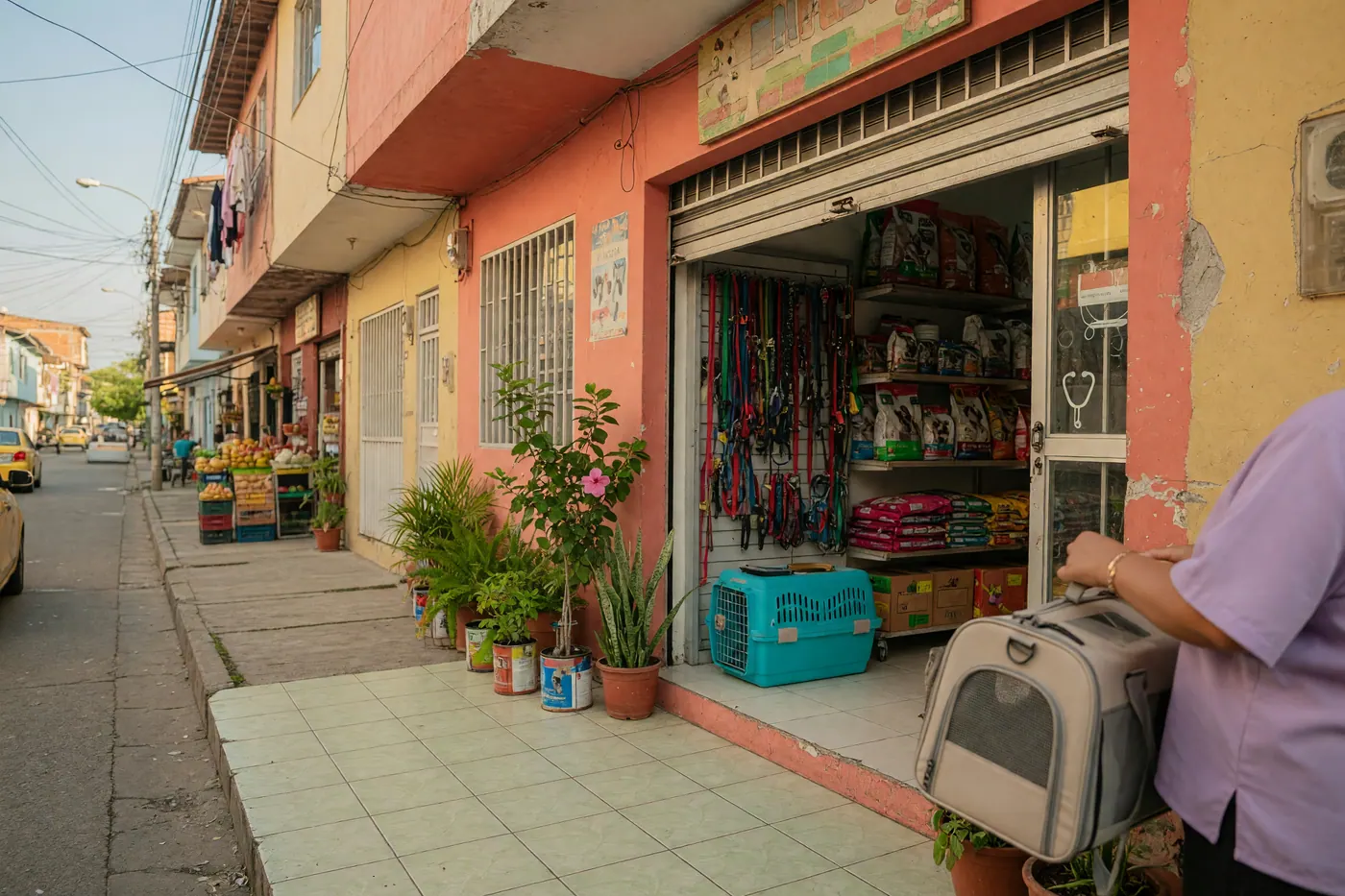
When I moved here I had a 60-pound dog and no idea where to buy his food, let alone who would watch him when I traveled. The good news: pet care in Colombia is everywhere once you know the words to search and which channels actually deliver. Most neighborhoods have a tienda de mascotas within a few blocks, the bigger retailers ship across the country, and there is a whole layer of sitters, walkers, and groomers you will never find Googling in English. Here is how I would set it all up from day one.
What to know first
- Search in Spanish: veterinaria, tienda de mascotas, peluquería canina, paseador de perros, cuidador de mascotas.
- Keep a neighborhood shop for emergencies; use big retailers and delivery apps for bulk food and litter.
- Before any real treatment, ask a vet for their professional card (tarjeta profesional).
- Screen any sitter or boarder for vaccines, behavior, an emergency vet plan, and a trial visit.
- Keep your pet’s vaccination records handy, especially if it flew in or may travel again.
Search in Spanish, and search by neighborhood
The single biggest unlock is searching in Spanish and narrowing to your barrio. Type “veterinaria” plus your neighborhood into Maps and you will usually find several clinics within walking distance, plus the small pet shops that never advertise in English. For supplies and services, larger operators like Laika, Puppis, and Agrocampo have online catalogs, and the pet category shows up inside delivery apps such as Rappi. Selection, delivery coverage, and which services each one offers vary a lot by city, so check what actually reaches your address before you build a routine around it. If you want to see real-world options right now, you can browse farms and rural land for sale on Colombia Move — posting is completely free.
Food, litter, and supplies without running out
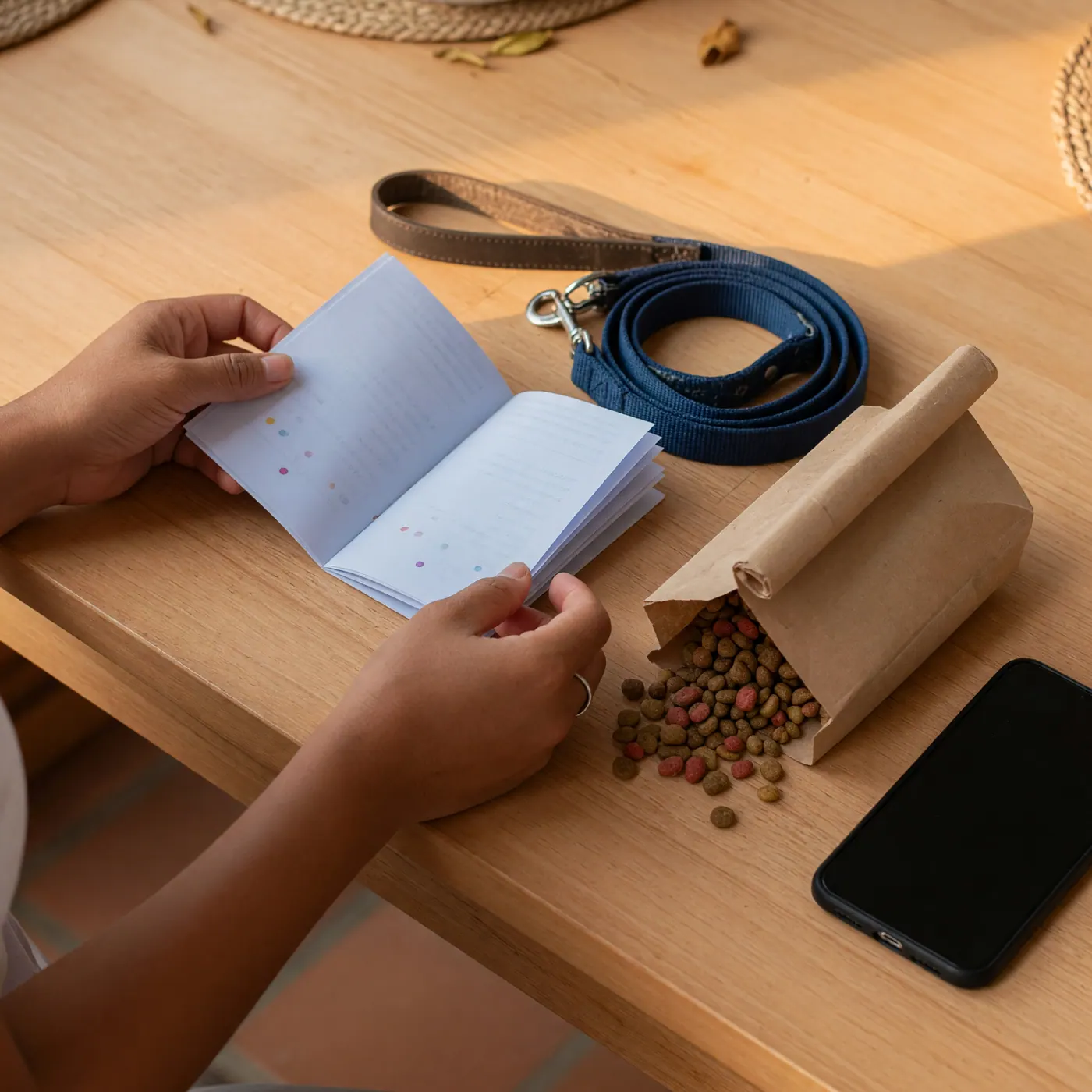
My rule is simple: have a backup shop you can walk to, and a bulk source you can schedule. The little neighborhood store saves you on a Sunday night when the kibble bag is empty; the big retailers and delivery apps are where you order the 15-kilo bag and the litter so you are not carrying it home. Delivery speed and coverage depend on the provider and your neighborhood, so do one test order before you rely on it.
If your pet eats a specific food, bring a week or two of it when you arrive and transition slowly. Brands and formulas here are not identical to back home, and finding the exact match can take a few tries. For anything medicated, go through a vet rather than guessing from a shelf — prescription items and dosing should come from a professional, not a search result.
Vets and grooming you can trust
Vet care in established neighborhoods is genuinely good, but credentials matter. In Colombia, practicing veterinarians should hold professional registration (a matrícula and tarjeta profesional) through the Consejo Profesional MVZ, and Bogotá’s health authority specifically advises checking that a clinic has a registered veterinary professional. It is completely normal to ask. Scout a clinic before you need one — know the nearest 24-hour option in advance. For the full breakdown of finding a vet and typical costs, see my guide to vet care in Colombia.
Grooming (“peluquería canina”) is widely available and inexpensive, often bundled with bathing and nail trims. Vet the people who handle your pet the same way you would any home service — the same instincts in my guide to vetting local service providers apply here: ask for references, start small, and watch how they communicate.
Sitters, walkers, and boarding
When you travel, you have two real options: a home boarder who keeps your pet in their house, or a sitter who comes to yours. Specialized platforms exist for both — services like CuidaMiMascota and Wakypet offer cage-free boarding, dog walking, grooming, and walker bookings, though models and coverage differ by city. Whoever you pick, screen them properly.
- Vaccination requirements — do they ask for your pet’s, and can they show their own animals are vaccinated?
- Behavior fit — how do they handle a reactive or anxious pet, and what other animals are in the home?
- Emergency plan — which vet do they use, and how fast can they get there?
- The space — ask for photos or a visit; see where your pet actually sleeps.
- Logistics — pickup, drop-off, daily updates, and who pays if something goes wrong.
- References and a trial — reviews plus one short trial stay tell you more than any profile.
Comparing local pet listings
Beyond the big apps, a lot of pet care here is local and word-of-mouth — the groomer two streets over, the neighbor who boards dogs. Marketplace and community listings are a good way to surface those options by city. Read the profile the same way you would judge any seller: completeness, multiple listings, clear photos, and how they answer questions. My notes on spotting a good seller storefront apply directly. A listing helps you find a provider — it does not vouch for them, so always screen and meet carefully before handing over your pet.
Frequently Asked Questions
❓ Where can I buy pet food and supplies in Colombia?
Use a mix: a neighborhood tienda de mascotas for quick backups, and larger retailers or delivery apps like Laika, Puppis, Agrocampo, or Rappi for bulk food and litter. Selection and delivery coverage vary by city, so do a test order first.
❓ How much does pet care cost in Colombia?
It varies widely by city, pet size, timing, and provider, so treat any quote as a starting point. Routine supplies and grooming are generally affordable here, while boarding and emergency vet visits cost more — always confirm current prices directly with the provider.
❓ Is it safe to hire a pet sitter from an online listing?
Treat a listing as a starting point, not a guarantee. Verify the sitter yourself — ask for references and reviews, confirm vaccination requirements and an emergency vet plan, and do one short trial stay before leaving your pet with anyone.
❓ How do I find a good vet in Colombia?
Look for a clinic with a registered veterinary professional and ask for their professional card (tarjeta profesional) when needed — Bogotá’s health authority advises verifying this. Scout your nearest 24-hour clinic before an emergency, not during one.
❓ What pet documents should I keep handy?
Keep vaccination records and any health certificates organized, especially if your pet entered Colombia or may travel internationally. For cross-border moves, check ICA, your airline, and the destination country’s current requirements well in advance.
Have a question about getting set up with a pet here? Ask the community at colombiamove.com/comunidad, or read my guide to making friends in Colombia — your neighbors are usually the best source for a trusted groomer or sitter.



Comments
Loading comments...
Checking sign-in status...