
Living in San Andrés: Real Cost of Living, Housing, and What It's Like to Move to the Island (2026)
An honest, unfiltered guide on what it really entails to move to San Andrés, from the strict OCCRE legal controls to the real cost of living on the island.
IDIOMA DEL ARTÍCULO
Showing original language
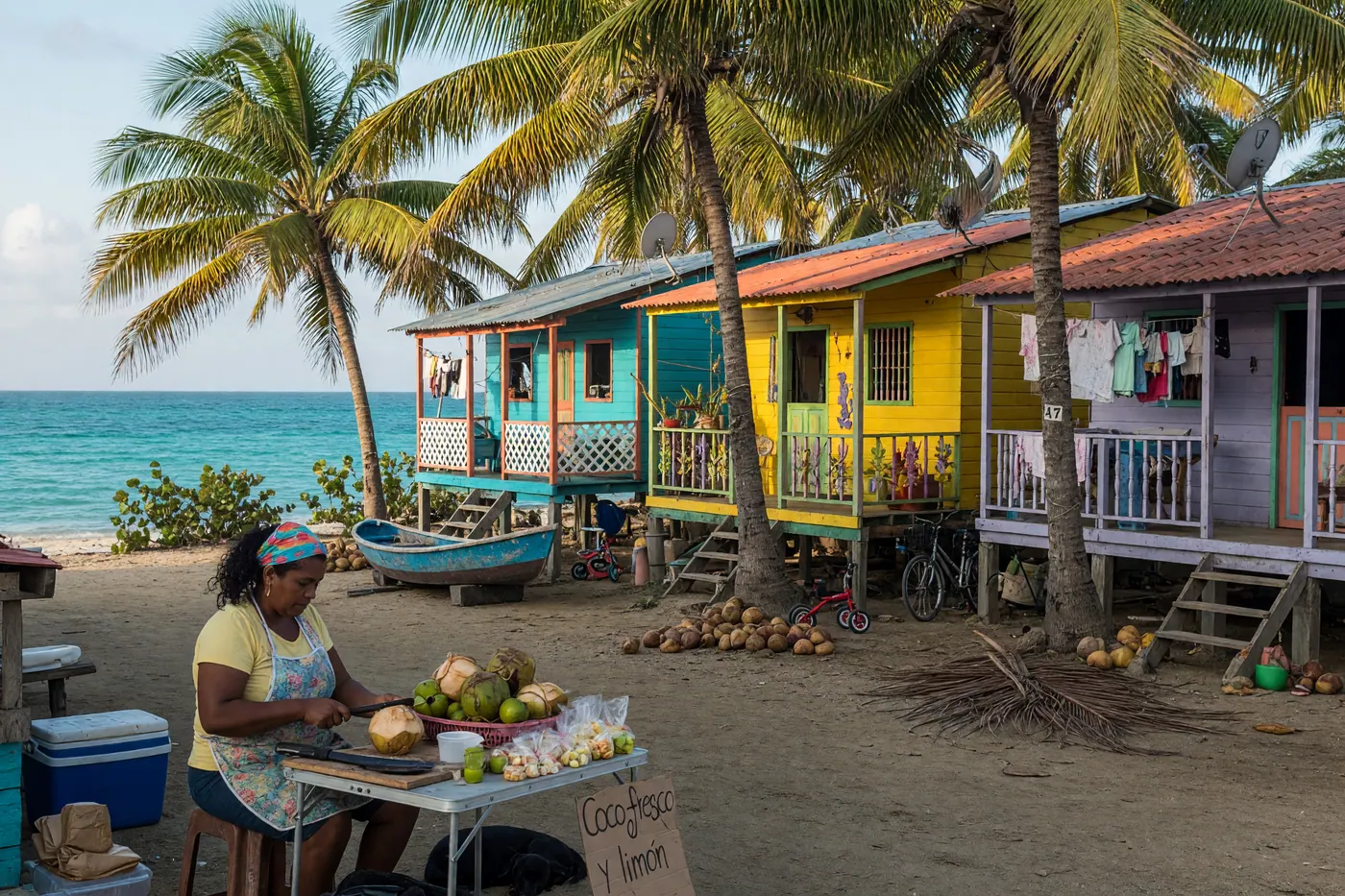
We have all dreamed at some point of packing our bags, leaving the city traffic behind, and waking up every day in front of the famous "Sea of Seven Colors." San Andrés is an undeniable Caribbean paradise. If your interest in the archipelago is purely for vacation, we recommend checking out our complete guide to San Andrés in English, but if you are planning to settle here permanently, the daily reality requires different preparation.
Moving to the island is not like moving from Bogotá to Medellín or from Cali to Pereira. It involves navigating a very strict internal immigration filter, adapting to complex utility logistics, and understanding that living in paradise comes with a significant extra cost. Here we tell you, without filters, what it is really like to make the island leap in 2026. If you want to see real options right now, you can post your services for free on Colombia Move — posting is completely free.
The Great Legal Filter: The OCCRE and residency control
Heads up: it is not possible to move to San Andrés simply by buying a one-way ticket. The archipelago suffers from overpopulation, so the local government has strict laws to control who enters and who stays.
Initial entry as a tourist requires the purchase of a tourist card, which in 2026 costs exactly $153,000 COP (regulated by Decree 0010 of January 8, 2026). However, this card has a strict stay limit of 15 days. Staying to live or work informally under this status is illegal; the OCCRE (Office of Circulation and Residency Control) conducts constant raids on businesses and streets, and offenders are deported to the mainland.
To reside or work legally, you need to process the temporary residence card. The cost of the first temporary residence card from the OCCRE is $1,562,484 COP. To obtain it, a local employer must sponsor you, guarantee your housing, and secure your return ticket, or you must meet marriage requirements with a resident or prove Raizal ancestry.
The Real Cost of Living in San Andrés
Living on an island in the middle of the Caribbean means that absolutely everything you consume (from an apple to a brick) had to arrive by air or sea. For this reason, the cost of living in San Andrés is approximately 30% to 50% higher than on the mainland.
Unlike living on the mainland, where coastal cities like Santa Marta offer direct access to land supply chains (you can see more in our guide to living in Santa Marta), San Andrés depends entirely on what arrives by ship or plane. This is immediately reflected in your monthly grocery bill, which can easily double the budget you managed in Bogotá or Cali.
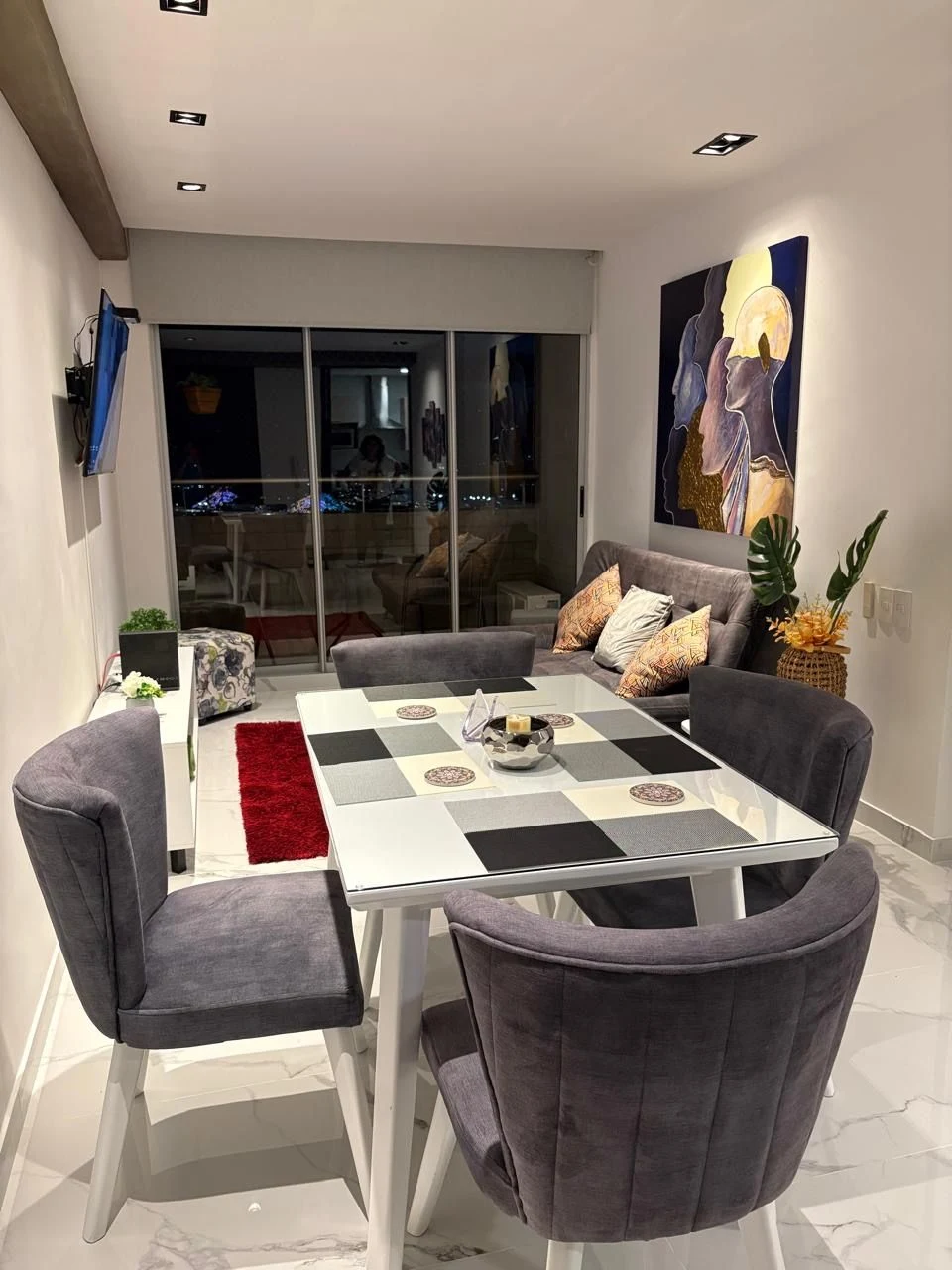
Regarding housing, rents vary drastically. The Center (the commercial and hotel area) concentrates the most expensive and smallest apartments. If you are looking for a more residential and quiet life, traditional neighborhoods like San Luis or La Loma offer more spacious houses with island architecture, although you will need a motorcycle or a mula (golf cart) to get around easily.
Public Utilities: The challenge of water and energy
This is perhaps the biggest reality check for those arriving from the interior. Potable water is the most critical and scarce resource on the island. The local operator is Veolia, but the supply through the public network is intermittent; in some neighborhoods, water arrives through pipes only every 15 or 20 days.
How do people survive? Every functional home in San Andrés depends on underground cisterns, rainwater collection systems, and the constant purchase of water through tanker trucks (carrotanques). It is a fixed monthly expense that you must budget for, no matter what.
On the other hand, the island's climate is typically Caribbean, with a marked dry season and constant winds that influence energy and water consumption, a common factor we analyze in our guide to Colombia's climatic regions. Air conditioning is almost mandatory, which raises the electricity bill. Regarding connectivity, traditional broadband is limited in coverage and stability, so many remote professionals opt for satellite services like Starlink to guarantee their work.
Moving Logistics: How to send your things to the island
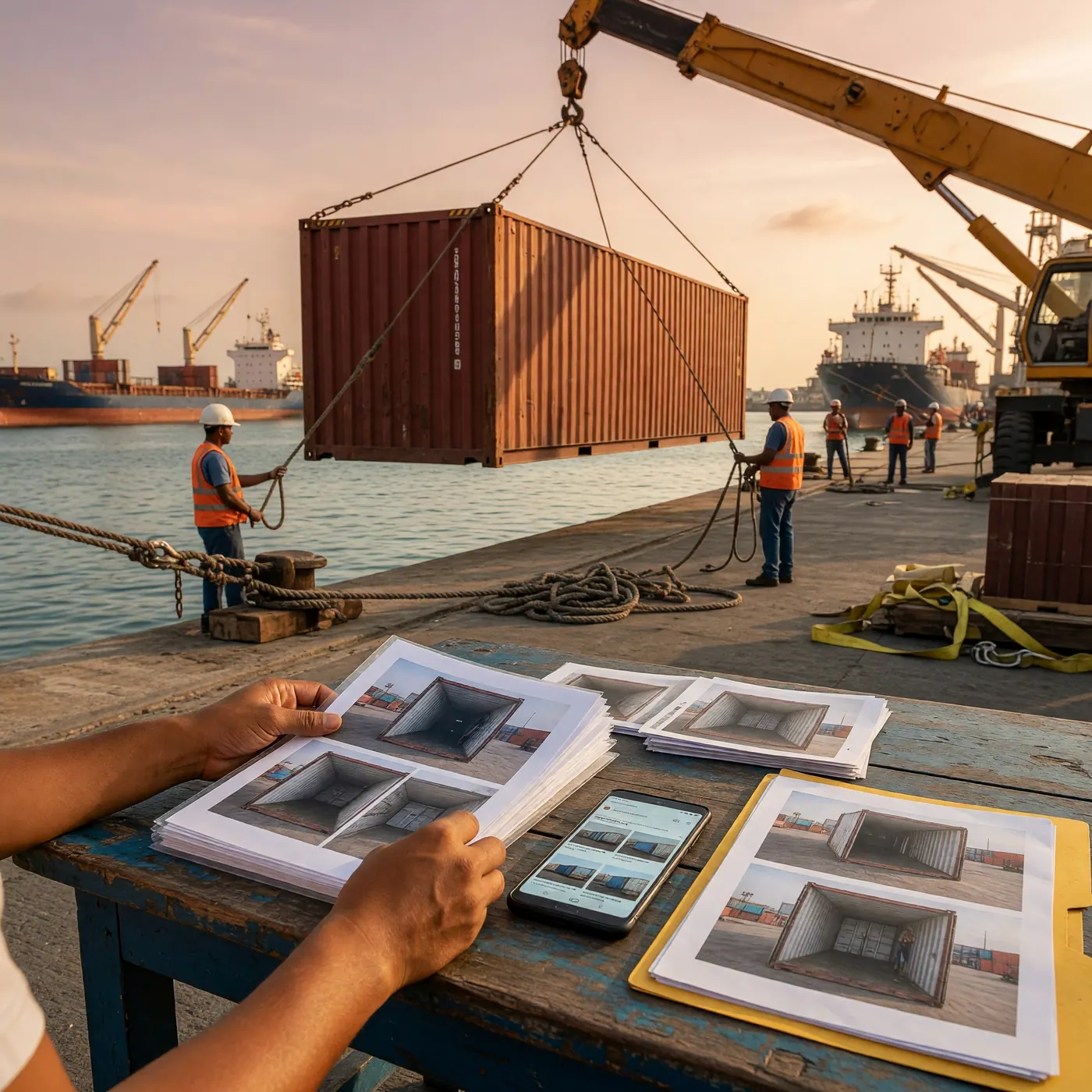
If you have already resolved your situation with the OCCRE and have housing, the next step is the move. Moving furniture and large appliances can only be done by sea (cabotage), departing exclusively from the authorized ports of Cartagena or Barranquilla.
The process is not as simple as hiring a truck. All cargo and household goods are subject to rigorous inspections by the Anti-Narcotics Police before being loaded into the container. You must pack everything with detailed inventories and invoices (if applicable) to avoid delays at the port.
Interestingly, according to active ads on Colombia Move (June 2026), there is a critical supply gap with 0 active listings for maritime moving companies to San Andrés. This shows that demand far exceeds the supply visible online, making it vital to connect with specialized and certified companies in advance.
Conclusion: Is the effort worth it?
Living in San Andrés is a beautiful privilege, but it requires patience, a comfortable budget, and a deep respect for local regulations and natural resources. If you manage to adapt to the island rhythm, overcome the OCCRE procedures, and manage your utilities well, the reward of ending your workday swimming in crystal-clear waters makes all the prior logistics worth it.
Frequently Asked Questions
❓ How much does the tourist card to enter San Andrés cost in 2026?
For the year 2026, the mandatory tourist card costs $153,000 COP, as established in Decree 0010 of the Archipelago Government. This value is readjusted annually based on the UVT and must be paid at the airport of origin before boarding the flight.
❓ Is it safe to travel to San Andrés without processing the OCCRE if you plan to stay and live there?
It is neither safe nor legal: the OCCRE conducts frequent checks and raids in 2026 in businesses, airports, and residential areas. Staying without a valid residence permit exposes you to heavy fines and immediate deportation to the mainland with no right to immediate return.
❓ What are the current requirements to live legally in San Andrés?
To reside legally in 2026, you must obtain the OCCRE card. Recognized paths include proving Raizal ancestry, maintaining a recognized union with a permanent resident, or having an employment contract sponsored by a local company that justifies hiring personnel from the mainland.
❓ How much does it cost to process the OCCRE temporary residence card?
The process for the first OCCRE temporary residence card has an official cost of $1,562,484 COP for the year 2026. In the case of renewal, the second temporary card has a value of $781,242 COP.
❓ Where can I find authorized moving companies to send items to San Andrés?
You can search for coastal shipping carriers and specialized moving services on Colombia Move, in the moving category, where companies operating from the ports of Cartagena and Barranquilla are listed. Request a quote at least 3 weeks in advance because cargo space on ships sells out quickly.
❓ How does the drinking water service work for island residents?
The public water supply, operated by Veolia, is limited and intermittent in most residential sectors. For this reason, daily life in San Andrés requires having underground cisterns to store rainwater or buying drinking water distributed by tanker trucks (carrotanques).
Comments
Loading comments...
Checking sign-in status...