
Earthquake in Colombia: how to help with donations and free items
Updated guide for sharing useful items or posting needs after the earthquake, with safety, verification, and zero money involved.
IDIOMA DEL ARTÍCULO
Showing original language
Update: August 11, 2026, 1:30 p.m., Colombian time. The figures for this emergency are constantly changing. This article distinguishes confirmed data from preliminary reports and will be updated as authorities publish new information.
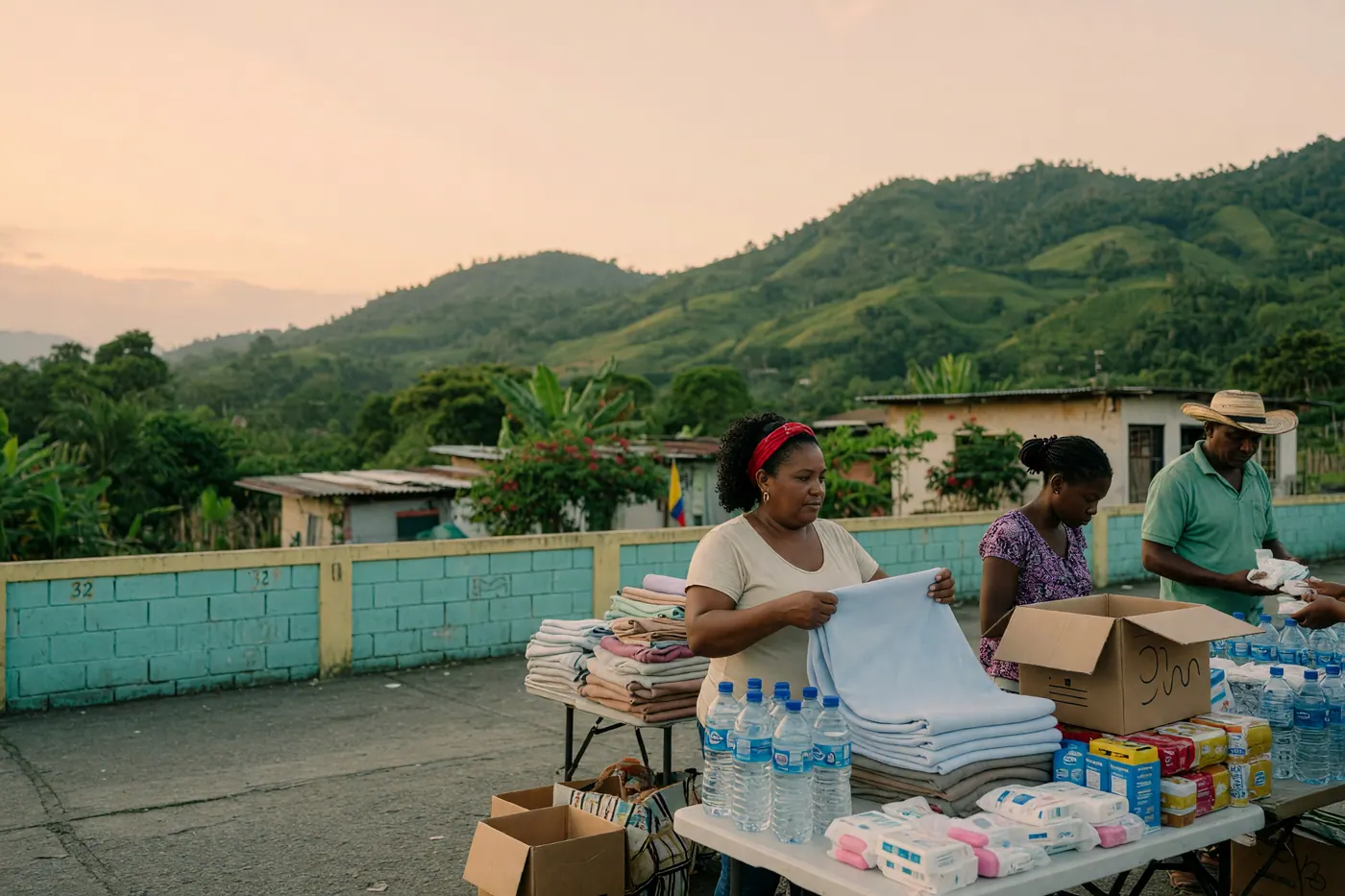
On Monday, August 10, at 7:34 a.m., a 7.4 magnitude earthquake shook western Colombia. The United States Geological Survey (USGS) located the epicenter 5 kilometers south of San José del Palmar, Chocó, at a depth of about 110 kilometers. The tremor was felt in a large part of the country and was followed, less than an hour later, by another 5.0 magnitude earthquake in the same area.
The emergency continues. As of this update, Associated Press reported more than 100 people deceased, more than 3,000 reported missing, and nearly 1,600 buildings damaged or collapsed. These are preliminary figures: national and local balances do not yet match and may increase as communications are restored.
First: protect life and leave the rescue to trained teams
Before donating or moving items, confirm that you and those around you are safe. The Colombian Geological Service reminds us that aftershocks can occur. Do not enter a building with serious cracks, damaged columns, leaning, or the smell of gas. Do not remove rubble or try to rescue a trapped person without specialized support: a secondary movement can turn a well-intentioned act of help into another emergency.
If there is immediate danger, call 123 or the local number indicated by the authorities. Also check our guide to emergency lines in Colombia. Keep roads clear for ambulances, firefighters, and search teams. Follow the SGC, the National Unit for Disaster Risk Management (UNGRD), mayors' offices, governors' offices, and relief agencies; avoid forwarding audio clips, victim lists, or money requests that do not have a verifiable origin.
How the Free section of Colombia Move can help
The marketplace has a free items section where anyone can offer a useful item with a mandatory price of $0 or post that they are looking for a specific necessity. The platform does not replace the UNGRD, the Red Cross, firefighters, or collection centers. It can serve as an additional meeting point between neighbors when the delivery is safe, local, and coordinated directly.
If you have something useful in good condition, post an offer with real photos, city, neighborhood, quantity, and delivery conditions. If you represent a family, shelter, or local organization that needs items, post a specific request and indicate who is receiving, where, and at what time. Avoid vague phrases like “everything is needed”: a concrete list allows the person helping to bring the right thing.
What items are actually worth offering
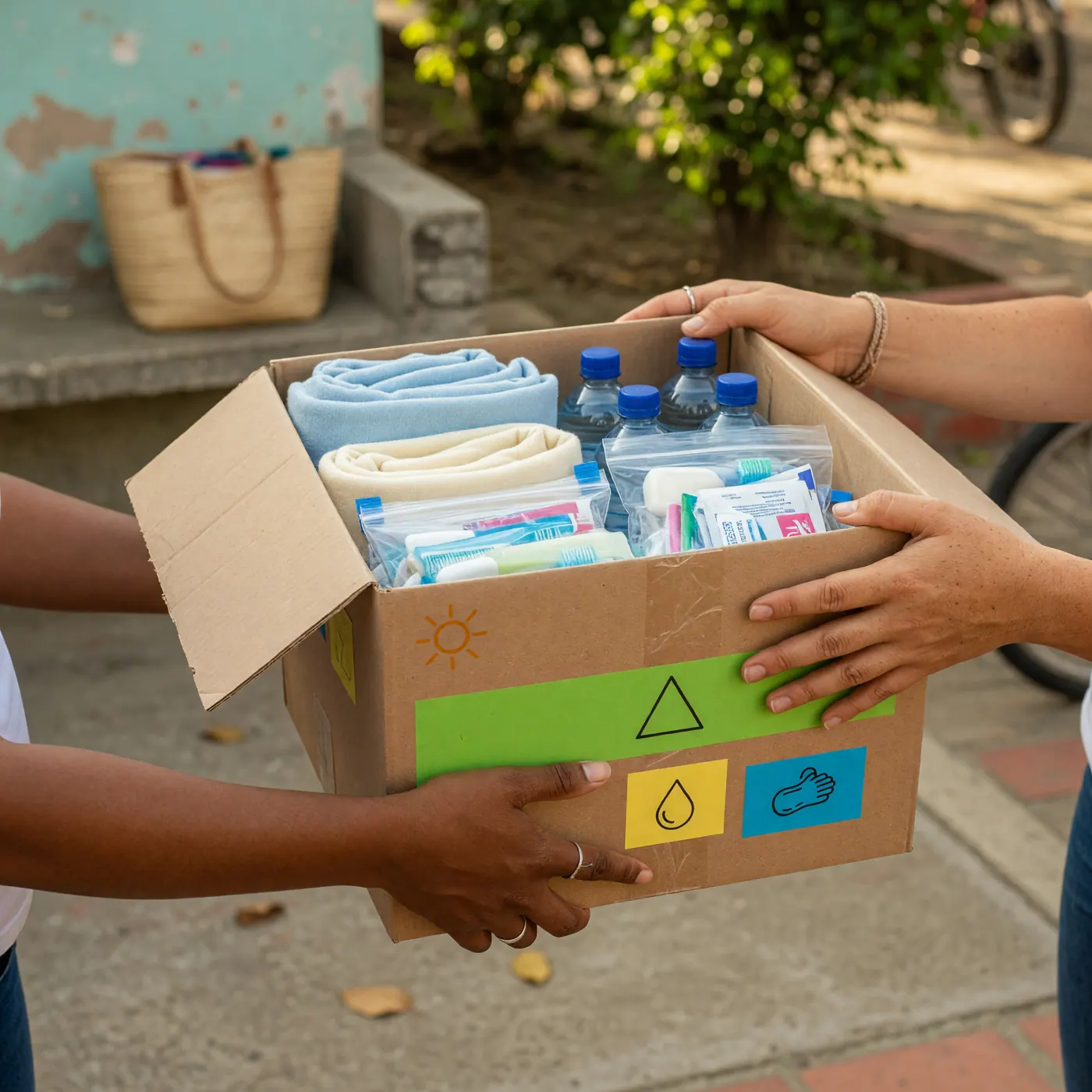
- Sealed water and non-perishable food, only when a collection point or recipient confirms they need it and can store it.
- Blankets, sheets, mattresses, and clean clothes, separated by type and size; do not send torn, damp, or dirty items.
- New and sealed hygiene items: soap, sanitary napkins, diapers, toilet paper, toothbrushes, and toothpaste.
- Items for children or the elderly requested explicitly by a family or authorized center.
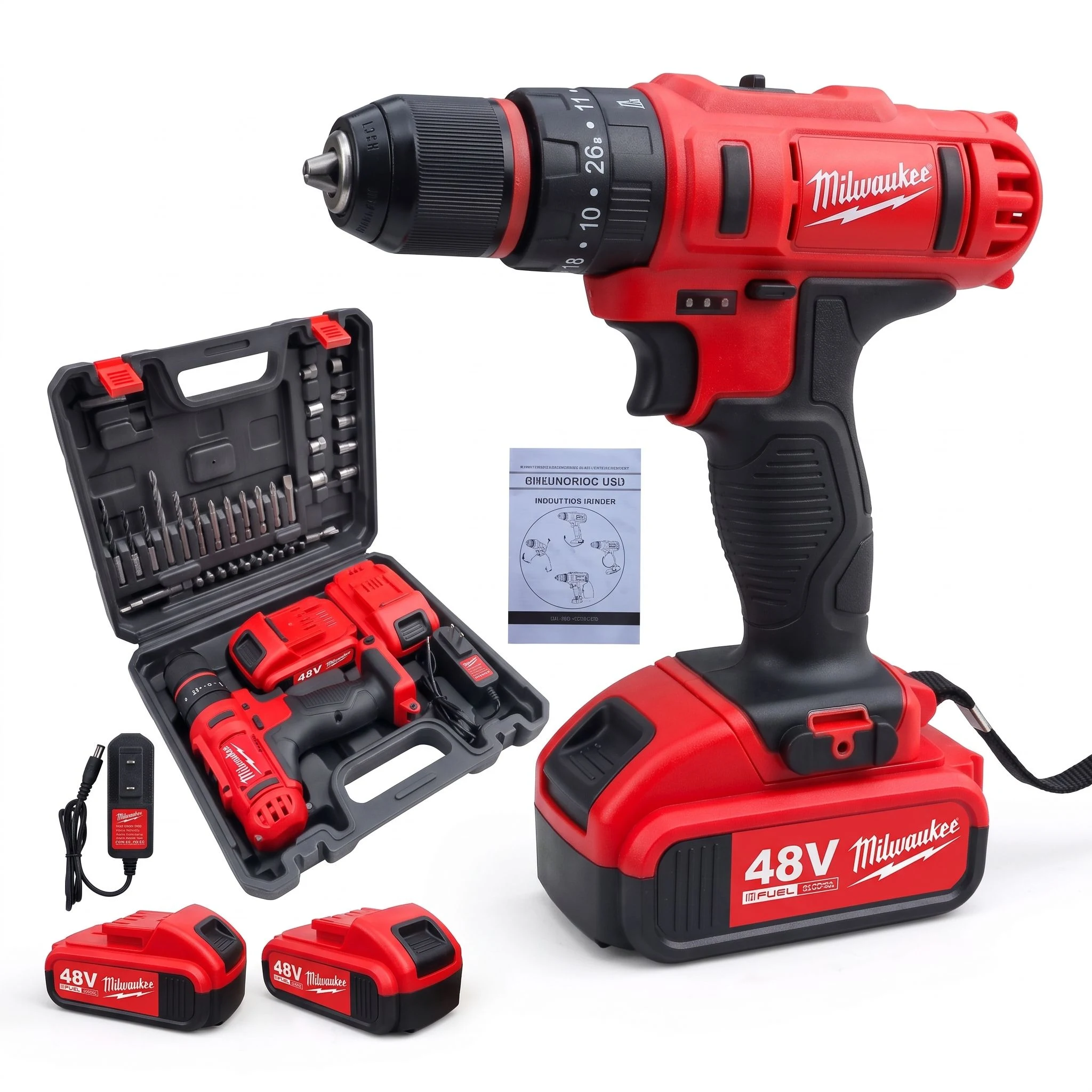
- Tools and materials only if an entity, crew, or responsible professional confirms the specification and the delivery location.
Do not post medicines that are opened, expired, or require a prescription; prepared food without a cold chain; damaged electrical equipment; contaminated mattresses; flammable products; or objects that force someone to enter an unsafe structure to pick them up.
How to write an ad that actually helps
- Start with the action: “Offering 12 clean blankets” or “We are looking for size M diapers for a verified shelter.”
- Locate without exposing: include city and general sector. Share an exact address only through a private channel and after verifying the other party.
- Explain the logistics: pickup or delivery, schedule, quantity, weight, and if a vehicle is needed. Do not block emergency corridors.
- Include useful proof: current photos of the items and, for institutional requests, a link to the organization's official channel.
- Close the ad: when it is delivered or the need is met, mark it as resolved to avoid diverting help.
Money, transportation, and scams: important limits
Do not use a marketplace ad to ask for or send money. If you wish to make a monetary donation, go to the official website of a recognized entity on your own and confirm that the campaign expressly mentions this emergency. Do not copy account numbers from screenshots, WhatsApp chains, or comments. The platform does not charge, hold, distribute, or guarantee donations.
Free means free. Do not pay for a “reservation,” “insurance,” “activation,” or “shipping cost.” Verify the recipient's identity, deliver accompanied, and, whenever possible, use an official collection point or a safe public place. Never share verification codes, passwords, complete documents, or bank details.
Before sending a truck or traveling to Chocó, Valle del Cauca, Risaralda, or Caldas, consult local authorities. Unsolicited donations can overwhelm warehouses and roads. Sometimes the most helpful aid is to post an item in your own city for a displaced family or to support a collection center that already has transport and sorting.
A useful network starts with clear information
The Free section was born so that a useful object could find a second home. In an emergency, that same mechanism can connect a blanket, a mattress, a box of diapers, or a tool with a real need. Its value depends on precision: usable items, verifiable requests, safe deliveries, and zero money involved.
Share this article with people who can offer something useful or post a legitimate need. For earthquake news, use official sources; for rescue and urgent matters, call 123; and for material aid between private individuals, coordinate calmly and document the delivery.
Frequently asked questions
When and where did the Colombia earthquake occur?
According to the USGS record consulted on August 11, 2026, it occurred on August 10 at 7:34 a.m., Colombian time. The record indicates a magnitude of 7.4, epicenter 5 kilometers south of San José del Palmar, Chocó, and an approximate depth of 110 kilometers.
Are the victim figures definitive yet?
No. As of the AP update consulted on August 11, 2026, at 1:30 p.m., national and local reports still differed. More than 100 deaths and more than 3,000 people reported missing were preliminary figures, not a final tally.
Can I donate items through the Free section?
Yes. According to the Free section rules in effect as of August 11, 2026, you can post useful items at a price of $0 and coordinate a safe delivery directly. The platform facilitates contact but does not receive, transport, store, or certify donations.
Can I post that I need help?
Yes. The Free category allows requests as of August 11, 2026. Describe the item, the quantity, the city, who will receive it, and how to verify the need, without posting private addresses or sensitive documents.
What do I do if an ad asks for money or a shipping fee?
Do not pay and report it. According to the visible rules of the Free category consulted on August 11, 2026, items must cost $0. For monetary donations, use exclusively the official site of a recognized entity and verify the campaign independently.
Where do I report an immediate emergency?
The UNGRD earthquake preparation guide consulted on August 11, 2026 indicates the 123 line. Use that number or the local channel indicated by the authorities. Do not use the marketplace to report people trapped, fires, gas leaks, or urgent structural damage.
Is it safe to enter a damaged home to take out a donation?
No. The SGC guidance consulted on August 11, 2026 recommends checking for signs of structural damage and staying informed by authorities. If there are serious cracks, tilting, or the smell of gas, move away and wait for an assessment by authorized personnel.
Comments
Loading comments...
Checking sign-in status...