
How to sell a country lot or agricultural land in Colombia without a real estate agency
Learn how to sell your country lot or agricultural land in Colombia directly and without paying agency commissions. Discover the minimum legal documentation, POT verification, and how to filter serious buyers.
IDIOMA DEL ARTÍCULO
Showing original language
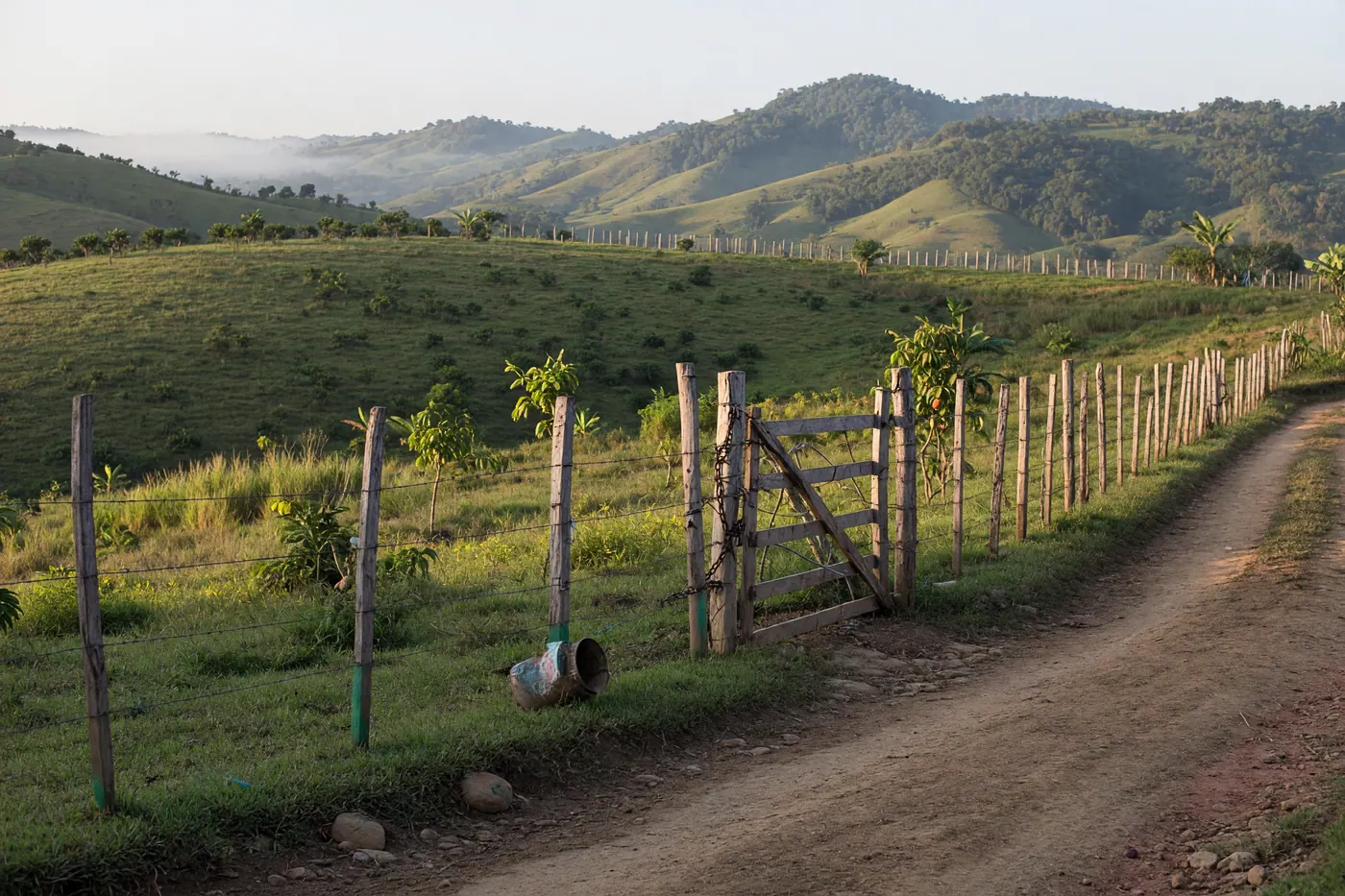
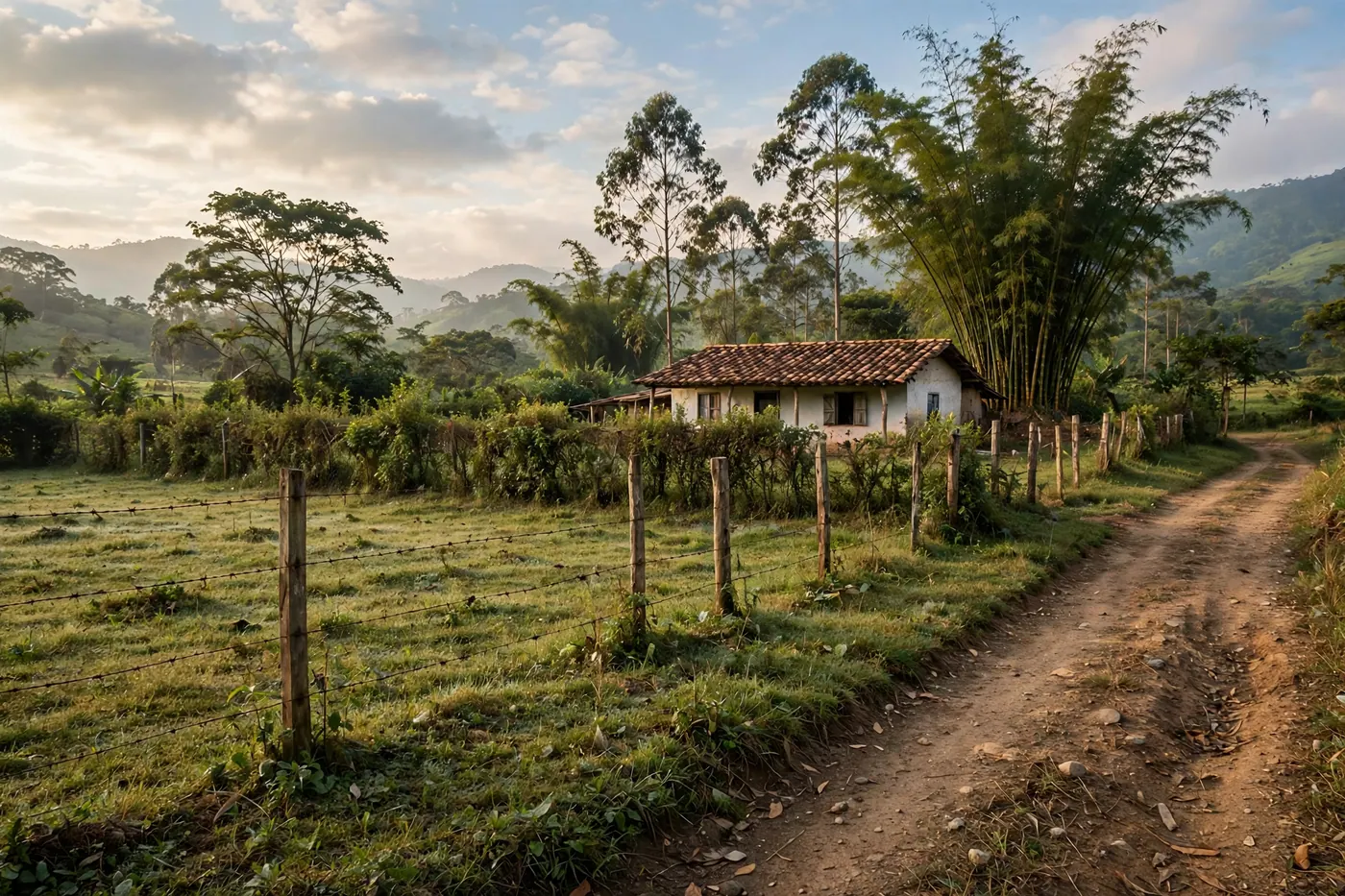
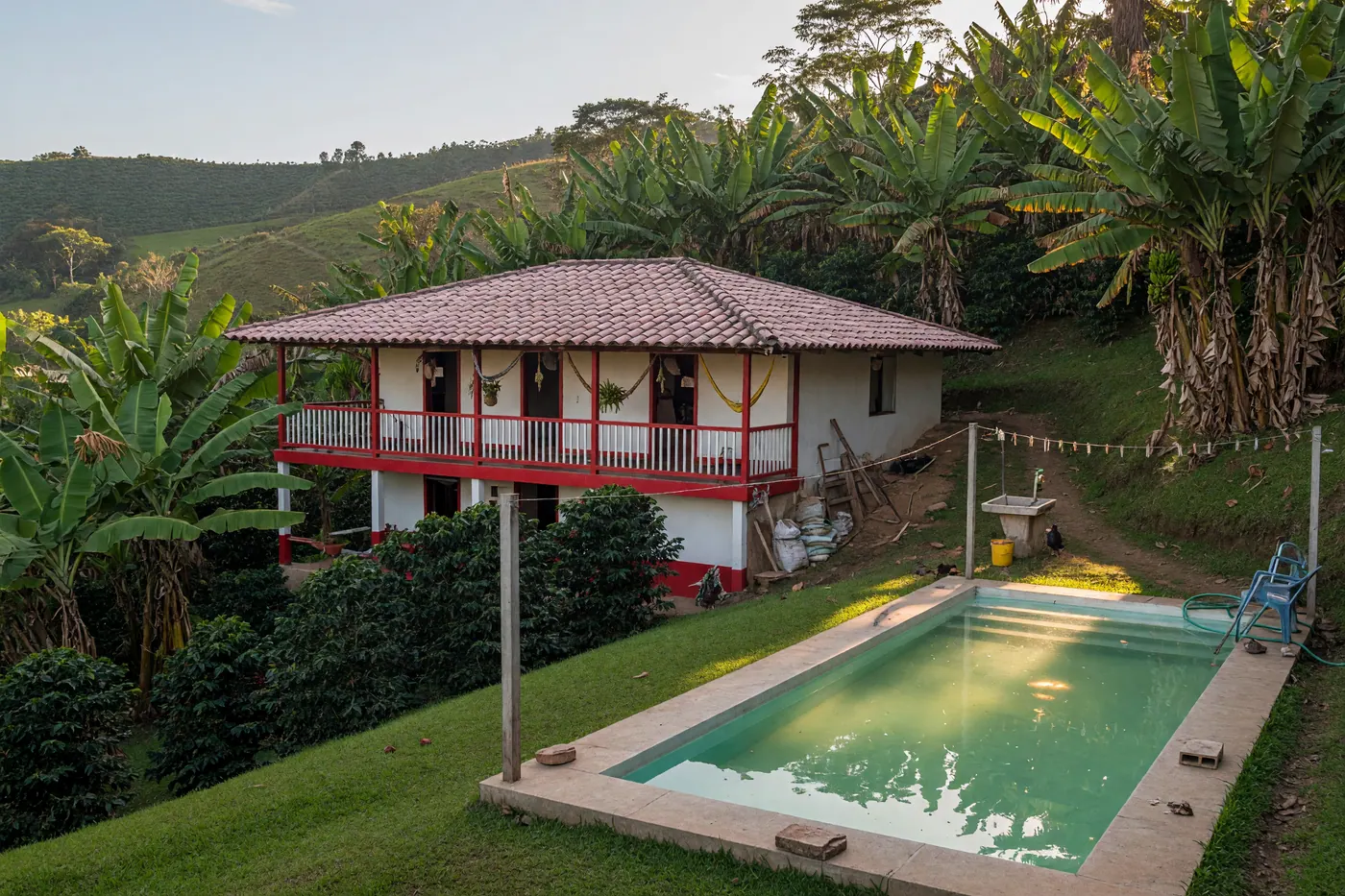
Selling a country lot or agricultural plot directly in Colombia is a way to negotiate personally and avoid an agency's sales commission. However, marketing a rural property without an intermediary does not mean skipping legal steps or improvising documentation. In fact, rural land buyers are often more cautious due to issues regarding boundaries, water availability, building permits, and ownership.
To close a secure deal without headaches, you must organize the property's paperwork, verify the municipal land use regulations, and know how to screen curious parties before taking them to the property. According to active listings on Colombia Move (August 2026), there are 14 active farm listings, 10 for lots, and 8 for country houses; in a still-limited supply, legal clarity helps the buyer understand the property from the first contact.
| Process Step | Key Document or Action | Main Objective |
|---|---|---|
| 1. Legal Clearance | Certificate of Tradition and Freedom, Deed, and Property Tax Receipt | Demonstrate clean ownership without liens. |
| 2. Land Use Verification | Consultation of POT or municipal Planning department concept | Know what can be legally built or planted. |
| 3. Boundaries and Land | Topographic map and surface area identification | Avoid area disputes with neighbors or buyers. |
| 4. Promotion and Screening | Listing with approximate location and real photos | Attract serious buyers and protect privacy. |
1. Organize the basic legal documentation of the property
The most common mistake of an independent owner is looking for a client before reviewing the legal status of the lot. When a truly interested buyer asks for papers to perform a title search and the seller takes weeks to get them, the sale usually cools down or falls through.
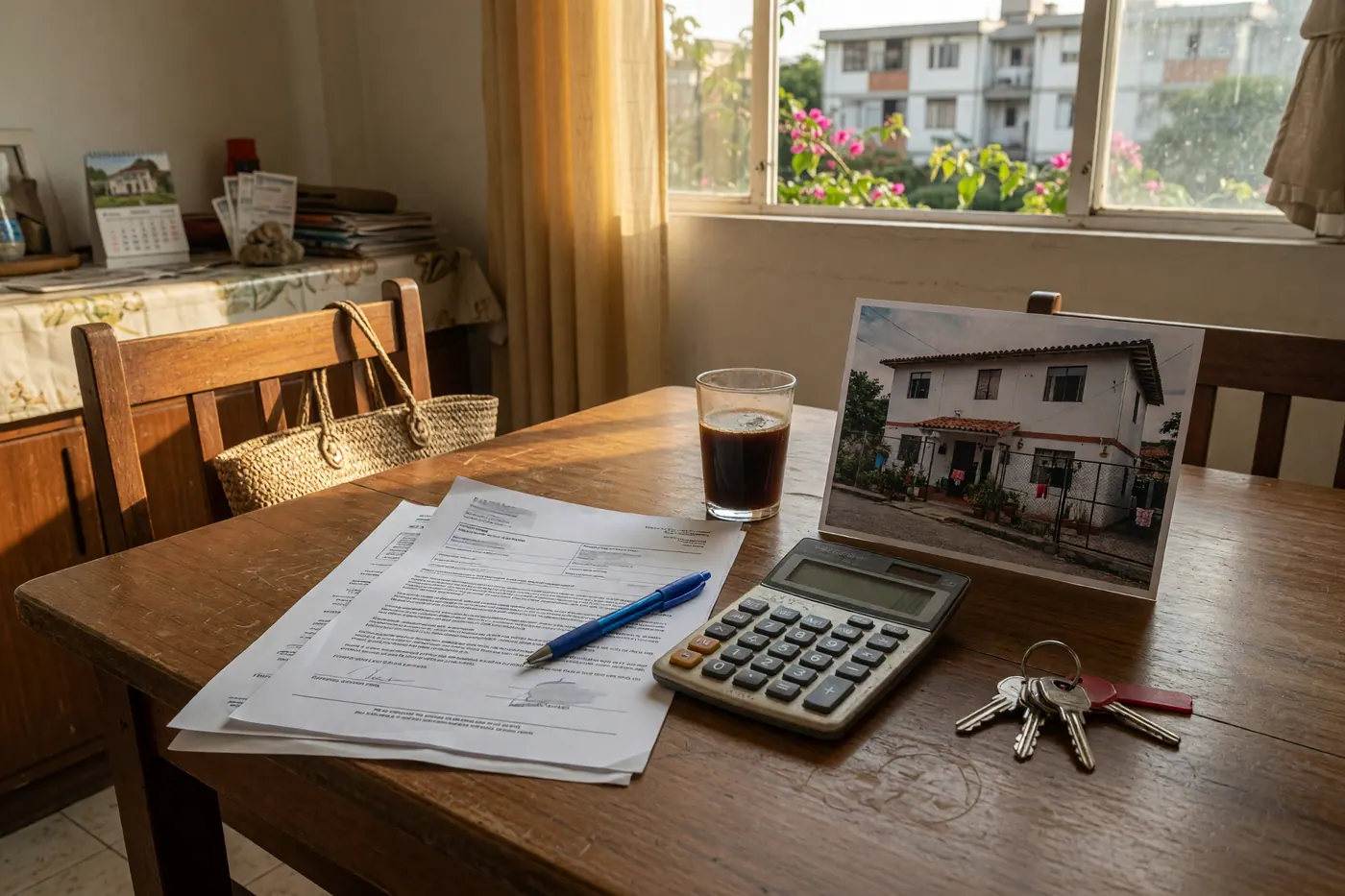
Before putting up the first sign or publishing online, have the following documents ready:
- Certificate of Tradition and Freedom (CTL): issued by the Superintendency of Notaries and Registry (SNR). This certificate allows for the review of the property's legal situation and history.
- Public Deed of Acquisition: the notarial document proving how you bought or inherited the property. It must be duly registered in the corresponding Office of Public Instruments.
- Unified Property Tax clearance certificate (Paz y salvo): it is advisable to verify the status of local tax as part of the file prior to the sale.
- Betterment levy clearance (if applicable): it is advisable to verify this when applicable to the property and the municipality.
2. Verify land use (POT) and environmental restrictions
Many sellers make the mistake of promising in their ads that on the lot one can "build a three-story house," "subdivide into four farms," or "set up a glamping site or restaurant." In Colombia, the Territorial Ordering Plan (POT), PBOT, or EOT of each municipality determines what activities are permitted, restricted, or prohibited in each zone.
Before defining the purpose of your lot, consult the Municipal Planning Secretariat regarding the applicable concept or land use support, according to the POT and its complementary instruments. You should pay special attention to the following points:
- Minimum Action or Subdivision Area: the subdivision of rural land depends on the rules and instruments applicable in each municipality. Verify with Planning and legal counsel how the property is identified before offering a fraction as an independent lot.
- Waterways and road setbacks: if a creek or water spring runs through the land or it borders a departmental or rural road, verify the applicable restrictions and determinants with Planning and the competent environmental authority before promising a use.
- Water rights and public utilities: clarify what services exist and what supporting documents you can show. Never claim a piece of land has "legal private water" without verifying the applicable document with the competent authority.
3. Define physical boundaries with a topographic survey
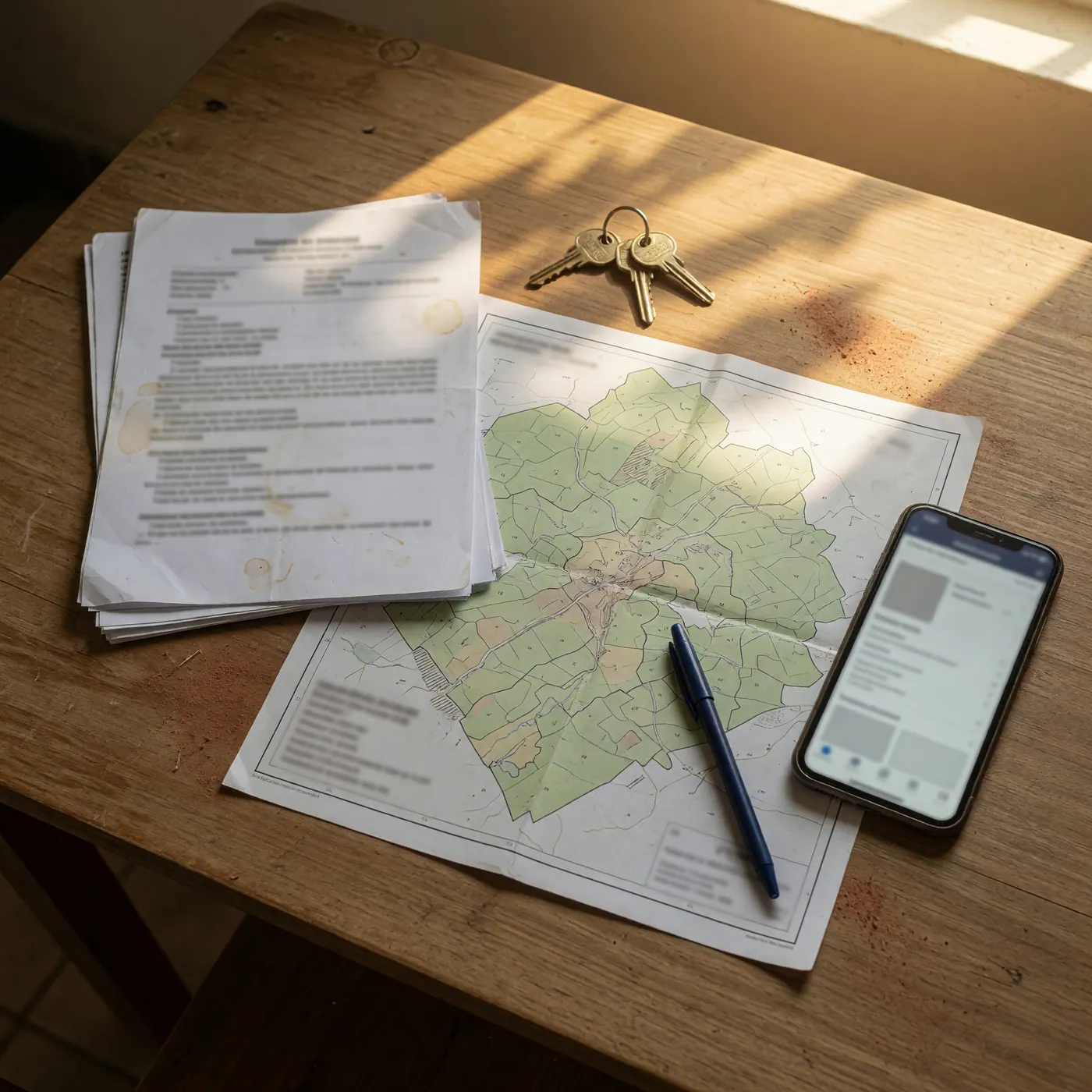
In the Colombian countryside, it is common to find old deeds with boundaries written in vague terms, such as "from the guava tree to the black stone." When negotiating with a modern buyer, those descriptions generate mistrust and can delay the negotiation.
If the property does not have clear boundaries or if fences have moved over the years, it is advisable to hire a surveyor to conduct a survey. It is advisable to contrast the map and area with the information from the IGAC or the corresponding cadastral authority and with the registry before receiving buyers.
4. How to price and publish your lot without giving away your money
Determining the value of rural or country land requires analyzing different variables than those for an urban apartment. Consider the following aspects to set a competitive but realistic price:
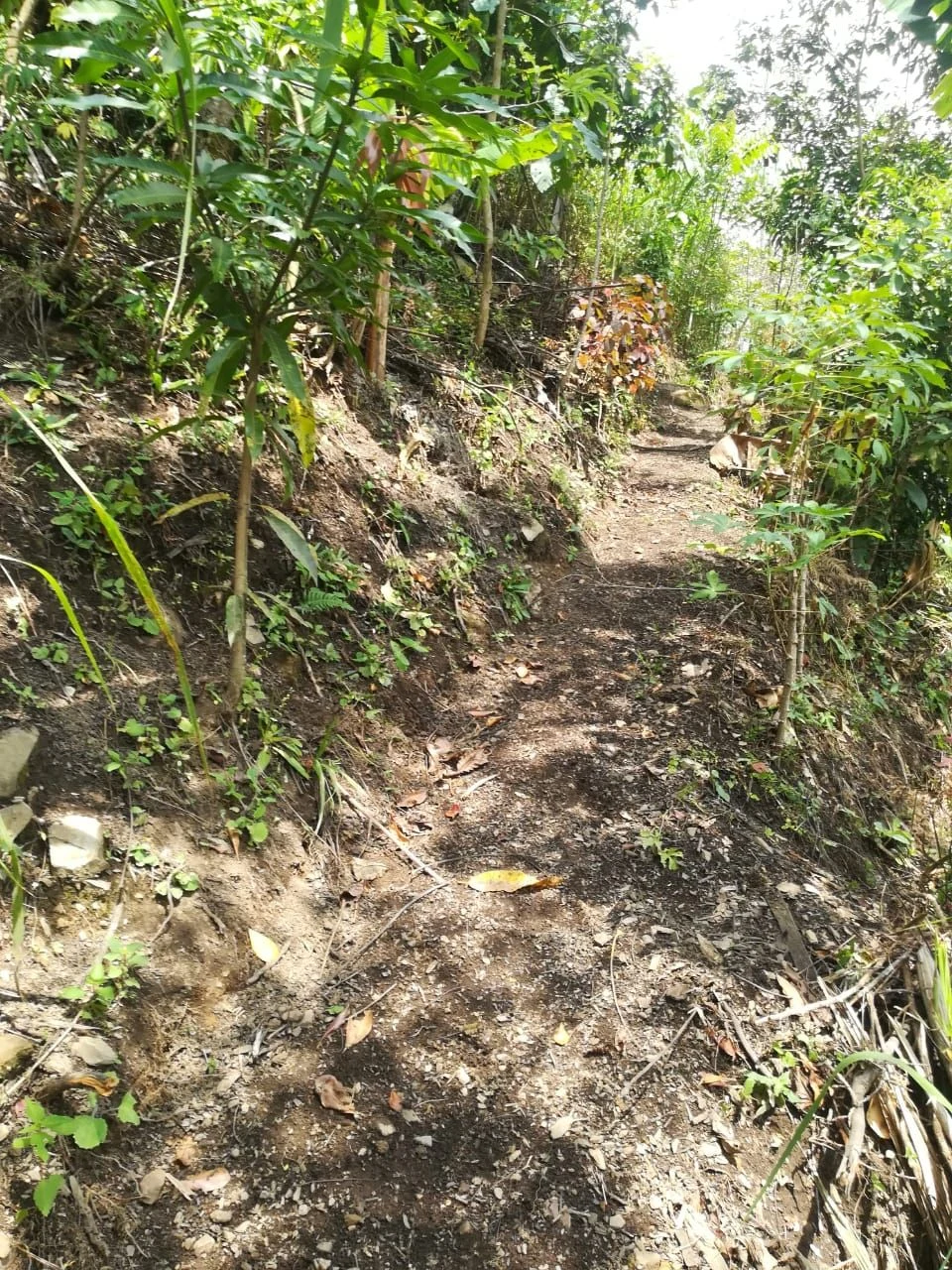
- Access roads: is the road paved, concrete-tracked, or unpaved? Can any vehicle enter, or only 4x4 off-roaders?
- Useful topography: the usable area, slope, and any works the land might require influence the comparison with similar properties.
- Proximity to urban centers: the distance in minutes (rather than kilometers) to the main town center or the nearest airport.
- Reference prices in the area: research at what price similar land has sold in the same vereda, distinguishing inflated offers from real closing values.
5. Security when receiving interested parties and screening buyers
One of the biggest fears of owners when selling without a real estate agency is physical safety and the privacy of documents. When promoting a rural property, you must take precautions not to expose the exact location or your personal information to malicious people.
- Approximate location: in public ads, indicate the vereda, sector, or municipality, but avoid giving the exact coordinates of the access point until you have spoken by phone or WhatsApp with the interested party.
- Filter by financial capacity: before scheduling a country visit that takes several hours of travel, ask key questions about the buyer's budget, their payment method (own resources, trade, or loan), and the time they project to close the deal.
- Protect your personal documents: do not send full copies of deeds or ID cards via open downloadable files to unknown people. When sharing a draft or certificate, you can temporarily cross out sensitive data until a formal written offer exists. Review additional recommendations on identity protection in our article on privacy and identity theft prevention in Colombia.
- Accompanied visits: always go to the property accompanied and schedule the appointment during daylight hours. Inform a family member about the location and time of the meeting.
6. The final stage: Contract of sale, deed, and withholding tax
Selling without a real estate agency does not mean omitting legal mediation or professional fiscal guidance. Remember that even if you do not pay a sales commission, the transaction must comply with all notarial formalities under Colombian law.
Remember that selling directly exempts you from commercial commissions, but not from the rigor of the procedures. If you are also selling a vehicle or other assets to finance rural projects, remember that handling matters without intermediaries requires attention to withholdings and taxes to avoid tax surprises.
- Contract of Sale: is the private contract where the exact value of the lot, the method of payment (advance or earnest money, balance against deed), the dates of material handover, and the status of tax clearance certificates to be presented are stipulated. Go to a notary or legal advisor to draft it properly.
- Withholding tax on the sale of real estate: the notary office can act as a withholding agent. The application depends on the case and current regulations; verify this with the notary and an accountant before signing, taking into account the current DIAN guidance.
Frequently Asked Questions
❓ What documents do I need to sell a lot in Colombia without a real estate agency?
Prepare the Certificate of Tradition and Freedom, the deed or acquisition history, property tax support, appraisal if applicable, and the corresponding land use information. The notary or legal advisor can specify additional documents for your case.
❓ Can I subdivide and sell a part of my country lot freely?
Do not offer it as an independent lot without verifying it. Consult the POT (Land Use Plan) and municipal rural subdivision rules with the Planning Department, and confirm with legal counsel how each fraction must be identified and registered.
❓ Who should pay the notary and registration fees when selling land?
It depends on the agreement and the regulations applicable to the business. Before signing, ask the notary for the breakdown of fees and taxes and confirm with an accountant the withholding that applies to your case.
❓ How do I know what can be built on my agricultural land?
You must request a land use concept or certificate from the Planning Secretariat of the corresponding mayor's office. This document specifies the primary, compatible, and prohibited uses according to the municipal land use plan.
❓ Is it mandatory to hire a real estate agency to sell a farm or lot?
No, it is not mandatory. You can sell directly by negotiating with the buyer, provided that a solid contract of sale is drawn up and the public deed and legal registration are carried out before official authorities.
❓ How can I avoid payment fraud when selling my lot?
Verify the buyer's identity and confirm payment via reliable channels before executing the agreed handover. Do not share complete documents from the first contact and validate any payment instrument with the bank before signing.
Comments
Loading comments...
Checking sign-in status...