
Boyacá Route: Villa de Leyva, Ráquira, and Paipa
A practical guide to exploring iconic Boyacá destinations over a weekend, including strategic stops, handicrafts, relaxation, and accommodation recommendations.
IDIOMA DEL ARTÍCULO
Showing original language
Quick answer: A classic and balanced route through Boyacá requires at least two nights to enjoy it without rushing. The ideal itinerary starts from Bogotá towards the North highway, making the first stop at the Puente de Boyacá, continuing toward Ráquira to see clay handicrafts, using as a main base Villa de Leyva for dining and overnight stays, and ending in Paipa to relax in its thermal waters or at Lake Sochagota before heading back.
The route at a glance: stops and estimated times
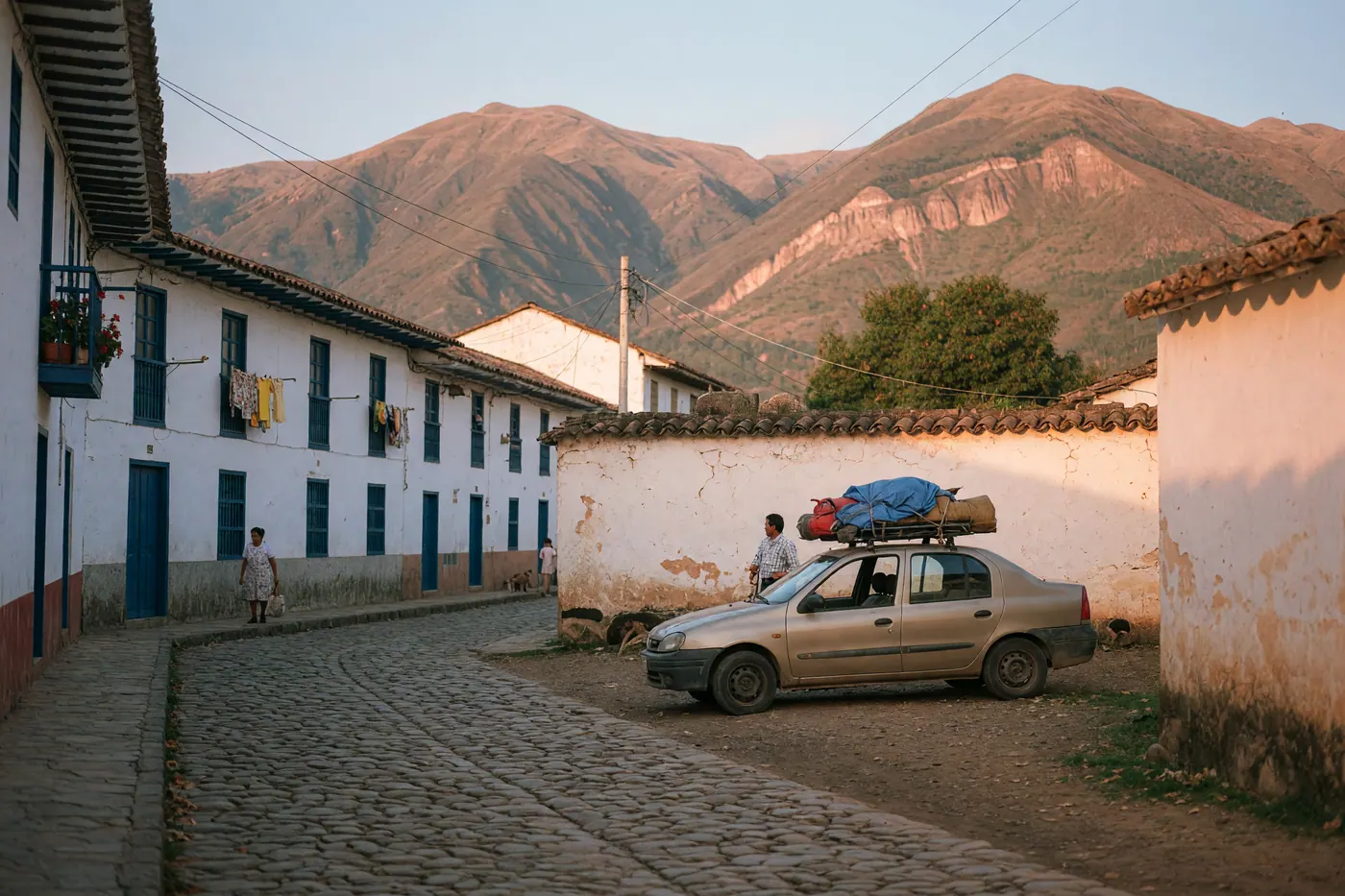
Traveling through the department of Boyacá is one of the popular land getaways from Bogotá and neighboring municipalities. The combination of colonial history, artisanal tradition, and mountain landscapes allows for a flexible itinerary depending on the time available.
| Stop | Main attraction | Recommended time | Travel tip |
|---|---|---|---|
| Puente de Boyacá | Historical monument | 45 to 60 minutes | Ideal to stretch your legs and take photos when starting the route. |
| Ráquira | Handicrafts and clay ceramics | 2 to 3 hours | Walk the main square and buy directly from local artisans. |
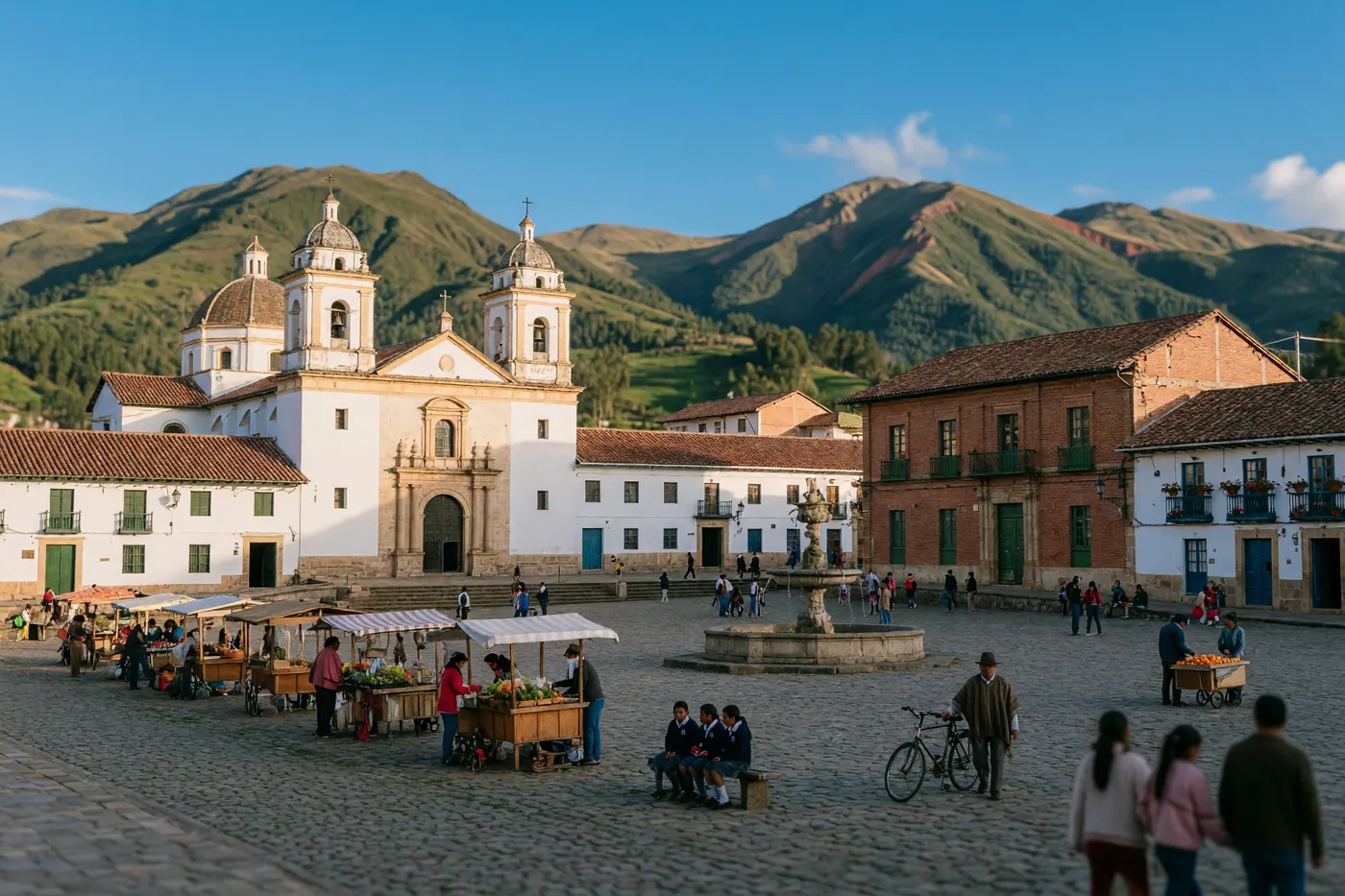
| Villa de Leyva | Main Square, colonial architecture, and gastronomy | 1 to 2 nights (base) | Walk around it at sunset and wear comfortable shoes for the cobblestones. |
| Paipa | Thermal baths, Lake Sochagota, and almojábanas | Half a day to 1 day | Perfect for ending the trip with some rest before the return. |
Villa de Leyva as a base for lodging
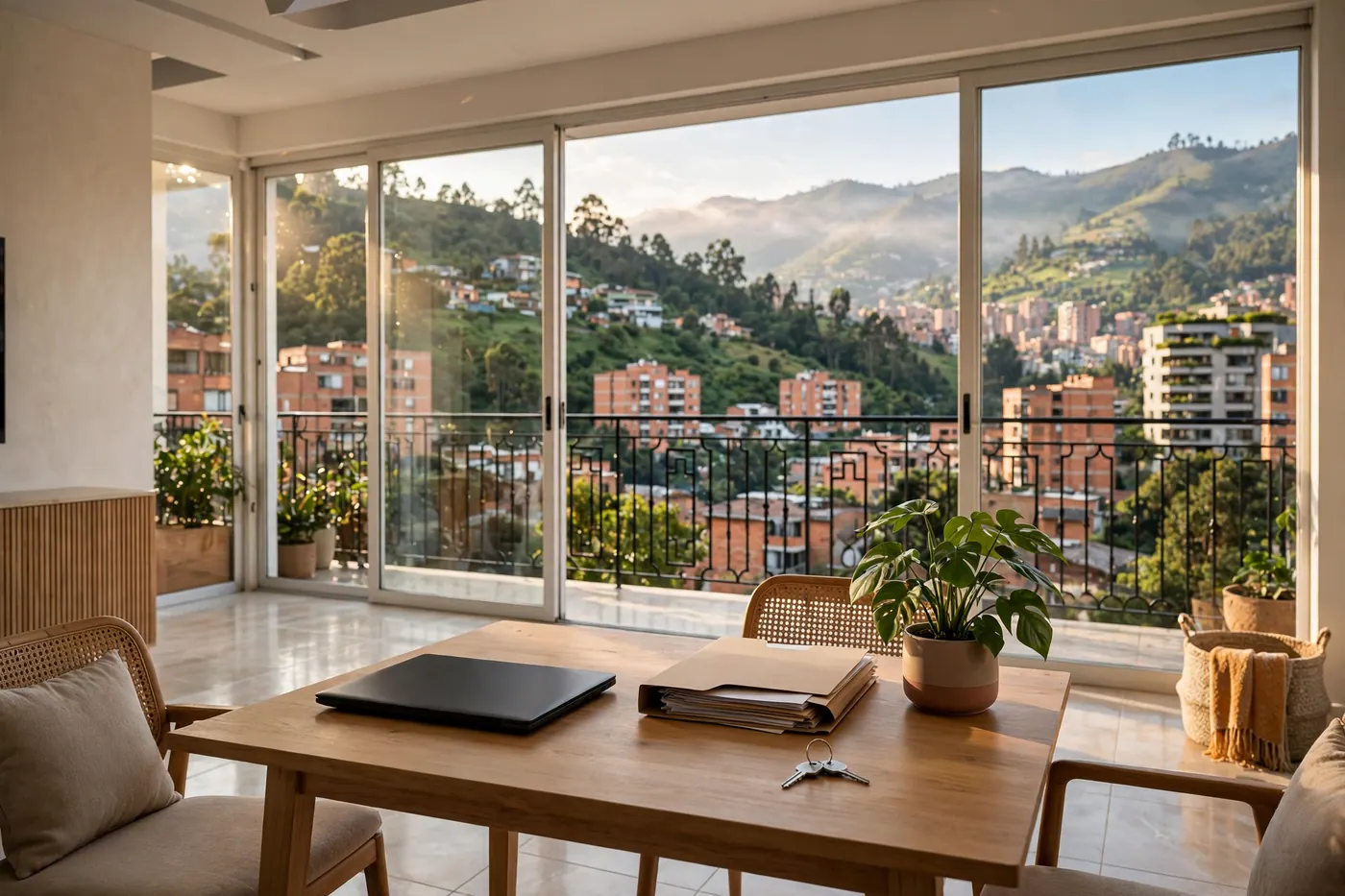
Villa de Leyva has a wide range of tourism options ranging from traditional hostels near the historic center to cabins and country apartments in its surroundings. Establishing this municipality as a central point for lodging makes it easier to visit Ráquira, Sáchica, or Sutamarchán without packing your suitcase every night.

When planning your stay, verify that tourism providers have their valid National Tourism Registry (RNT) or check the conditions directly with the hosts before making any advance payments. If you are looking for furnished options for group or family travel, check the local offerings in advance and compare availability and conditions.
👉 You might be interested in: Consult the guide for holidays and rest days in Colombia to plan your weekend trips in advance.
Ráquira and the clay route
In the tourist circuit near Villa de Leyva is Ráquira, known for its colorful facades and pottery tradition. Integrated into the regional tourist route of the Clay Paths, this municipality is a stop to buy clay handicrafts, tableware, flower pots, and textiles.
Take advantage of the visit to have lunch in the area or try local gastronomy in the neighboring municipalities, with traditional preparations such as longaniza and the piquete boyacense.
Puente de Boyacá and Paipa to close the route
The Puente de Boyacá is an iconic geographical and historical point located on the Pan-American Highway between Bogotá and Tunja. Stopping at this monumental complex allows you to learn about the history of the liberation campaign without deviating from the main corridor.
Further ahead, Paipa offers a contrast focused on wellness and nature tourism. Its thermal water pools and the setting of Lake Sochagota are suitable for resting. Before starting the return journey, it is worth trying Paipa Cheese, a traditional semi-ripened cheese from Boyacá with Denomination of Origin, along with local pastries like the paipana almojábanas.
Plans for high-demand dates
The August 7, 2026, commemoration of the Battle of Boyacá, falls on a Friday and is a national holiday. If you are traveling on that date, book your accommodation in advance and factor in extra time for tolls and leaving the capital.
Road safety and basic logistics for the trip:
- Public transport: Buses from Bogotá to Villa de Leyva usually take about 3 to 4 hours; verify current schedules and fares directly with the terminal and the operating companies.
- Private vehicle: Check road conditions, plan toll payments, and check tire pressure before leaving.
- Weather: Conditions can change during the trip; pack warm clothing and sun protection.
According to Colombia Move data for the 30-day window ending July 31, 2026, the temporary lodging category had 1 active listing, 0 recent listings, and 213 views. That thin offer makes it especially useful to contact the host and confirm arrival, parking, rules, and availability before paying.
Frequently asked questions
❓ How many days are needed to do the route through Villa de Leyva, Ráquira, and Paipa?
Ideally, at least 3 days and 2 nights. This allows you to dedicate a full day to Villa de Leyva and Ráquira, and another day for the tour of Paipa and the Puente de Boyacá without being rushed on the road.
❓ Is it better to stay in Villa de Leyva or in Paipa?
It depends on the plan. Villa de Leyva offers more gastronomic variety, colonial architecture, and atmosphere around its square. Paipa is preferable if you are looking for rest, thermal baths, and lake activities.
❓ Can this route be done by public transport?
Yes. There are routes from Bogotá to Tunja and Villa de Leyva. To move between municipalities like Ráquira or Paipa, check current connections and schedules at the local terminals before leaving.
❓ What should I check before booking a temporary accommodation in Boyacá?
Confirm the exact location, recent photos of the property, cancellation policies, parking availability, and the valid RNT where applicable. Also verify rules and contact details before making any advance payments.
❓ What is the best time of year to visit these municipalities?
Boyacá can be visited all year round. Check the forecast and availability before you travel; during holiday weekends, it is advisable to anticipate higher demand for lodging and potential traffic delays.


Comments
Loading comments...
Checking sign-in status...