
Living in Colombia Long-Term: How Life Changes After Year One
The honeymoon phase ends around month four. Here's an honest look at what changes — friendships, Spanish fluency, bureaucracy, and finances — after year one in Colombia.
IDIOMA DEL ARTÍCULO
Showing original language
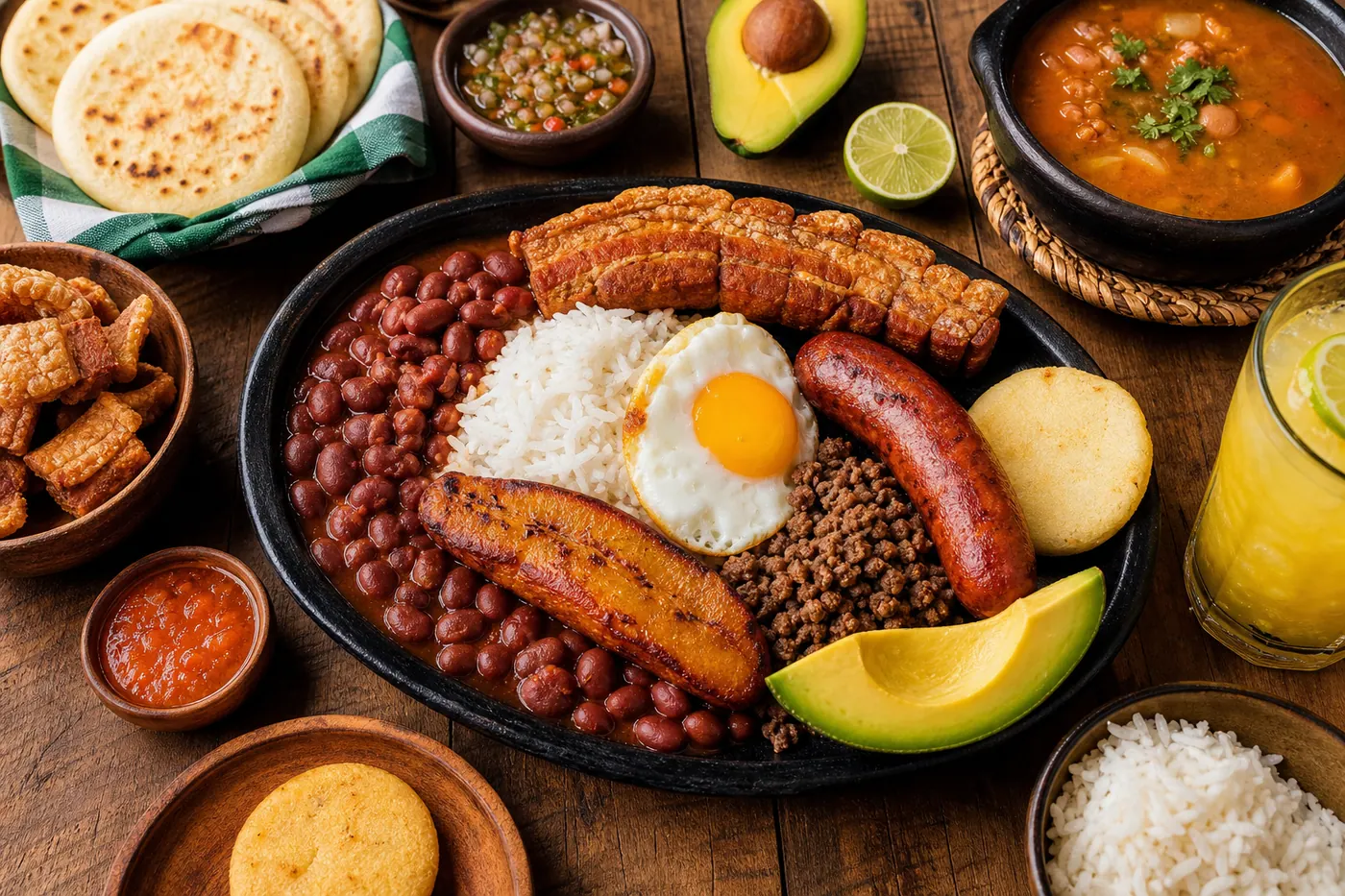
My first three months in Colombia felt like a permanent vacation with a dash of existential clarity for good measure. I woke up for weeks to 25°C in Laureles, paying $1.5 million for an apartment with a balcony, eating bandeja paisa for $12,000 pesos, and thinking—genuinely—that I had cracked the code to the good life.
Then month four arrived. The novelty evaporated just as my visa was expiring, the power of attorney I needed from my home country turned out to require an apostille I hadn't processed, and the landlord decided to raise my rent because someone in the building told him that gringos are rich. Welcome to long-term life in Colombia.
This is not an article about whether Colombia is worth it (it is). It is about what really changes after surviving the first year—and why most of those changes are, quietly, positive.
The Honeymoon Phase: Real, and It Ends on Time
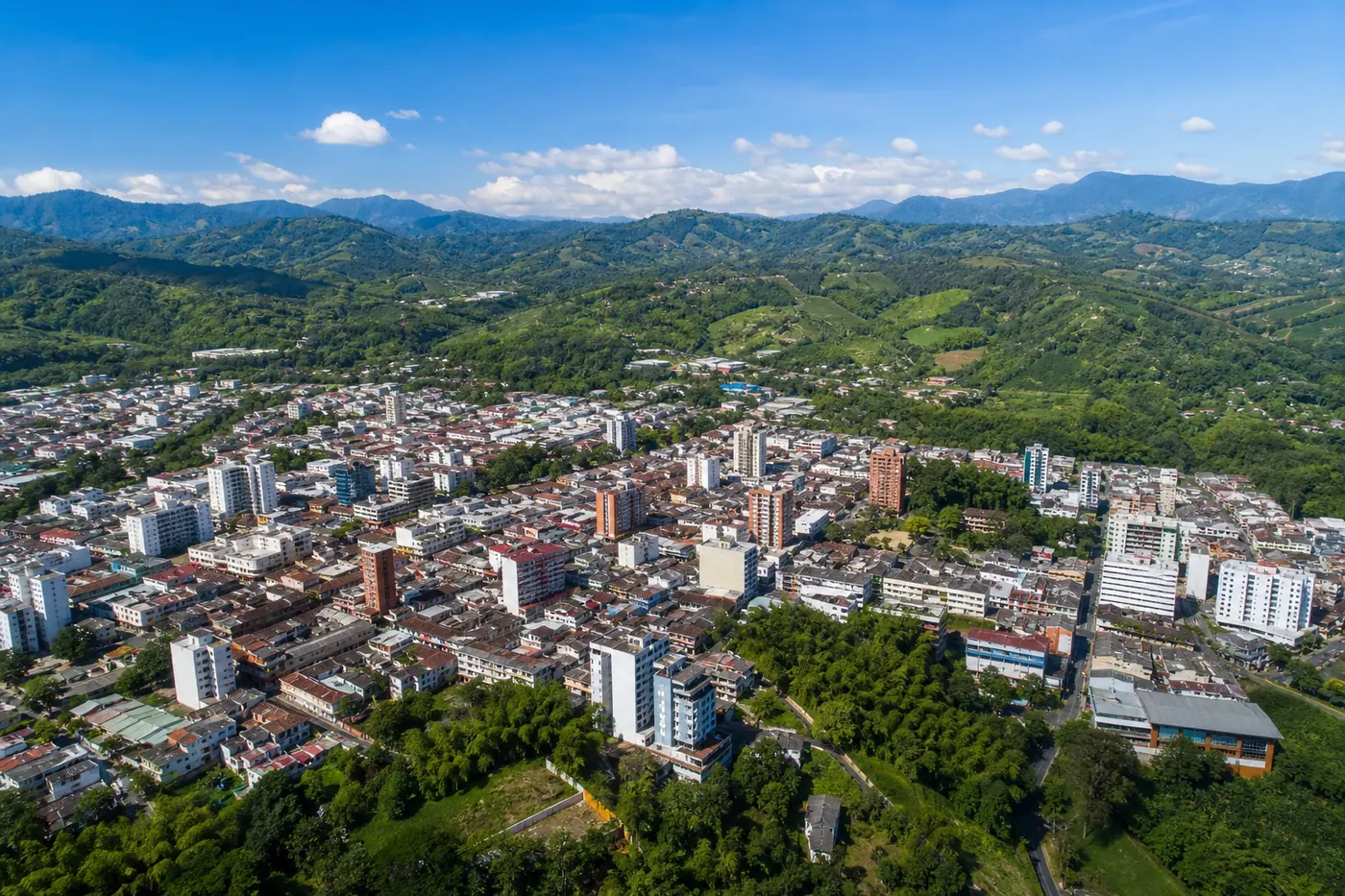
The first three months are an almost universal high. Everything is cheap compared to where you came from. The weather in Medellín is truly extraordinary. People are warm. You are going out three nights a week, meeting people in coworking spaces, sending photos to your family, unable to believe you waited so long to move.
Months four through nine are different. The paperwork starts catching up with you. The bureaucracy of opening a Colombian bank account, renewing a visa, processing the foreign resident ID—it's not impossible, but it is slow and irrational. You will spend two hours in line at Bancolombia only to be told you're missing a document that no one mentioned online.
The social landscape changes too. The friends you made in the first two months—mostly transient foreigners—start to leave. The revolving door of short-term visitors becomes more visible. You realize that the friendships that seemed deep were built partly on shared novelty, not on real compatibility.
Making Real Friends Takes More Time Than You Think
This is the one nobody warned me about. Making friends as a long-term resident in Colombia is genuinely difficult, and not for the reason you would expect (it's not just the language).
The expat community is transient by nature. People arrive, stay six months, and leave. You meet someone great at a language exchange in Envigado, you see them four times, and suddenly they are already back in Berlin. That cycle is tiring.
Building friendships with Colombians takes more time, but they last. It usually starts with a shared activity: a gym class, a soccer game, a coworking space where you see the same faces every day. The Colombian social culture is warm but also somewhat closed—people have their close friends from school, and getting into that circle requires patience.
My advice: invest in routines that put you with the same people repeatedly. A salsa class, a running group (there are good ones in Medellín and Bogotá), a local gym. By the end of the first year, I had three or four Colombian friends I truly trust. That is worth more than twenty WhatsApp numbers from a hostel.
Your Spanish Hits Rock Bottom — Then Breaks the Barrier
The language curve is not linear. Months one and two: rapid improvement, you feel proud. Months four to eight: plateau. You understand enough to survive, but you cannot follow fast conversations, you miss the jokes, and you speak while people switch to English out of courtesy.
That plateau is demoralizing if you let it be. The way out is to stop "practicing" Spanish and start using it for real things: negotiate your rent in Spanish, call customer service in Spanish instead of asking a bilingual friend to help you, read a Colombian news portal.
The breakthrough comes sometime in the second year, and when it comes, it is sudden. One day you realize you have been with Colombian friends for three hours and you didn't mentally translate anything. You caught a regional paisa saying and laughed before your brain could explain why. That moment is worth all the frustrating months of the plateau.
Bureaucracy Doesn't Get Easier, You Get Better
Bureaucracy in Colombia is genuinely difficult. Rules change, websites go down, required documents vary between visits. But after the first year, you have something valuable: experience and contacts.
You will have a trusted agent or notary. You will know which Bancolombia branches have staff accustomed to foreigners. You will have a WhatsApp contact for an official translator.
If you plan to stay long-term, resolving your residency formally is worth the investment in paperwork. Our guide on the type R residency visa covers the available options—it is more achievable than most people think.
Your Relationship with Money Changes Completely
In the first few months, everything seems cheap. You stop converting prices, you stop thinking in dollars or euros, you simply spend in pesos.
By year one, you have context. You know what things actually cost in COP. You know when you are being charged the "gringo price" for an apartment. You distinguish between a legitimate local restaurant and one aimed at tourists that charges four times as much. You shop at Éxito or at the neighborhood market like anyone else.
To move money from abroad, switching to ARQ Finance made a real difference in my commissions—it's worth checking if you still use your home bank to transfer.
The most important financial change for long-term residents is tax residency. If you are in Colombia for more than 183 days within a 365-day period, you become a Colombian tax resident, which significantly changes your obligations. The 183-day rule surprises many long-term expats who never planned for it.
Health insurance also evolves. Most start with SafetyWing — excellent for the nomad phase. After the first year, many switch to a Colombian prepaid plan like Sanitas or Sura for better dental coverage, specialists, and routine care. SafetyWing is still useful as a backup layer if you travel outside of Colombia.
What Makes Colombia Start Feeling Like Home
At some point in the first year, you stop being a tourist in your own neighborhood. You know which bakeries make the best almojábanas in the area (there's one on 70th in Laureles that has been my morning ritual for over a year). You have a parking arrangement with the building manager. Your vegetable seller at the market already knows what you usually buy.
These are small things. But they are the fabric of actually living somewhere, not just visiting.
You also start to feel useful. Newcomers to the expat community start asking you questions. You know the answers. You earned them through months of hard work, and now you can save someone else that process. That shift—from newcomer to resource—is one of the best aspects of staying long-term.
Frequently Asked Questions About Living in Colombia Long-Term
❓ How long does it take to feel comfortable living in Colombia?
Most people feel truly settled between 6 and 12 months. The first three months are the honeymoon phase, and the following six are the hardest adjustment period. By year one, most describe a genuine sense of belonging to their neighborhood and established routines.
❓ Is it better to renew a tourist visa or apply for residency if I plan to stay?
It depends on your situation. Tourist visa renewals have limits (a maximum of 180 days per year), and the uncertainty can be draining. If you have been here for more than a year and have reasons to stay (work, relationship, investment), residency provides real stability. The upfront cost in paperwork pays off in peace of mind.
❓ How do I handle my taxes if I live in Colombia for more than 183 days?
You become a Colombian tax resident, which means you must file an income tax return in Colombia and potentially on worldwide income. It is essential to speak with a Colombian accountant specializing in expats before reaching that threshold. It is not something to improvise.
❓ What is the most common mistake for expats who stay long-term?
Not building friendships outside the expat bubble. It is comfortable to stay in El Poblado with other English speakers, but it limits your experience of the country and slows down your integration. Look for activities with Colombians from the beginning, not once you have already been here for a year.
❓ Is it worth learning Spanish if I can already get by with English in Colombia?
Absolutely. English works in specific expat areas like parts of El Poblado or Cartagena's historic center, but Colombia is a Spanish-speaking country. Your quality of life, the depth of your relationships, and your ability to navigate bureaucracy improve radically with functional Spanish.
How About Your Year One?
If you are in the middle of the difficult adjustment—the language plateau, the maddening bureaucracy, the question of whether it is worth it—the answer for most is yes. But that does not mean it is easy.
Tell us in the comments: in which month of your first year did you face the biggest challenge? What is the one thing no one warned you about? The Colombia Move community learns from real experiences—yours could help someone who is right where you were.
Comments
Loading comments...
Checking sign-in status...