
How to request the return of a rental deposit or guarantee in Colombia: legal guide and rights
If you are handing over a property and the landlord or real estate agency is withholding your money, learn your legal rights in Colombia. Discover what Law 820 requires and how to request a refund step by step.
IDIOMA DEL ARTÍCULO
Showing original language
Quick answer: In Colombia, Article 16 of Law 820 of 2003 strictly prohibits landlords from requiring cash deposits or real guarantees for urban housing contracts. The only monetary guarantee or bond allowed in housing is governed by Article 15 to secure the payment of public utility services. If you moved out of a property and money was withheld without justification, claiming normal paint wear or ordinary use, you can demand immediate liquidation through a written request, out-of-court conciliation, or an administrative complaint filed with local mayor's offices and the Department of Housing (Secretaría del Hábitat).
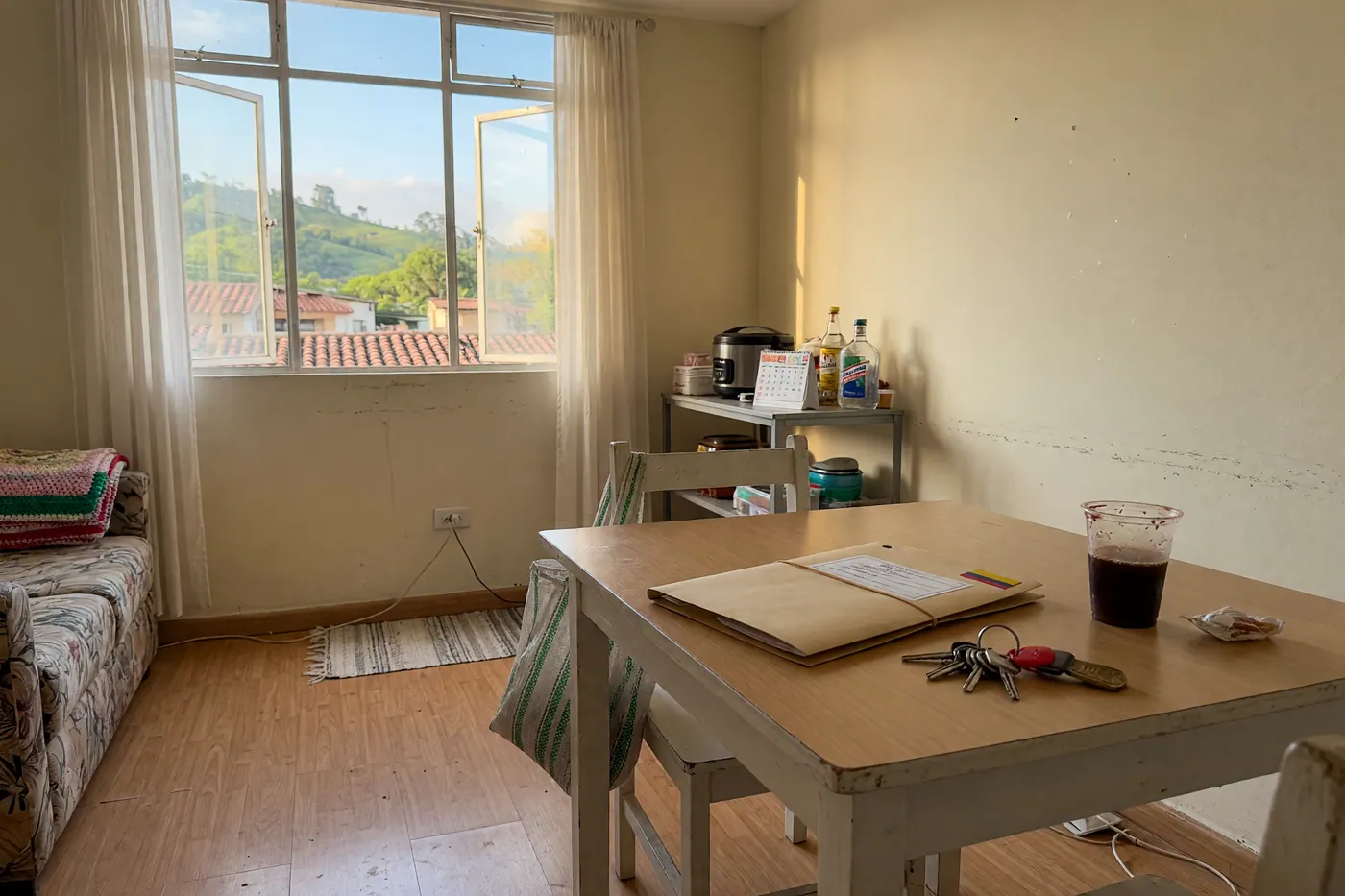
Handing over a rented apartment or house in Colombia is usually a critical moment for both tenants and landlords. It is common for disputes to arise at the end of the contract regarding the return of sums paid at the start of the lease under the guise of a "security deposit," "painting fund," or "damage deposit." Many tenants discover at that moment that the withholding of their money has no legal basis in residential leasing.
According to active ads in the Colombia Move housing section (August 20, 2026), there are 109 property and room listings. One of the most frequent questions in the community is precisely how to formalize the end of the contract without falling into arbitrary charges or having money held back when handing over the keys.
1. The legal truth about rental deposits in Colombia: Housing vs. Commercial
There is widespread confusion between residential and commercial leasing. In urban housing contracts, the Colombian legal framework is categorical and mandatory:
- Urban Housing (Law 820 of 2003, Art. 16): It is expressly forbidden to demand cash deposits, real guarantees, blank signed promissory notes, or negotiable instruments to guarantee compliance with the obligations of a lease contract. Any contractual clause that establishes a cash deposit for housing is void by right (it produces no legal effect).
- Commercial Premises, Offices, and Warehouses (Commercial Code): In commercial contracts, contractual freedom applies. In this case, it is legal to agree on a monetary security deposit as long as it is set out in writing in the contract, specifying the exact conditions for its return upon termination of the lease. If you are looking to rent a business space, you can consult our guide for renting a commercial space or office in Colombia.
2. The only guarantee allowed in housing: public utility service coverage
The only instance in which Law 820 of 2003 (Art. 15) and Decree 3130 of 2003 allow for a money guarantee or bond in urban housing is to secure the final payment of invoices for public utility services (water, electricity, gas, sewage, sanitation, and telephone).
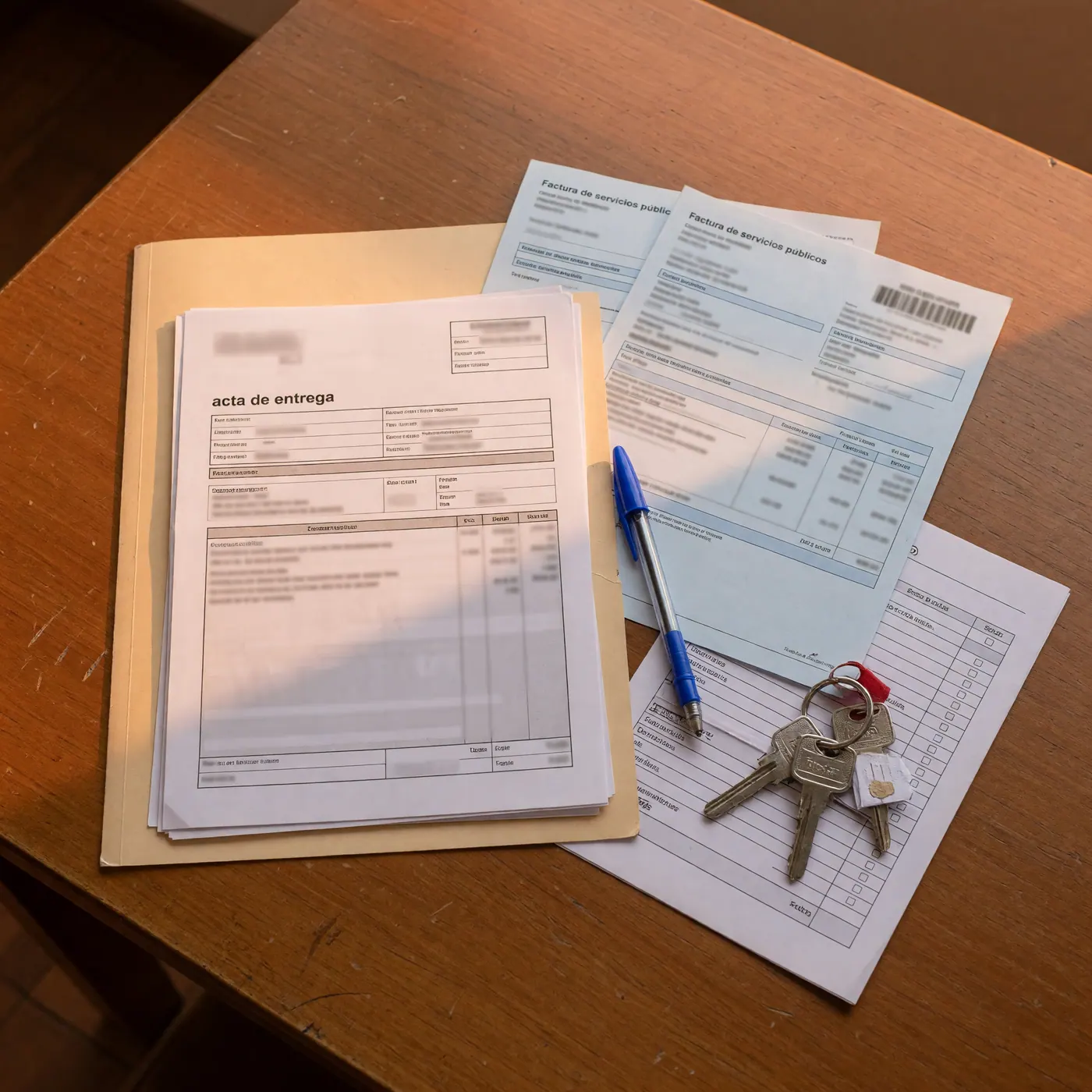
This guarantee has the exclusive objective of dissociating the property from liability towards utility service providers. At the end of the contract, the landlord must settle these invoices based on actual consumption up to the date of handover. If the tenant presents the paid receipts or proof of proportional payment for the days occupied in the last month, the landlord must immediately return any remaining balance of that service bond.
Recommended related article: Review which contractual promises are invalidated by law in our guide on abusive clauses in rental contracts in Colombia.
3. Natural wear and tear vs. imputable deterioration: what can be deducted and what cannot?
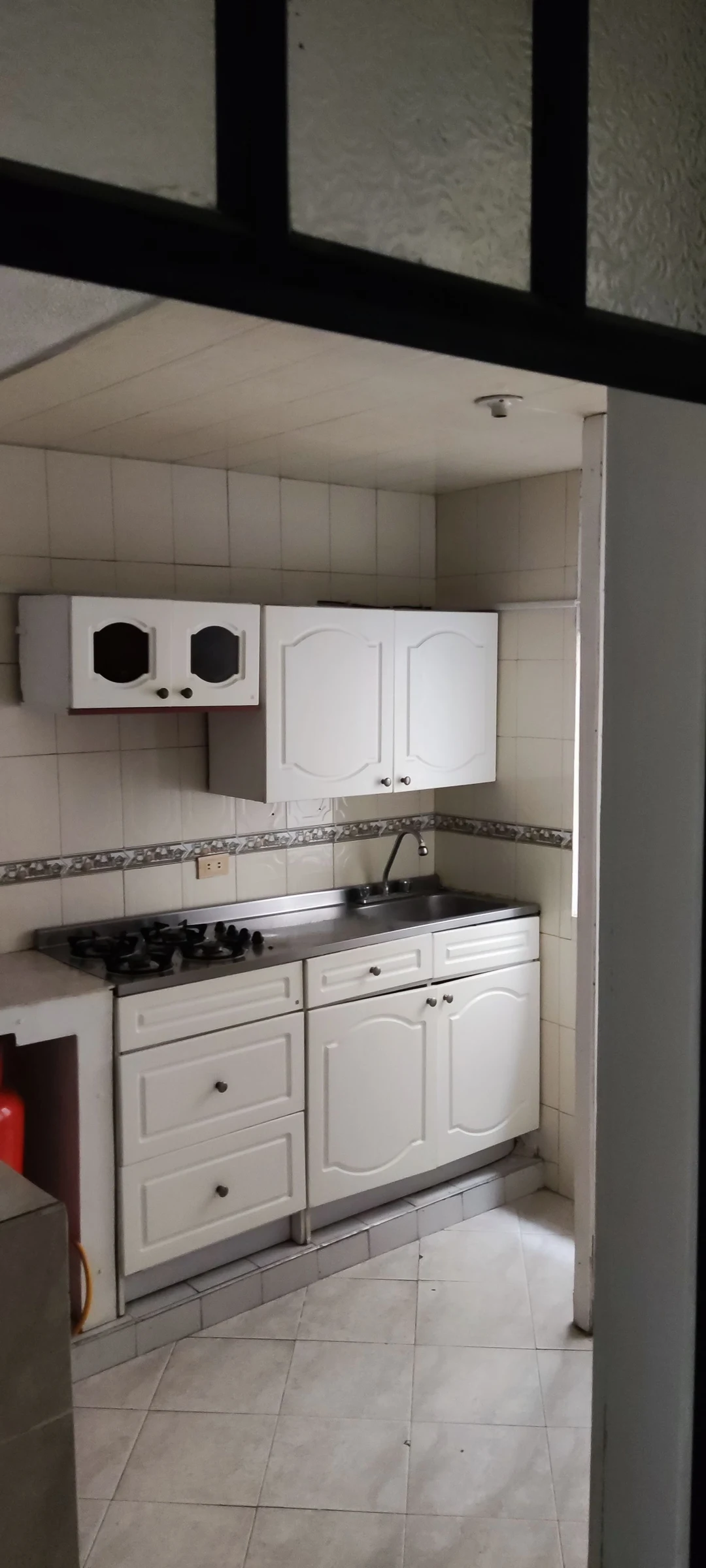
The main cause of money withholding when moving out of a property is disagreement over the state of the paint and finishes. The Colombian Civil Code establishes a clear distinction between two types of repairs:
- Necessary Repairs and Natural Wear (Art. 1985 of the Civil Code): These belong exclusively to the landlord. The passage of time, the sun on paint, the ordinary wear of tiles or joints, and the obsolescence of pipes or fixtures due to legitimate use CANNOT be deducted from the tenant nor be a reason to force them to repaint the entire property if it was handed over in a normal state of use.
- Locative and Imputable Repairs (Arts. 1998 and 2029 of the Civil Code): These are the tenant's responsibility. They include direct damage caused by carelessness, negligence, or misuse: holes in walls not repaired, paint tinted in unauthorized colors, broken glass, fractured doors, or lack of extreme cleanliness that has deteriorated the surfaces.
| Handover Concept | Who is responsible? | Is a money deduction applicable? |
|---|---|---|
| Paint discoloration from 3 years of use | Landlord (Natural wear) | NO |
| Wall plug holes not filled or sanded | Tenant (Locative damage) | YES (Actual cost of the repair) |
| Internal pipe leak in the wall | Landlord (Necessary repair) | NO |
| Paint stains of shrill colors not agreed upon | Tenant (Unauthorized modification) | YES (Restore original color) |
To delve into the limits of maintenance during the lease, consult our detailed guide on repairs in rentals: who pays what according to the law.
4. Step-by-step to claim the return of your money or withheld deposit
If you handed over the property and the landlord or real estate agency refuses to return the money deposited or charged improperly, you must follow this standard procedure:
Step 1: Formal written notification
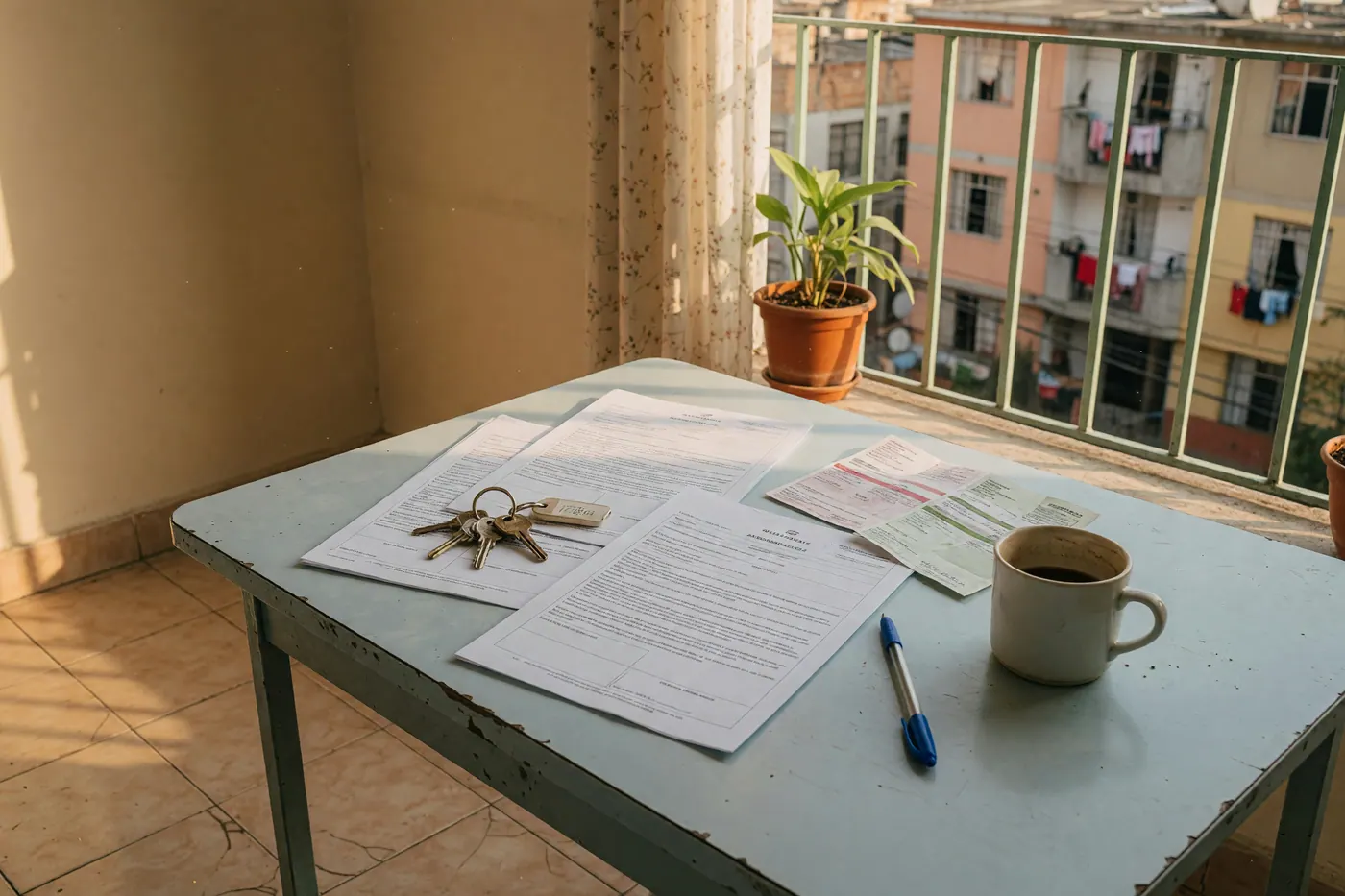
Draft a formal claim letter citing Article 16 of Law 820 of 2003 and attaching a copy of the handover report and lease clearance certificate with a photographic inventory. Demand the immediate return of the money to a bank account and set a reasonable deadline to receive a response.
Step 2: Request for an out-of-court conciliation hearing
If you do not get a positive response, summon the landlord to a conciliation hearing. This process is free at Justice Houses (Casas de Justicia), Municipal Solicitor's Offices (Personerías), or university legal clinics in your city. The settlement agreement signed in conciliation has executive merit (it functions as a judicial sentence to collect the debt).
Step 3: Administrative complaint before inspection and surveillance authorities
In Bogotá, you can file a formal complaint with the Subdirectorate of Investigations and Housing Control of the District Department of Housing (Secretaría Distrital del Hábitat). In the rest of the country, go to the Local or Municipal Mayor's Office (Government Secretariat). These entities financially sanction landlords and real estate agencies that demand cash deposits in urban housing.
Step 4: Minor claims judicial process
If the withholding persists and the amount owed does not exceed 40 Minimum Monthly Legal Wages (for 2026, the SMMLV is COP 1,750,905, which places the minimum amount up to COP 70,036,200), you can file a summary oral lawsuit before a Small Claims Judge or Municipal Civil Judge. without needing to hire a lawyer..
5. How to avoid conflicts when vacating a property or listing a rental.
The best way to protect your money when renting or avoid administrative penalties when managing a property is transparency from day one. Signing a contract that complies with Law 820 of 2003, creating a detailed photographic inventory upon entry, and clearly agreeing on the handling of utilities prevents months of legal disputes.
Frequently asked questions
❓ Is it legal to be required to pay a one-month cash deposit to rent an apartment in Colombia?
No, in urban housing contracts, Article 16 of Law 820 of 2003 strictly prohibits requiring cash deposits or real guarantees. Any such agreement is void and has no legal effect.
❓ In what cases is it legal to charge a deposit or guarantee for a rental?
It is legal for renting commercial premises or offices under the Commercial Code. For urban housing, only a guarantee to cover the payment of residential utility services is permitted according to Article 15 of Law 820.
❓ Can the landlord deduct money from the deposit if I didn't paint the walls when I moved out?
They cannot deduct if the wear and tear of the paint is the result of the natural passage of time and legitimate use of the property. Deductions only apply if there are locative damages, severe stains, or color changes not authorized by the owner.
❓ Where can I report a landlord who refuses to return an illegal deposit in Bogotá?
You can file an administrative complaint with the Sub-directorate of Housing Research and Control of the District Habitat Secretariat or go to local Justice Houses to request free out-of-court conciliation.
❓ Do I need a lawyer to sue for the restitution of my money if there was no agreement during conciliation?
You do not need a lawyer if the amount owed does not exceed 40 minimum monthly legal wages. You can file a minimum amount lawsuit directly before a Municipal Civil Judge or Small Claims Judge.
❓ Where can I list or look for transparent rentals without abusive intermediaries in Colombia?
You can list and search for homes or rooms for direct rent on Colombia Move, where both parties agree on handover conditions transparently and without hidden commissions.

Comments
Loading comments...
Checking sign-in status...