
What information to request before renting or selling in Colombia without violating privacy or exposing yourself to identity theft
Verifying the identity of a buyer or tenant does not require demanding copies of their ID from the first message. We show you a secure, phased protocol in Colombia.
IDIOMA DEL ARTÍCULO
Showing original language
Quick answer: To verify a buyer or tenant in Colombia without violating Law 1581 of 2012 (Habeas Data) or exposing your own data to identity theft, apply a staged protocol. During the initial contact, ask only for a name and phone number; during the in-person viewing, check the physical ID document without photographing it; and only at the closing of the deal or formal rental application process should you request digital copies, always protected with superimposed watermarks and with the transaction codes on the back covered.
When I post an ad to rent an apartment or sell a used vehicle, the first impulse is often to cover my back by asking for a national ID, employment certificate, or even bank statements right from the start. However, demanding that amount of sensitive information from strangers in a WhatsApp chat not only scares away legitimate buyers due to distrust, but also creates informal databases vulnerable to identity theft. If you want to see real options right now, you can see apartments and houses on Colombia Move — posting is completely free.
Security and privacy do not have to conflict. In this practical guide, we show you how to protect your assets, verify the other party ethically, and comply with Colombian personal data protection regulations.
The dilemma between verifying identity and scaring away buyers due to excessive requirements
Asking for too many documents at the wrong time is one of the most common mistakes made by those selling or renting on their own. If you demand a photocopy of a national ID enlarged to 150% from someone who is just asking about the availability of a property or appliance, they will most likely leave the conversation and look for another option.
Honest buyers and tenants also fear identity theft. Providing a digital copy of an identity document to an unverified social media profile opens the door for scammers to open mobile lines, apply for digital loans, or commit fraud in their name. Therefore, the data request process must be staggered and respond strictly to the level of progress in the negotiation.
What Law 1581 of 2012 (Habeas Data) says about data exchange between private individuals
In Colombia, the right to Habeas Data is regulated by Law 1581 of 2012. Although we often associate this regulation with large banks or telephone companies, its principles apply to anyone who collects, stores, or processes the personal data of third parties.
The Superintendency of Industry and Commerce (SIC) is the authority in charge of overseeing data processing and makes it clear that any collection requires prior, express, and informed authorization. Additionally, Law 2573 of 2026 has strengthened protection mechanisms for citizens who are victims of identity theft in commercial or telecommunications obligations.
As an individual seller or landlord, you must keep three basic principles in mind:
- Principle of freedom: No one is obligated to give you their personal data without their explicit consent.
- Principle of purpose: You can only ask for information that is strictly necessary for the purpose of the business (evaluating payment capacity or formalizing the contract).
- Principle of security: If you receive photos of national IDs or certifications, you are responsible for storing them in a safe place and deleting them if the transaction does not go through.
The 3-stage protocol: what information to request at each moment
To avoid friction and keep your transactions secure, it is ideal to structure data collection into three key moments during the sale or rental process.
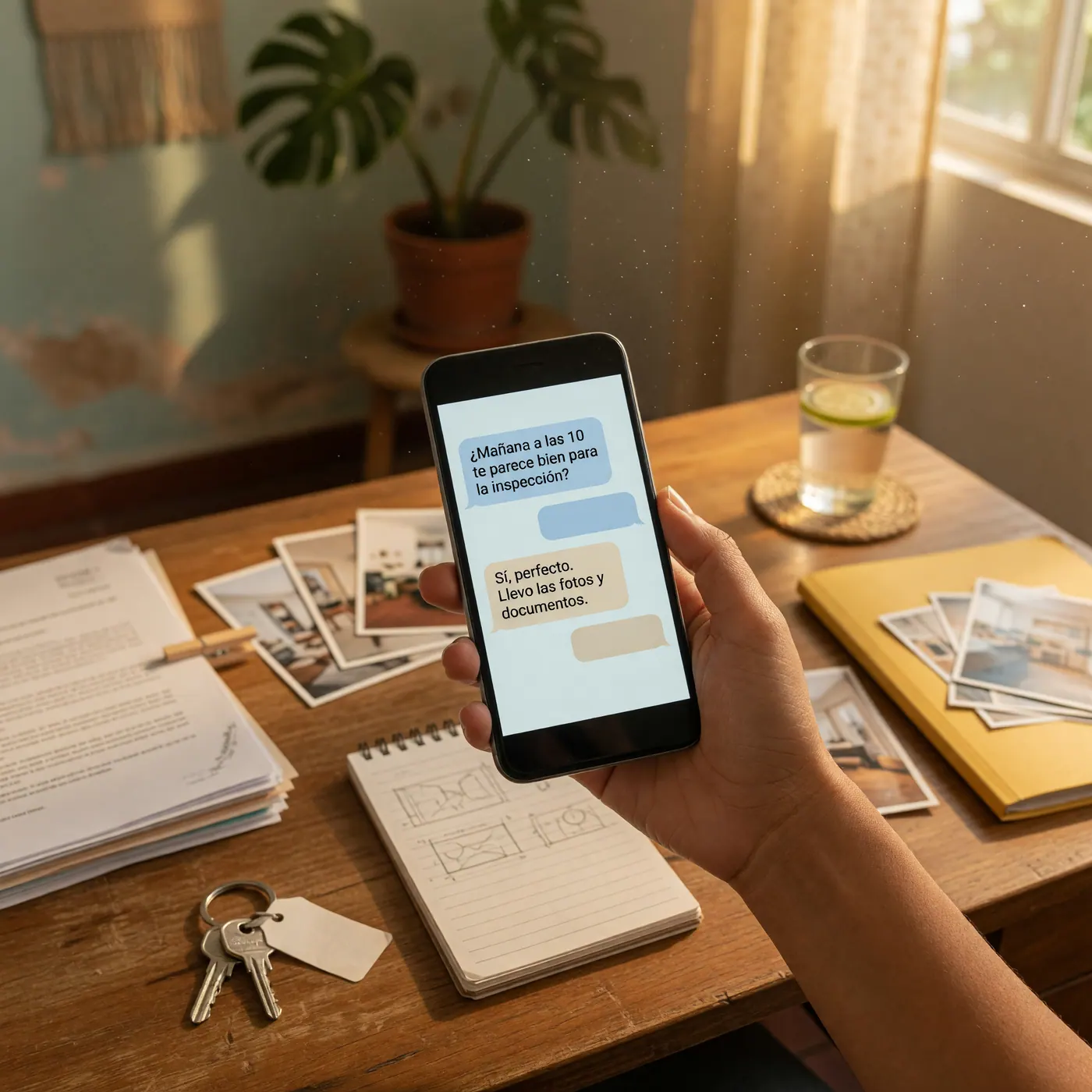
Stage 1: Initial contact and inquiry (filter without asking for an ID)
In the first message or call, the goal is to resolve business questions and filter out the curious without requesting sensitive information. If you handle your conversations carefully, as we explain in our guide on using WhatsApp in ads without receiving spam, you will see that in this initial phase you only need to request:
- Full contact name.
- City of residence or approximate location.
- Usage validation questions (for example: "How many people is the property for?" or "When do you need to pick up the item?").
Avoid asking for identification numbers, photos of documents, or cash advances in this first interaction.
Stage 2: Showing the good or inspection appointment
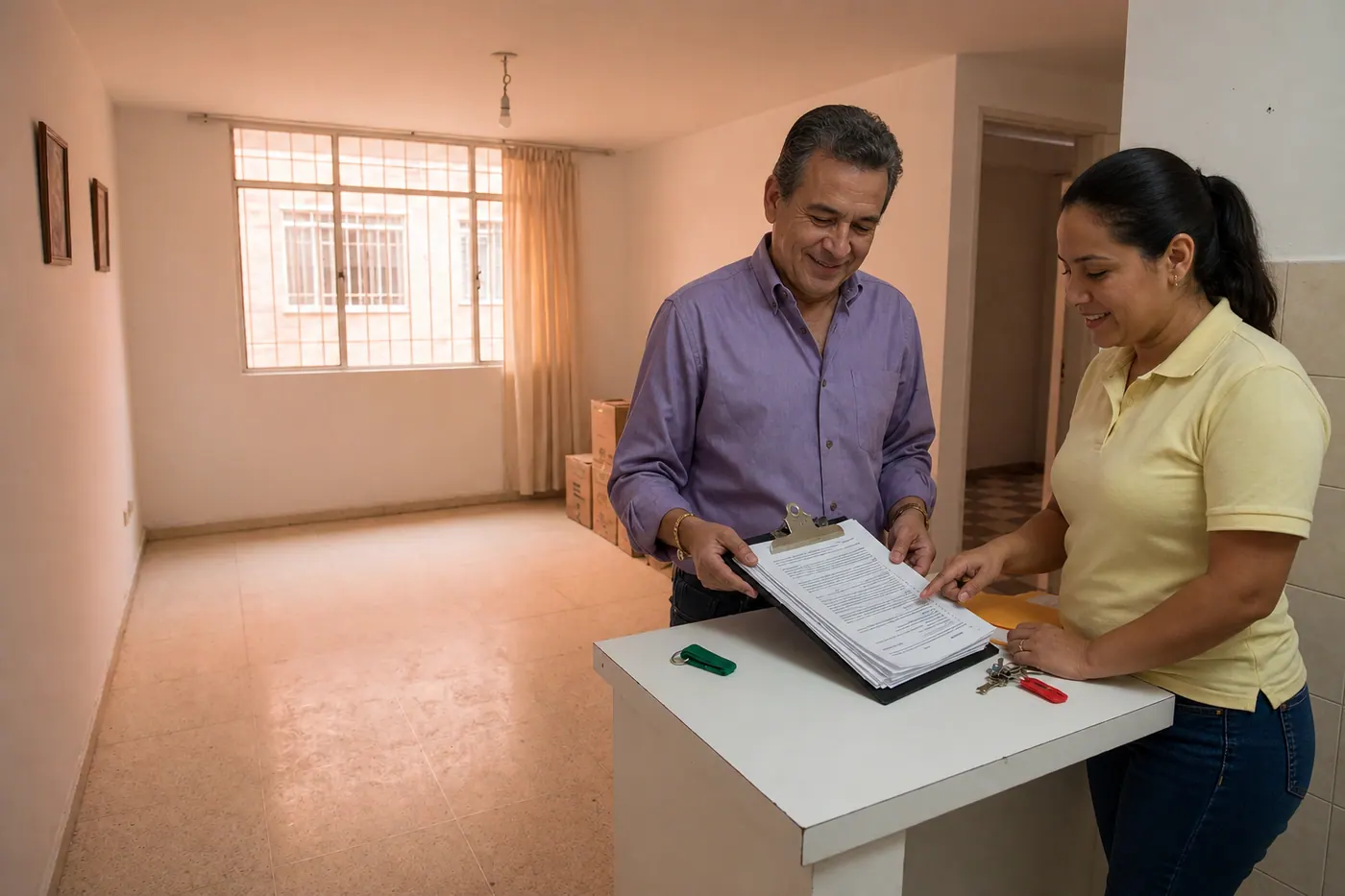
When the person shows real interest and you agree on an in-person meeting or video call to inspect the item or property, it is time to check identities without needing to keep photocopies:
- For rentals or properties: Ask the visitor to show their original national ID upon entering the property to confirm it matches the person who scheduled the appointment.
- For the sale of vehicles or items of value: You can verify the physical document before allowing a test. Look at it, confirm the name and face, but do not take photos of it with your mobile phone at that moment.
Stage 3: Closing the deal or formal rental application
Once the offer is accepted or the formal application has begun, the request for complete documents is completely legitimate. If it is a rural or vacation home contract, also check the specific recommendations in our guide for renting vacation homes in Colombia.
At this final stage, it is correct to request:
- Photocopy of the national ID or alien ID card.
- Employment certification or proof of income (for lease agreements).
- Signed data processing authorization form, specifying the purpose of the study.
How to protect documents: data you should cover and recommended watermarks
Both when asking for documents and when sending yours to prove you are the real owner, apply strict digital editing rules to prevent the image from being reused in fraud:
- Cover the transaction code: On the back of the Colombian national ID, there is a 10-digit transaction number. Cover that code before sharing or receiving a digital image, as it is used for critical online procedures.
- Add a visible watermark: Use any basic editing application to write text diagonally across the image from one side to the other. Example: "Exclusive copy for property rental study in Colombia - August 2026".
- Use protected PDF format files: Instead of sending images in JPG format via open chats, prefer consolidated PDF documents.
You may be interested in: If you suspect you have been the victim of fraudulent activity during an online sale, check out our step-by-step tutorial on how to report a virtual scam on the ¡A Denunciar! portal of the Prosecutor's Office and the National Police.
What to do if you detect a fake ID or an attempt at identity theft
According to active listings on Colombia Move (August 2026), the home appliances category has 1 active listing. This count describes available supply, not the security of a negotiation. If you notice inconsistencies—such as a buyer refusing to make a call, names that do not match the destination bank accounts, or visibly edited documents—follow these steps:
- Suspend the negotiation immediately: Do not hand over keys, the vehicle, or the product based on promises of payment receipts or pending transfers.
- Do not confront the person aggressively: Simply state that the process will not continue due to a lack of data verification.
- Preserve the evidence: Save screenshots of the conversation, phone numbers, and images of the documents presented.
- Report through official channels: File a formal report for identity theft through the official ¡A Denunciar! (ADenunciar) portal of the Colombian National Police.
Frequently Asked Questions
❓ Is it legal to request a copy of a national ID (cédula) to rent a home or sell an item in Colombia?
Yes, it is legal provided there is a clear contractual purpose and the person explicitly authorizes the processing of their personal data under the terms of Law 1581 of 2012.
❓ What data on my national ID should I cover before sending it via digital message?
It is recommended to cover the processing number located on the back of the document and leave only the full name and ID number visible for identity validation.
❓ How can I confirm that the person buying or renting is not using a stolen identity?
You can perform cross-verification by requesting that the payment transfer or deposit come from a bank account in their same name, or by conducting a brief verification video call.
❓ Where can I report the unauthorized use of personal documents in Colombia?
Reports for identity theft or impersonation are filed through the official ¡A Denunciar! portal of the National Police and the Attorney General's Office, in addition to filing a complaint with the SIC.
❓ Why is it not recommended to request bank statements in the first chat message?
Demanding financial documents during the first contact phase violates the interested party's privacy, creates reasonable distrust among legitimate buyers, and exposes confidential information to unverified profiles.
Comments
Loading comments...
Checking sign-in status...