
Temporary monthly rentals in Colombia: legal and co-ownership guide for property owners
What Law 820 says about rentals of 30 days or more, when SIRE applies to foreign tenants, and what your building's administration can and cannot do.
IDIOMA DEL ARTÍCULO
Showing original language
In summary: rentals of less than 30 days = tourist accommodation (Law 2068 of 2020): requires RNT, TRA, and FONTUR contributions. Rentals of 30 days or more = urban housing (Law 820 of 2003): generally do not require RNT or FONTUR, unless hotel-type services are provided. Key point: if the tenant is a foreigner, the landlord must report them to Migración Colombia through the SIRE, regardless of the contract duration (Decree 1067 of 2015). And although the co-ownership cannot prohibit residential leasing, it can demand compliance with its internal rules (Law 675 of 2001).
If you own an apartment in Colombia, you have surely noticed the boom of foreigners and digital nomads looking for a place to stay. But here comes the headache: co-ownership assemblies are banning short-term rentals, and the fines are unforgiving. Honestly, I would skip the stress of fighting with the administration over a weekend Airbnb. The real opportunity today is monthly (medium-term) temporary rentals. If you want to see real options right now, you can view apartments and houses on Colombia Move — posting a basic ad is free.
The 30-day rule: Short-term tourist rental or urban housing lease?
The legal boundary in Colombia is measured in days. According to Law 2068 of 2020 (General Tourism Law), if you hand over the keys to someone for 29 days or less, you are providing a tourist accommodation service. This obligates you to have the RNT, report guests in the tourist SIRE, fill out the Accommodation Registration Card (TRA), and pay parafiscal contributions to FONTUR.
Conversely, if the contract is for 30 days or more, the legal framework changes. You fall under Law 820 of 2003 (urban housing lease) or, in certain cases, the Civil Code (seasonal rental). Generally, the RNT and FONTUR contributions no longer apply—provided that hotel-type services are not offered. Be careful with trying to make "29-day contracts to bypass the law"; the regulation is strict and any stay shorter than a month puts you on the radar of the Vice Ministry of Tourism.
Horizontal Property (Law 675 of 2001): what the administration can and cannot do
Many owners write to me frustrated because the security guard won't let their tenants in. We must be clear here: the administration of a horizontal property (regulated by Law 675 of 2001) can only restrict or prohibit tourist rentals if the assembly decides so and it is stipulated in the bylaws.
Under Law 675 of 2001, the co-ownership cannot prohibit you from renting your property for residential use for 30 days or more—that right is backed by Law 820 of 2003. What is within their power is to demand that tenants comply with the internal regulations: security protocols, resident registration, moving hours, and coexistence rules. In other words: they cannot tell you that you cannot rent, but they can ask your tenant to register and follow the building's rules. However, if you decide to post an office for rent, commercial regulations have their own nuances.
Operating illegal tourist rentals can be very expensive: fines for violating the regulations reach up to 10 consecutive administration fees, or government sanctions of up to 2,000 minimum wages (the SMMLV in 2026 is COP 1,750,905 according to the current minimum wage decree).
The exception many forget: the mandatory report to the SIRE if the tenant is a foreigner
Here is the point that almost no one mentions and that can cause you a serious problem with Migración Colombia: if your tenant is a foreign citizen, you have the legal obligation to report them to Migración Colombia through the Foreigner Registration Information System (SIRE), regardless of whether the contract is for 30 days, 3 months, or a year. This applies under Decree 1067 of 2015 and Resolution 2357 of 2020, and is completely independent of the property's tourist classification.
Do not confuse this migration report with the tourist accommodation SIRE: in short-term rentals, the SIRE is part of the complete package (RNT + TRA + tourist SIRE). But the migration obligation of Decree 1067 applies to any type of lease contract when the tenant is a foreigner. If you host a digital nomad for 2 months or a retired pensioner for 6 months, the report to the SIRE is mandatory for you as the landlord. The process is carried out directly on the official Migración Colombia portal (migracioncolombia.gov.co).
Advantages of renting by the month (medium-term)
Beyond getting the building administration off your back, temporary rental to professionals has very practical benefits. You have lower turnover of people, which translates into less wear and tear on your furniture and appliances, and you avoid the work of coordinating cleaning every two days.
| Feature | Short-term Rental (< 30 days) | Temporary Rental (30+ days) |
|---|---|---|
| Regulation | Law 2068 of 2020 (Tourism) | Law 820 of 2003 (Housing) |
| Mandatory RNT | Yes | No (except for hotel services) |
| SIRE Report | Yes (tourist accommodation) | Only if the tenant is a foreigner (Decree 1067 of 2015) |
| Co-ownership | Can restrict it by assembly bylaws | Cannot prohibit the lease; can demand internal rules (Law 675/2001) |
| FONTUR Contributions | Yes | No |
Demand exceeds supply: a key market fact
If you are wondering if there are really people looking to rent for two or three months, the answer is a resounding yes. According to ads and metrics on Colombia Move (June 2026), 9 recent searches on the marketplace found no results in this category. There are foreigners and local professionals actively searching, but the supply is very low: currently, there is only 1 active temporary rental ad against a target of 8 to cover the initial demand. It is an underserved market where your property can stand out quickly and without much competition.
How to post your temporary rental and filter tenants
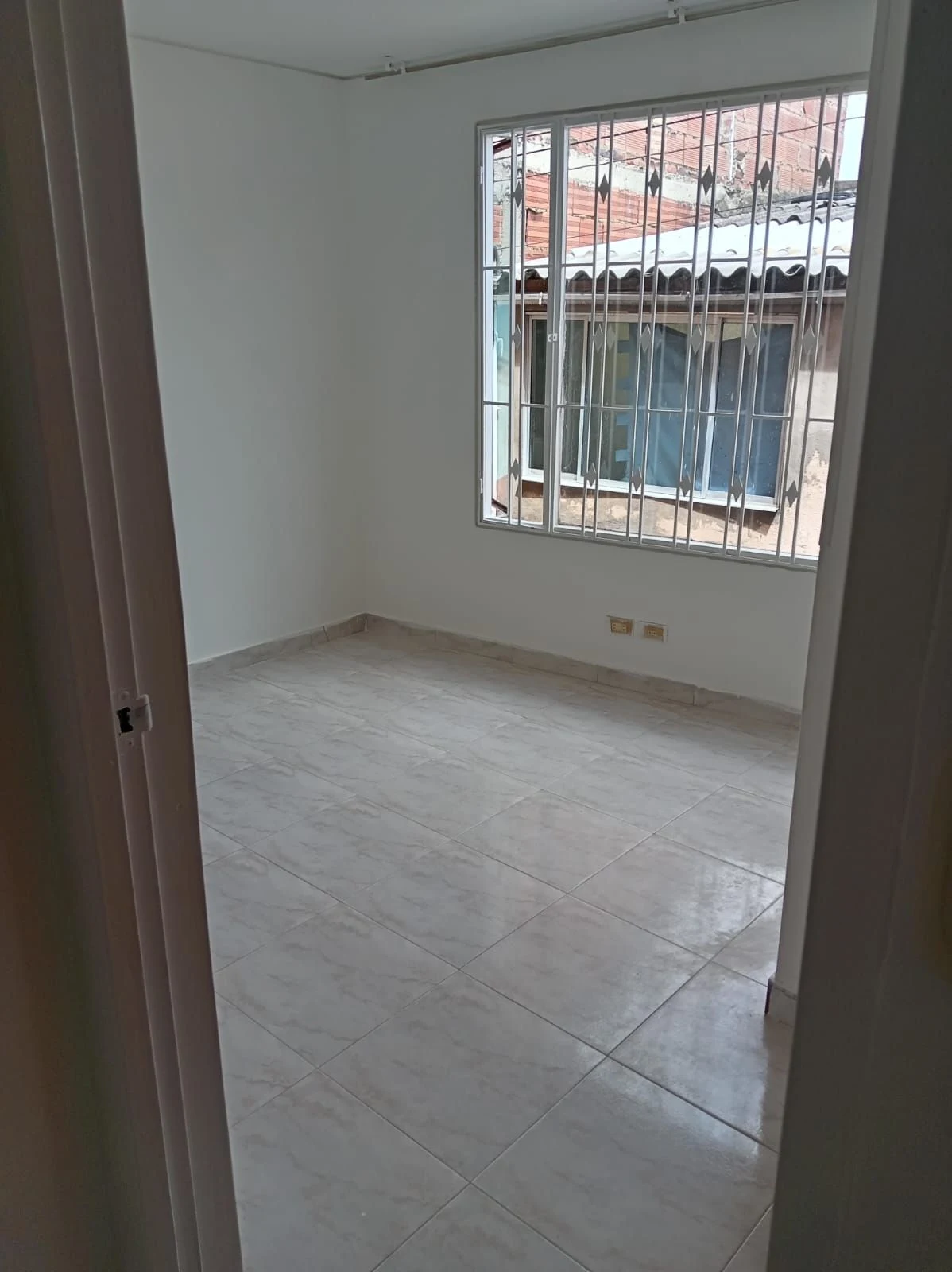
If you have already decided to go the safe route of the medium term, the next step is to show your apartment. You can post it in the housing section or directly in temporary rentals by city. We recommend checking our guide on how to post a rental for free in Colombia to get the most out of the ad.
Unlike traditional agencies that take a month's rent from you, on Colombia Move, posting a basic ad is free and the platform does not charge an intermediation commission on the rent. Always check the current terms and conditions to see the available premium options. It is the same transparent model we explain in the guide on where to sell used things in Colombia: you control the deal and the money.
You may also be interested in: how to post a temporary rental with photos and a description that filters out the curious — practical guide from the first contact.
Frequently asked questions
❓ Is the National Tourism Registry (RNT) required to rent by the month in Colombia?
Generally, no. Urban housing lease contracts for 30 days or more under Law 820 of 2003 do not require RNT or contributions to FONTUR, provided that hotel-type services (daily cleaning, reception, etc.) are not offered. The RNT and FONTUR contributions apply only to tourism service providers classified as lodging under Law 2068 of 2020. If you have doubts about your specific case, consult an accountant or lawyer.
❓ Do I have to report my foreign tenants in the SIRE system if the rental is by the month?
Yes, it is mandatory. Under Decree 1067 of 2015 and Resolution 2357 of 2020, any landlord who hosts a foreign citizen in Colombia must report them to Migración Colombia through the SIRE system, regardless of the contract duration. This immigration obligation applies to both medium-term contracts (30+ days) and long-term contracts, and is distinct from the tourist report that applies to lodging stays of less than 30 days.
❓ Can my building's administration prohibit me from renting by the month?
A residential rental of 30 days or more should not be treated as tourist lodging just because it is temporary, but you must check your building's horizontal property regulations. Article 9 of Law 820 of 2003 requires the tenant to comply with those internal rules; Article 8 requires you to provide the relevant section at the start of the contract. If the regulations prohibit residential rental (not just tourist rental), consult a lawyer before proceeding.
❓ How much does it cost to post an apartment for rent on Colombia Move?
Posting a basic ad on Colombia Move is free, and the platform does not charge a brokerage commission on the rent. We recommend that you always check the platform's current terms and conditions to see the available options. Contact between landlord and tenant is made directly without intermediaries.
❓ How can I avoid problematic tenants or scams when renting by the month?
Do not ask for a cash deposit or real security: Article 16 of Law 820 of 2003 prohibits them in urban housing leases. To reduce risk, work with a written contract, validate identity and references, verify solvency, and sign an inventory with photos at the beginning. If utilities are the tenant's responsibility, check Article 15 of Law 820 for the applicable figure. Also, consult our guide on how to post with photos and a description that filters out the curious to attract only serious tenants.
❓ Where and how can I post my apartment for temporary rent in Colombia?
Post directly in the housing section of Colombia Move (colombiamove.com/seccion/vivienda) — a basic ad is free according to the platform's current terms. Upload clear photos of each space, indicate the monthly value with utilities included, and make it clear that the minimum stay is 30 days to filter out passing tourists. Consult the complete guide on how to post a rental for free in Colombia for the step-by-step process details.
Comments
Loading comments...
Checking sign-in status...