
The Colombia Expat Mid-Year Checklist: Visa, Taxes, Banking, and Insurance
June marks the perfect time for a mid-year expat check-in. Use this complete 2026 checklist to audit your visa status, prepare for tax season, and review your banking and insurance setups.

IDIOMA DEL ARTÍCULO
Showing original language
Quick Answer: The mid-year expat check-in involves auditing your visa expiration dates, preparing for the August–October tax filing window (2025 income threshold is $69,718,600 COP), reviewing your banking setup, and ensuring your health insurance complies with Resolution 5477 rules.
Why June 2026 is the Critical Month for Your Colombia Check-In
We are officially at the halfway mark of the year. While many locals are busy planning getaways for the Puente San Pedro y San Pablo, expats need to use this downtime for a different kind of planning: an administrative health check. By June, you have likely triggered tax residency if you arrived early in the year, your visa might be entering its renewal window, and the August tax filing season is just around the corner. Catching these deadlines now prevents massive headaches—and potential fines—later in the year. If you want to see real-world options right now, you can browse apartments and houses on Colombia Move — posting is completely free.
1. Visa & Immigration Status Audit
Colombian visas run under Resolution 5477, and the rules are strictly enforced. Pull out your passport and check your visa expiration date. You should start the renewal process 30 to 60 days before it expires. If you wait until the last minute, you risk overstaying and facing penalties.
Also, verify that you still meet the financial thresholds for your specific visa category. The 2026 minimum wage (SMMLV) is COP 1,750,905. This means if you hold a Migrante (M) Pensionado visa, you must prove a monthly income of at least 3 SMMLV, which is COP 5,252,715 (roughly USD 1,510 to 1,570 depending on the live TRM). If you are on a Visitante (V) Rentista visa, the requirement jumps to 10 SMMLV, or COP 17,509,050. Digital Nomads (Visa V) also need to show around 3 SMMLV.
If you plan to travel, be aware of the absence rules for M and R visas, which can invalidate your status if you spend too much time outside the country. For a detailed walkthrough on keeping your status active, check out our guide on renewing your Colombia visa.
2. Tax Preparation (The August–October Window)
Colombia's tax residency rules are straightforward but easily overlooked: if you are physically present in the country for more than 183 days (continuously or intermittently) within any consecutive 365-day period, you become a tax resident. If you hit that mark, you need to prepare for the individual income tax filing deadlines running from August 12 to October 26, 2026.
For the 2025 tax year, the UVT (Unidad de Valor Tributario) was set at $49,799 COP (source: DIAN, accessed June 2026). You are required to file a return if your 2025 gross income or credit card purchases exceeded 1,400 UVT ($69,718,600 COP), or if your gross assets surpassed 4,500 UVT ($224,095,500 COP). Additionally, if you are a tax resident with assets abroad exceeding 2,000 UVT—which uses the 2026 UVT of $52,374 COP, totaling $104,748,000 COP—you must file Form 160 (Declaración de Activos en el Exterior).
Keep in mind that declaring does not automatically mean you will owe money. Deductions and double taxation treaties often reduce the actual liability to zero. Get your RUT (Registro Único Tributario) updated now and consult an accountant.
3. Banking, Local Payments & Housing Review
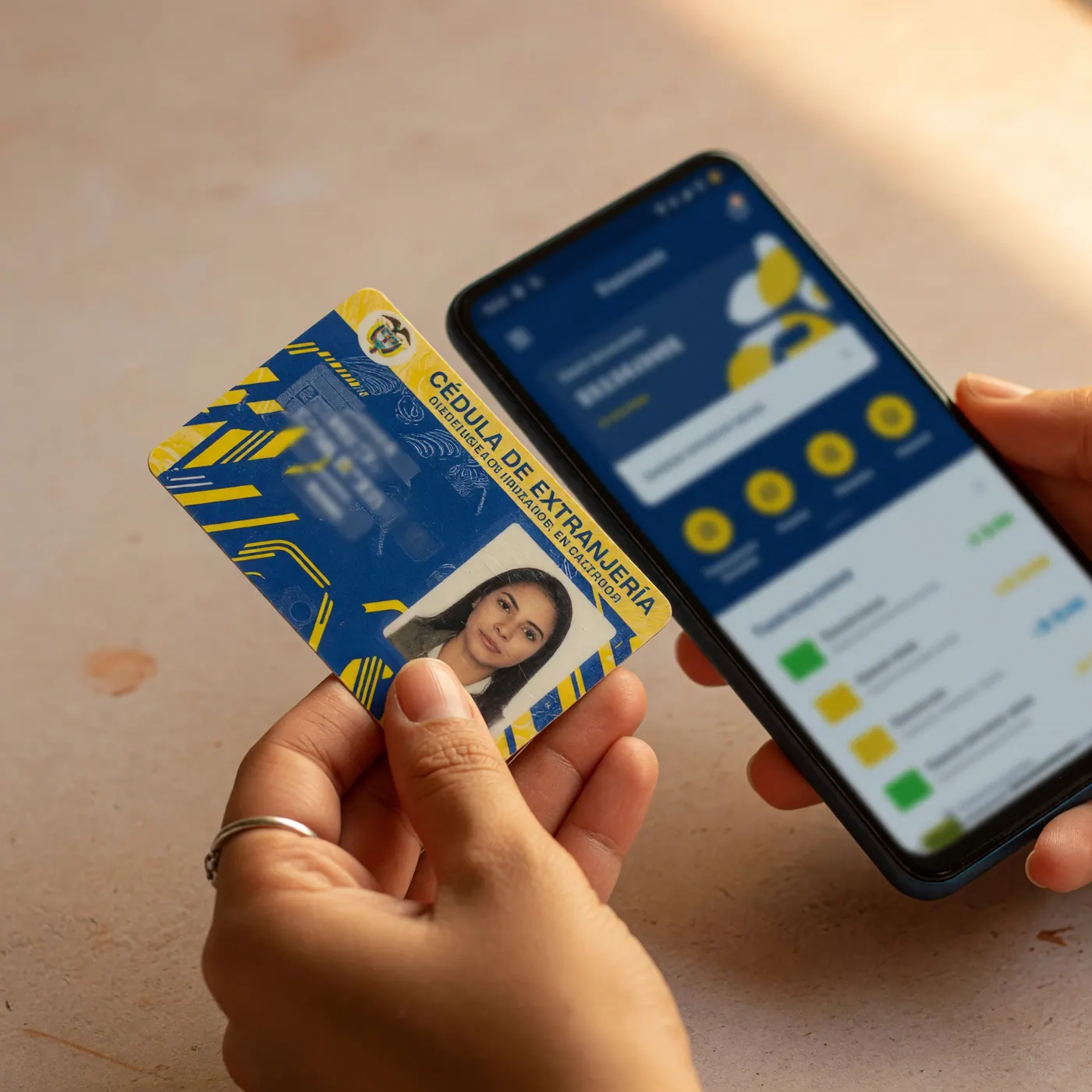
Mid-year is the perfect time to audit how you spend money and where you live. If you have been relying on foreign cards and eating high ATM fees, it is time to optimize. Traditional Colombian bank accounts are gated behind having a Cédula de Extranjería. If you finally have yours, you can access the local banking system. Otherwise, you can explore digital alternatives and local payment networks; read up on using Bre-B and digital wallets or setting up Nu Colombia.
Housing is another major factor to review. According to active listings on Colombia Move (June 2026), there is currently a notable demand for short-term housing—in fact, 18 recent searches in our marketplace for 'temporal' (short-term) rentals yielded zero results. This supply gap means if your current lease is ending and you need temporary housing, you must secure your next place early because demand heavily outpaces supply. If you are tired of moving, you might want to evaluate renting vs. buying a home in Colombia.
4. Healthcare & Insurance Check-In (EPS vs. Prepagada)
Healthcare compliance is a major hurdle for many expats. If you are self-employed and generate local income, contributing to the public EPS system is legally mandatory, requiring 12.5% of your calculated gross monthly income (IBC) — per current Colombian health regulations. However, your visa type dictates your eligibility.
Under Resolution 5477 (in force since 2022), holders of the M-Pensionado (Retirement) Visa are explicitly barred from enrolling in the public EPS health system. If you hold this visa, you must maintain private or prepagada insurance that is valid nationwide and includes repatriation. Review your current policy to ensure it meets these requirements. Also, be mindful of age caps; initial enrollment for prepagada usually caps at age 60, so secure your coverage before you age out of the best plans.
Conclusion & Action Plan
Do not let the second half of the year catch you off guard. Treat your administrative tasks with the same priority as your travel plans. Here is your mid-year checklist:
- Visa: Check your expiration date and start renewals 60 days out.
- Taxes: Calculate your days in Colombia to confirm residency and gather 2025 financial records.
- Banking: Transition to local payment methods if you have your Cédula de Extranjería.
- Insurance: Verify your prepagada or private insurance complies with your specific visa rules.
Tackling these items in June ensures you can enjoy the rest of your year in Colombia without administrative stress.
Frequently Asked Questions
❓ How does Colombia determine if I am a tax resident?
You are a tax resident if physically present for more than 183 days within any consecutive 365-day period. Once you hit this threshold, you must declare your global income to DIAN.
❓ What are the income and asset thresholds for filing taxes in Colombia in 2026?
For the 2025 tax year, filing is required if gross income or card purchases exceeded 1,400 UVT ($69,718,600 COP), per DIAN. Gross assets over 4,500 UVT ($224,095,500 COP) also trigger the filing requirement.
❓ Do I have to declare my bank accounts and assets outside Colombia?
Yes, if you are a tax resident and assets abroad exceed 2,000 UVT ($104,748,000 COP, based on the 2026 UVT per DIAN). File Form 160 (Declaración de Activos en el Exterior) within the standard tax calendar window.
❓ Can I enroll in the EPS public health system on a retirement visa?
Under Article 77 of Resolution 5477 of 2022, the M-Pensionado visa does not permit enrollment in the public EPS system, unless a bilateral or multilateral treaty applies to your case. In practice, retirement visa holders must hold private health insurance or a prepagada plan with all-risk coverage — including hospitalization, accidents, and medical repatriation — valid for the full visa duration (Resolution 5477, Art. 77; source checked June 2026). Because local implementations and specific bilateral agreements can affect individual eligibility, confirm your situation with a qualified legal or insurance professional before enrolling or renewing.
❓ Can I open a Colombian bank account with just a tourist stamp?
Traditional banks require a Cédula de Extranjería, issued only after you obtain a visa valid for more than 90 days. Some fintechs and digital wallets offer workarounds, but standard accounts are gated behind the Cédula.




Comments
Loading comments...
Checking sign-in status...