
Buying a House or Casa Campestre in Colombia: Legal Steps, Property Checks & Buyer Guide
Purchasing a standalone home or rural country estate in Colombia requires strict legal due diligence beyond listing photos. Here is the practical checklist on title certificates, planning rules, and closing procedures for foreign buyers.
IDIOMA DEL ARTÍCULO
Showing original language
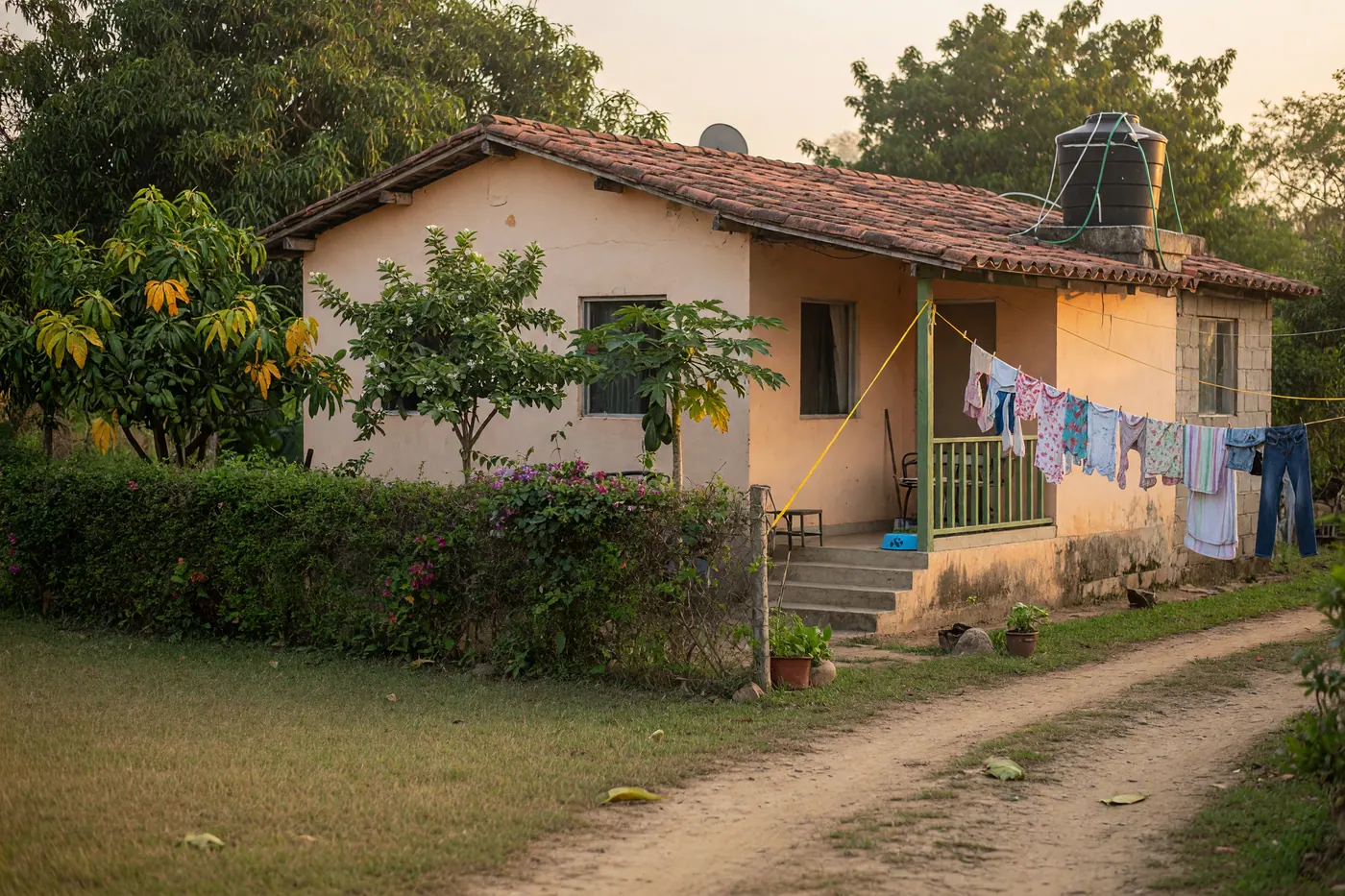
Buying real estate in a foreign country can feel overwhelming, but acquiring a standalone house or a rural country estate (casa campestre) in Colombia is a straightforward process when you understand the legal mechanics. Under Article 100 of the Colombian Constitution, foreign nationals generally enjoy the same civil rights as citizens, meaning you can buy and hold titled private property in your own name using a passport or a Cédula de Extranjería.
However, purchasing a built home or country house requires a completely different due diligence path than buying raw land or an urban apartment. A verbal agreement, a private bill of sale, or sending money directly from a online listing chat does not transfer legal ownership. To protect your capital, you must handle public deeds, property registry certificates, municipal zoning rules, and environmental regulations.
Are you looking at raw lots or informal rural land instead of a finished home? Read our detailed guide on Buying Rural Land in Colombia as a Foreigner to understand possession titles, agrarian limits, and unallocated public lands (baldíos).
1. How Property Ownership Transfer Works in Colombia
In Colombia, real estate ownership is governed by two mandatory legal concepts: title (título) and mode of transfer (modo). Simply signing a purchase agreement does not make you the owner of a house.
- Escritura Pública (Public Deed): The formal purchase contract signed by both buyer and seller before a Colombian notary (Notaría). The notary verifies identity, checks required tax clearances, and formalizes the transaction into a public document.
- Registro (Registration): The legal act of inscribing the public deed into the official public land registry (Oficina de Registro de Instrumentos Públicos - ORIP). Ownership is only legally transferred (tradición) once the registry updates the property’s master file.
Purchasing real estate in Colombia does not, by itself, grant a residency visa or a right of stay. Cancillería visa rules are a separate track from the escritura and registro, and they change; confirm categories on the official visa hub before you assume any investment path applies (fuente: Cancillería).
2. The Core Title Packet: Essential Documents Before Paying a Deposit
Before transferring any funds or signing a binding promissory contract (promesa de compraventa), you or your real estate attorney must assemble and review the property's legal history.
| Document | Issuing Entity | What It Verifies |
|---|---|---|
| Certificado de Tradición y Libertad | Oficina de Registro (ORIP / SNR) | Listed ownership, chain of title, active mortgages, liens, tax embargos, and legal disputes. Pull a freshly issued copy before any deposit. |
| Escritura Pública (Previous Deeds) | Notary Office | Exact legal boundaries (linderos), rights of way, and historical acquisition conditions. |
| Cédula Catastral / Avalúo Catastral | IGAC or Local Cadastre Office | Official tax valuation and cadastral identification number matching the registry file. |
| Paz y Salvo Municipal / Predial | Municipal Treasury | Confirmation that annual property taxes (impuesto predial) and municipal contributions are paid up to date. |
Always verify that the seller's passport or identification card exactly matches the owner listed on the latest entry of the Certificado de Tradición y Libertad. Discrepancies in legal names, middle initials, or ID numbers must be officially corrected at the notary prior to closing.
3. Spotting Folio Deal-Blockers: Liens, Claims, and Family Protections
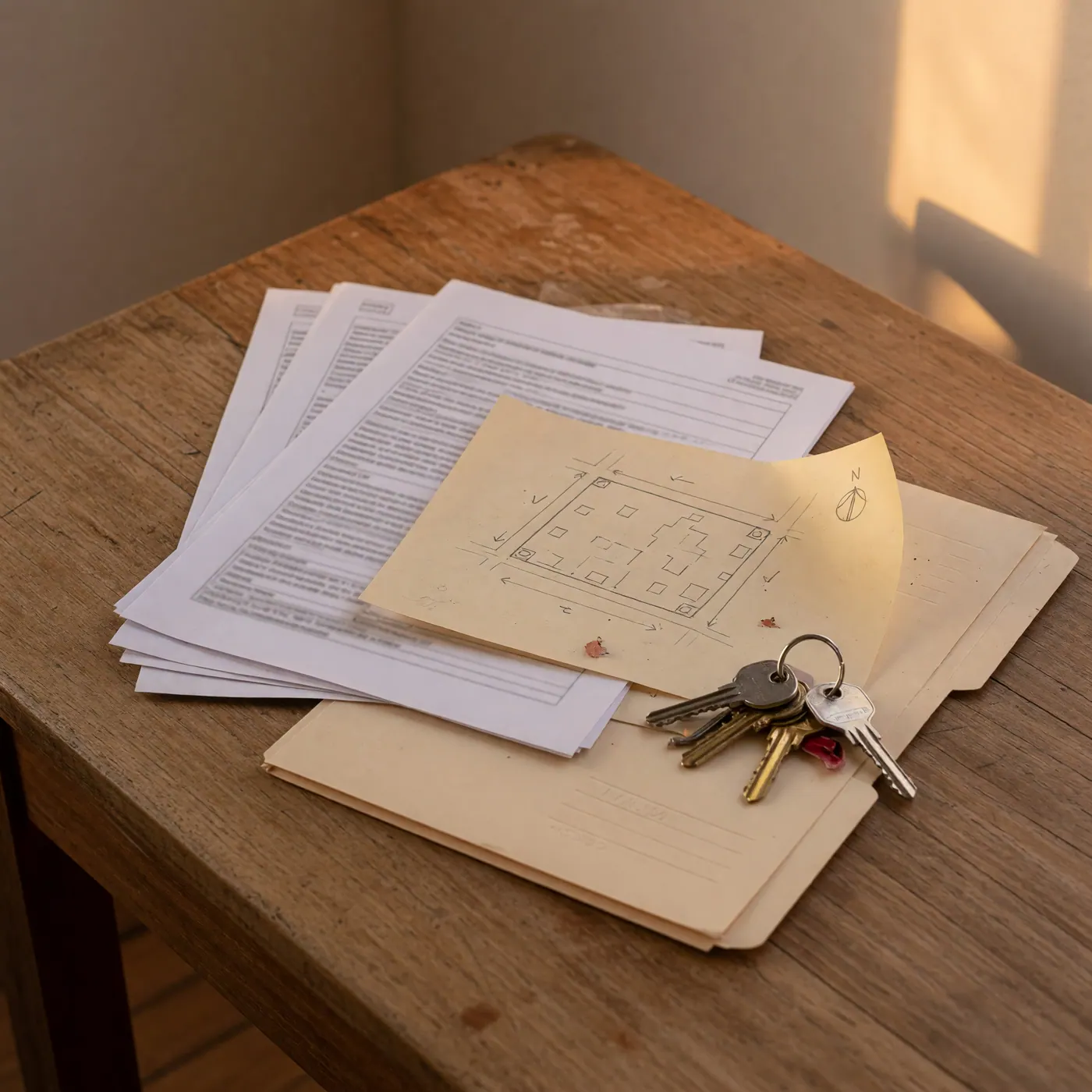
When reviewing the Certificado de Tradición y Libertad, pay close attention to Section 4 (Gravámenes) and Section 5 (Limitaciones al Dominio). Certain annotations can legally block a sale or cause severe title defects after purchase:
- Afectación a Vivienda Familiar & Patrimonio de Familia: These are statutory protections for family housing. If an afectación a vivienda familiar exists on the title, the property cannot be sold or mortgaged without the express written consent of the owner's spouse, even if that spouse is not listed as a co-owner on the deed.
- Embargos & Judicial Suits: An embargo ordered by a court or tax authority locks the folio, preventing any sale or transfer until the underlying debt or lawsuit is fully resolved and cancelled.
- Servidumbres (Easements): Legal obligations granting neighbors or utility companies rights of way, water pipe access, or power line placement across the terrain.
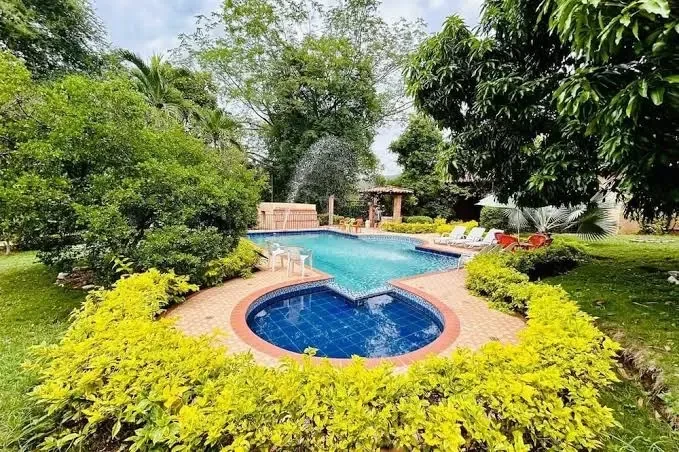
4. Casa Campestre Specific Checks: Zoning, POT, and Construction Permits
A common mistake foreign buyers make when touring rural country houses is assuming that because a home is physically built, it was legally constructed. Rural municipal land use is strictly regulated by local planning frameworks known as the Plan de Ordenamiento Territorial (POT, PBOT, or EOT depending on municipality size).
Before committing to a casa campestre, request a formal Certificado de Uso del Suelo (Land Use Certificate) from the municipal planning secretariat (Secretaría de Planeación) or local urban curator (Curaduría Urbana). This document confirms:
- Whether the lot is classified as rural, semi-rural (suburbano), or environmental protection land.
- Minimum lot subdivision sizes (preventing illegal micro-lotting).
- Maximum footprint and building height allowances.
- Whether existing structures hold valid building permits (licencias de construcción).
If you purchase an un-permitted home on protected agricultural or forest reserve land, municipal authorities can issue fines or mandate structural modifications. Never rely on verbal seller promises regarding future expansion or legal status.
5. Environmental Governance: Water Rights, Wells, and Septic Requirements
For rural properties and country estates, basic utility services require independent verification beyond simple monthly bills.
Having a natural spring (nacimiento), stream, or deep well (pozo profundo) on a property does not give the landowner unlimited, unregulated private rights to the water. Under Colombian environmental regulations, surface and groundwater usage generally requires a formal water concession (concesión de aguas) issued by the competent regional environmental authority.
Furthermore, rural homes not connected to a municipal sewage network must operate a compliant, permitted septic system (pozo séptico con sistema de tratamiento). Verify that the estate has valid environmental clearances for water extraction and waste discharge before closing.
Installing or verifying a water well on a rural estate? Read our specialized deep-dive on Concesión de Aguas Subterráneas y Pozos Profundos en Fincas for step-by-step environmental permits.
6. Closing Mechanics: Notary Fees, Payment Channels, and Final Keys
Once your attorney completes the title study and verifies planning clearances, the transaction moves to execution:
1. Liquidación Notarial: The notary's administrative office calculates official notary fees, registration taxes (impuesto de registro), and registry fees based on government tariff tables and the purchase price recorded on the deed. Ask the notary for a written liquidación beforehand so both parties know their exact payment obligations at the signing table.
2. Payment hygiene: Do not send deposits to personal accounts from a listing chat. After title review, close through a notary-controlled payment path agreed in the promesa de compraventa.
3. Signing and Inscription: Both buyer and seller sign the public deed at the notary. The notary sends the deed to the Oficina de Registro de Instrumentos Públicos. Handing over property keys typically coincides with deed signing or formal registry entry, as agreed in your promissory contract.
7. How to Read a Colombia Move Real Estate Listing with This Checklist
When searching for property on Colombia Move, use this structured approach to evaluate prospective listings before scheduling an in-person visit:
- Filter by Housing Category: Distinguish between finished country homes (Casa Campestre), agricultural/country properties (Finca), and vacant land (Lote) depending on whether you want immediate livability or a construction project.
- Ask for the Folio Number Early: Serious sellers on Colombia Move should be able to share the property's matrícula inmobiliaria number so your lawyer can pull a fresh Certificado de Tradición y Libertad.
- Confirm Utility Connections: Verify in writing whether the property receives municipal water, communal rural aqueduct water (acueducto veredal), or relies entirely on rainwater harvest and permitted wells.
- Review Overall Housing Supply: You can browse broader regional options across all property types in the Colombia Move Vivienda Section.
According to active listings on Colombia Move (septiembre snapshot), the vivienda section showed 21 finca ads, 14 casa campestre ads, and 11 lote ads. Treat those figures as a working inventory to browse with this checklist, not as a guaranteed stock.
Need tax context after closing? Check our overview on Colombia Wealth Tax for Foreign Property Owners to understand post-purchase tax compliance.
This article is not legal advice. Closing rules and official tariffs change; verify them with SNR, the municipal planning office, and a licensed Colombian real-estate attorney.
Frequently Asked Questions
❓ Can a foreigner buy a house in Colombia without holding residency?
Yes. Foreigners can generally acquire titled private property with a passport or Cédula de Extranjería. Article 100 of the Constitution treats this as a civil-rights matter (fuente: Función Pública); visas remain a separate Cancillería process.
❓ Is a signed private contract enough to transfer ownership of a house?
No. Private contracts or bills of sale do not confer legal ownership of inmuebles. Ownership requires a public deed (escritura pública) at a notary and inscription on the folio (fuente: Código Civil and Ley 1579).
❓ What is a Certificado de Tradición y Libertad?
It is the official public extract of the folio: owners, liens, and limitations. Pull a freshly issued copy from SNR or ORIP before any deposit (fuente: Ley 1579 / Superintendencia de Notariado y Registro).
❓ What extra checks does a casa campestre need compared to a city apartment?
Rural houses need POT / uso del suelo confirmation, building permits, access, septic, and water concessions. A well or spring is not automatically legal to use (fuente: Ley 388 and Decreto 1076).
❓ Does buying a house in Colombia automatically grant me a residency visa?
No. Buying a house does not grant a Colombian visa by itself. Cancillería rules are independent of the deed and change; confirm them on the official visa hub (fuente: Cancillería).
❓ How do I avoid sending a deposit from a listing chat?
Never wire a deposit to a personal account from listing chat. Match seller ID to the folio and close at a notary after a lawyer reviews the title (fuente: SNR registry practice).
❓ Where can I browse houses, campestres, and fincas for sale?
Browse Colombia Move vivienda categories after you have a checklist in hand. Casa campestre, finca, and lote filters separate finished houses from raw lots, without treating any listing as already titled.
Comments
Loading comments...
Checking sign-in status...