
Colombia Pharmacy Guide: OTC Meds, Prescriptions & Safety
What expats should know before buying medicine in Colombia, from flexible pharmacy practice to controlled-medication documentation and INVIMA checks.
IDIOMA DEL ARTÍCULO
Showing original language
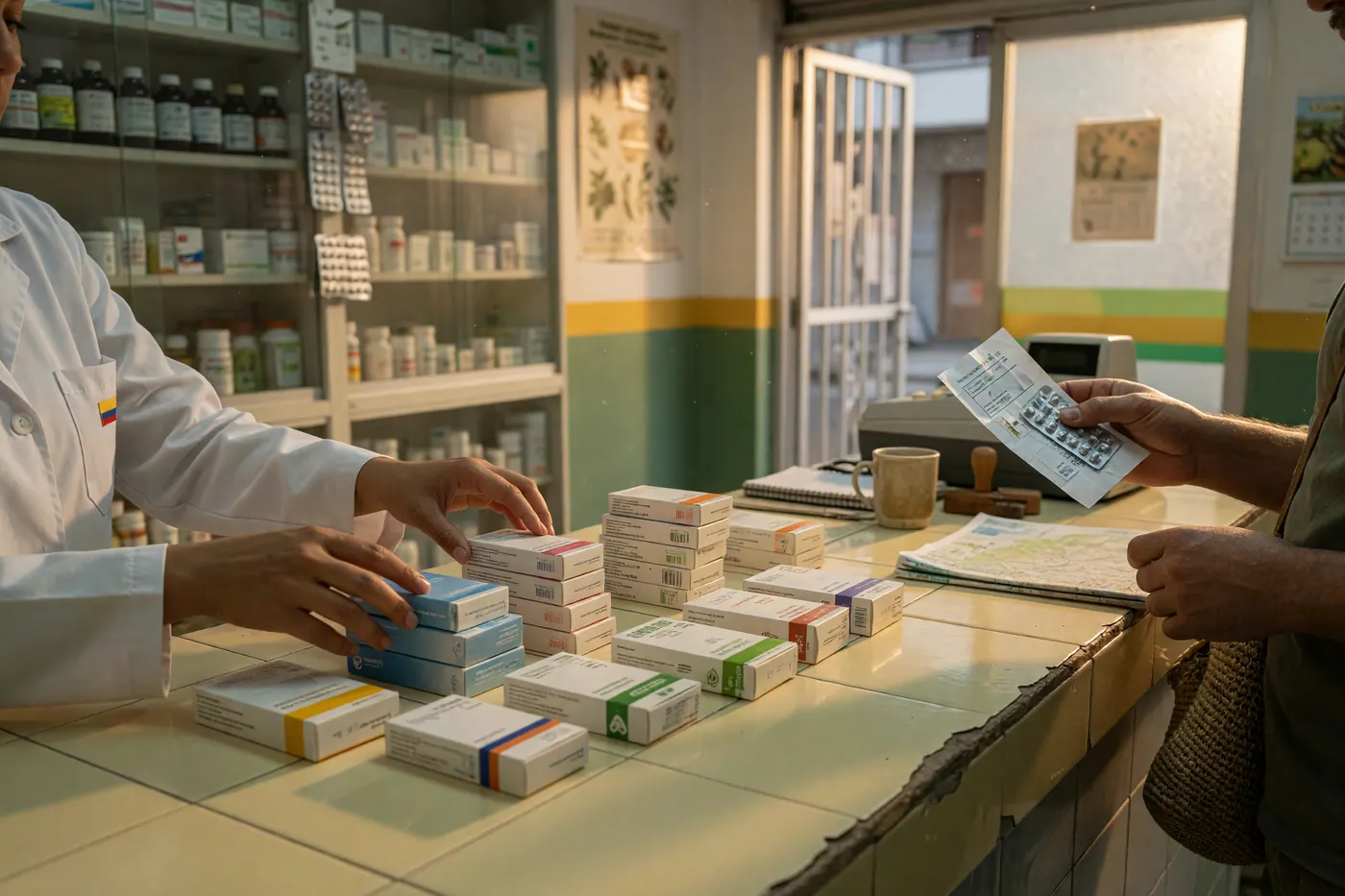
One of the first things that surprises people when they move to Colombia is how much happens at the pharmacy counter. Droguerias are everywhere, pharmacists are often practical and helpful, and some medicines that feel tightly controlled back home can be easier to buy here.
That said, there are rules — especially if you're arriving with medication from abroad. Bringing a controlled substance without documentation can cause serious problems at the border. And while Colombia's pharmacy system is more relaxed in some respects, there are real differences in what's available, what things are called, and how the prescription system works.
This guide covers the practical stuff: how droguerias work, what may be available over the counter, the safer way to bring your own medication, how to check generics, and enough medical Spanish to get through a pharmacy visit without guessing.
How Droguerías Work in Colombia
Colombia doesn't have a Walgreens or CVS equivalent — instead, it has droguerías, small pharmacy shops that range from independent corner stores to major national chains. You'll find them everywhere. In Medellín's El Poblado or Bogotá's Chapinero, there's often one on every block.
The big chains you'll encounter most often are:
Cruz Verde — the largest pharmacy chain in Colombia with over 1,000 locations nationwide. Clean, well-stocked, professional staff. Has an app for ordering online. Most expats end up here first.
Farmatodo — another major chain, common in shopping centers and high-traffic areas. Good selection, consistent quality, tends to be slightly more expensive than others.
Audifarma — specialized in dispensing medications under EPS (public health insurance) coverage. If you're enrolled in the EPS system, you may be directed here for your subsidized medications.
Drogas La Rebaja — a discount pharmacy chain. As the name suggests ("La Rebaja" means "the discount"), prices are lower. Good for generic drugs and everyday health supplies.
Beyond the chains, every neighborhood has small independent droguerías. These are often family-run and open late. The prices can be great and the owners genuinely knowledgeable, but stock can be inconsistent for less common medications.
One thing worth knowing: many droguerías are open until 10pm or midnight, and 24-hour pharmacies exist in major cities. If you need medication urgently at 2am in Medellín, you won't be stuck.
What's Over-the-Counter in Colombia (That Isn't Back Home)
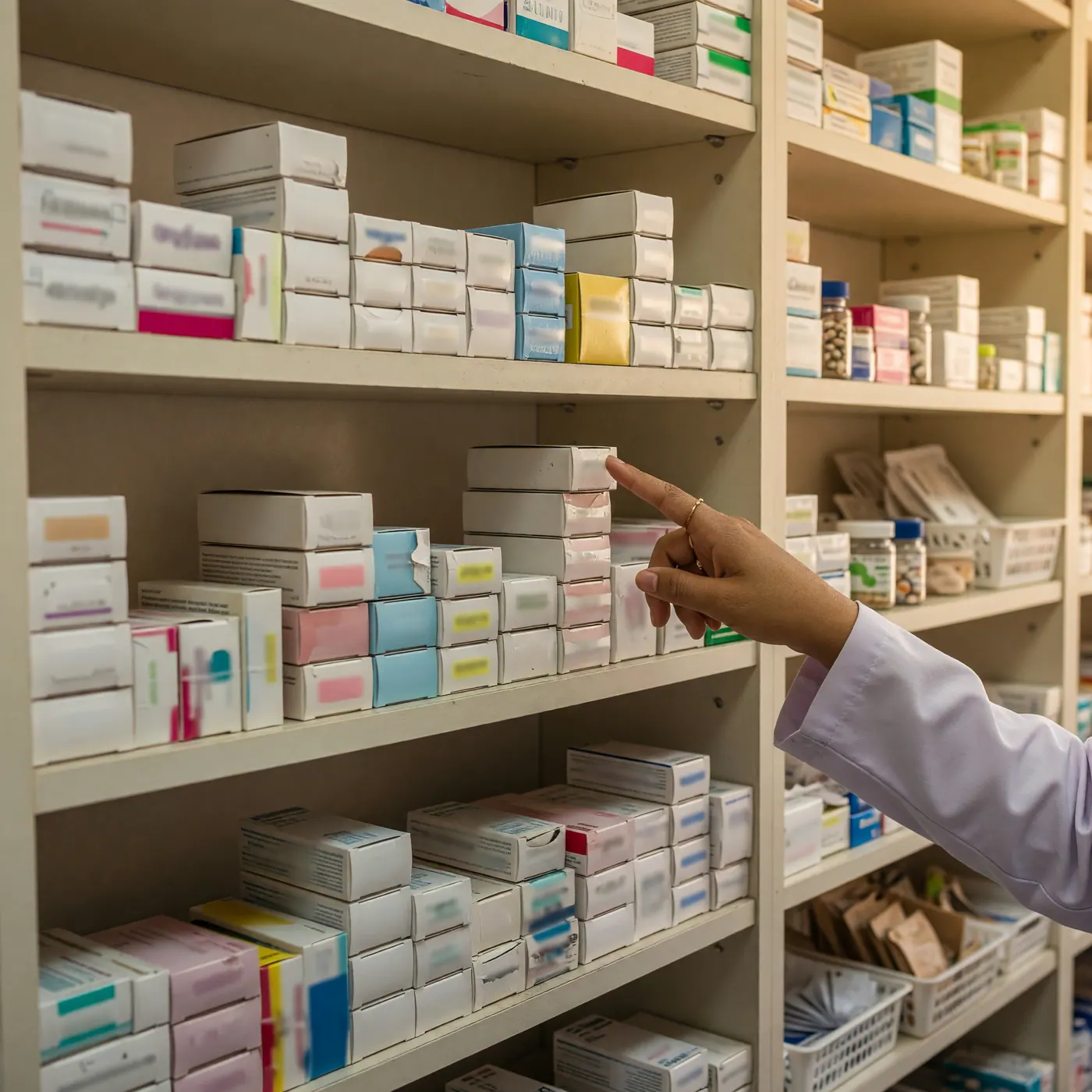
This is where Colombia surprises many expats from the US, UK, Canada, or Australia. The useful way to think about it is not that everything is over the counter; it is that pharmacy practice is often more flexible for everyday medications, while controlled, psychiatric, pain, sleep, and stimulant medications still need careful documentation and, often, a Colombian doctor.
Categories expats commonly ask Colombian pharmacists about include:
Short answer for U.S. travelers, updated July 2026: there is no safe master list of "U.S. prescription drugs that are over the counter in Colombia." Pharmacy practice is often more flexible, but controlled, psychiatric, sleep, stimulant, opioid, and long-term medications still deserve doctor-level planning. Use the categories below as pharmacy-conversation starters, then verify sensitive medicines with your doctor, the Colombian embassy or consulate, and INVIMA.
Antibiotics - some pharmacies may sell common antibiotics such as amoxicillin or azithromycin with less friction than you would expect in the US, UK, Canada, or Australia. Do not treat that as a green light to self-prescribe: describe your symptoms, ask about interactions, and use a doctor when the infection is serious, recurring, or unclear.
Anti-inflammatory drugs — meloxicam, diclofenac (oral and topical), and naproxen at prescription-strength doses are freely available. Great for injuries and inflammation.
Antifungals — fluconazole (Diflucan equivalent) and topical antifungal creams are on the shelf.
Corticosteroids - some topical products and mild oral corticosteroids may be easier to obtain than back home, but they are not casual medicines. Ask about dose, duration, side effects, and whether your symptoms need a medical visit.
Antiparasitics - albendazole and mebendazole are commonly available, but use them for a specific reason and ask a pharmacist or doctor about dosing. Avoid taking them just because someone online told you to do a cleanse.
Muscle relaxants, sleep aids, psychiatric medication, opioid pain medication, ADHD stimulants, and other sensitive medications are different. Rules and pharmacist practice vary, but if the medicine affects sleep, anxiety, pain, attention, or mood, assume you need documentation and a Colombian doctor if you will need refills.
A word of caution: just because a medicine is easier to buy does not mean it is low-risk or automatically legal for your situation. Ask the pharmacist to confirm the active ingredient, dose, interactions, and whether you should see a doctor. Counterfeit medicine is a real risk in Colombia, so avoid loose pills, WhatsApp-only products, or anything without packaging you can verify.
Bringing Your Own Medication to Colombia
If you're moving to Colombia or visiting for an extended period, you'll likely want to bring a supply of your regular medications. The rules here are reasonable, but there are a few things to get right before you travel.
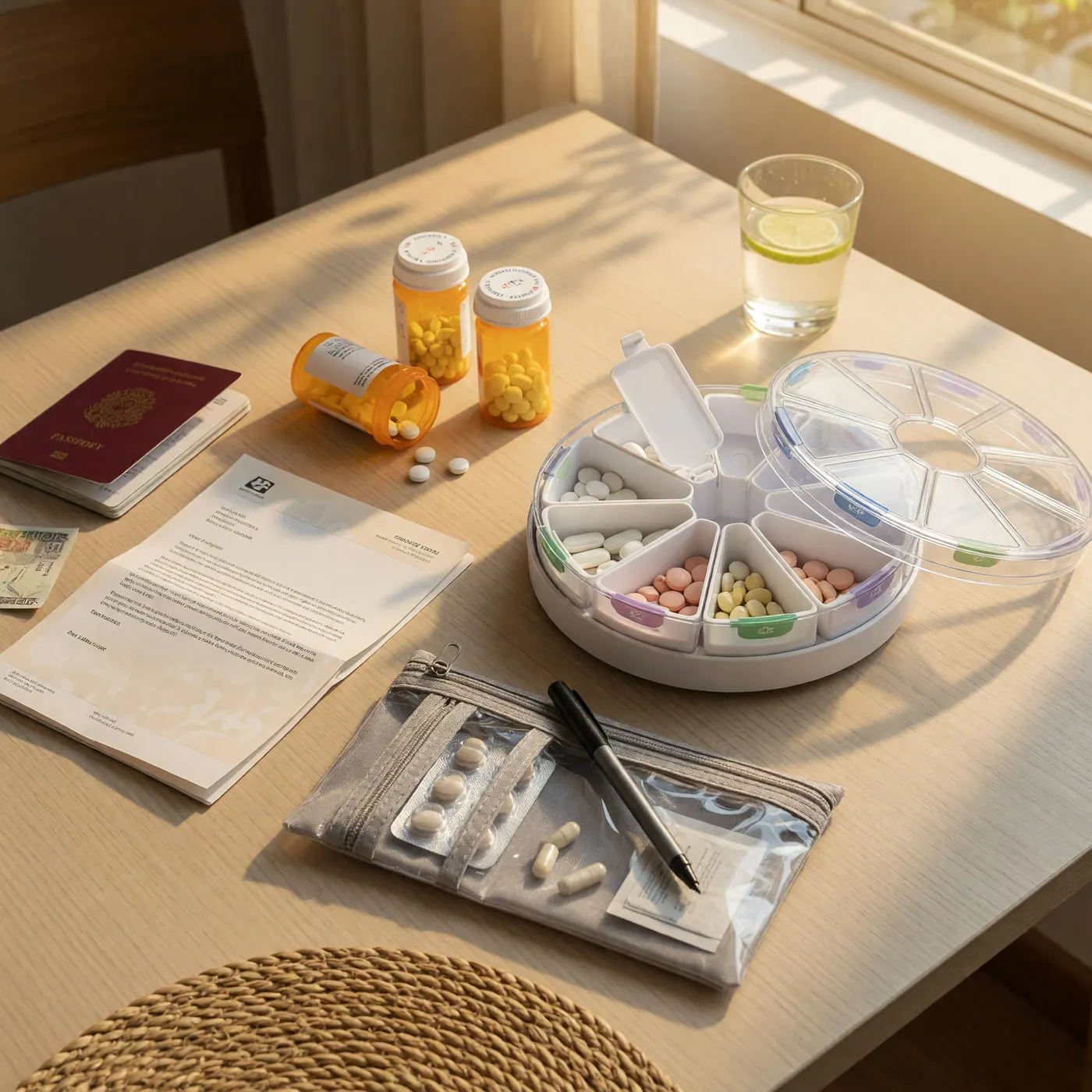
For most non-controlled medications, keep them in original pharmacy packaging with your name on the label, and carry the prescription or a doctor's letter. Bring a reasonable personal supply for the trip or move, but do not pack a suitcase full of medication that looks commercial.
Keep everything in your carry-on, not your checked luggage. If your checked bag gets lost, you don't want to be without critical medication while waiting for it to be found.
For longer stays, many medications you take at home may be available locally under a different brand name. Search by the generic active ingredient, ask a pharmacist, and check the INVIMA sanitary registry if you need to confirm that a product is registered in Colombia.
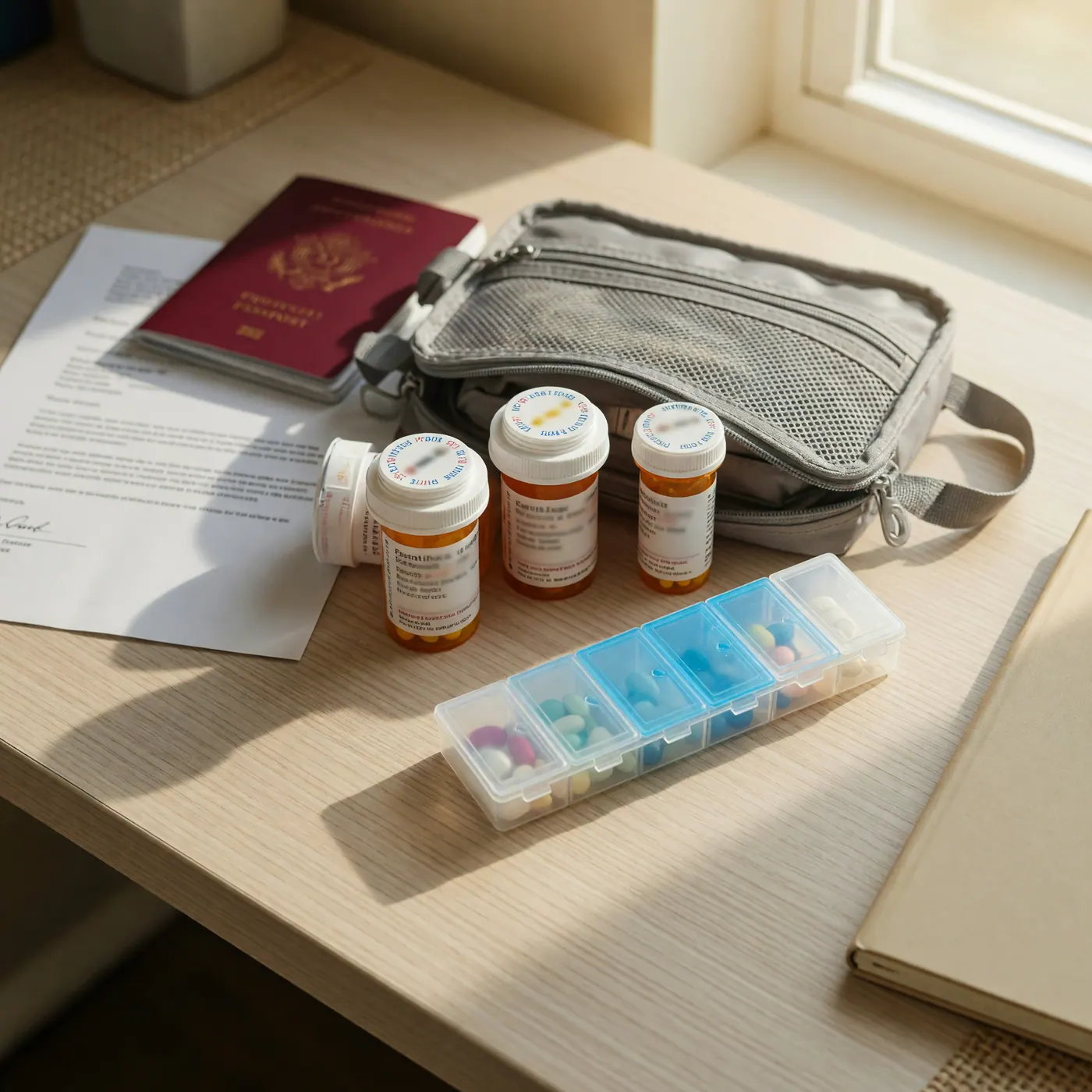
Before you fly: keep prescription medicine in original packaging with your doctor's prescription, and verify anything sensitive before travel. The U.S. State Department gives this exact original-packaging guidance for Colombia, and INVIMA is the official place to check Colombian medicine registration.
Official checks: U.S. State Department Colombia health guidance and INVIMA sanitary registry lookup.
Controlled Substances: The Rules You Need to Know
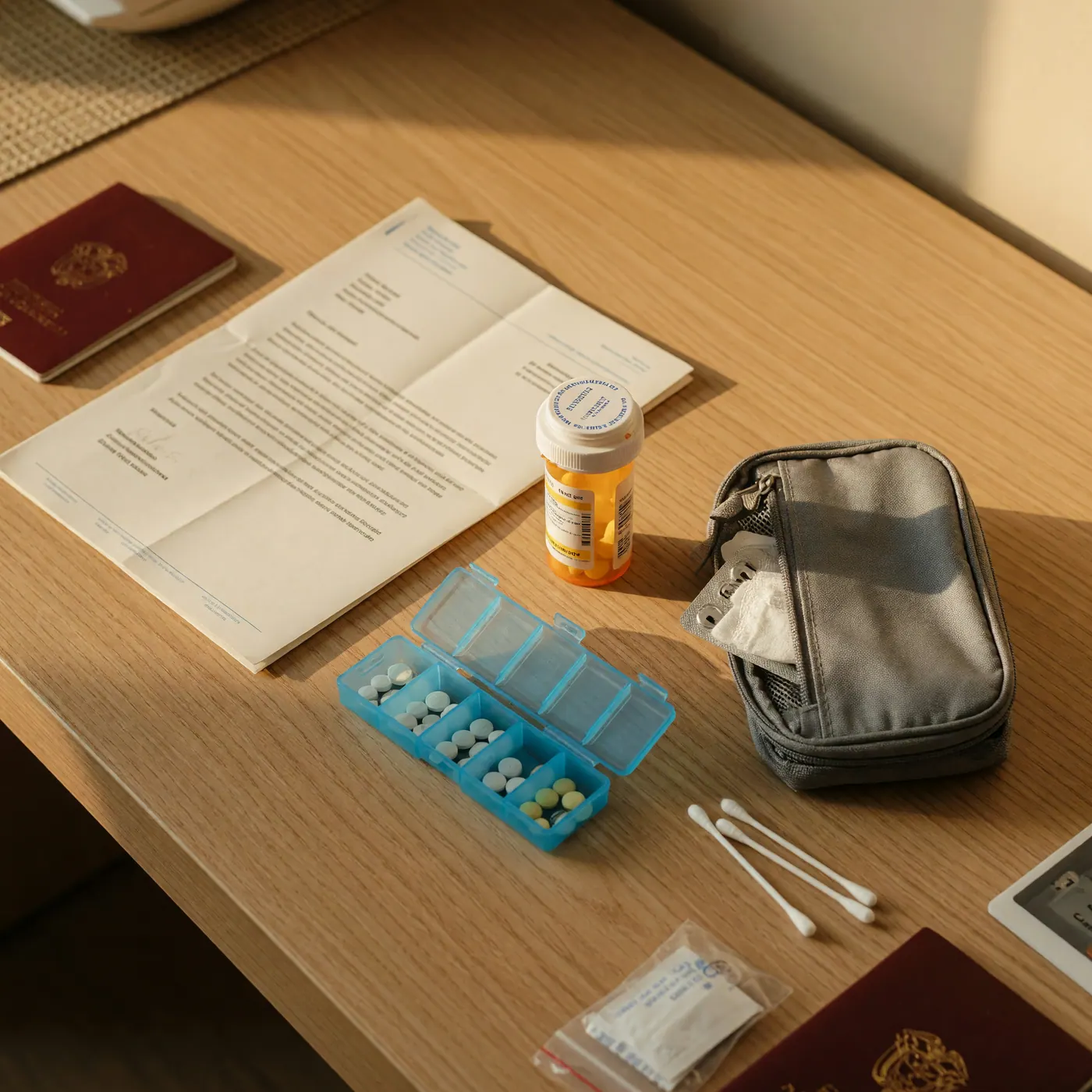
This is where you need to pay attention. Bringing controlled or sensitive medication to Colombia without documentation can create border problems, even if the medication is legal and prescribed in your home country.
Medications that deserve extra caution include opioid pain medication, benzodiazepines, stimulants for ADHD, some sleep medications, and certain psychiatric medications. Colombia may not sell every psychiatric medication you are used to, so do not assume you can refill locally on short notice.
To travel with these legally:
- Carry the medication in original pharmacy packaging with your name on it
- Bring the prescription and, for controlled or sensitive medication, a doctor's letter on letterhead
- Make the letter list the medication name, dosage, and that it is for personal medical use
- Keep medication in your carry-on, not checked luggage
- Do not bring commercial-looking quantities; keep it to a reasonable personal supply
- If customs asks, declare it calmly and show the documentation
Note that tramadol is widely used in Colombia but is controlled. If you run out, you'll need a Colombian prescription to get more — which means visiting a doctor here. This is worth planning for if you're on long-term tramadol therapy.
Cannabis-derived medications, including CBD products, can be complicated when crossing borders. Colombia has a medical cannabis framework, but that does not make every imported CBD oil or edible easy to bring through customs. When in doubt, leave it home and ask a local doctor about legal options after you arrive.
Generic Drugs in Colombia: Your Best Friend for Saving Money
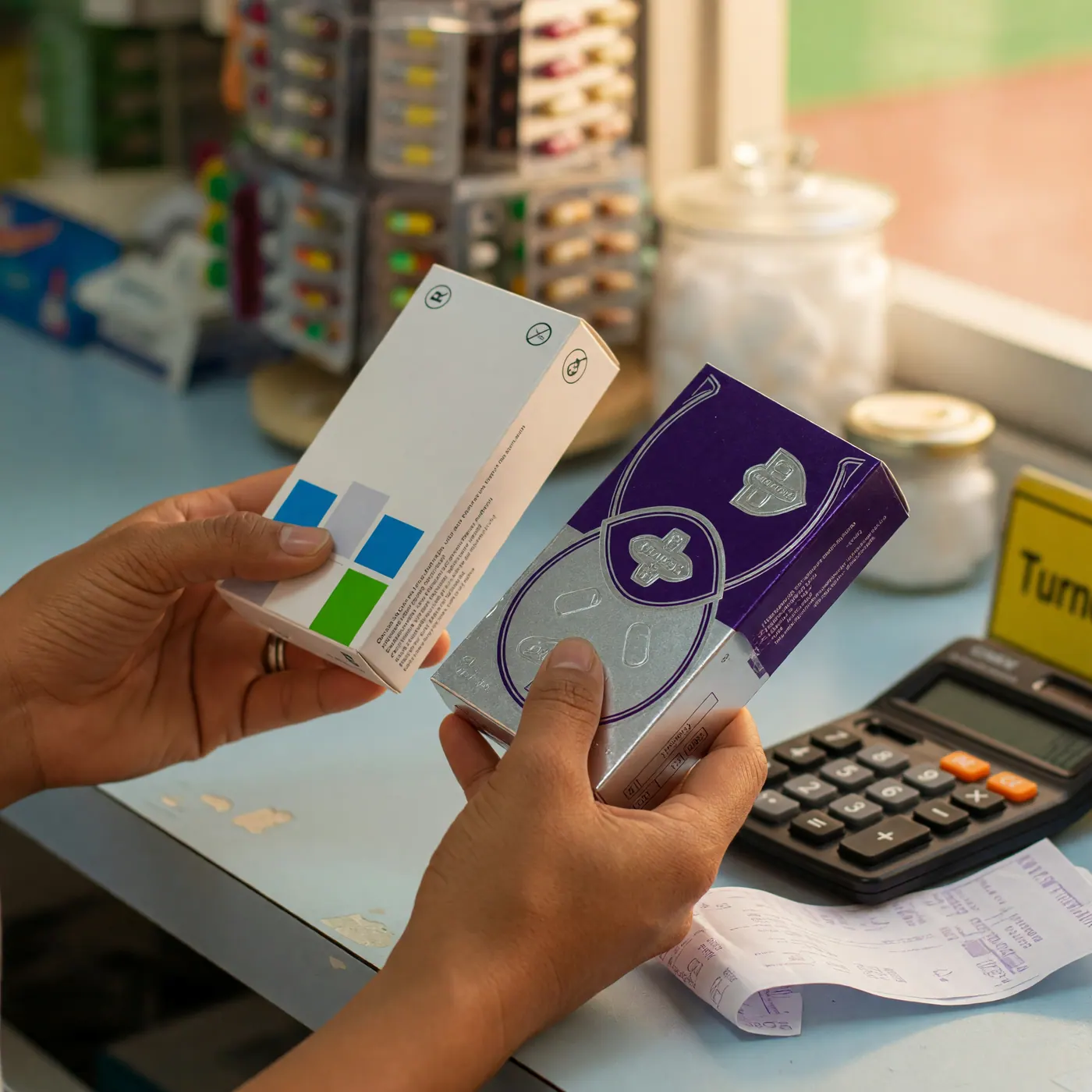
Colombia has a robust generic drug market, and the savings compared to branded medications are enormous. When you walk into a droguería, always ask: "¿Tiene el genérico?" (Do you have the generic?). Nine times out of ten, the answer is yes.
Some real-world price comparisons:
Omeprazole 20mg (30 caps): branded version ~18,000 COP ($4.50) vs generic ~4,000 COP ($1 USD). Same active ingredient, same effect.
Loratadine 10mg (allergy, 30 tabs): branded Claritin equivalent ~20,000 COP ($5) vs generic ~3,000–5,000 COP ($0.75–1.25).
Metformin 500mg (diabetes, 30 tabs): generic widely available for 3,000–6,000 COP ($0.75–$1.50).
Atorvastatin 20mg (cholesterol, 30 tabs): 5,000–10,000 COP ($1.25–2.50) for generic vs branded Lipitor equivalent at 35,000+ COP.
If you're on maintenance medications and have any flexibility in what brand you take, switching to Colombian generics can save you a meaningful amount of money. Your EPS or private health plan may also cover generics at heavily subsidized rates if you have Colombian health insurance.
How to Get a Prescription in Colombia
If you need a medication that does require a prescription in Colombia, getting one is generally fast and inexpensive. Your options depend on what kind of healthcare coverage you have.
EPS (public health insurance): If you're enrolled in the Colombian EPS system through work or voluntarily, you can get a prescription through your assigned primary care doctor. Consultations are covered or heavily subsidized. The EPS formulary (the list of covered drugs) is extensive.
Private clinic or consulta externa: Walk-in doctor consultations at private clinics typically cost 40,000–90,000 COP ($10–22 USD). The doctor will often write a prescription on the spot. Clinics like Colmédica, Sura, and Cafam operate throughout major cities. In Medellín's El Poblado, there are several English-friendly clinics that cater to expats.
Telemedicine: Apps like Doctoralia, Sira Salud, and Hola Doctor let you consult with a Colombian doctor online within minutes. Teleconsultations run around 30,000–60,000 COP ($7–15 USD) and the doctor can issue a digital prescription.
Pharmacist recommendation: For non-controlled medications, many pharmacists will recommend and sell medications without a formal prescription. Describe your symptoms and they'll often point you in the right direction. This isn't officially "prescription-free" medicine, but it's how Colombia's pharmacies function in practice for everyday ailments.
If you're thinking about the broader healthcare picture — EPS enrollment, which prepagada plans are worth it, how emergency care works — read our full guide: Healthcare in Colombia for Expats.
Essential Medical Spanish for the Pharmacy
You don't need to be fluent to navigate a Colombian droguería. A few phrases go a long way, and most pharmacists in larger cities have experience with non-Spanish speakers.
Key phrases to know:
- "Necesito algo para..." — I need something for... (then name the problem: dolor de cabeza / headache, tos / cough, fiebre / fever, diarrea / diarrhea, infección / infection)
- "¿Tiene el genérico?" — Do you have the generic version?
- "¿Cuánto es?" / "¿Cuánto cuesta?" — How much is it?
- "¿Necesito receta?" — Do I need a prescription?
- "Tengo alergia a..." — I'm allergic to... (important to know: penicilina / penicillin, ibuprofeno / ibuprofen, sulfa, etc.)
- "¿Cada cuánto lo tomo?" — How often do I take it?
- "¿Con o sin comida?" — With or without food?
- "Tengo una receta de mi país" — I have a prescription from my home country
For the medication name itself, generic drug names are usually the same in Spanish as in English (ibuprofen = ibuprofeno, amoxicillin = amoxicilina, omeprazole = omeprazol). Brand names may be completely different — if in doubt, use the generic name or show the pharmacist the original packaging.
One more tip: keep your medication labels. If you run out of something and need to find the local equivalent, a pharmacist can read the active ingredients and find the Colombian version immediately.
If you're moving to Colombia without local health insurance, it's worth having travel or expat health coverage as a safety net. SafetyWing offers nomad health insurance that covers emergency care globally — including in Colombia — starting from around $45/month. It's not a substitute for enrolling in the local system long-term, but it's a solid bridge while you're getting established.
Frequently Asked Questions
❓ What prescription drugs are legal over the counter in Colombia that are not in the U.S.?
As of July 2026, there is no reliable traveler-safe master list. In practice, Colombian pharmacies may sell some antibiotics, anti-inflammatories, antifungals, corticosteroid products, and antiparasitics with less friction than a U.S. pharmacy, but legality and pharmacist practice vary by product. Treat controlled, psychiatric, sleep, stimulant, opioid, and long-term medications as prescription or doctor territory, keep documentation, and verify products through INVIMA when it matters. For the bigger healthcare setup, keep this paired with our healthcare in Colombia guide.
❓ Can I buy antibiotics without a prescription in Colombia?
Often, yes, but treat antibiotics as a doctor-level decision. Some Colombian pharmacies may sell common antibiotics without a prescription, but you should still ask about dose, interactions, and whether your symptoms need a medical visit.
❓ What documentation do I need to bring prescription medication to Colombia?
Carry prescription medicine in original packaging with your name on it, plus the prescription or a doctor's letter. For controlled or sensitive medication, make the letter specific: medication name, dose, diagnosis or medical need, and confirmation it is for personal use.
❓ Are there pharmacies in Colombia that deliver?
Yes — Cruz Verde, Farmatodo, and several others offer home delivery through their own apps and through Rappi. For online pharmacy orders, prefer official chain apps or known local pharmacies, look for sealed packaging, and avoid WhatsApp-only sellers offering loose pills or miracle products.
❓ How do I find the Colombian equivalent of my medication?
Use the generic name (active ingredient) rather than the brand name. Most Colombian pharmacists immediately recognize generic drug names. If you're unsure of the generic name, bring the original packaging — the active ingredient is always listed. You can also search the INVIMA website or use the Vademécum Colombia app, which lists all registered medications in the country.
❓ Are medications significantly cheaper in Colombia than in the US?
For many generic medications, yes - Colombia can be much cheaper than the US. The exact savings depend on the active ingredient, brand, pharmacy, city, and whether you are paying cash or using EPS/prepagada coverage.
Your Colombian Pharmacy Questions, Answered
Navigating the pharmacy system in Colombia takes about one visit to figure out — it's genuinely not complicated, and once you know that the droguería around the corner is stocked better than you expected and staffed by someone who can actually help, you'll stop stressing about it.
The main things to get right: documentation for controlled substances before you travel, a habit of asking for generics, and a few key phrases to make pharmacy conversations painless. Everything else you'll pick up as you go.
Have a question about a specific medication or a situation I didn't cover? Drop it in the comments below — I do my best to respond. And if this guide was useful, share it with someone who's about to make the move to Colombia.



Comments
Loading comments...
Checking sign-in status...