
Accessibility and Diversity in Medellín: Resources for LGBTQ+, Disabled, and Diverse Expats
Medellín is actively building a more inclusive city for everyone. Discover the physical, legal, and community networks that make the city accessible and welcoming for diverse expats.
IDIOMA DEL ARTÍCULO
Showing original language
Medellín’s famous urban miracle isn’t just about cable cars climbing steep mountains; it's about a structural commitment to inclusivity. When I first moved here, I quickly realized that the city's transformation goes far beyond infrastructure. Today, Medellín is actively mapping out physical, legal, and community networks that make daily life accessible for diverse expats and locals alike.
Quick Answer: Diversity & Accessibility in Medellín
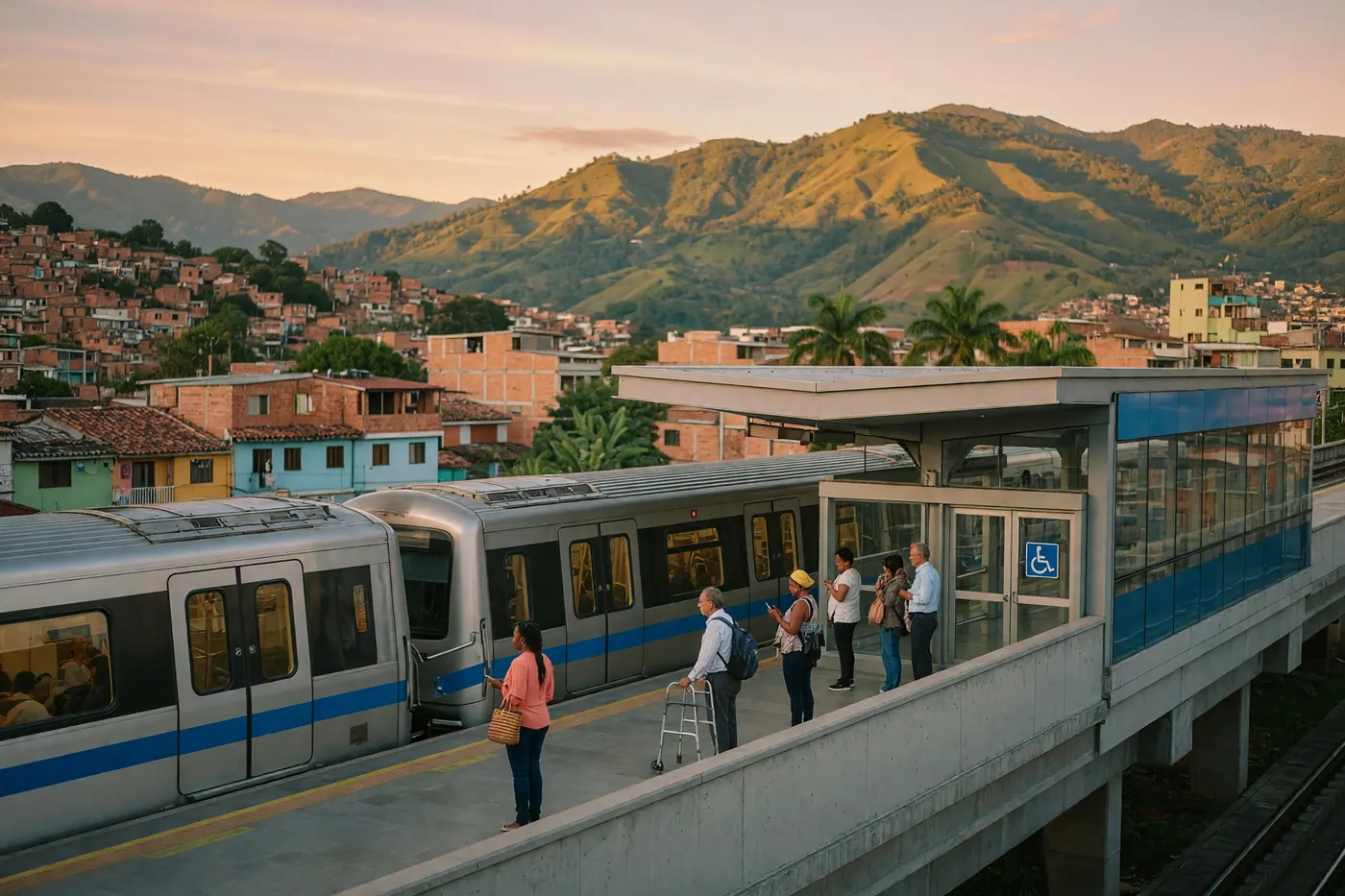
- Physical Accessibility: 96% of the Medellín Metro network is accessible via elevators and ramps, and downtown pedestrian zones feature tactile paving.
- LGBTQ+ Resources: The city funds the Centro para la Diversidad Sexual, and the UdeA opened a dedicated legal clinic in March 2025 for gender and diversity support.
- Afro-Diaspora: Major cultural fixtures like Negrofest (May) and the Black Joy Parade celebrate the city's estimated 150,000+ Afro-Colombian residents alongside Black expats.
Getting Around Medellín with Reduced Mobility
If you use a wheelchair or have mobility challenges, the daily reality of living in Medellín is a mix of world-class transit and frustratingly steep sidewalks. Honestly, the topography is your biggest hurdle. Neighborhoods like El Poblado and Laureles are notorious for irregular cobblestones, unexpected high curb drops, and narrow older buildings that lack step-free access.
However, 96% of the Medellín Metro network is physically accessible. You will find dedicated elevator shafts, mechanical sloped pathways, lowered Cívica contactless ticket machines, and low-positioned public telephones at nearly every station. Just plan ahead: sporadic elevator maintenance happens, and trying to board with a mobility device during the chaotic 6:30–8:30 AM rush hour is something I would strictly avoid.
Down in the valley, the city center is much easier to traverse. The downtown pedestrian zones of Paseo Junín, Paseo Bolívar, and Paseo Carabobo recently underwent complete renovations. They are now retrofitted with tactile street guides, audio-enabled smart traffic crossings, and smooth curb ramp lines that make moving through the heart of the city significantly safer.
LGBTQ+ Protection, Legal Aid, & Community Hubs
While LGBTQ+ life in Colombia is protected by robust national laws, Medellín has localized its support systems into concrete, physical safe spaces.
The local government operates the Centro para la Diversidad Sexual e Identidades de Género, which actively supports legal name and gender transitions. Adding to this, in March 2025, the Universidad de Antioquia (UdeA) opened a brand new physical headquarters for its Centro de Atención en Género y Diversidad Sexual. Located in the Antigua Escuela de Derecho building on Calle Ayacucho with Girardot, this clinic provides legal counsel, medical transitional guidance, and gender discrimination mediation.
For migrants and expats needing immediate administrative help, Mercy Corps partners with Caribe Afirmativo to run Casas Afirmativas in Medellín. These function as sanctuary hubs where you can get psychosocial support, register for your local EPS health coverage, and map out legal immigration pathways without fear of prejudice.
Connecting with the Afro-Colombian & Black Expat Community
Medellín is home to an estimated 150,000 to 230,000 Afro-Colombian residents, many of whom have migrated from Chocó, Urabá, and the Pacific coast.
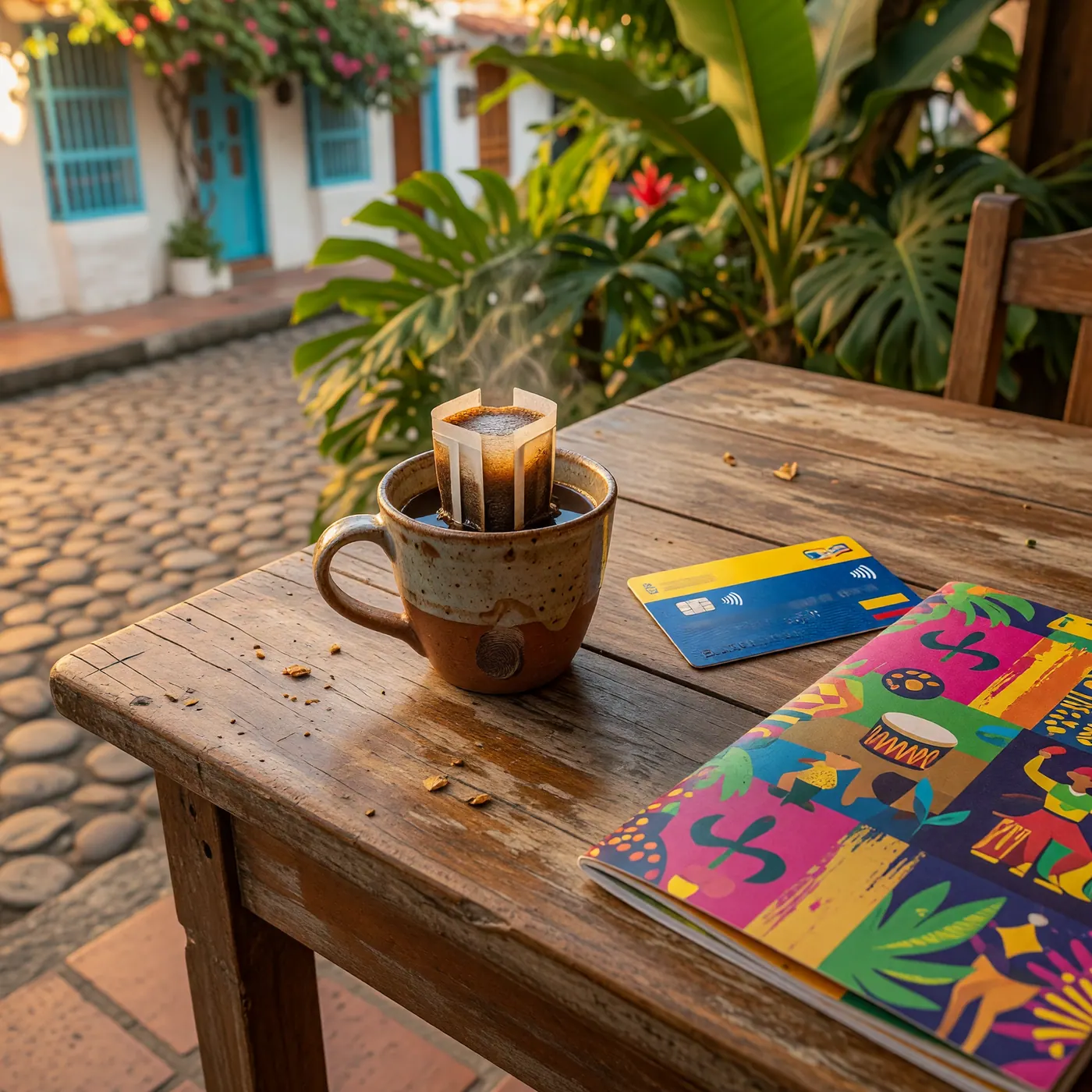
Organizations like Origin + Culture serve as a bridge, running weekly English-Spanish Conversation Clubs and hosting "Black on Black Diaspora" celebrations. If you are in town during May, you cannot miss Negrofest. Founded in 2017, this annual festival is the premier platform for Afro-Colombian fashion designers, artists, and gastronomy.
Another cultural pillar is the Black Joy Parade, organized annually since 2019. It’s an incredible celebration of Pacific customs, entrepreneurship, and music, often fueled by viche—a traditional, organic sugarcane spirit from the Pacific coast that holds deep ancestral significance.
Practical Checklist for Diverse Expats
To make your transition smoother, keep these concrete steps in mind before signing a lease or finalizing your move:
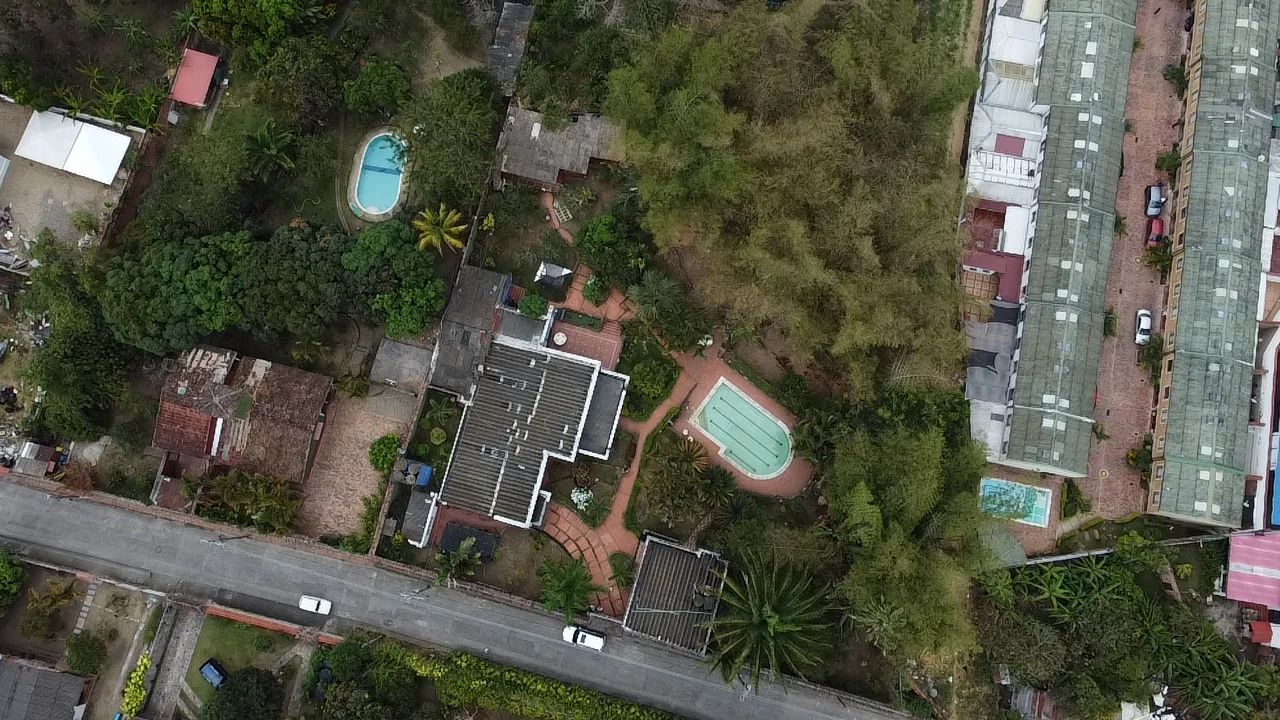
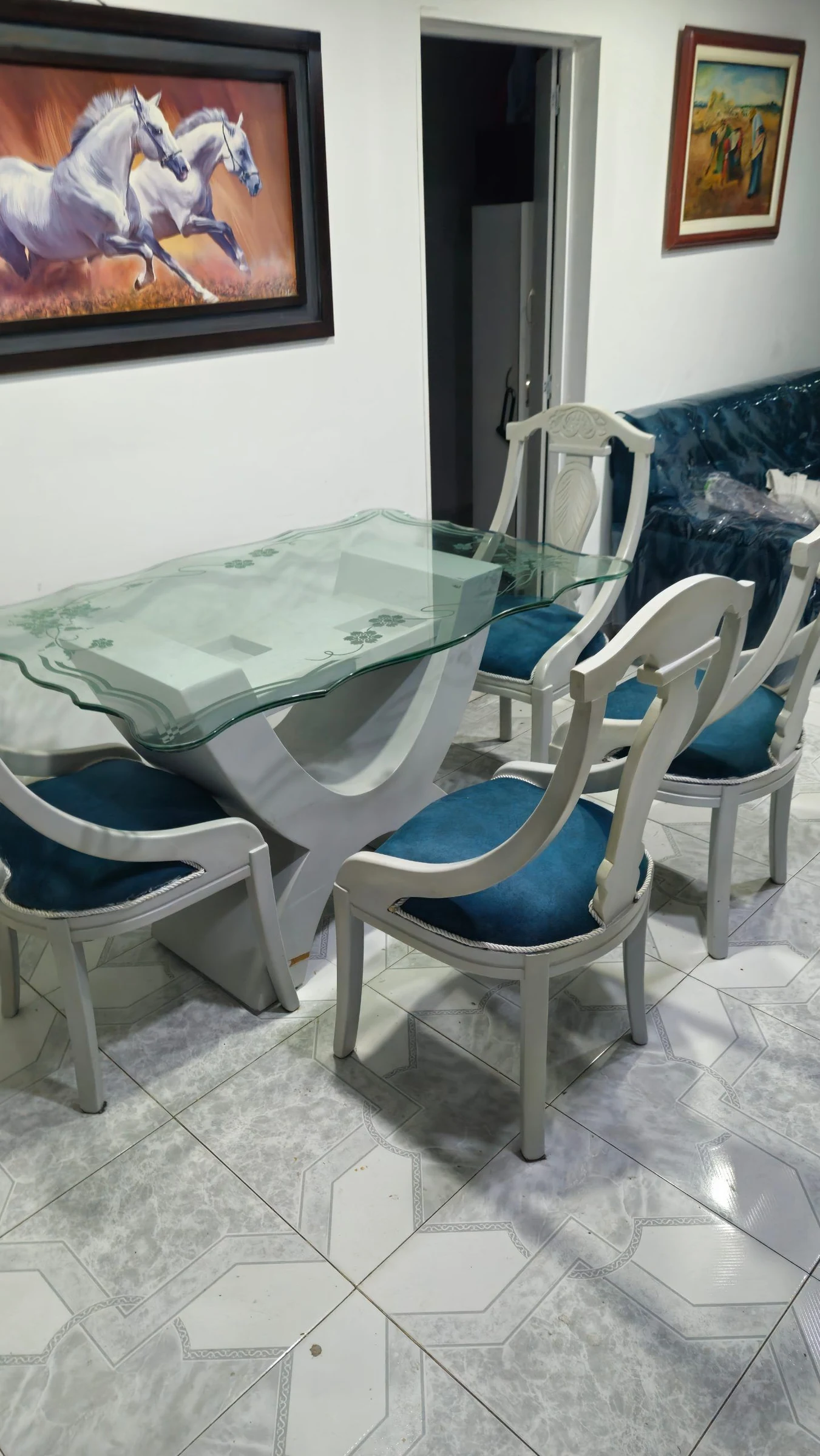
- Verify Housing Accessibility: According to active listings on the Colombia Move housing marketplace (July 2026), there are currently 102 active residential properties in the vivienda section. Always explicitly ask landlords for photos of the lobby entrance, elevator width, and bathroom doorways before paying a deposit.
- Map Out Your Commute: Cross-reference your potential apartment with the Metro's Line A or Line B. Ensure your closest station has a verified, working elevator.
- Understand Local Protections: Familiarize yourself with the Código Nacional de Policía. Many venues prominently display legal warnings against homophobic, transphobic, or racially discriminatory abuse at their entrances.
Frequently Asked Questions
❓ Is Medellín's Metro fully wheelchair accessible?
Yes, 96% of Medellín’s Metro network is physically accessible with ramps, elevators, and hydraulic platforms. However, plan ahead as sporadic elevator maintenance can occur, and peak hours (6:30–8:30 AM / 5:30–7:30 PM) are incredibly crowded.
❓ What municipal legal resources exist for trans expats in Medellín?
The city's official Centro para la Diversidad Sexual and the Universidad de Antioquia's legal clinic (opened March 2025 on Calle Ayacucho) both provide legal counsel for trans individuals navigating documentation, name transitions, and gender-affirming healthcare navigation.
❓ Where can Black expats connect with the local Afro-Colombian community?
Organizations like Origin + Culture run weekly English-Spanish Conversation Clubs, and major annual events like Negrofest (May) and the Black Joy Parade celebrate Black business owners, music, and diaspora culture.
❓ Does Medellín enforce penalties for discrimination or harassment?
Yes, Colombian law and municipal policies prohibit discrimination. Many local establishments, hotels, and venues prominently display penal code warnings regarding penalties for homophobic, transphobic, or racially discriminatory abuse.
❓ How can I find accessible, step-free apartments in Medellín?
Focus your search on flatter areas of Laureles or lower El Poblado near Metro lines. Avoid hilly, older structures; when browsing local listings, always explicitly ask if the building has a working elevator, flat street-to-lobby access, and wide bathroom doorways.


Comments
Loading comments...
Checking sign-in status...