
Living in Montería: Colombia's Green City on the Río Sinú
Montería is an affordable, authentic alternative to Colombia's major expat hubs. Here's what living in the Green City on the Río Sinú is really like.
IDIOMA DEL ARTÍCULO
Showing original language
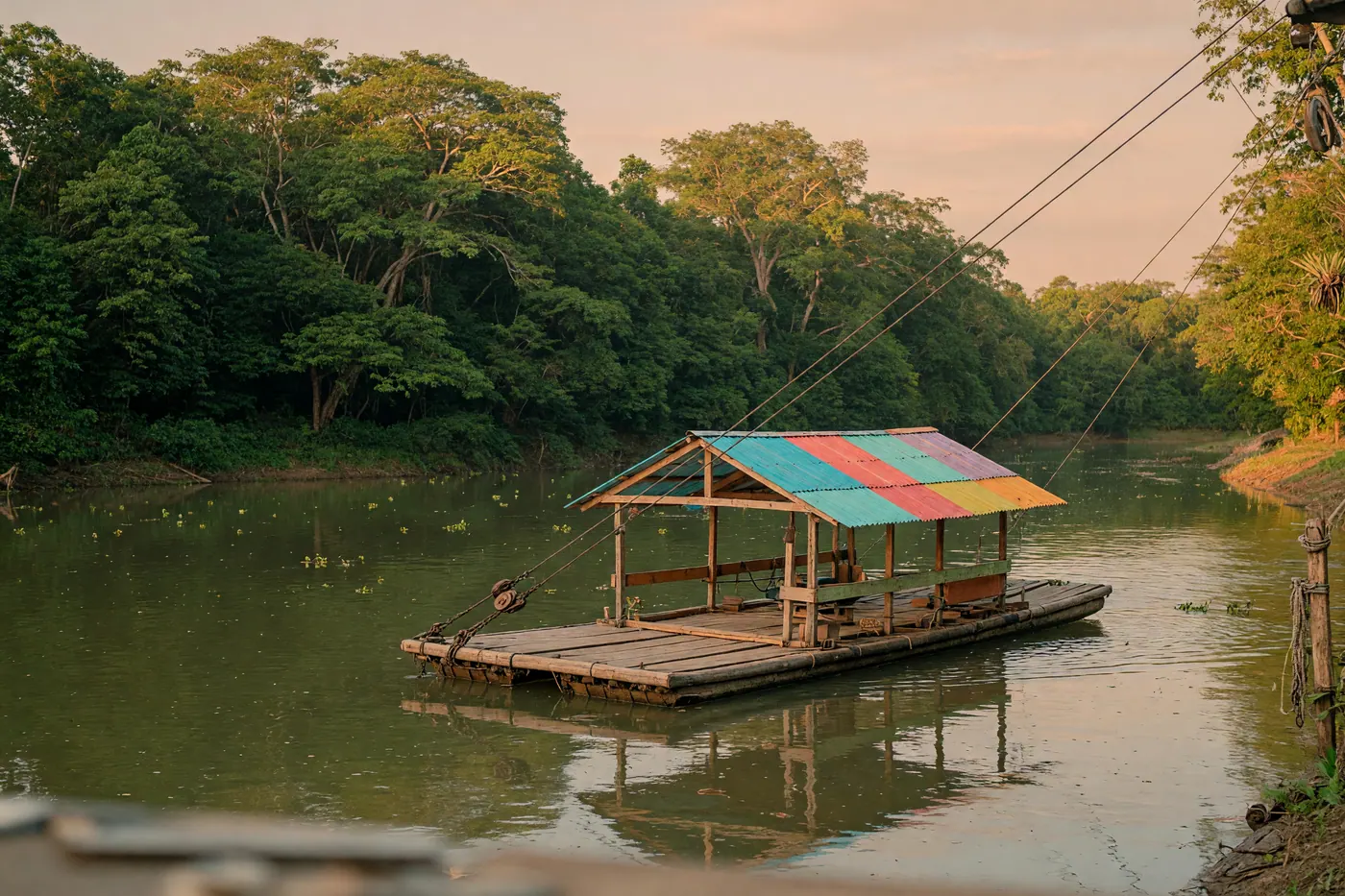
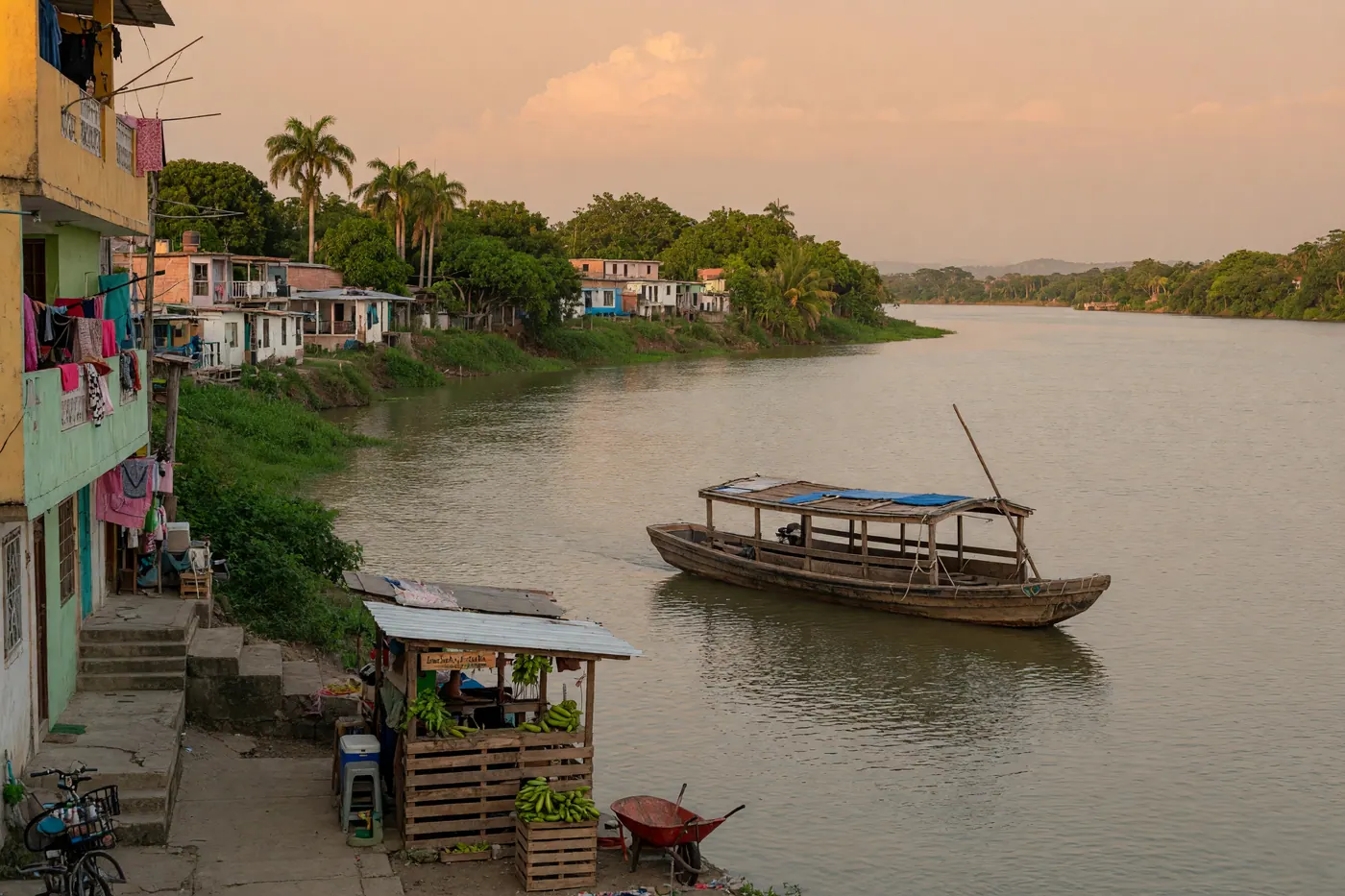
Stepping off a traditional wooden planchón ferry onto the banks of the Río Sinú, you immediately notice something different about Montería. Unlike the concrete-heavy sprawl of other mid-sized regional capitals, this city feels like it was built inside a jungle. Historically known as the "Cattle Capital of Colombia" (Capital Ganadera), the capital of the Córdoba department has quietly turned into one of the country's most interesting slow-travel and remote-work destinations.
If you are weighing the best cities to live in Colombia, you usually hear the same three names. But Montería offers a highly affordable, authentic alternative within reach of the Caribbean coast—provided you can handle the heat.
Quick answer: living in Montería
- The vibe: Authentic, highly affordable, and river-centric. Very little English is spoken.
- Climate: Hot and humid year-round (27°C–30°C average).
- Cost of living: Generally cheaper than Medellín or Bogotá, though how much you save depends on your housing and lifestyle.
- Internet: Home fiber is available at many northern addresses, but confirm coverage with the provider before you sign a lease.
Why Montería is Colombia's "Green City"
Montería didn't become a sustainable hub by accident. In 2014, the World Wildlife Fund (WWF) awarded the city the title of Global Earth Hour Capital for Colombia, recognizing an ambitious climate master plan that prioritized pedestrians, bicycles, and the river over cars.
The city's urban renewal is entirely river-first. Instead of turning its back on the Río Sinú, Montería made it the focal point of daily life. You won't find towering glass skyscrapers dominating the skyline here; the riverfront stays low-rise and heavily forested.
The Ronda del Río Sinú: A Tropical Forest in the City Center
The crown jewel of this transformation is the Ronda del Río Sinú. Built starting in 2005, this 4-kilometer-long linear park runs directly along the riverbank through the city center. It is not just a paved walkway—it is a preserved tropical dry forest ecosystem.
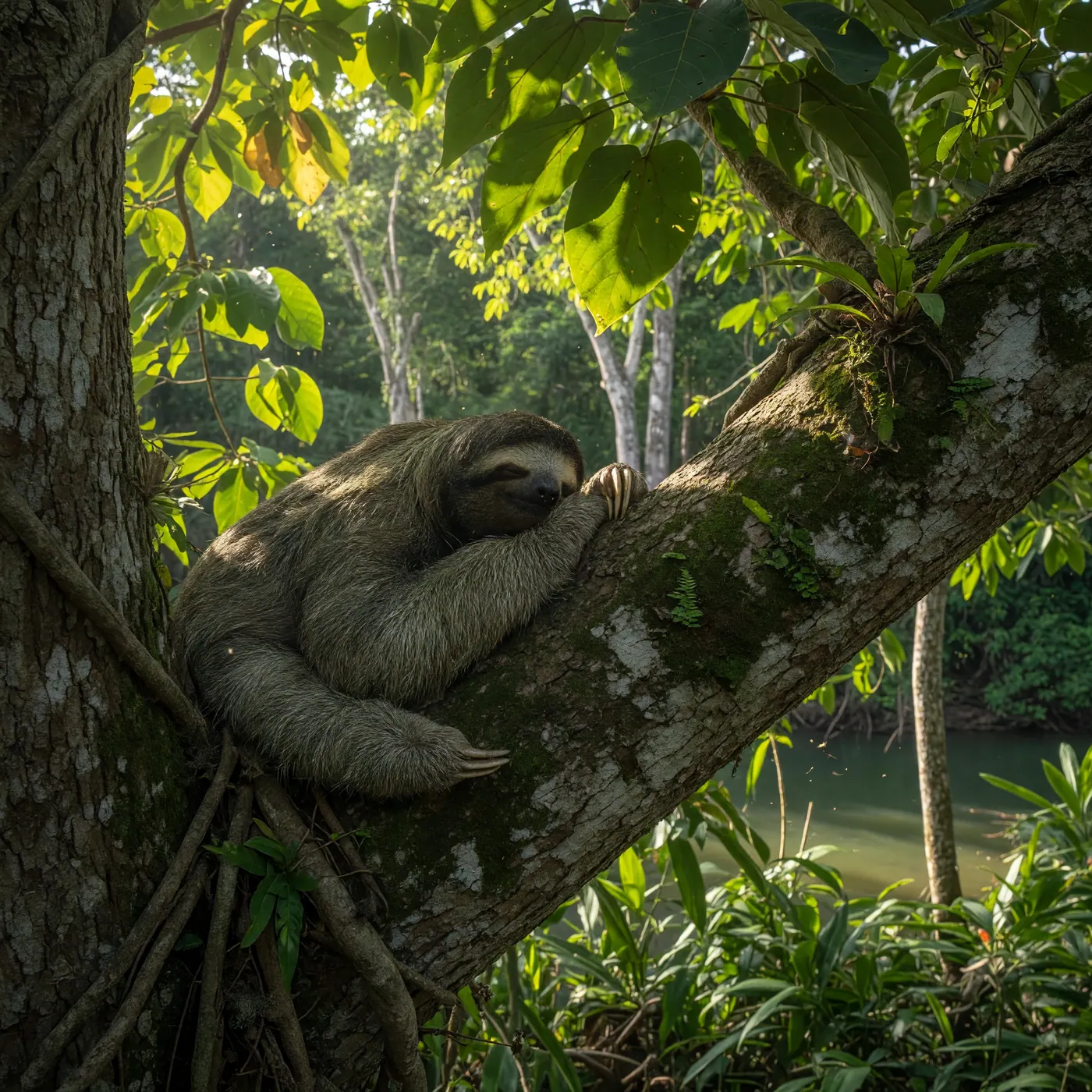
Walking the Ronda means sharing the path with wild sloths hanging from massive ceiba trees, iguanas sunning themselves on the pavement, and red howler monkeys moving through the canopy. It is one of the few places where you can take a work call on a park bench while a sloth sleeps right above your head.
Cost of Living: How Much You Really Need
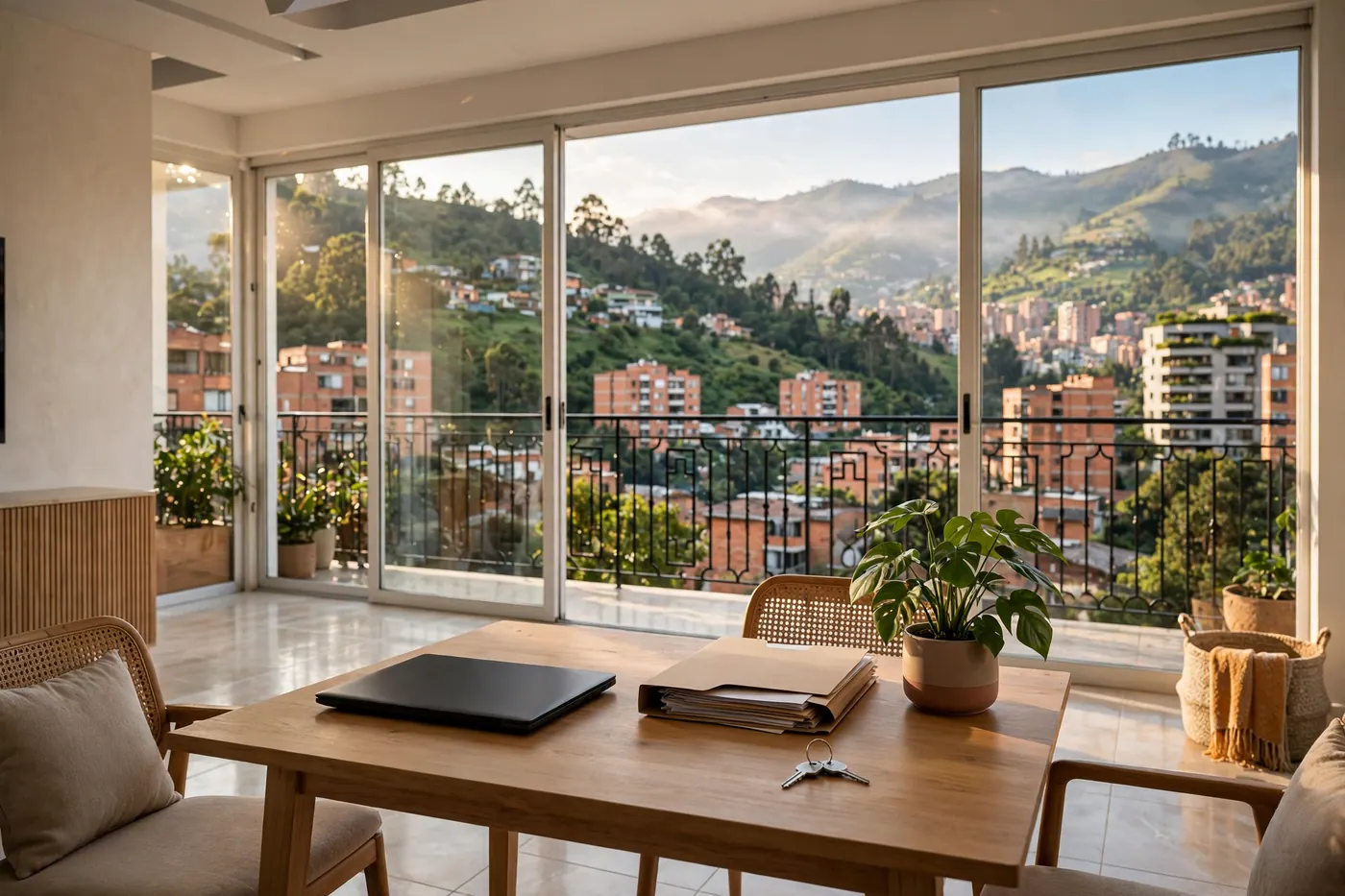
If your budget is feeling the squeeze in the major expat hubs, Montería can offer real relief—though how much you actually save depends on your neighborhood and lifestyle, so treat any flat "X% cheaper than Medellín" claim with skepticism. For a dated reference point, on June 15, 2026 the marketplace Finca Raíz listed apartments for rent in Montería with an average asking rent of about COP 2,184,210, and individual listings ranging roughly from COP 750,000 to COP 3,800,000. Those are asking prices, not signed-lease prices, and they move with the building, the furniture, the estrato, and your negotiating.
According to the active marketplace supply signals on Colombia Move (June 2026), the housing section currently shows around 80 active listings and more than 13,000 demand views across the platform—a sign there's real renter interest beyond the usual expat bubbles. If you are mapping out the cheapest places to live in Colombia, Montería easily makes the shortlist.
Renting is the easy way to start, and it keeps your options open while you learn the city. To sanity-check these housing numbers against the rest of the country, our cost of living for a single person in Colombia breakdown is a useful companion to this section.
Estimated monthly budget (single expat)
- Rent (modern 2BR, Estrato 5/6): COP 1,000,000–3,800,000 (Finca Raíz asking rents, Jun 2026)
- Utilities (including heavy AC use): COP 210,000–310,000 (rough estimate)
- Groceries & local markets: COP 520,000–700,000 (rough estimate)
- Dining out & entertainment: COP 350,000–520,000 (rough estimate)
- Rough total: COP 2,100,000–5,300,000 (~USD 600–1,525 at the June 2026 TRM of ~COP 3,476)
Best Neighborhoods for Expats and Remote Workers
Montería is generally calm, but safety in Colombia is always relative—the U.S. State Department keeps Colombia at a Level 3 "Reconsider Travel" advisory (issued March 31, 2026) citing crime and other risks, so normal big-city precautions apply everywhere. Your day-to-day depends heavily on where you live. The most modern, sought-after areas for foreigners are concentrated in the north; locals and expats commonly point to them as the most comfortable, residential options, rather than any guarantee of safety.
- La Castellana & El Recreo: These are the premier Estrato 5 and 6 neighborhoods, with modern high-rise apartments, the Buenavista shopping mall nearby, and some of the best dining. They read as calm, walkable, and heavily residential, though you should still take the usual precautions.
- Monteverde: Another strong northern option, slightly newer and very popular with middle-to-upper-class locals.
- Pasatiempo: If you want to be closer to the center and the Ronda del Sinú, Pasatiempo is a traditional neighborhood with a more authentic, lively street feel—just stay aware as you would in any busy area.
Infrastructure, Climate, and Connectivity
Honestly, if you hate the heat, Montería will break you. The city has a hot, humid tropical climate with average temperatures hovering around 27°C to 30°C year-round, and highs that frequently peak near 34°C in February and March. You will lean hard on air conditioning, so build that into your utility budget. To see how this stacks up against the rest of the country, read our Colombia climate regions guide.
For remote workers, the infrastructure can hold up well, but don’t assume it. Providers like Claro advertise home fiber plans ranging from 500 Mbps up to 900 Mbps, yet real availability and performance depend on your exact address, the specific plan, your Wi-Fi setup, and your devices—so verify the provider can actually serve your building before you sign a lease, and keep a mobile-data plan as backup. For how the carriers stack up, see our internet and cell phone plans in Colombia comparison. When the workday ends, locals head to the "Pasaje del Sol" area in the north, packed with restaurants, bars, and a lively nightlife scene.
Getting around is cheap and genuinely unique. You can cross the river on traditional planchones—manual, cable-guided wooden ferry rafts that charge a remarkably low fare. Looking ahead, the city is also launching the pilot phase of the Businú fluvial public transit system in early 2026, which will bring modern river buses to the Río Sinú.
Getting to the Caribbean Coast
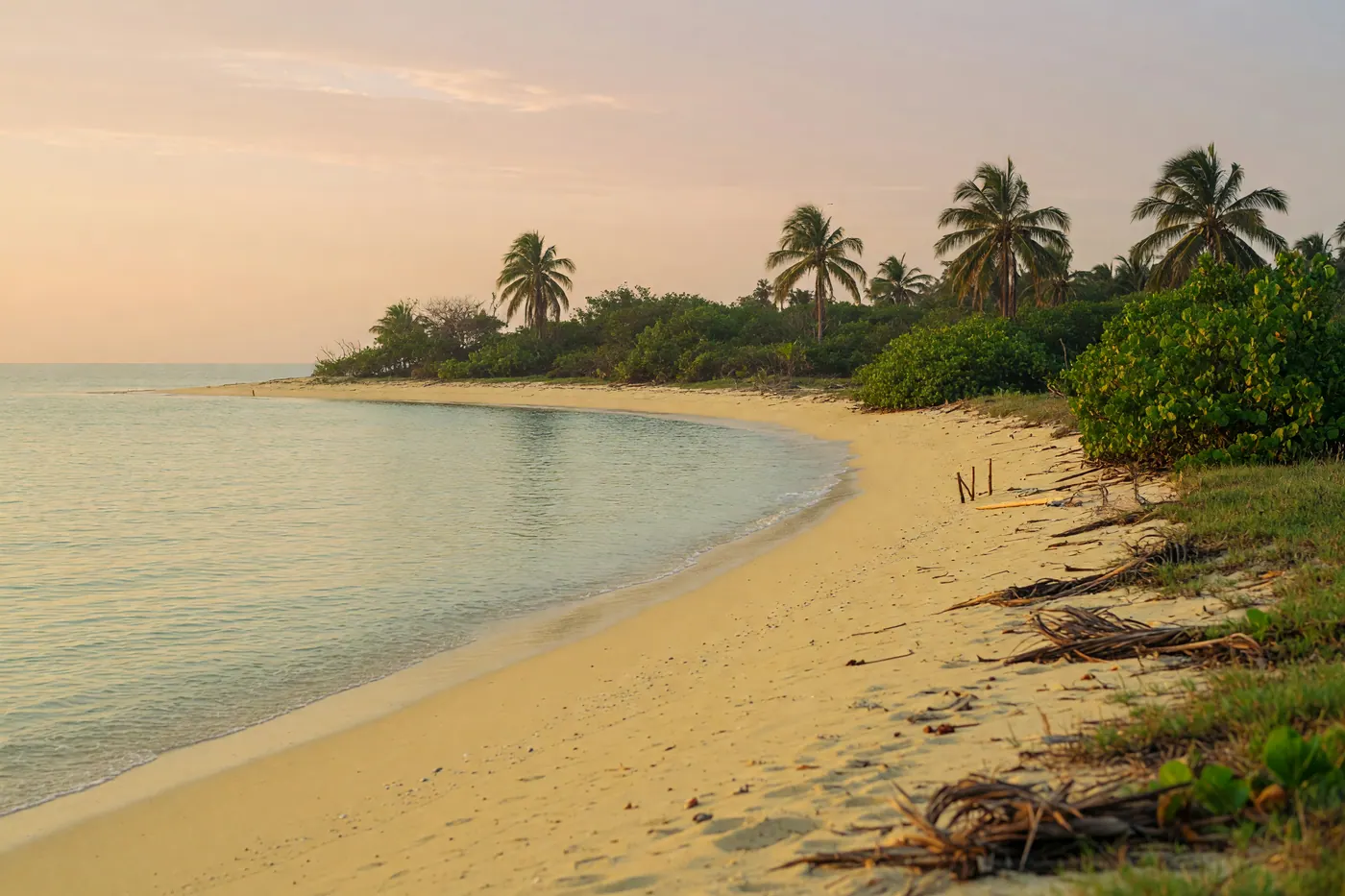
A common misconception is that Montería is a coastal city. It isn't. But it makes an excellent launchpad for Caribbean weekend escapes. The city sits roughly 76 to 83 kilometers from the coast by road.
A 1.5 to 2-hour drive (or a cheap bus ride from the local terminal) gets you to the relaxed beach towns of Coveñas and San Antero. While it lacks the walled colonial old town you'd get living in Cartagena, having the Caribbean a short drive away makes Montería's inland heat much easier to live with.
Frequently Asked Questions
❓ Is Montería, Colombia safe for expats?
Montería requires the same everyday precautions as anywhere in Colombia—it should not be described as risk-free. The U.S. State Department lists Colombia at a Level 3 "Reconsider Travel" advisory (issued March 31, 2026) for crime and other risks. Expats most often settle in the northern residential sectors like La Castellana and El Recreo, which are commonly seen as comfortable day to day, but standard street smarts still apply.
❓ What is the cost of living in Montería?
Montería is often cheaper for housing than larger expat hubs like Medellín or Bogotá, but the exact savings vary by neighborhood and lifestyle, so avoid any fixed percentage. As a dated reference, on June 15, 2026 Finca Raíz listed Montería apartments for rent with an average asking rent of about COP 2,184,210 (roughly COP 750,000 to COP 3,800,000 across listings)—asking prices, not final lease prices.
❓ How far is Montería from the beach?
Montería is not directly on the coast, but it sits about 76 to 83 km (a 1.5 to 2-hour drive) from the Caribbean beach towns of Coveñas and San Antero. Buses run regularly from the local terminal.
❓ What is the internet speed like in Montería for remote work?
It is possible at some addresses but not guaranteed citywide. Providers like Claro advertise home fiber from 500 to 900 Mbps, yet real availability and speed depend on your exact address, plan, and setup—confirm coverage with the provider before renting, and keep mobile data as a backup for video calls.
❓ What is the weather like in Montería?
Montería has a hot, humid tropical climate year-round, with average temperatures between 27°C and 30°C. Highs frequently reach 34°C, particularly during the drier months of February and March.
❓ Where are the best neighborhoods to live in Montería?
The best neighborhoods for expats are La Castellana, El Recreo, and Monteverde in the north, which offer modern high-rises, malls, and dining. Pasatiempo is a solid, more traditional option closer to the center and the river.

Comments
Loading comments...
Checking sign-in status...