
Filandia & Pijao: Colombia's Quiet Coffee Towns Beyond Salento
Discover Filandia and Pijao, two peaceful coffee towns in Quindío offering slow travel, authentic culture, and beautiful rural fincas far from the Salento crowds.
IDIOMA DEL ARTÍCULO
Showing original language
Quick Answer: If you want the classic coffee region aesthetic without the overwhelming tourist crowds, skip the center of Salento. Head 45 minutes west to Filandia for colorful colonial streets and sweeping viewpoints, or travel an hour south of Armenia to Pijao, Latin America’s first certified “Slow City,” for a truly authentic, unhurried Colombian rural experience.
I still remember standing in the main square of Salento on a holiday weekend, watching a seemingly endless line of tourists waiting for a Willys jeep. The magic of the Eje Cafetero is undeniable, but the reality of its most famous town can sometimes feel more like a theme park than a living, breathing agricultural hub.
That frustration pushed me to look further out. I wanted the rolling green hills, the world-class coffee, and the traditional paisa architecture, but I wanted to experience it at a normal pace. That is when I discovered Filandia and Pijao.
Why Look Beyond Salento?
Do not get me wrong—Salento is famous for a reason. The Cocora Valley is spectacular, and the town itself is beautifully preserved. But its popularity is also its biggest downside. During weekends and Colombian holidays, the narrow streets clog with traffic, restaurants have long waits, and the authentic local culture gets buried under souvenir shops selling mass-produced ponchos.
If you are planning to stay a while, or if you just genuinely dislike crowds, setting up your base in one of Quindío’s quieter towns is a far better choice. You still get the incredible coffee and the lush Andean landscapes, but you also get lower prices, friendlier interactions, and the space to actually breathe.
Filandia: The Colorful, Laid-Back Neighbor
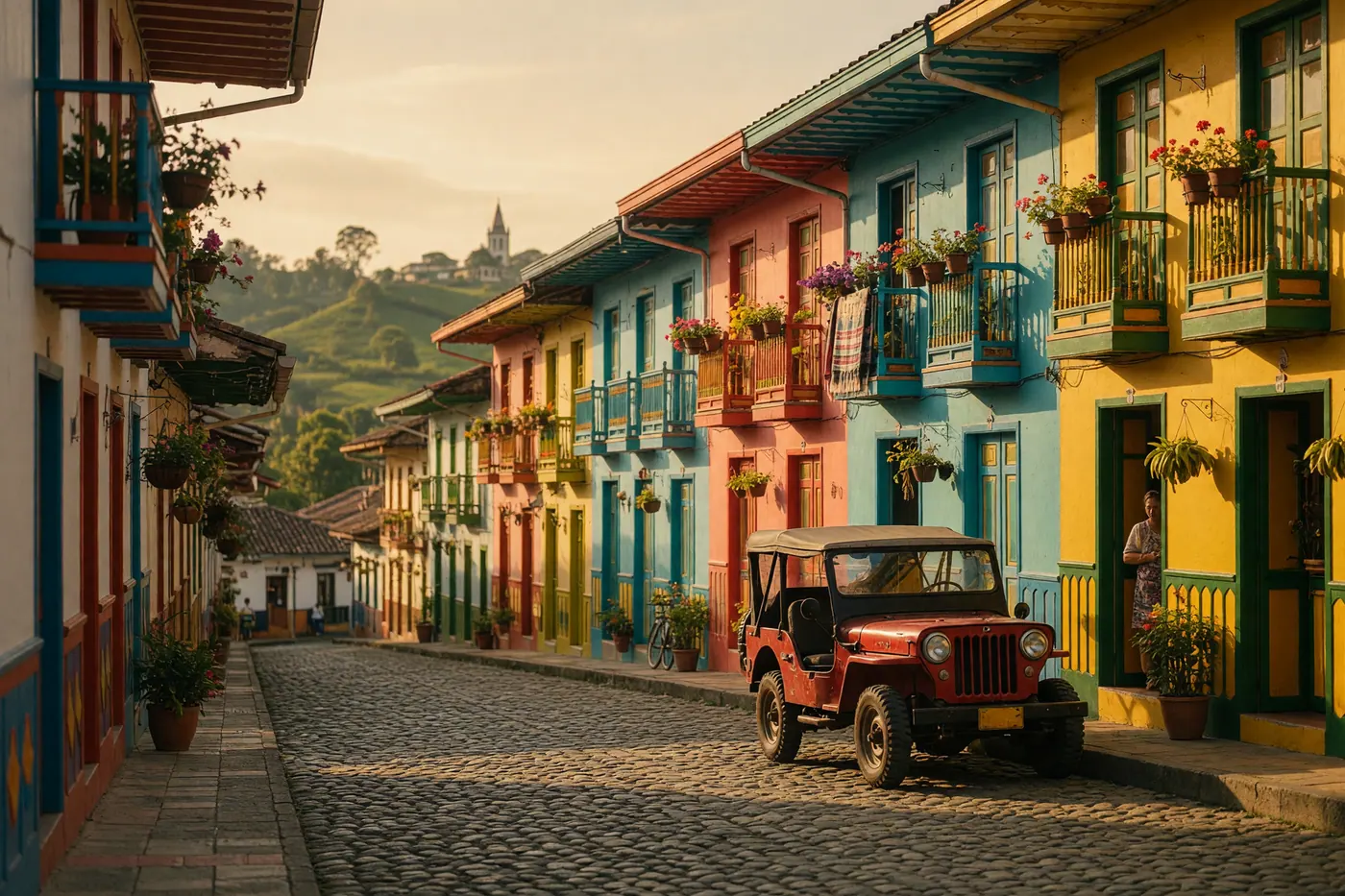
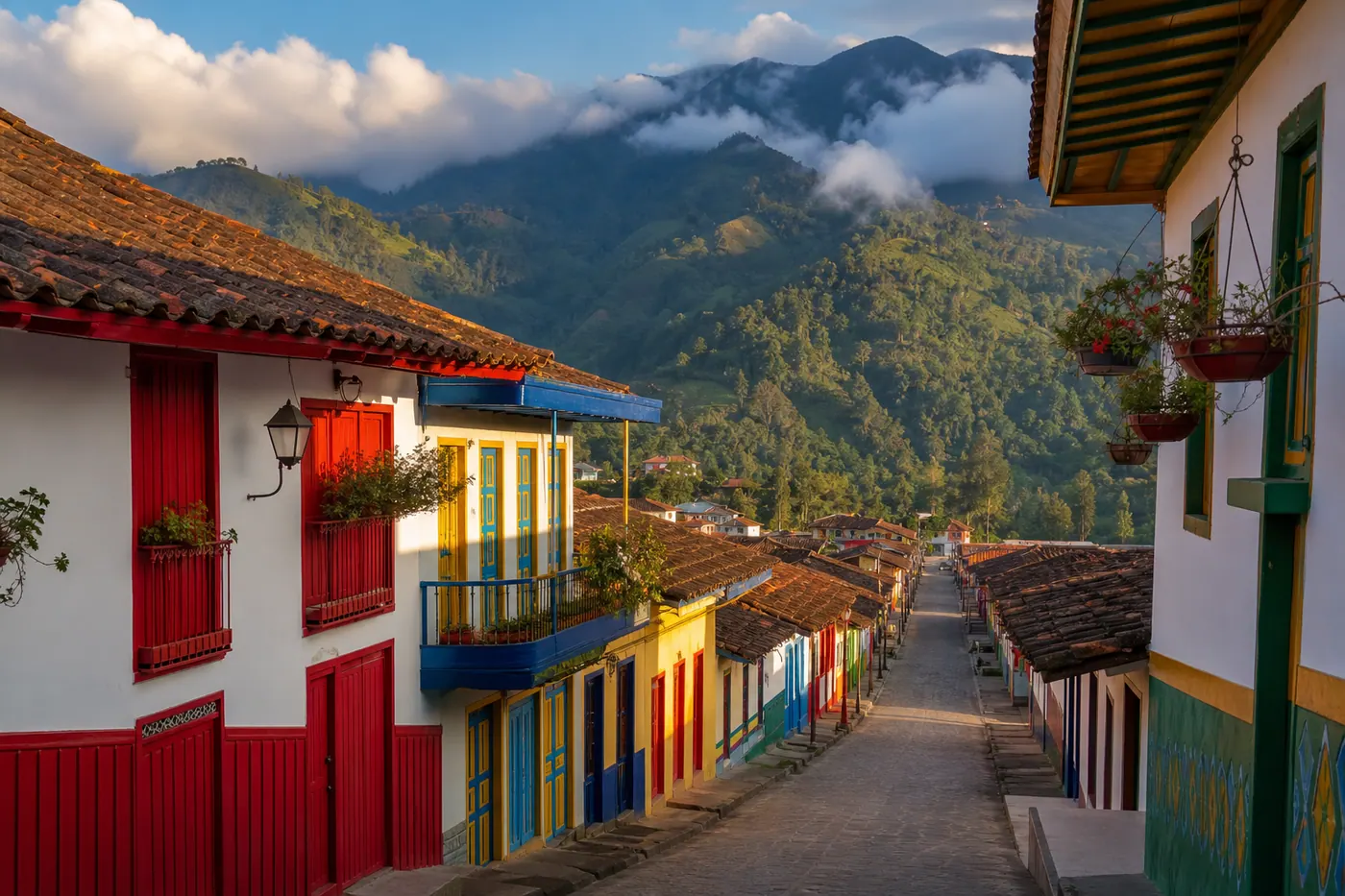
Just a short drive from Salento, Filandia offers a very similar visual charm—brightly painted wooden balconies, a stunning central church, and cobblestone streets—but with a fraction of the foot traffic. Known locally as “La Colina Iluminada” (The Illuminated Hill), the town has managed to hold onto its agricultural roots. The famous “Calle del Tiempo Detenido” (Street Stuck in Time) is a perfect example of how well the town has preserved its architectural heritage.
Filandia feels like a real town where real people live and work. You will see local farmers drinking tinto in the square, and basket weavers crafting traditional items using techniques passed down for generations.
Mirador Colina Iluminada
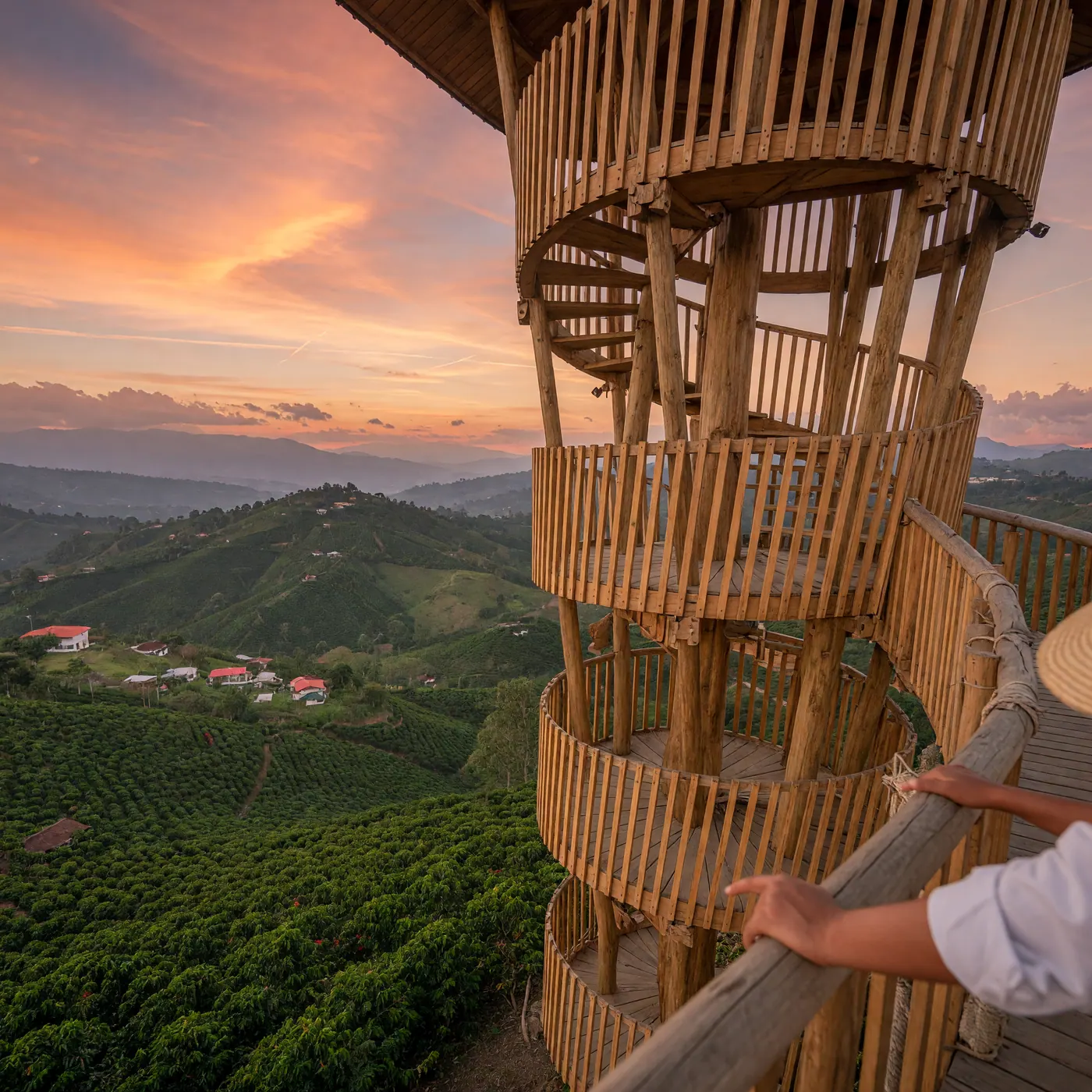
One of the main reasons to visit Filandia is its iconic viewpoint. The Mirador Colina Iluminada is a striking 27-meter tall helical wooden tower built on the edge of town. Climbing to the top gives you a 360-degree view of the surrounding coffee farms and, on a clear day, the snow-capped peaks of Los Nevados. As of June 2026, the entrance fee is COP 12,000 per person. Honestly, it is worth every peso for the sunset views alone.
Getting to Filandia
Reaching Filandia is surprisingly easy. If you are coming from Salento, direct Willys jeeps leave hourly from the main square. The ride costs COP 7,500 to 8,000 (about $2 USD) per person and takes 40 to 45 minutes along a scenic dirt road. Alternatively, direct buses run frequently from the Armenia transport terminal for COP 4,500 (taking 45–60 minutes) and from Pereira for COP 6,000 (taking about an hour).
Pijao: Latin America’s First “Slow City”
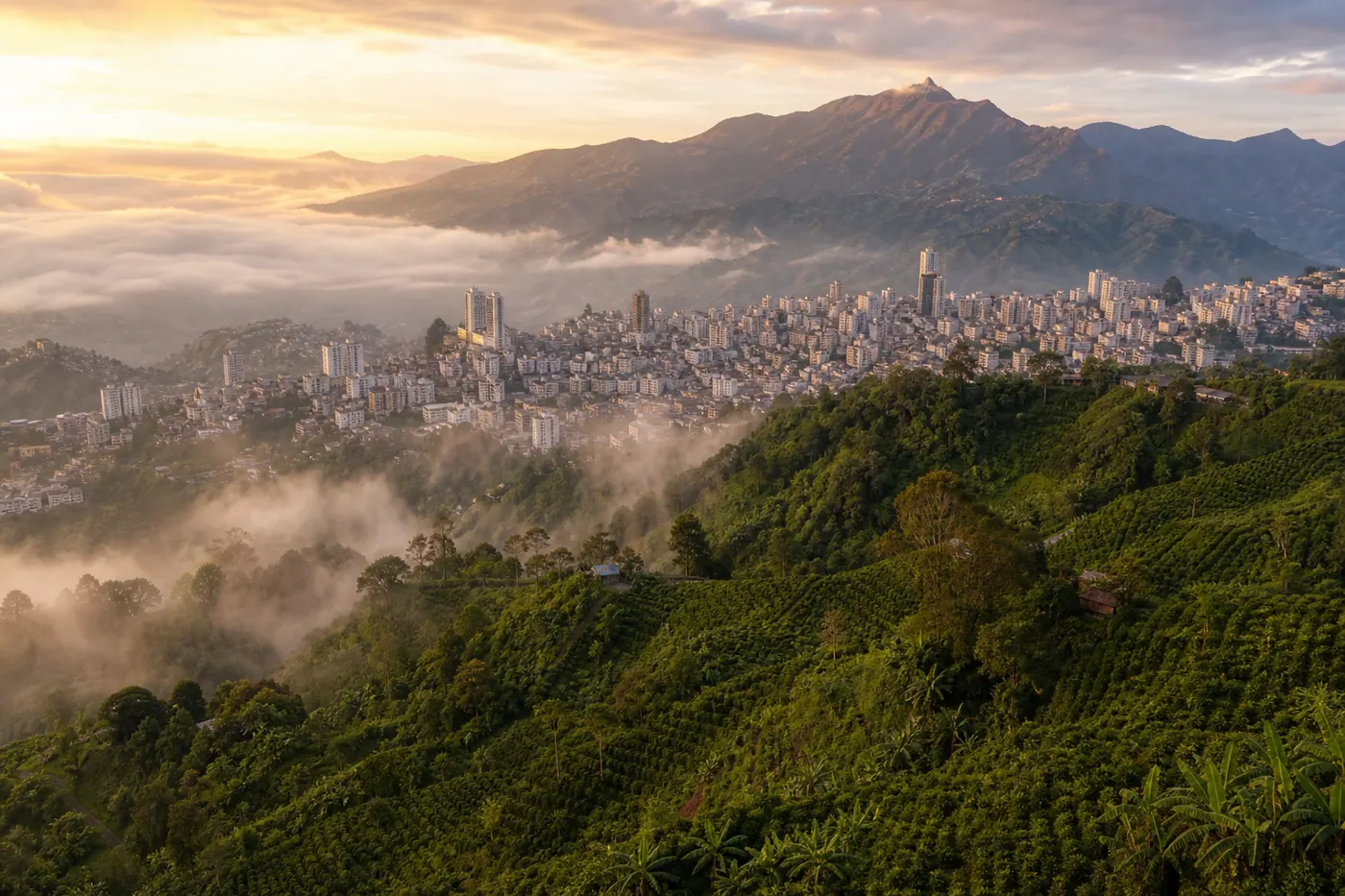
If Filandia is a quieter Salento, Pijao is something else entirely. Tucked into a deep valley along the Lejos River, Pijao sits at an altitude of approximately 1,650 meters. With a population of around 6,000 in the urban center, it is completely off the standard backpacker trail.
In 2014, Pijao made history by becoming Latin America’s first certified Cittaslow (“Slow City”). This international movement, which originated in Italy, requires towns to commit to sustainable environmental practices, the preservation of local heritage, and a deliberate rejection of fast-paced, modern stress.
The Slow Life in Practice
You feel the Cittaslow philosophy the moment you arrive. There is no rushing here. The locals take immense pride in their town’s calm atmosphere. You can spend an entire afternoon sitting at Café La Floresta, sipping coffee grown just a few kilometers up the mountain, and chatting with the owners. It is the exact opposite of the digital nomad hustle you might find when working from the best cafés in Medellín.
Getting to Pijao
Pijao is located about 31 to 33 kilometers south of Armenia. To get there, head to the Armenia Transport Terminal and catch a direct bus. The ride takes about one hour, costs around COP 5,000 to 6,000, and winds through some of the most beautiful, dramatic mountain scenery in the department.
Finding Your Coffee Region Base: Fincas and Casas Campestres
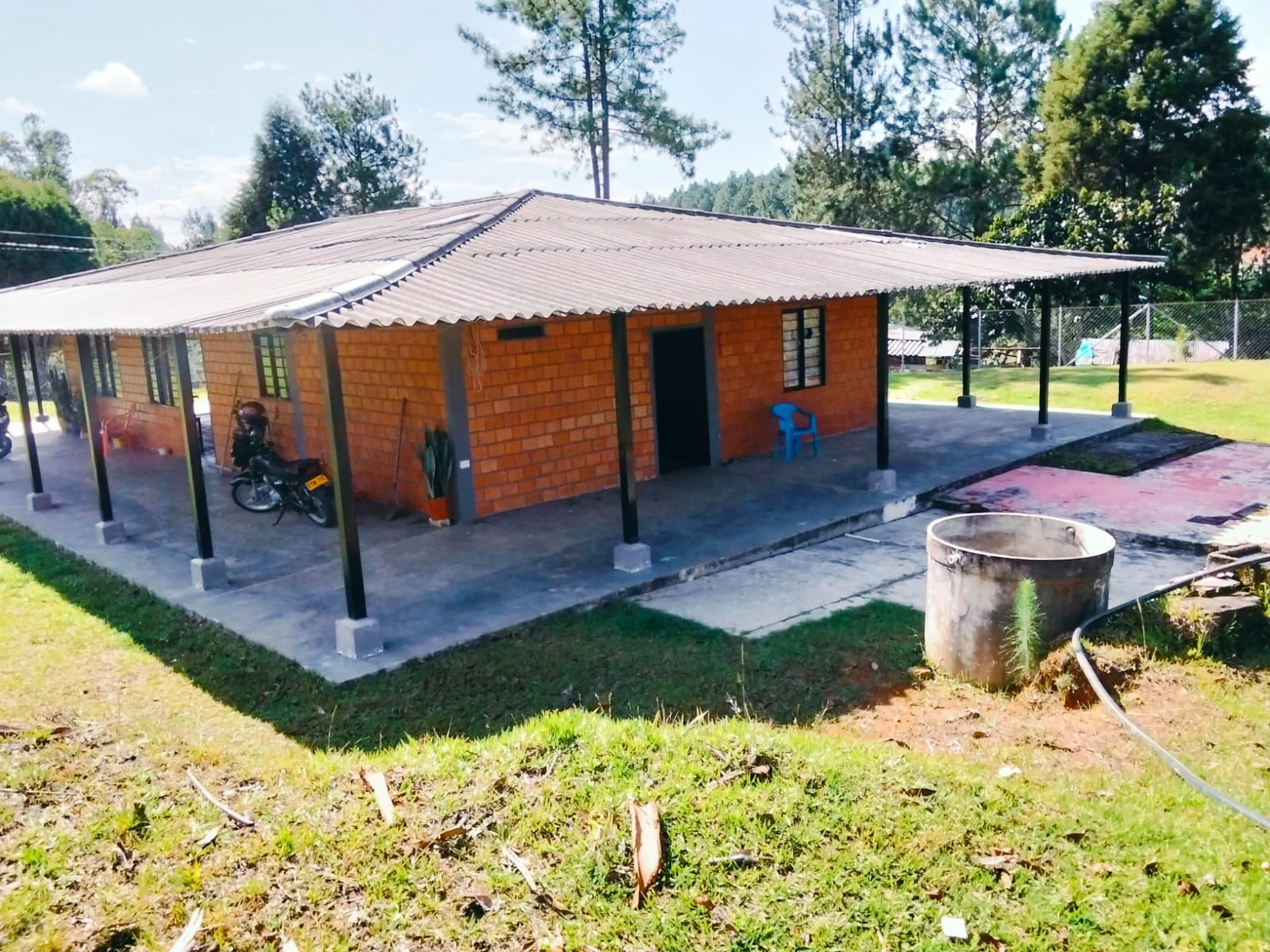
Visiting these towns for a weekend is great, but renting a traditional country home (casa campestre) or a working coffee finca for a few months is how you truly experience the region. Waking up to the sound of birds, making coffee from beans grown in your own backyard, and avoiding the noise of the city is a lifestyle upgrade that many expats are starting to prioritize.
According to active listings on Colombia Move (June 2026), there are currently 87 active housing listings across our platform, with buyer demand generating over 15,000 views as more foreigners look for rural bases beyond the major cities. The demand for quiet, nature-focused living is clearly outpacing the desire for cramped city apartments.
Ready to experience the slow life of the Eje Cafetero? Browse rural fincas and country homes for rent or sale in Quindío on Colombia Move.
Salento vs. Filandia vs. Pijao: Which is Right for You?
| Feature | Salento | Filandia | Pijao |
|---|---|---|---|
| Vibe | Tourist hotspot, energetic | Laid-back, colorful | Ultra-quiet, authentic |
| Main Attraction | Cocora Valley wax palms | Mirador Colina Iluminada | Cittaslow culture, coffee farms |
| Crowd Level | High (especially weekends) | Moderate | Very Low |
| Best For | First-timers, short trips | Photography, relaxed weekends | Slow travel, long-term stays |
Frequently Asked Questions
❓ How do I get from Salento to Filandia?
Direct Willys jeeps leave hourly from Salento's main square, costing COP 7,500 to 8,000 (about $2 USD as of 2026) per person and taking about 40 to 45 minutes. Alternatively, you can take a bus towards Armenia, transfer at the "Cruces" intersection on the main highway, and board a Filandia-bound bus.
❓ Is Filandia safer than Salento?
Both towns are exceptionally peaceful for travelers, with Filandia's quieter streets adding an extra sense of calm, especially at night. Standard common-sense precautions apply, and the atmosphere in both places is genuinely welcoming to visitors.
❓ What is a “Slow City” (Cittaslow) and why is Pijao certified?
Cittaslow is an international movement founded in Italy that promotes a relaxed pace of life, environmental sustainability, and the preservation of local crafts and culinary traditions. Pijao was certified in 2014 as Latin America’s first “Slow City” due to its commitment to eco-tourism, local agriculture, and architectural heritage.
❓ How do I get to Pijao from Armenia?
You can take a direct bus from the Armenia Transport Terminal, which costs around COP 5,000 to 6,000 (as of 2026). The journey takes about an hour and covers the 31 to 33 kilometers south into the valley.
❓ Can I find long-term rentals or fincas to rent in these towns?
Yes, both Filandia and Pijao have a growing market for long-term country house rentals (casas campestres) and traditional coffee fincas. You can browse active local listings directly on Colombia Move’s housing section to find your perfect base.
Comments
Loading comments...
Checking sign-in status...